

In the cold winter, the performance of the heating system directly affects the comfort of home life and energy consumption. As a key component of the heating system, the thermostatic radiator valve, with its precise temperature control capabilities, has become the first choice for many families to improve heating quality. When the thermostatic radiator valve is used in conjunction with a thermostat, it can exert a powerful energy-saving effect, bringing users an unprecedented heating experience.

The thermostatic radiator valve, an intelligent device installed on the radiator’s inlet pipe, is like a keen temperature regulation master. Its built-in temperature sensor can detect changes in indoor temperature in real time. When the room temperature is higher than the set value, the medium inside the temperature sensor expands, pushing the valve core to close the valve opening, reducing the flow of hot water into the radiator; when the room temperature is lower than the set value, the medium contracts, the valve opening increases, increasing the flow of hot water, thus ensuring that the room temperature remains stable within the user-set ideal range. This self-regulating method requires no external power, is not only easy to operate, but also effectively avoids discomfort caused by excessively high or low room temperatures, keeping the home environment consistently warm and comfortable.
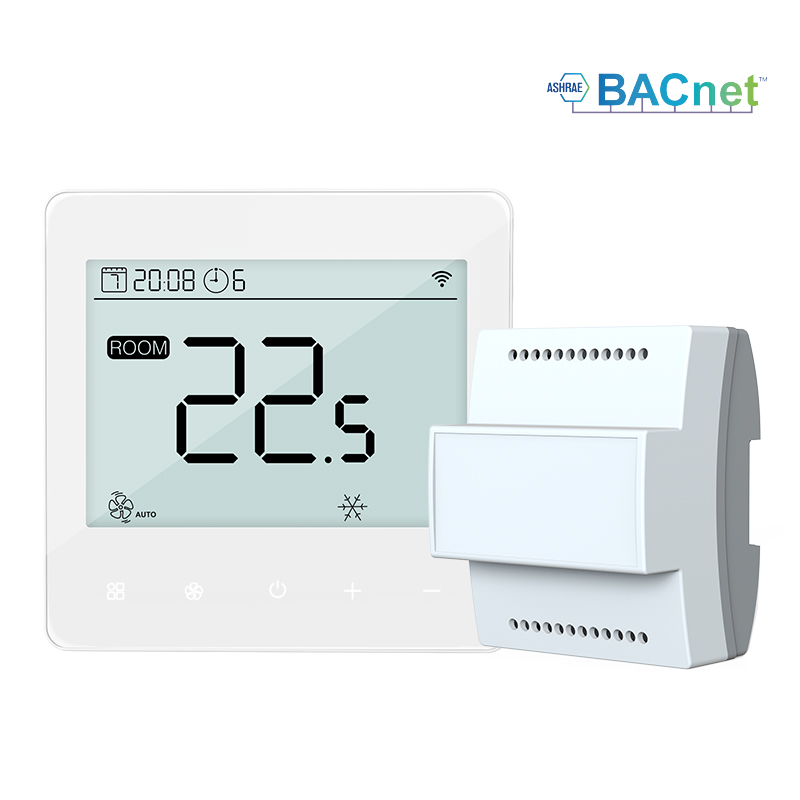
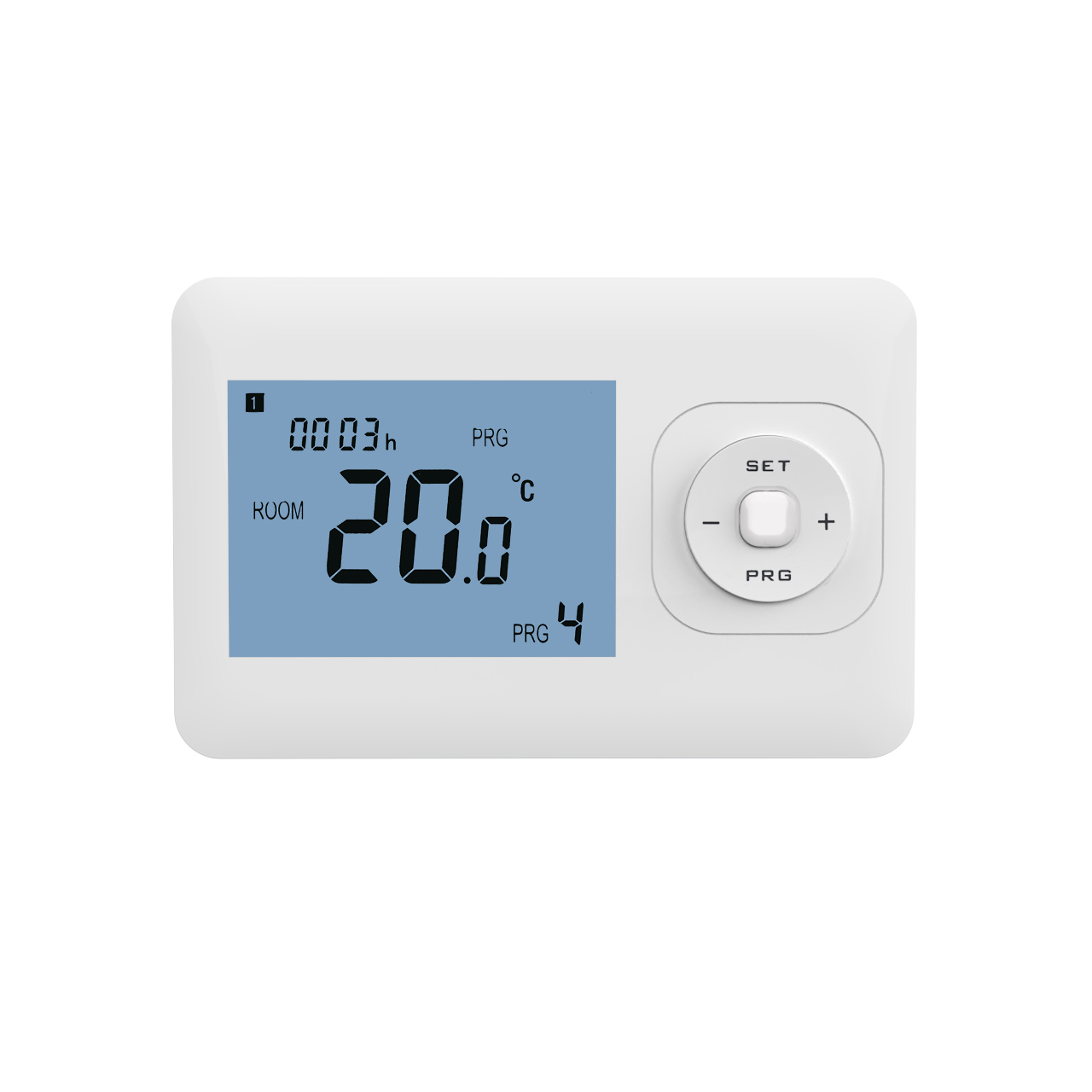
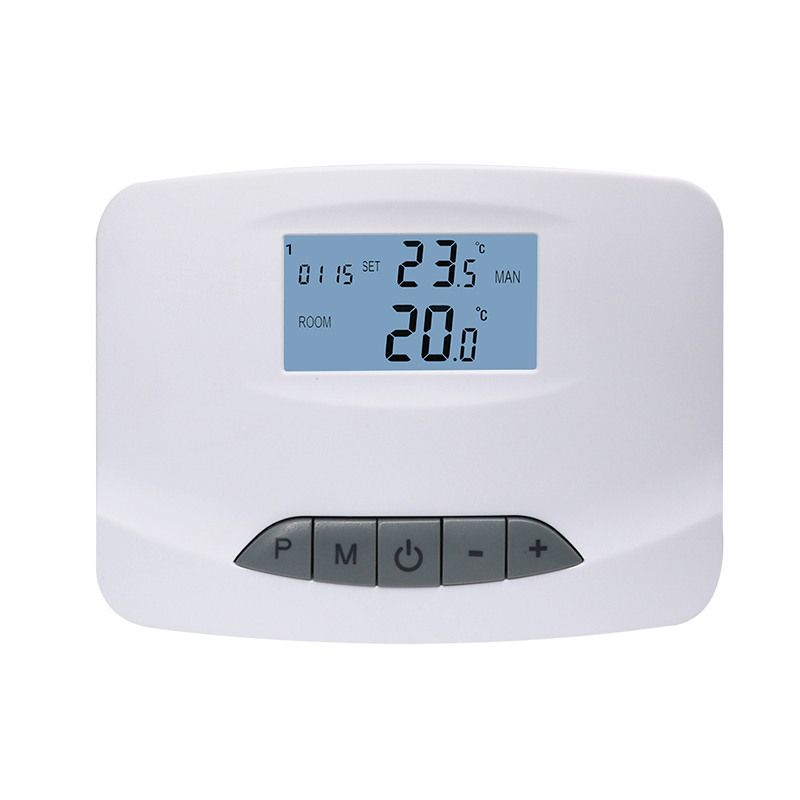
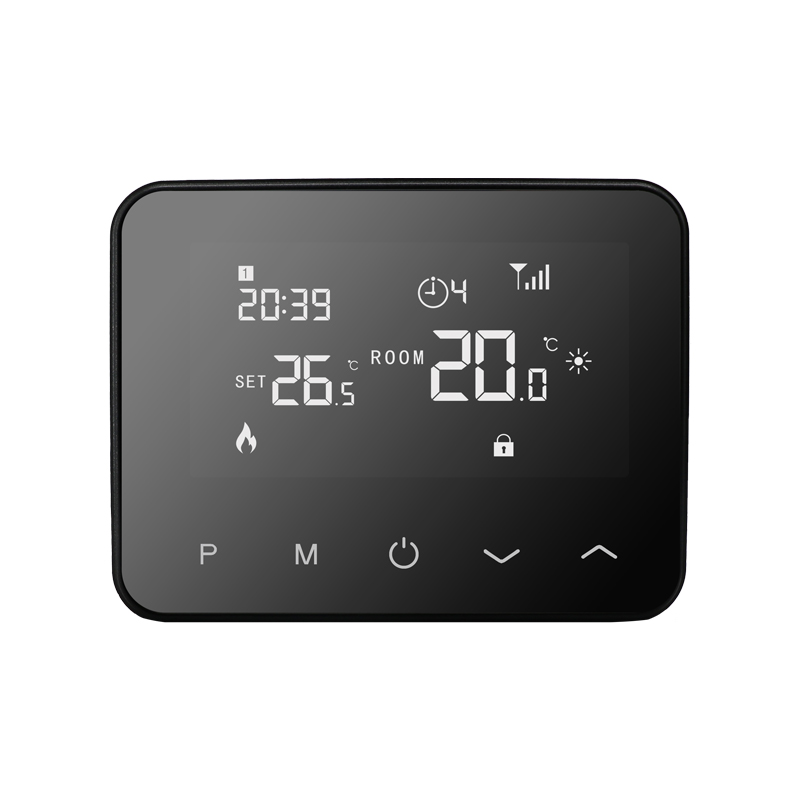
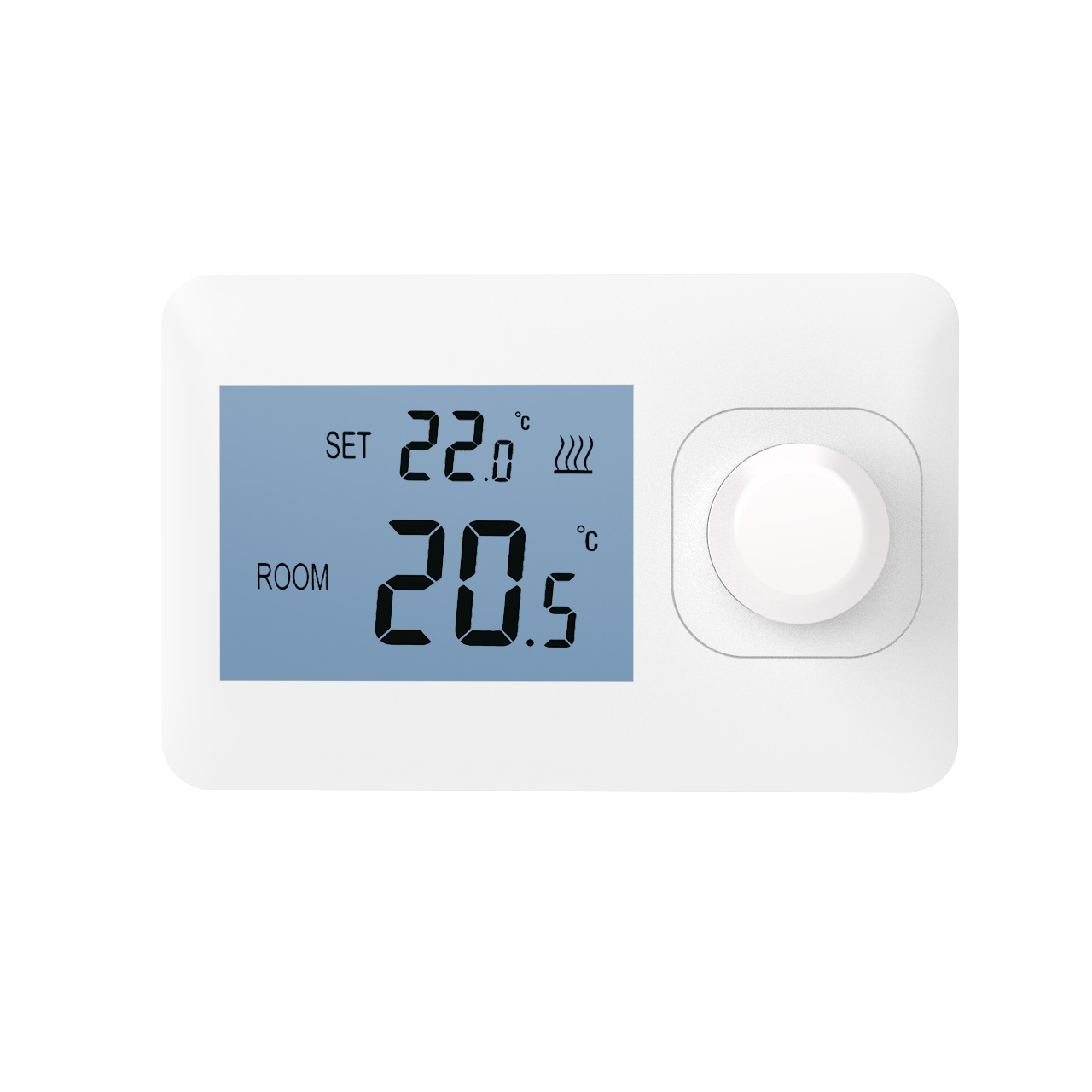
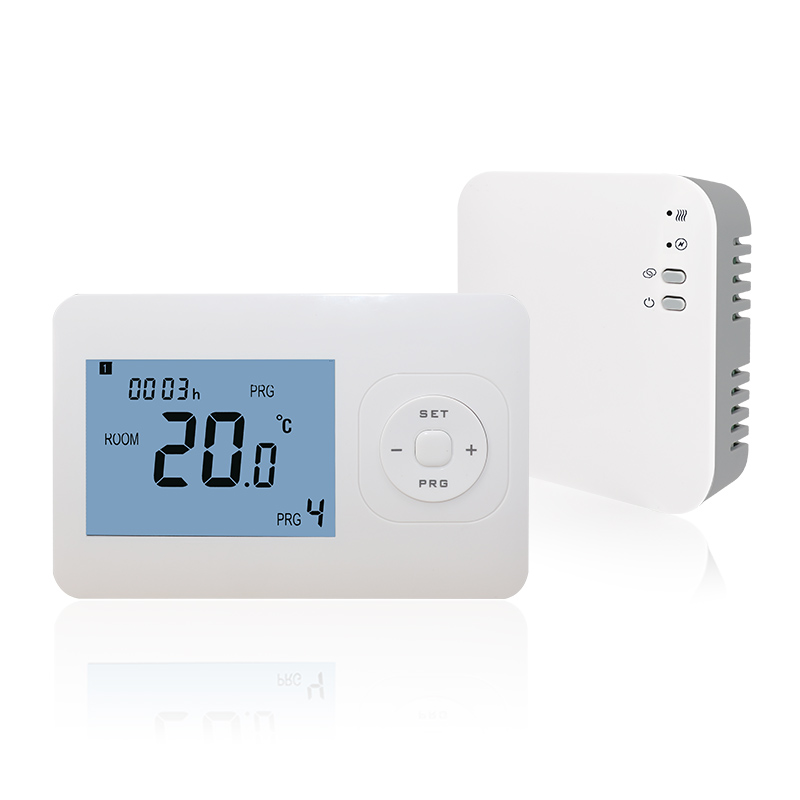
Thermostats, acting as the “smart brain” of the heating system, further enhance the performance of radiator thermostatic valves. Using advanced temperature sensors, thermostats accurately collect indoor temperature data and automatically control the opening of the radiator thermostatic valves according to the user-set temperature mode. For example, when users are away during the day, the thermostat can automatically lower the room temperature to reduce energy consumption; when users are about to return home, it can raise the room temperature in advance to ensure a warm and comfortable environment upon arrival. This intelligent control method not only significantly improves the energy efficiency of the heating system but also brings users a more convenient and comfortable living experience.
The combined use of radiator thermostatic valves and thermostats can also effectively solve the hydraulic balance problem in the heating system. In some large residential or public buildings, differences in pipe length, number of radiators, and other factors often lead to uneven heating effects in different areas or rooms. By properly setting the thermostat parameters and combining them with the precise adjustment of the radiator thermostatic valves, independent control of the hot water flow to each radiator can be achieved, effectively eliminating heating dead zones and ensuring that every room achieves ideal heating results.
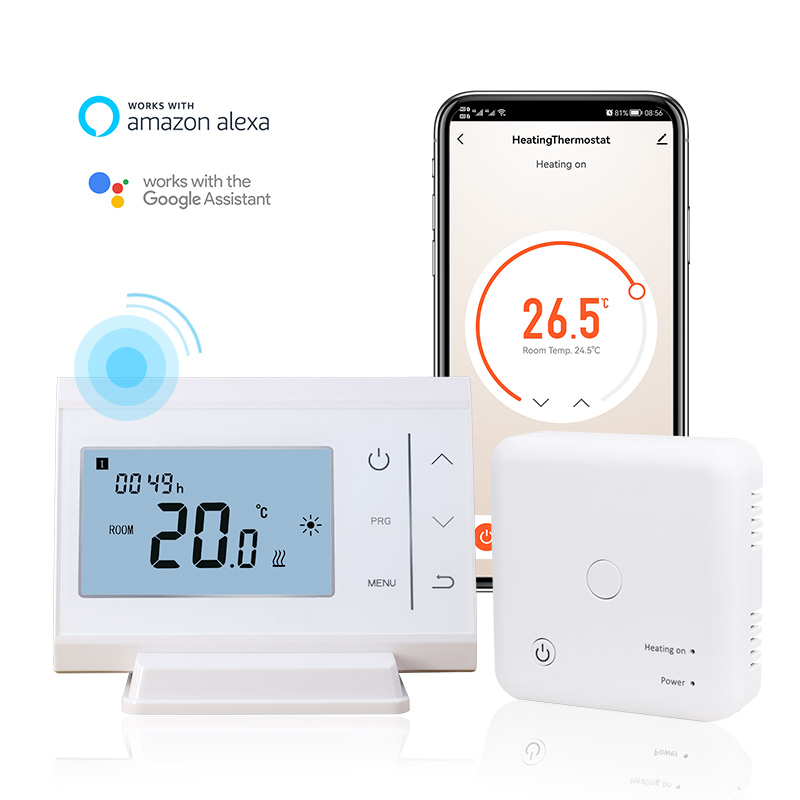
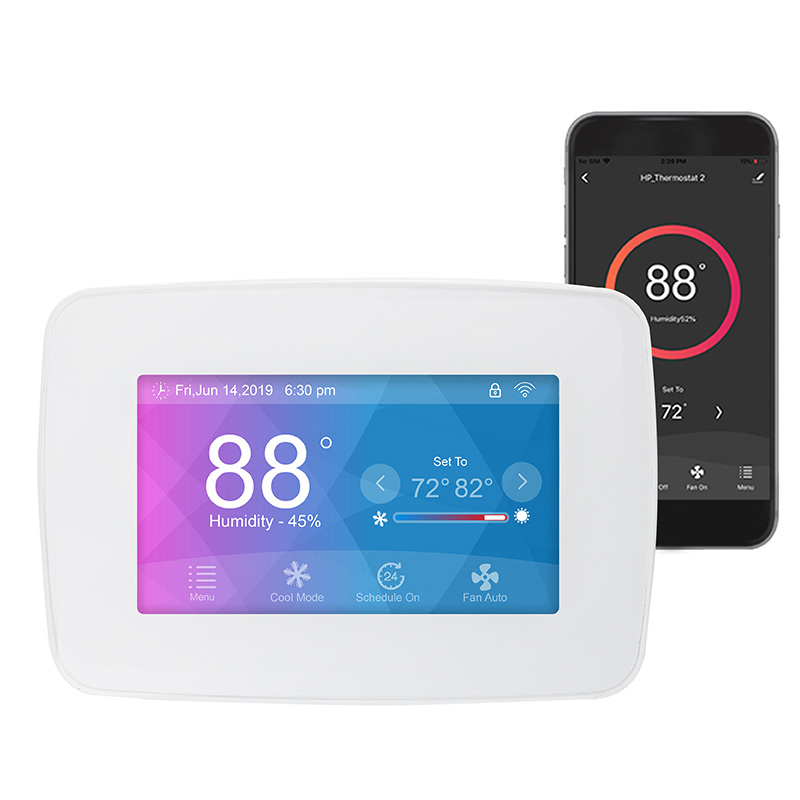
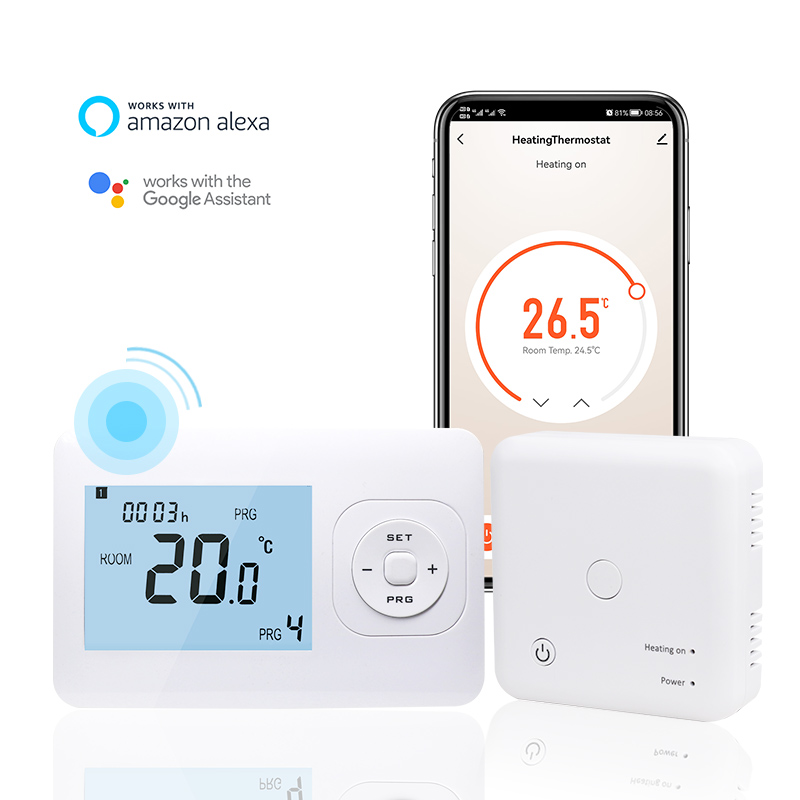
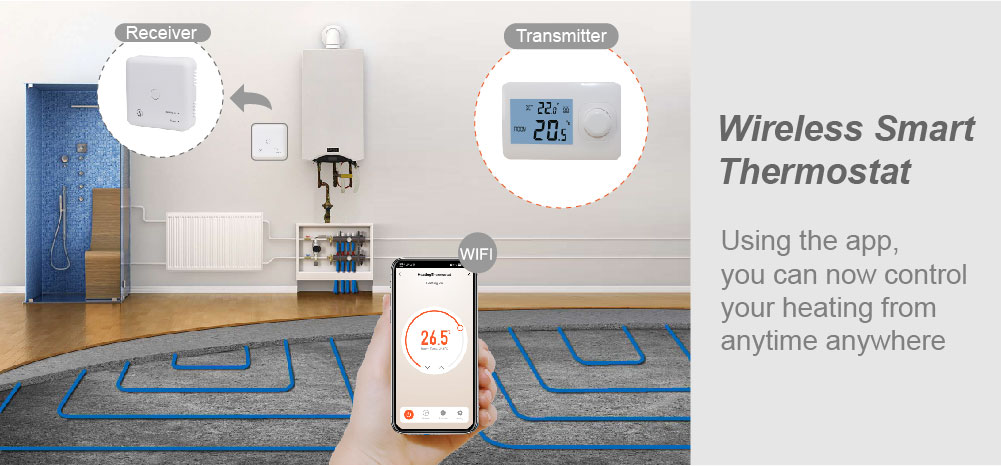
Furthermore, with the continuous development of smart home technology, the combined use of radiator thermostatic valves and thermostats is showing a more intelligent and networked trend. Users can remotely control their home’s heating equipment anytime, anywhere via a mobile app or smart home system to meet their personalized heating needs. This intelligent heating method not only improves users’ quality of life but also makes a positive contribution to energy conservation, emission reduction, and green living.
The perfect combination of radiator thermostatic valves and thermostats undoubtedly brings a revolutionary change to modern home heating systems. Through precise temperature control, intelligent adjustment methods, and effective hydraulic balancing capabilities, they work together to create a highly efficient, energy-saving, comfortable, and pleasant heating environment for users. In this era that pursues quality and environmental protection, choosing the combination of radiator thermostatic valves and thermostats is undoubtedly a wise upgrade to home life. Let warmth and energy saving go hand in hand, let comfort and intelligence accompany you; the combined use of radiator thermostatic valves and thermostats is leading a new trend in modern home heating.