
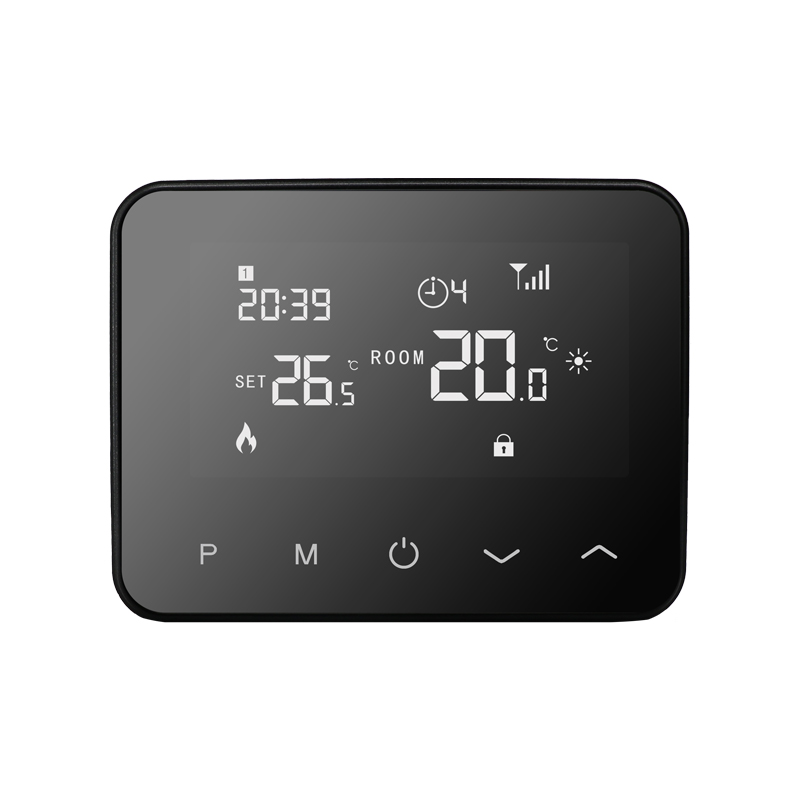
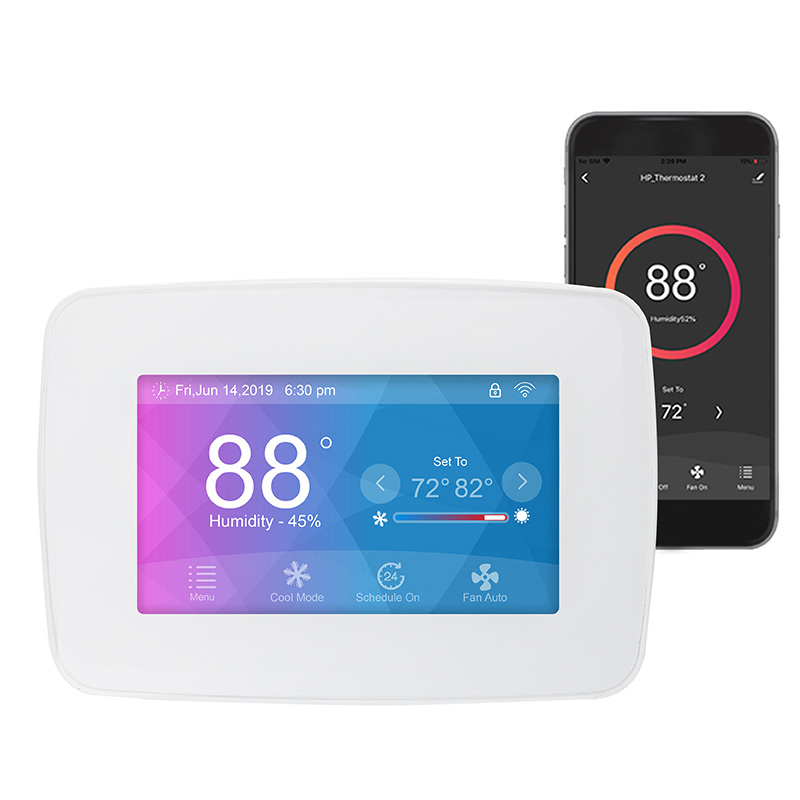
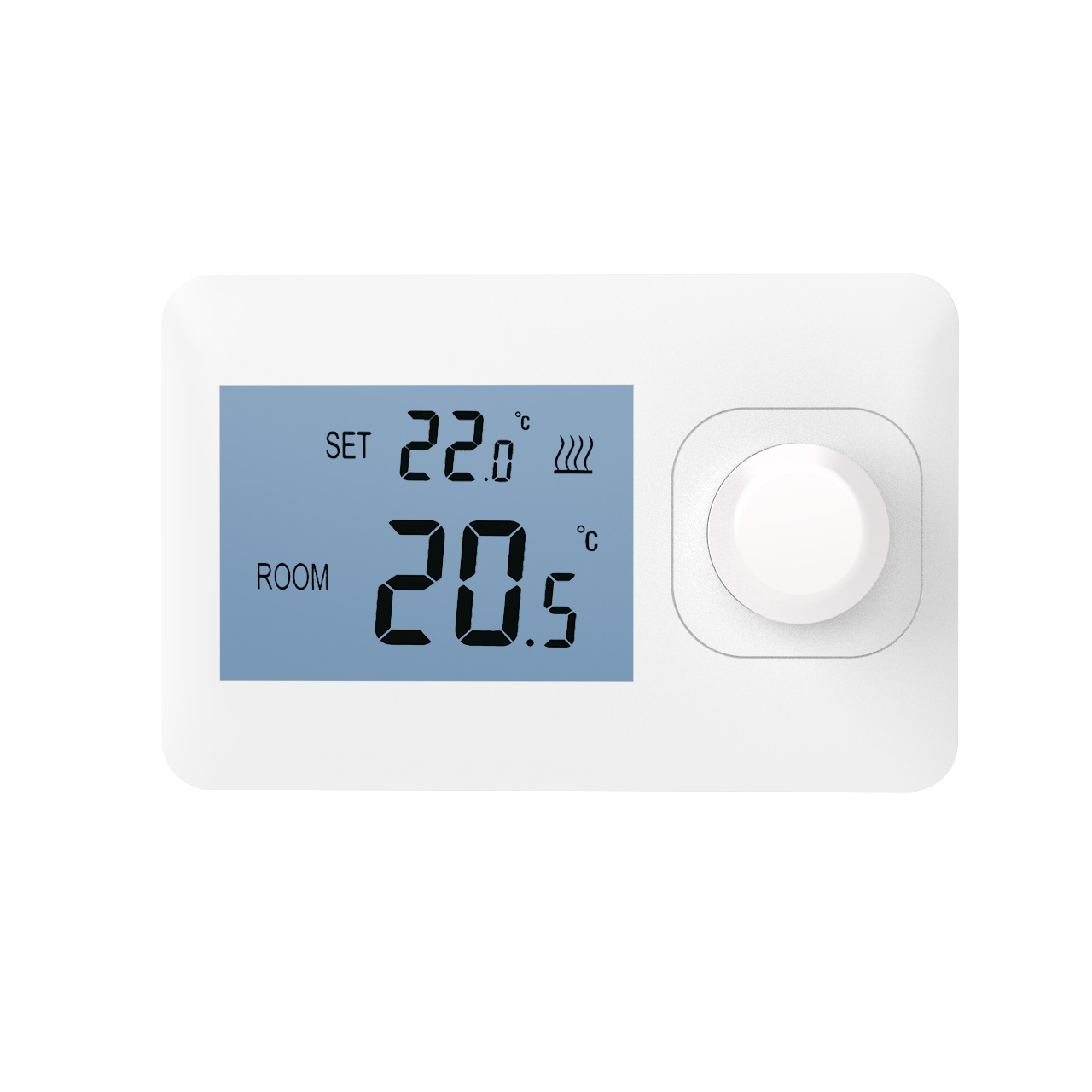
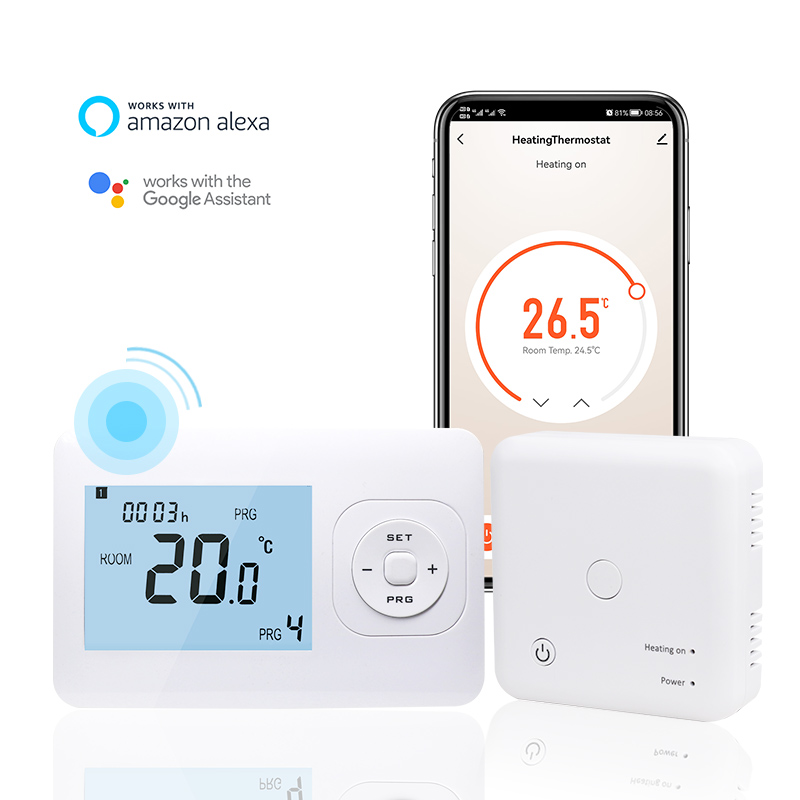
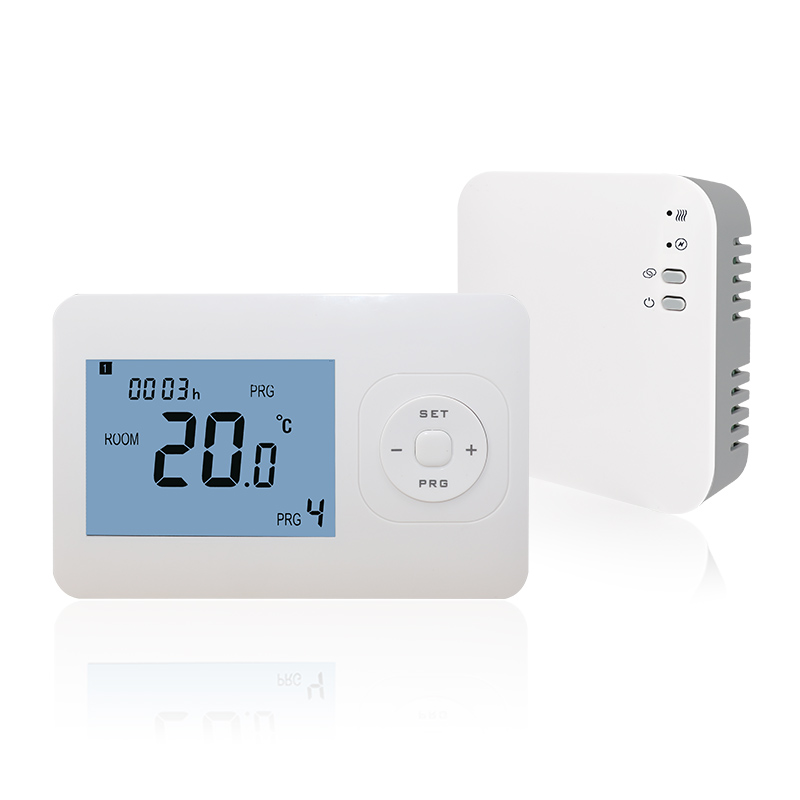
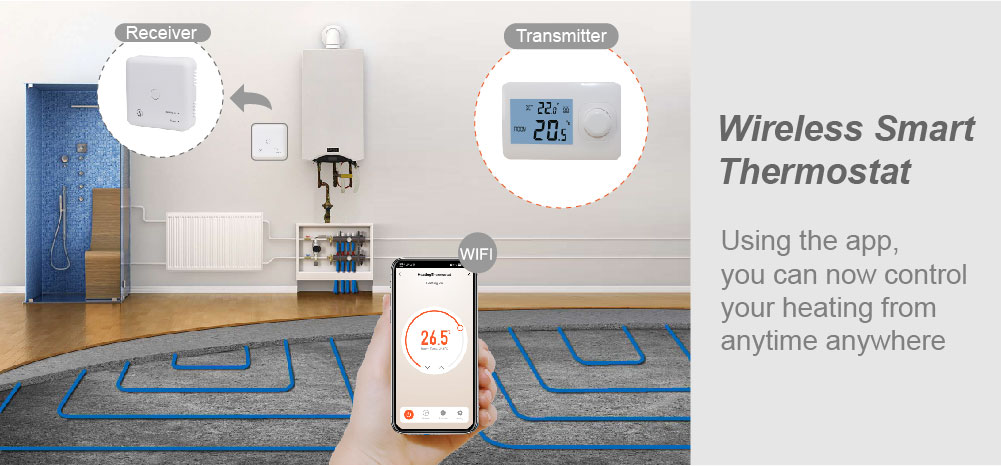
In damp living environments, people are often troubled by problems such as condensation on walls and mold on furniture. While traditional heating systems can raise room temperature, they struggle to precisely control humidity balance. The emergence of thermostatic radiator valves has not only revolutionized indoor temperature control but also demonstrated unique value in improving humidity issues. This seemingly ordinary valve is redefining healthy living standards through intelligent adjustment technology.
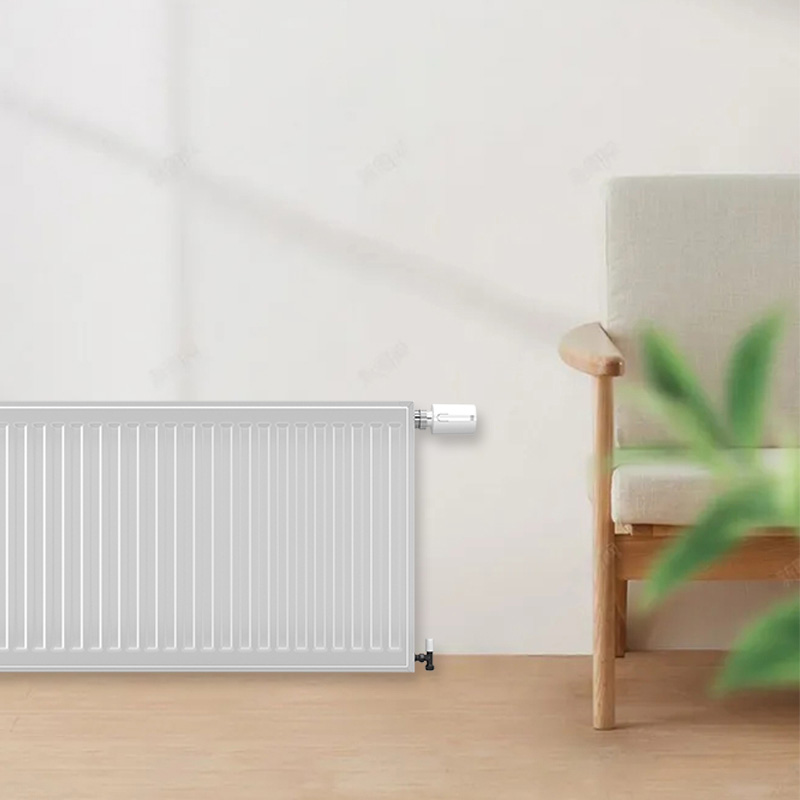
The Root Cause of Humidity Imbalance and its Relationship with Heating Systems
The essence of humidity problems is an imbalance between water vapor condensation and air circulation. When the indoor temperature is below the dew point, water vapor in the air condenses into water droplets on walls and furniture surfaces. Traditional heating systems often suffer from room temperature fluctuations due to a lack of constant temperature control, easily triggering condensation during the colder nighttime hours. This is especially pronounced in southern my country, where the contradiction between the damp, cold winter climate and insufficient heating exacerbates the humidity problem.
The thermostatic radiator valve precisely controls the hot water flow, reducing room temperature fluctuations to 0.5-2℃. When the sensor detects that the temperature is close to the dew point, the valve automatically opens wider to increase heat dissipation, preventing sudden temperature drops that could lead to condensation. This dynamic adjustment mechanism keeps the indoor environment consistently within a relatively dry and comfortable range.
Synergistic Effect of Intelligent Temperature Control and Humidity Management
The humidity regulation function of thermostatic valves stems from their unique temperature control logic. Taking the Danfoss V-exact II series as an example, this valve uses a liquid temperature-sensing element, resulting in a 30% faster response time compared to traditional valves. When the indoor temperature rises due to sunlight or appliance use, the valve automatically closes to reduce heat supply, preventing overheating while maintaining airflow and effectively inhibiting moisture accumulation.
In a renovation project of an old residential community in Hangzhou, after installing thermostatic valves, residents reported a 75% reduction in condensation on the walls. System monitoring data showed that the indoor relative humidity dropped from 82% before the renovation to 65%, and the day-night temperature difference was controlled within 1.5℃. These stable environmental parameters significantly reduced the risk of mold growth.
Moisture-proof Application Solutions for Different Scenarios
Thermostatic valves demonstrate flexible adaptability to different building structures. For bottom-inlet, bottom-outlet radiators, the H-type thermostatic valve balances the inlet and outlet water resistance by adjusting the bypass flow, ensuring uniform radiator surface temperature and preventing the formation of localized low-temperature zones. In single-pipe systems with bypass pipes, low-resistance two-way valves, combined with differential pressure controllers, prevent dampness in terminal rooms caused by hydraulic imbalance.
In commercial buildings, IMI Heimeier’s intelligent thermostatic valve bodies support stepless preset functions. Administrators can preset flow levels 1-8 based on the usage frequency of different areas. In damp areas such as underground parking garages, increasing heating temperatures and extending heating periods effectively reduces relative humidity.
Key Considerations for User Selection and Installation
When purchasing thermostatic valves, the valve authority design should be a key focus. Ideally, the valve resistance should account for approximately 50% of the total resistance of the branch system, ensuring adjustment sensitivity while preventing noise caused by excessive pressure differentials. For areas with poor water quality, it is recommended to choose a gunmetal valve body with a double O-ring seal structure. These products offer 40% better corrosion resistance than ordinary brass and a service life of over 15 years.
The installation process directly impacts the moisture-proofing effect. Built-in sensors must be installed horizontally and at least 20cm away from the radiator to prevent heat radiation from interfering with temperature detection. External sensors should be installed on an unobstructed wall, ideally 1.5 meters above the ground. A 60-mesh filter must be installed during system flushing to prevent welding slag from clogging the valve core and causing adjustment malfunction.
While moisture may seem minor, it concerns residential health and building durability. The radiator thermostatic valve, through precise temperature control, creates an invisible moisture barrier for the indoor environment. From residential homes to commercial spaces, this smart device is redefining the meaning of comfortable living with technology. When temperature and humidity reach a delicate balance, we gain not only dry walls but also a deeper control over our healthy lives.