
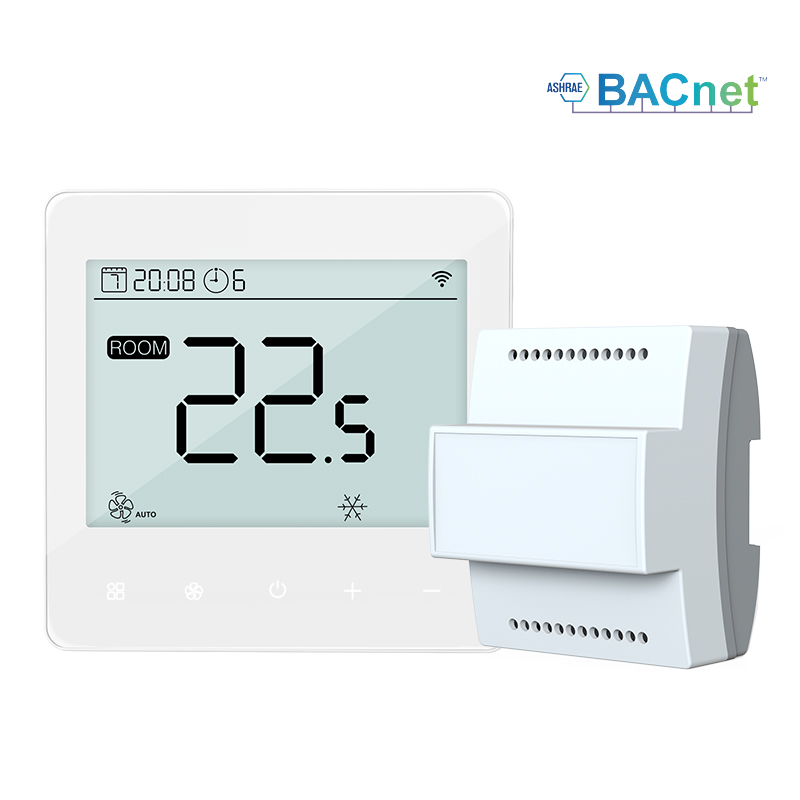
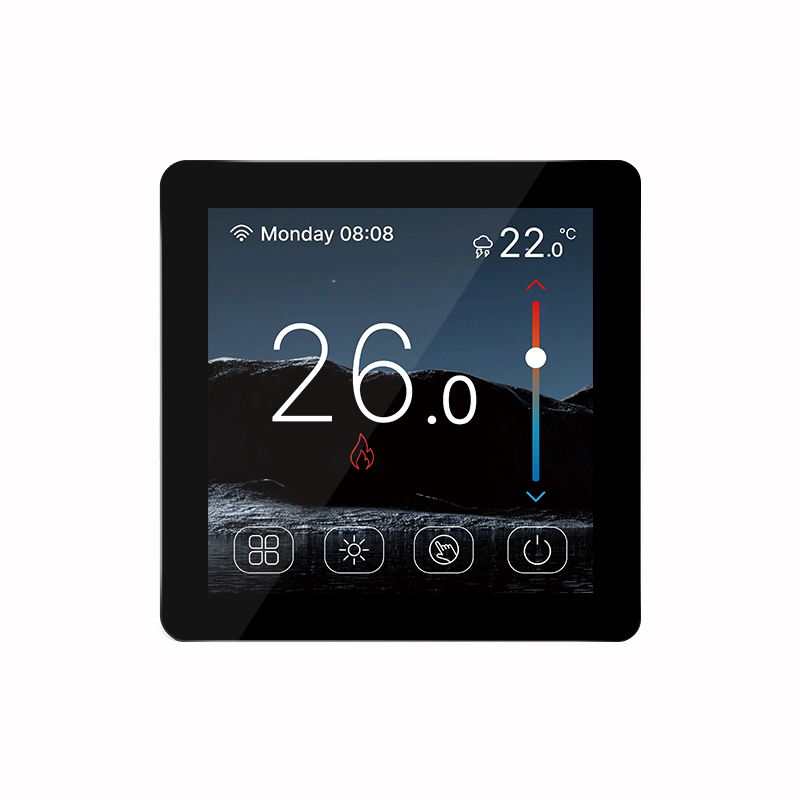
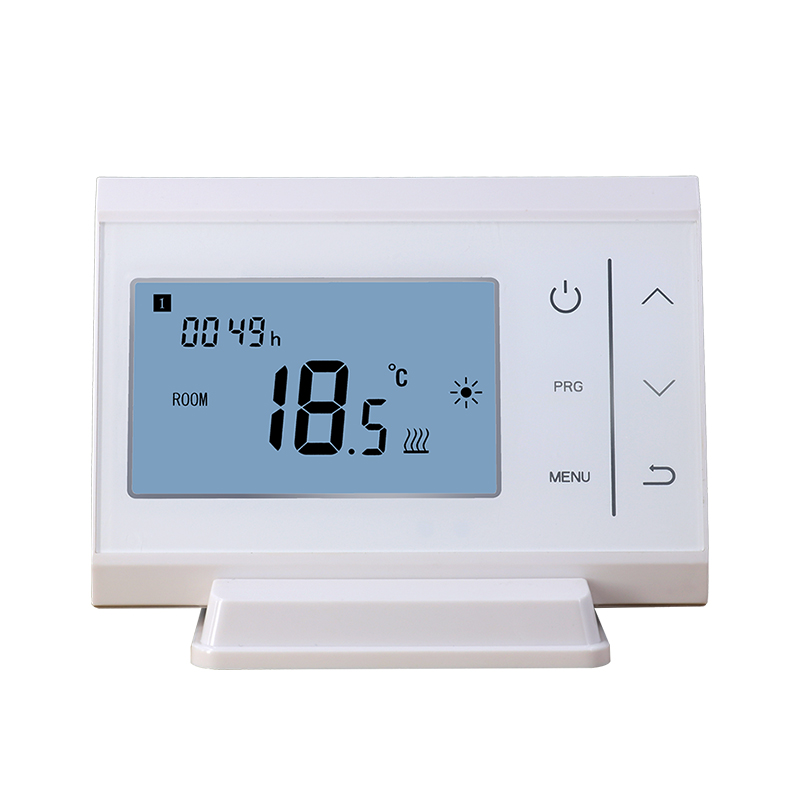
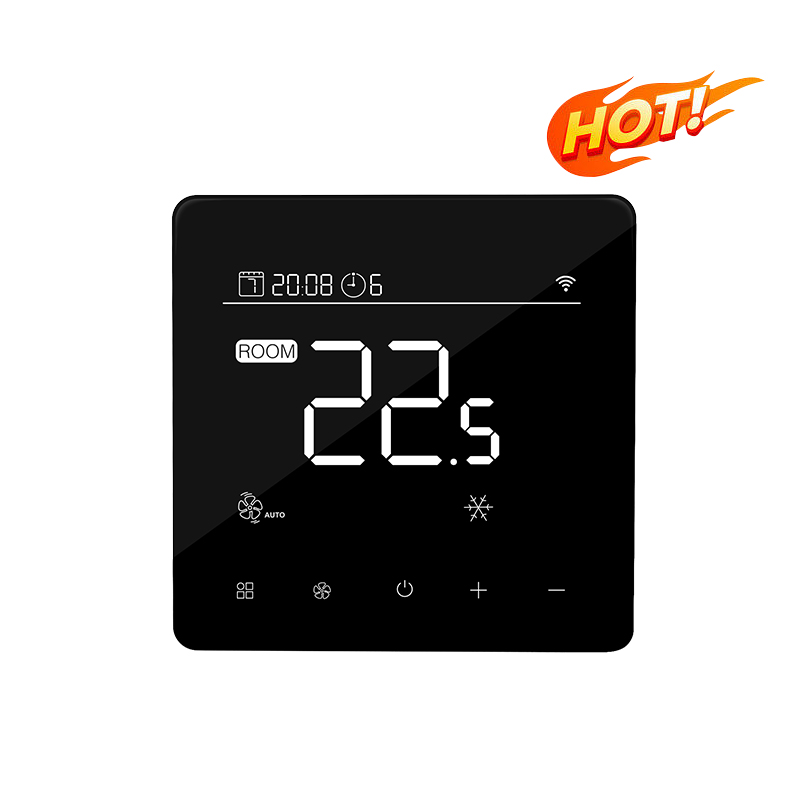
In modern building management, as the number of devices continues to grow, the question of how to manage them efficiently has become a key focus for many users. Traditional temperature control methods often rely on manual, device-by-device adjustments—a process that is not only inefficient but also prone to operational errors. In contrast, Fan Coil Unit (FCU) thermostats that support the BACnet protocol can integrate directly into a Building Management System (BMS), enabling centralized control and data sharing, thereby making management workflows significantly clearer. By monitoring and adjusting devices through a unified platform, operational efficiency is boosted, and day-to-day management becomes far more intuitive.
System integration enables more centralized management
This directly affects the overall management efficiency.The BACnet protocol facilitates data interoperability between devices from different manufacturers, allowing thermostats to connect seamlessly with the building’s central system for centralized monitoring and control. This unified access eliminates the need for management personnel to operate multiple disparate systems independently. Furthermore, the centralized display of data is highly intuitive; all operational metrics—including temperature readings, operating status, and more—can be viewed on a single platform, making it easy to maintain comprehensive oversight. From a systems-level perspective, this integration clearly streamlines the management process.
Remote control enhances operational flexibility
Changes in operating methods directly impact convenience.
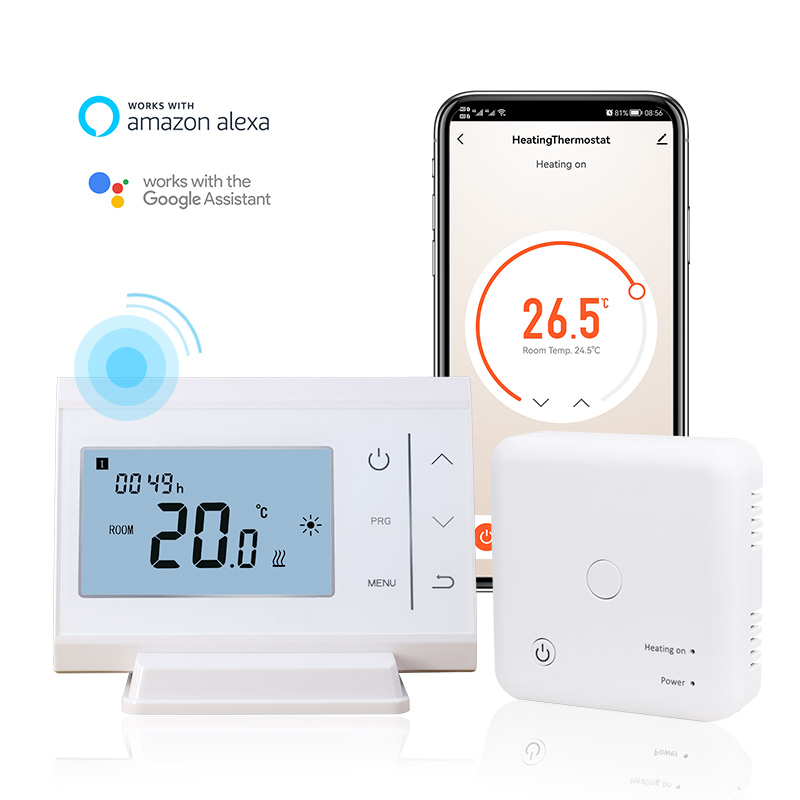
- Supports remote monitoring and adjustment: Administrators can view equipment status and make adjustments from any location via the BMS without needing to go to the site.
- Unified scheduling and settings are possible.
From an operational perspective, this approach significantly improves ease of use.
Maintenance and management are more efficient
A good management structure can also reduce the burden later on.
- Fault information is easier to obtain: The system can provide real-time feedback on equipment operating status, and problems can be quickly located once an anomaly occurs.
- Reduced manual management costs: Through automation and centralized management, manual inspections and adjustments are reduced, improving overall management efficiency.
From a maintenance perspective, this design improves long-term management efficiency.
In practical application, BACnet thermostats simplify and streamline building device operations through centralized management and remote control capabilities. For scenarios involving the management of multiple zones or numerous devices, this unified control approach minimizes repetitive tasks and accelerates overall response times. Concurrently, centralized data aggregation and automated management make system operations more transparent and controllable. For users seeking highly efficient management and intelligent operations and maintenance (O&M) solutions, these types of thermostats not only enhance operational convenience but also bring greater structure and order to the entire management workflow, demonstrating their true long-term value in sustained use.