
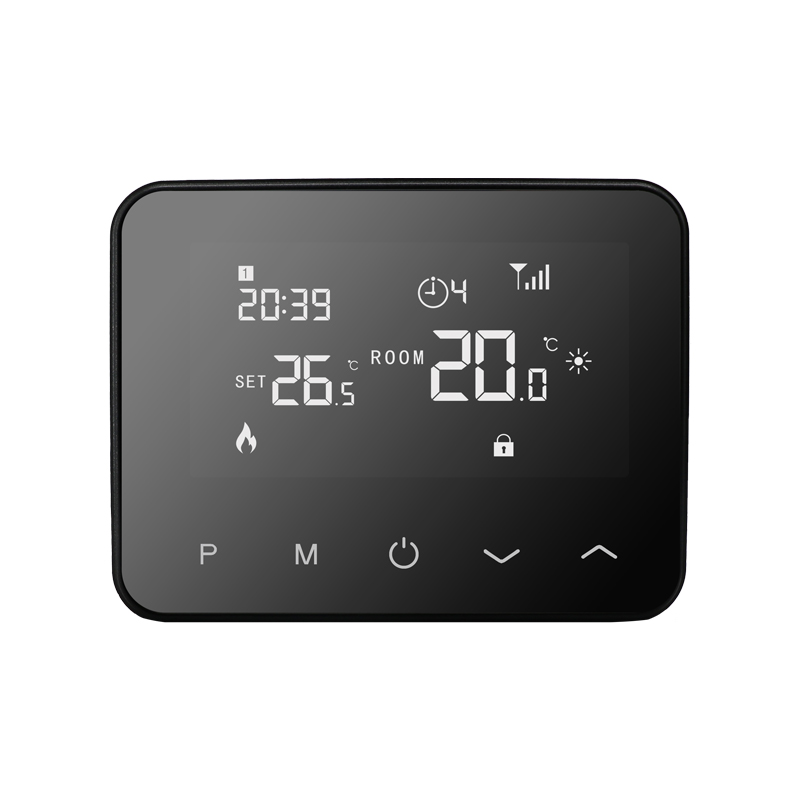

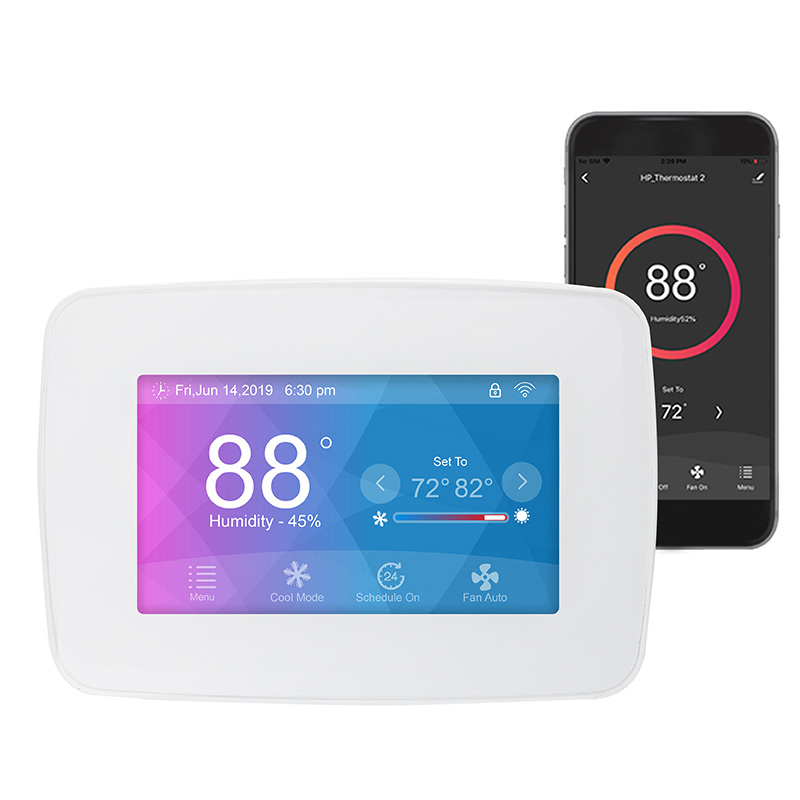
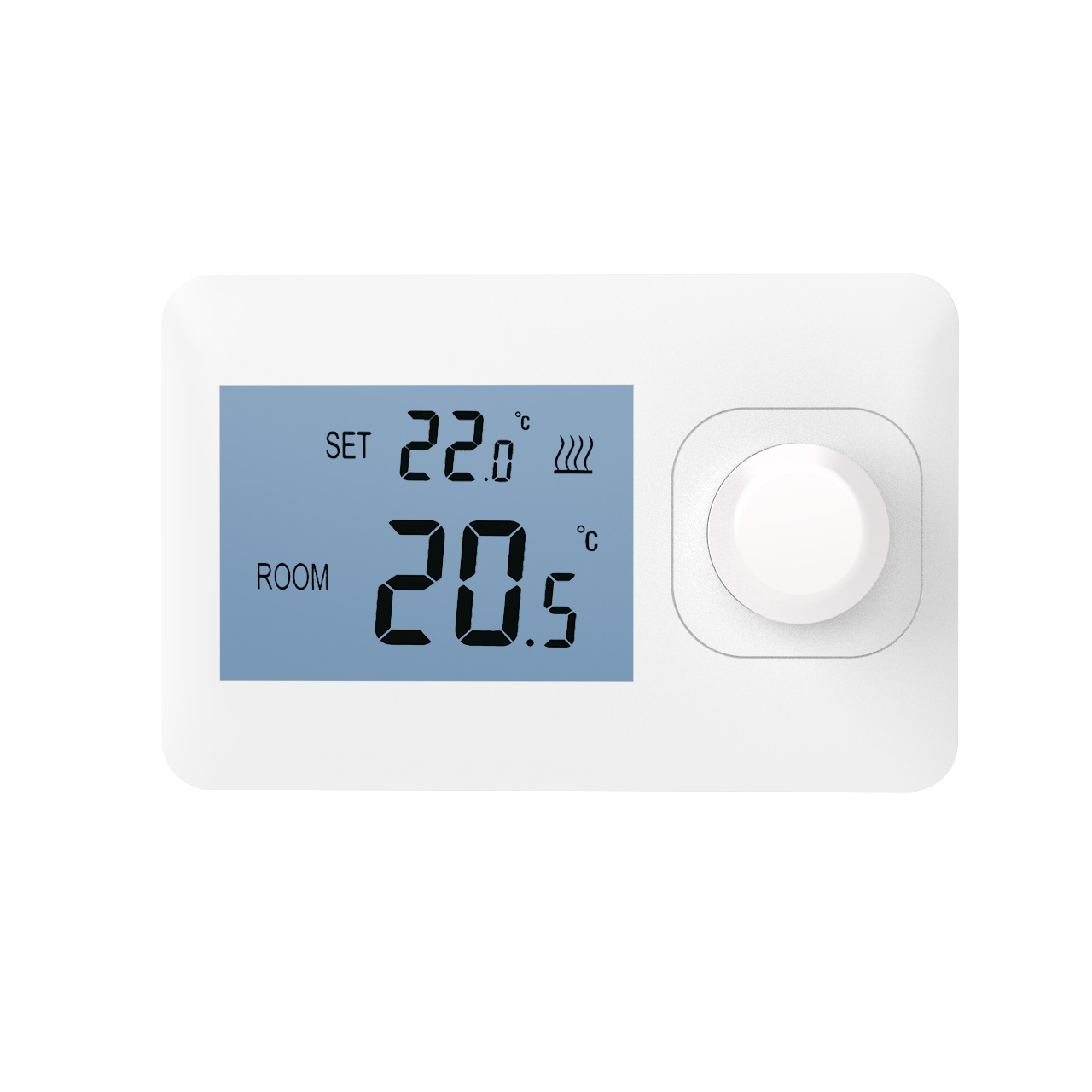
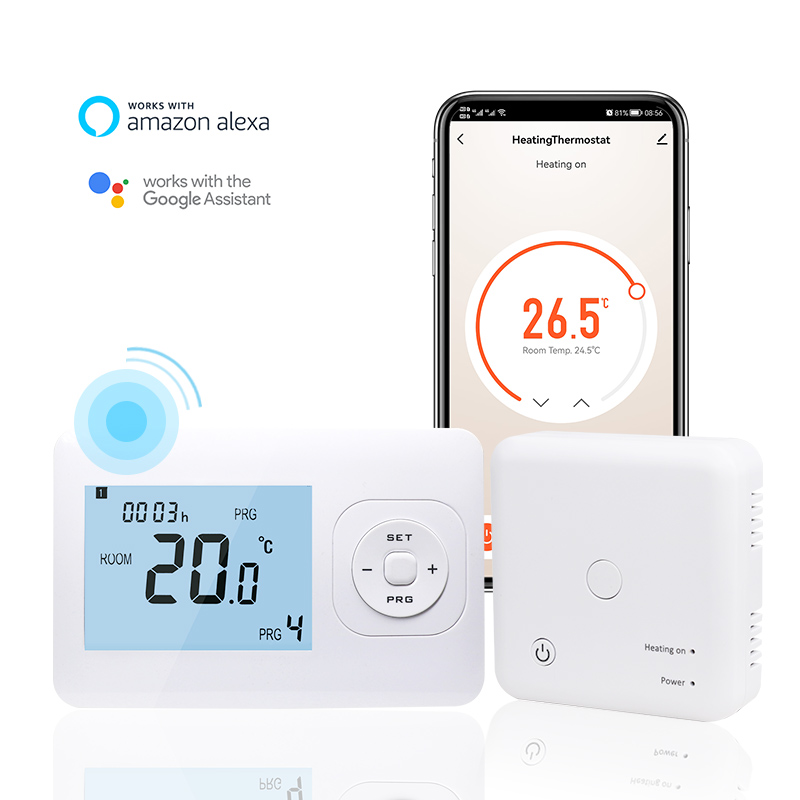
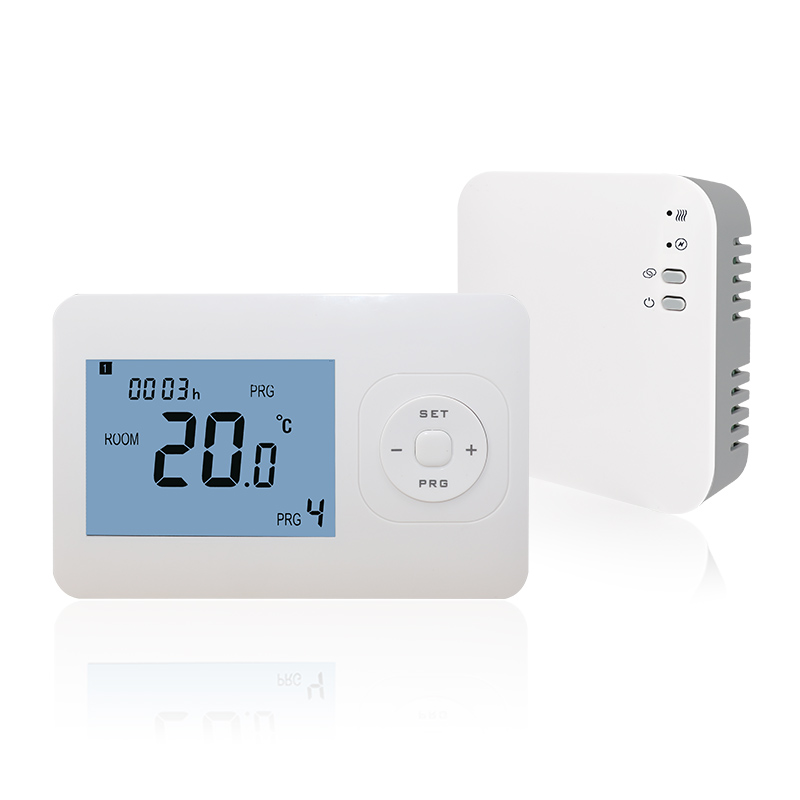
In the fields of residential and industrial heating, gas-fired boilers are core equipment, and their operating costs directly affect users’ economic burden and energy efficiency. In recent years, boiler thermostats have gradually become a market focus due to their precise temperature control technology, and whether they can truly reduce gas costs has become a key concern for consumers. Through technical principle analysis and practical application case verification, it can be clearly concluded that boiler thermostats, by optimizing combustion efficiency and reducing heat waste, can indeed significantly reduce gas consumption, bringing considerable economic benefits to users.

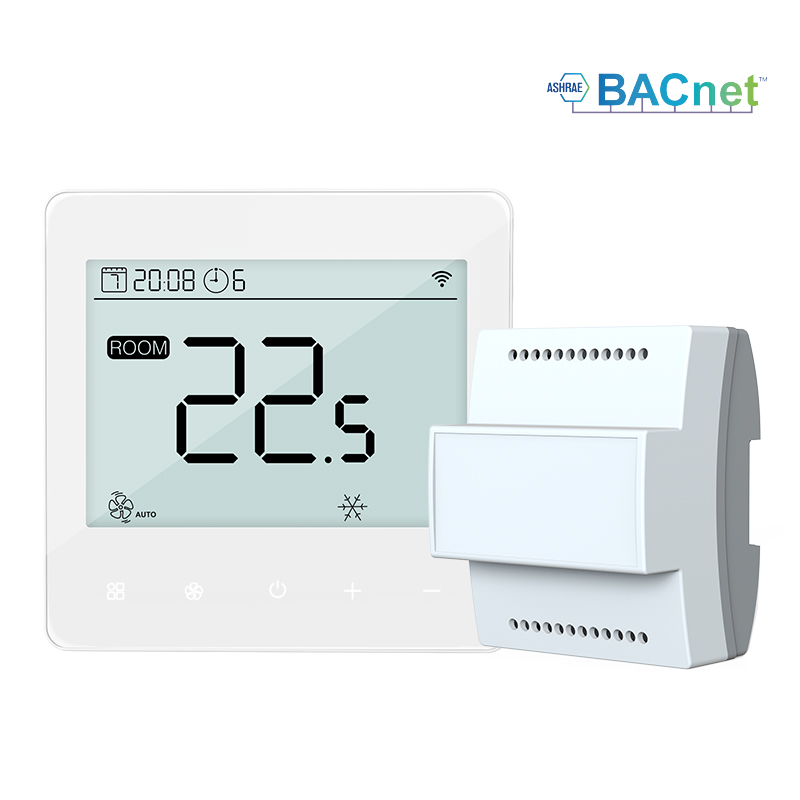
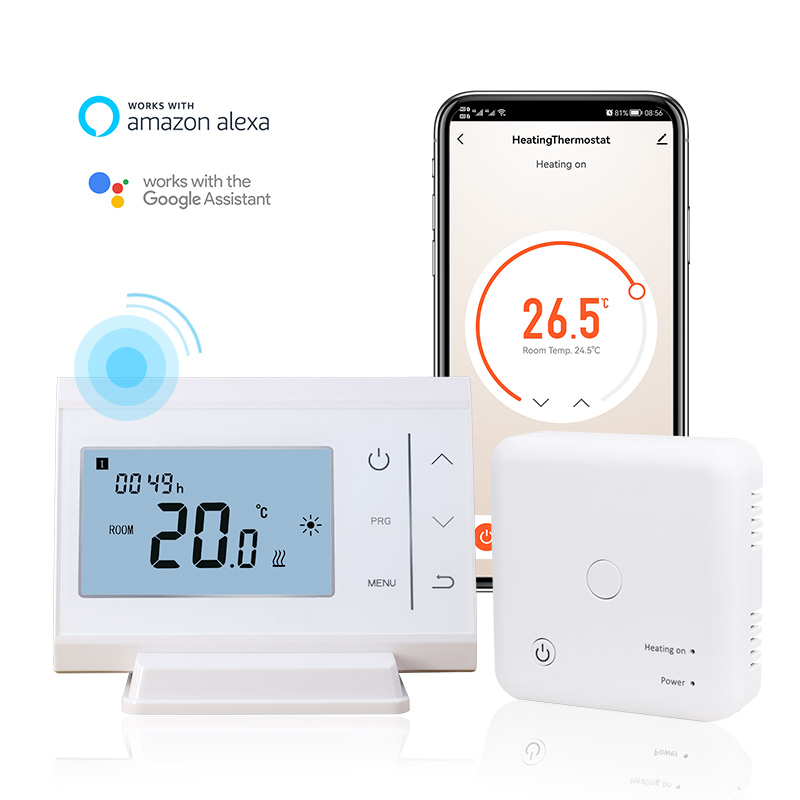
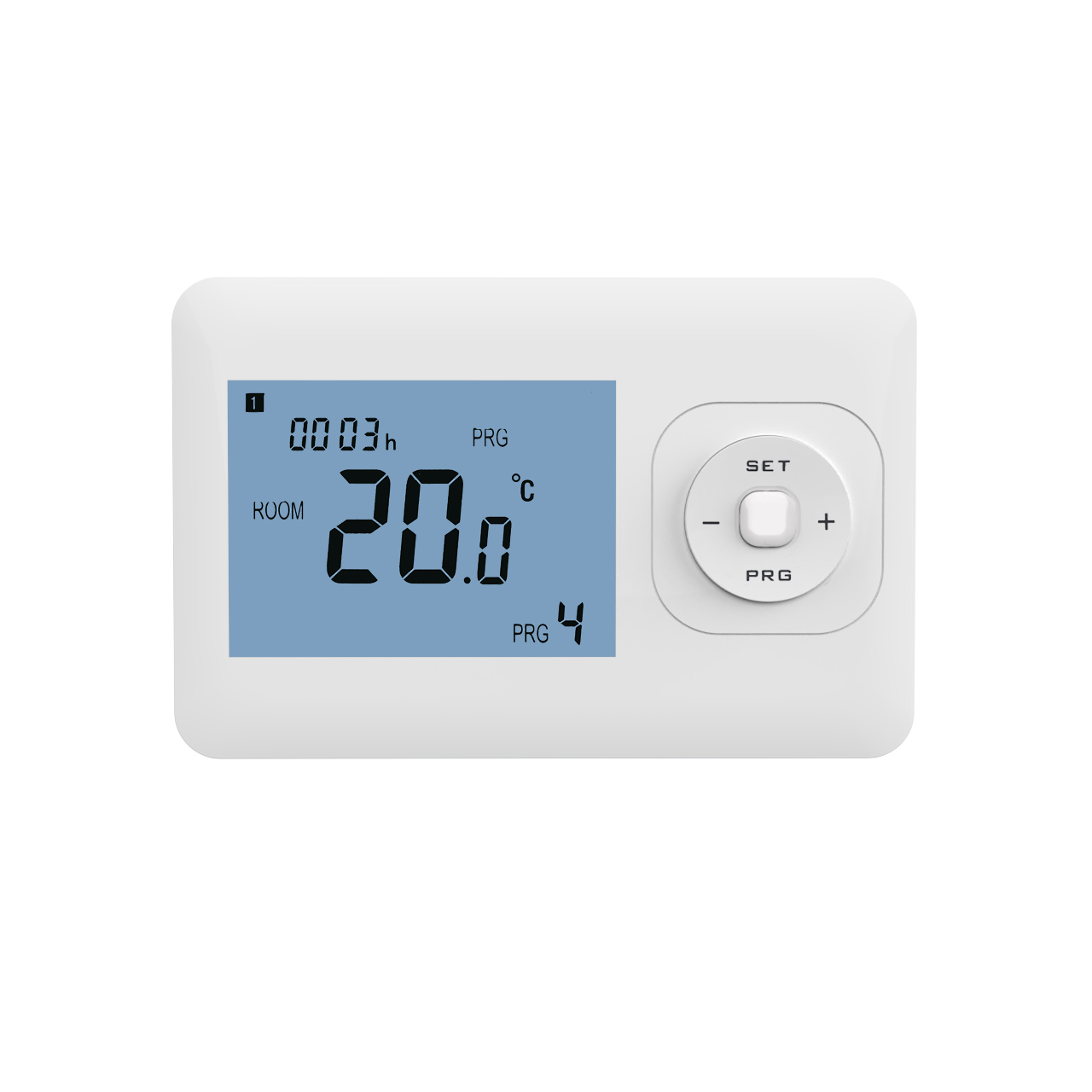
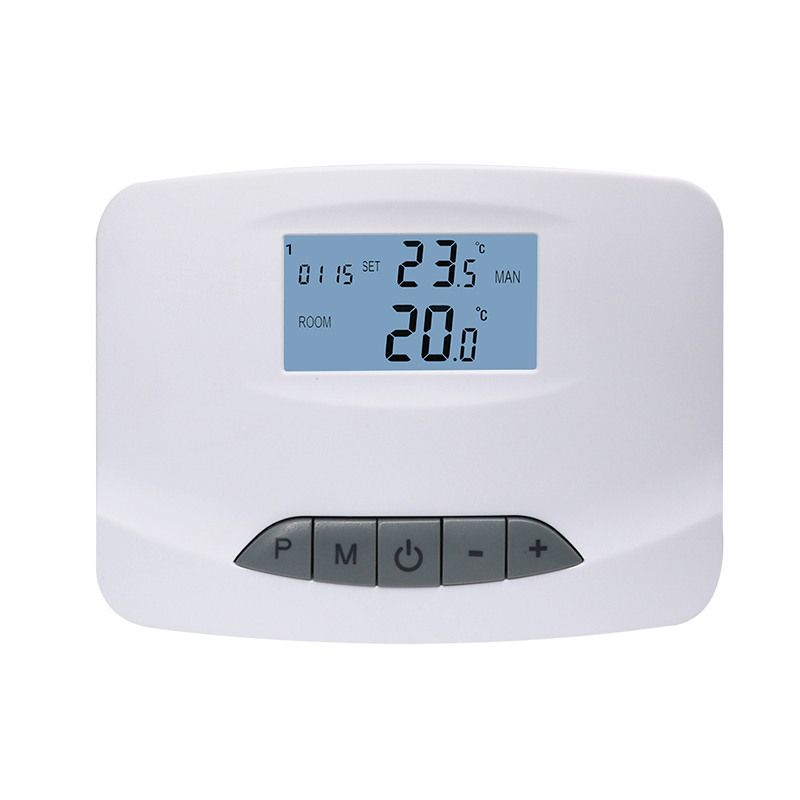
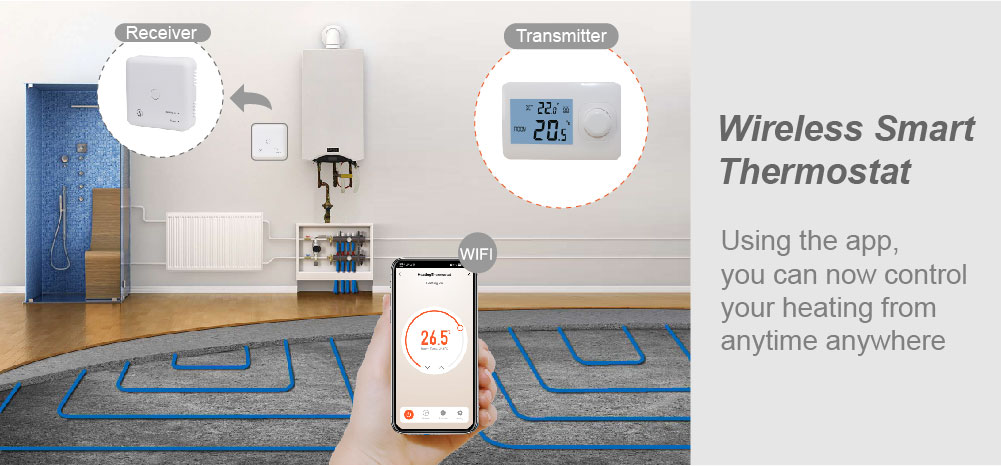
The core function of a boiler thermostat is to achieve closed-loop temperature control. Traditional boilers rely on manual adjustment or simple temperature control devices, making it difficult to accurately match actual heating needs, leading to frequent start-ups and shutdowns or overheating. For example, in residential heating, when the indoor temperature reaches the set value, ordinary boilers may continue burning because they cannot cut off the gas supply in time, resulting in energy waste; in industrial production, if the temperature fluctuates too much during the heating process of a reaction vessel, it not only increases gas consumption but may also affect product quality. Thermostats, on the other hand, use built-in high-precision sensors to monitor water or room temperature in real time, and combined with microprocessor logic, automatically adjust the gas valve opening or burner power. When the temperature approaches the set value, the system reduces the gas supply in advance to avoid overheating; when the temperature drops, it quickly replenishes heat to ensure the temperature remains stable within the optimal range. This dynamic adjustment mechanism ensures the boiler always operates at high efficiency, avoiding unnecessary energy waste.
Practical application data provides strong support for the energy-saving effect of the thermostat. Taking a chain hotel as an example, after installing a dual-function waste heat energy saver (integrated thermostat module) on its 1-ton/hour gas-fired hot water boiler, the monthly gas cost during the winter heating season decreased from 35,000 yuan to 24,000 yuan, a reduction of 31.4%. At the same time, the electricity consumption of the electric auxiliary heating equipment decreased by 40%, further reducing overall energy consumption. During the non-heating season, the boiler thermal efficiency increased from 81% to 92%, and the gas consumption for domestic hot water heating decreased by 25%, resulting in a cumulative energy cost saving of approximately 180,000 yuan per year. Similar cases are also evident in the industrial sector: After installing a finned tube economizer on a 20-ton/hour coal-fired boiler at a chemical plant, the flue gas temperature dropped from 220℃ to 110℃, and the thermal efficiency increased from 72% to 81%. The annual coal savings per boiler reached 1800 tons, resulting in annual fuel cost savings exceeding 800,000 yuan based on the industry average coal price. These data demonstrate that thermostats, by optimizing the combustion process and waste heat recovery, achieve a qualitative leap in energy utilization efficiency.
From a technical perspective, the energy-saving advantage of thermostats stems from their deep application of the laws of thermodynamics. According to the second law of thermodynamics, for every 15-20℃ reduction in boiler flue gas temperature, thermal efficiency can increase by approximately 1%. Traditional boiler flue gas temperatures are generally between 150-250℃, while after installing a thermostat, the flue gas temperature can be reduced to below 100℃, increasing thermal efficiency by 5%-15%. This improvement directly translates into reduced gas consumption: taking home heating as an example, if boiler thermal efficiency increases from 80% to 90%, gas consumption can be reduced by approximately 11% under the same heating demand. Furthermore, thermostats also reduce equipment maintenance costs and the risk of malfunction. High-temperature flue gas can easily lead to corrosion and damage to components such as induced draft fans and heat exchangers, while thermostats extend equipment lifespan by lowering flue gas temperature, further reducing long-term operating costs.
Boiler thermostats are not only carriers of energy-saving technologies but also drivers of the energy revolution. Under the “dual carbon” target, they achieve refined and efficient energy utilization through precise temperature control and intelligent adjustment. For home users, thermostats bring not only lower gas costs but also improved quality of life—stable indoor temperature and instant hot water supply allow for both comfort and energy savings; for industrial enterprises, thermostats become a key tool for cost reduction and efficiency improvement, helping them gain an advantage in fierce market competition. With continuous technological advancements, future thermostats will be deeply integrated with the Internet of Things and artificial intelligence to achieve remote monitoring, adaptive adjustment, and predictive maintenance, further unlocking energy-saving potential. It is foreseeable that boiler thermostats will become an important force in the energy transition, contributing core value to the construction of a green and low-carbon heating system.