
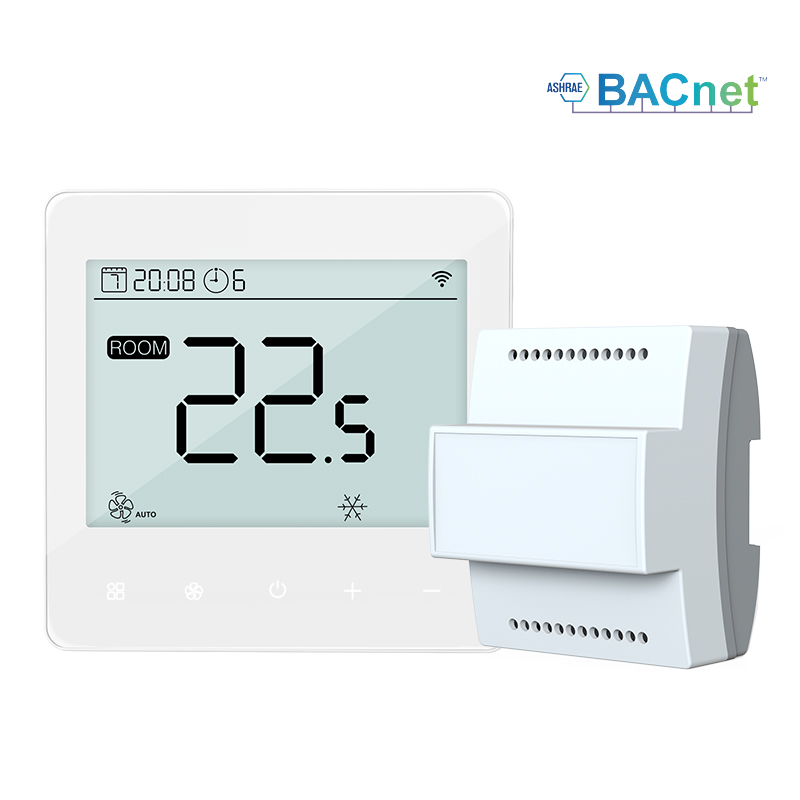
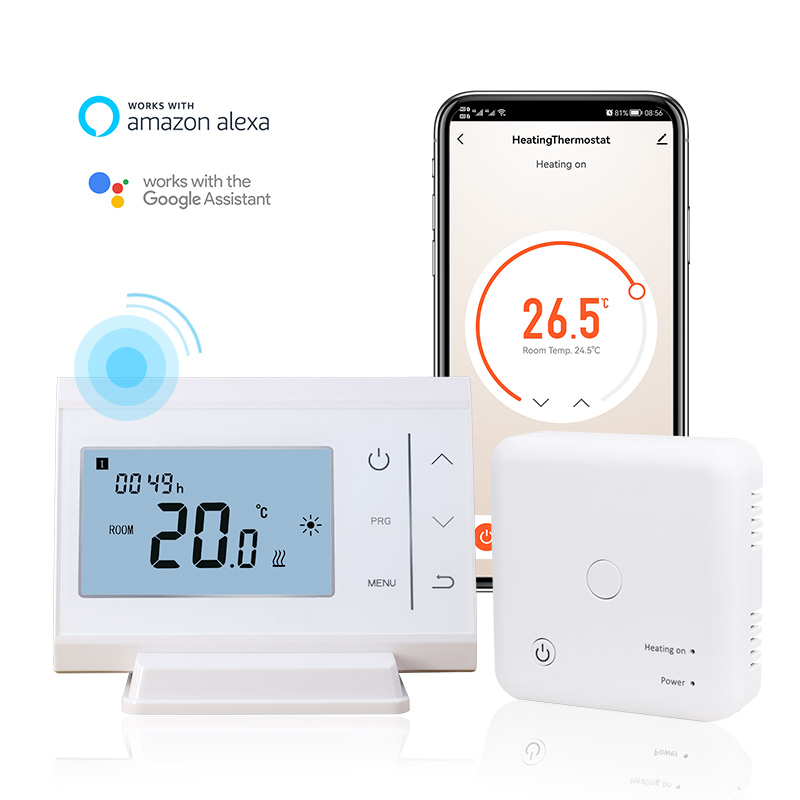
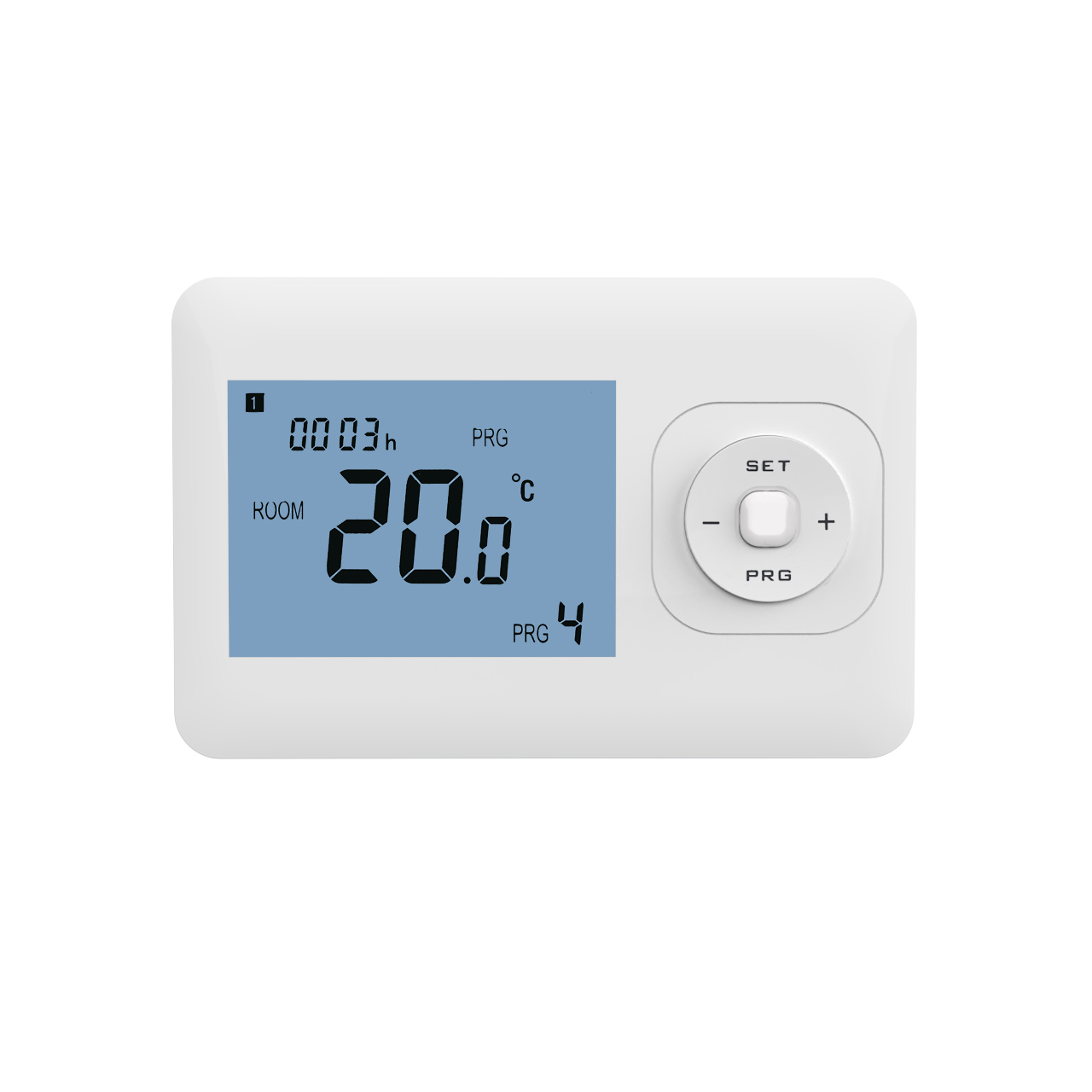
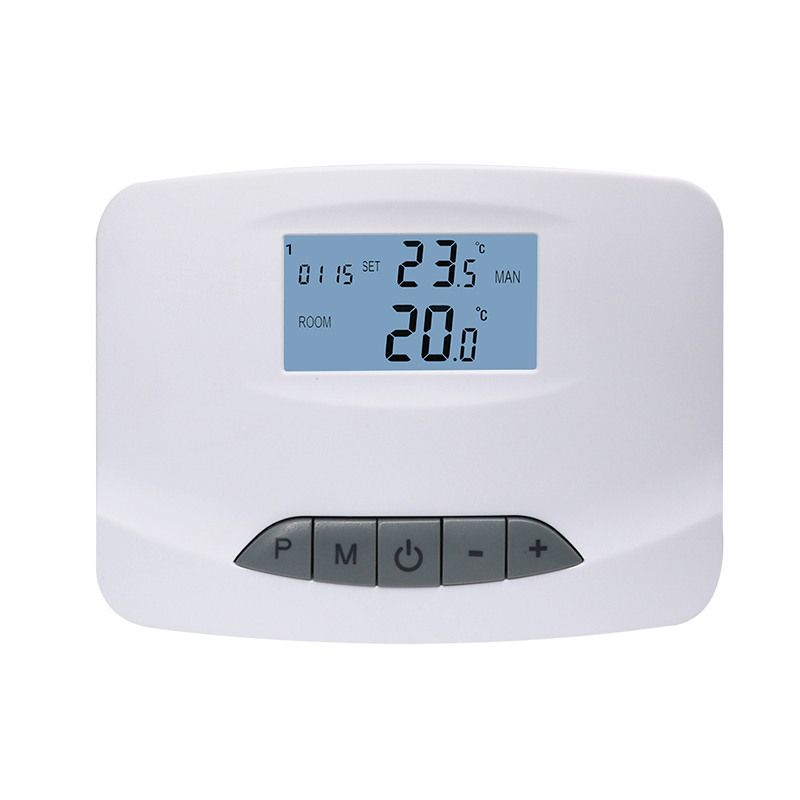
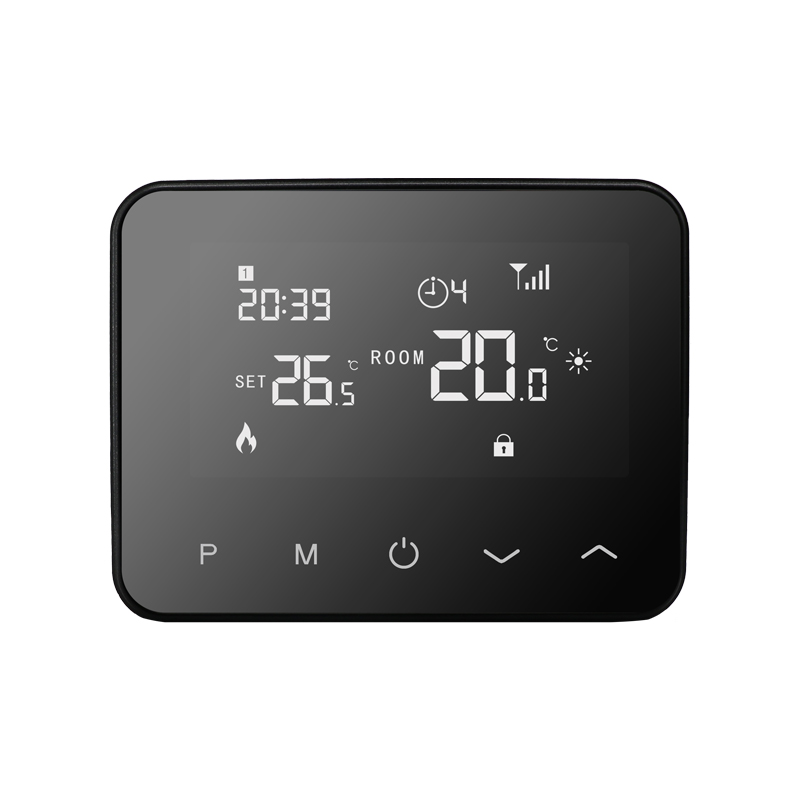
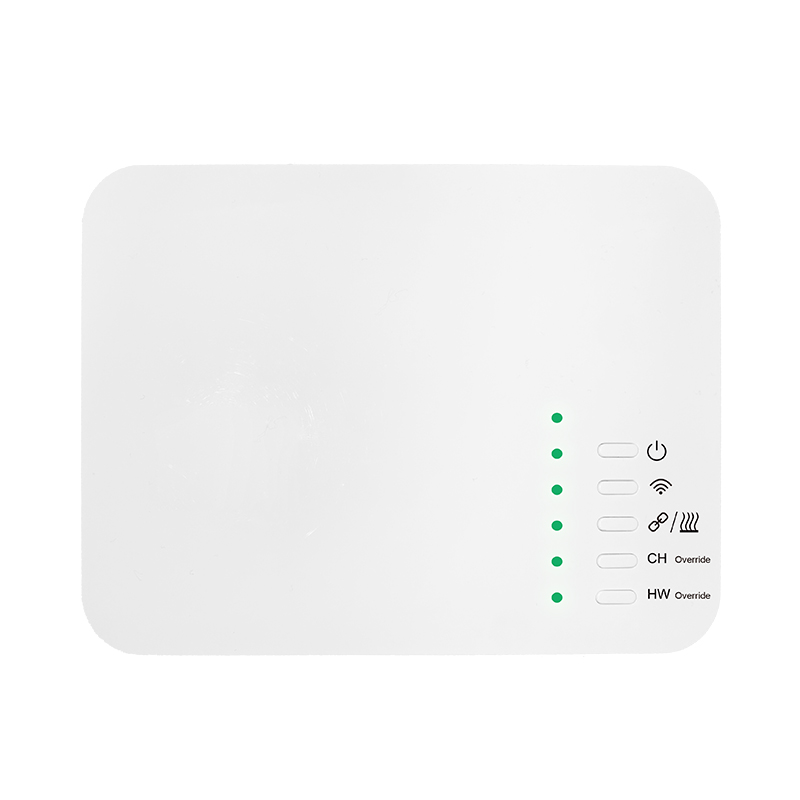
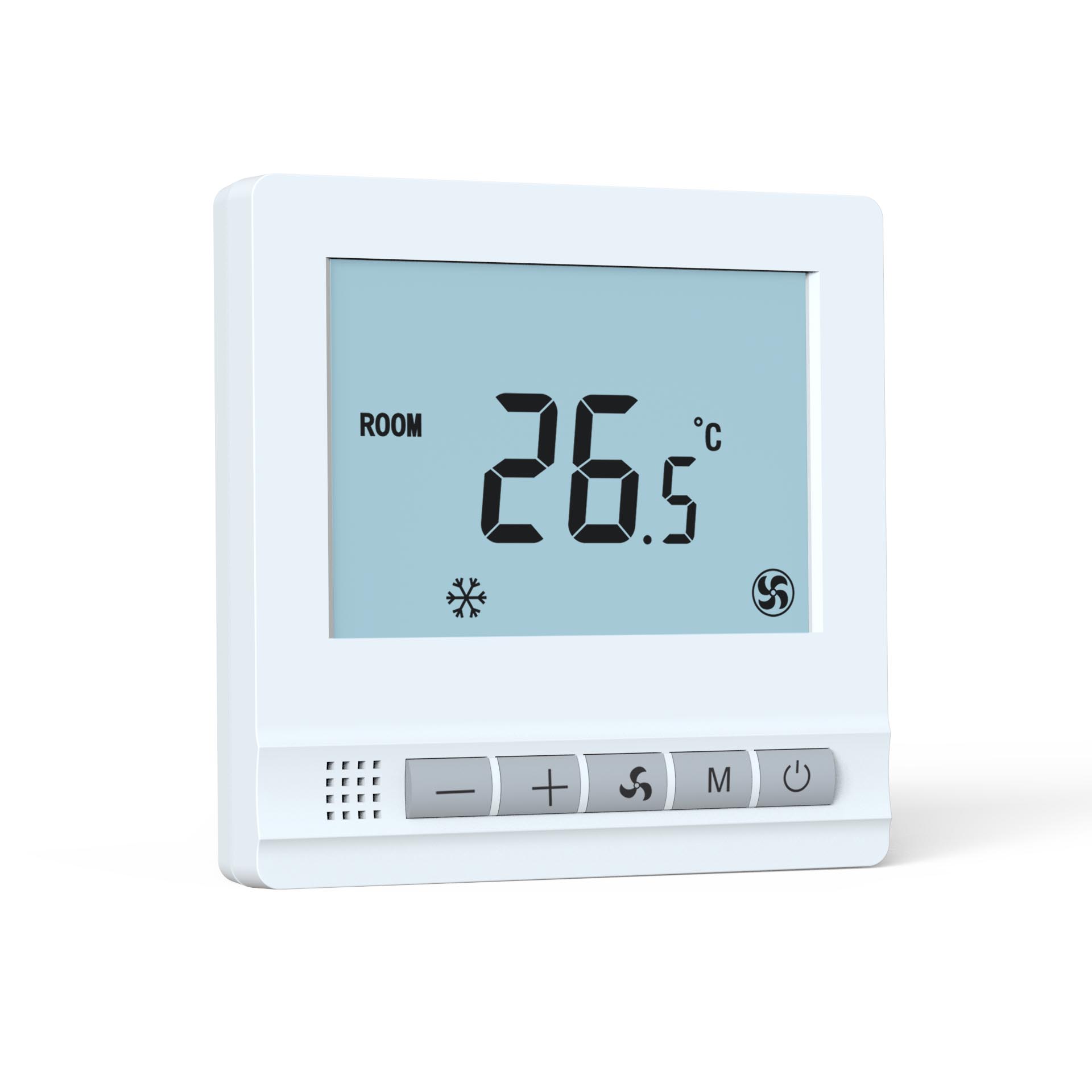
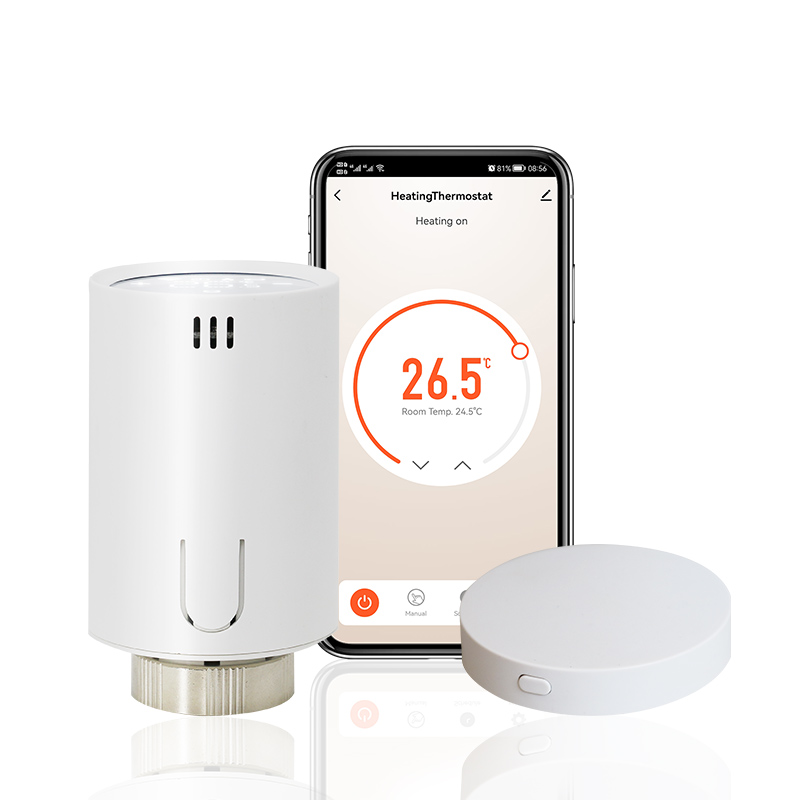
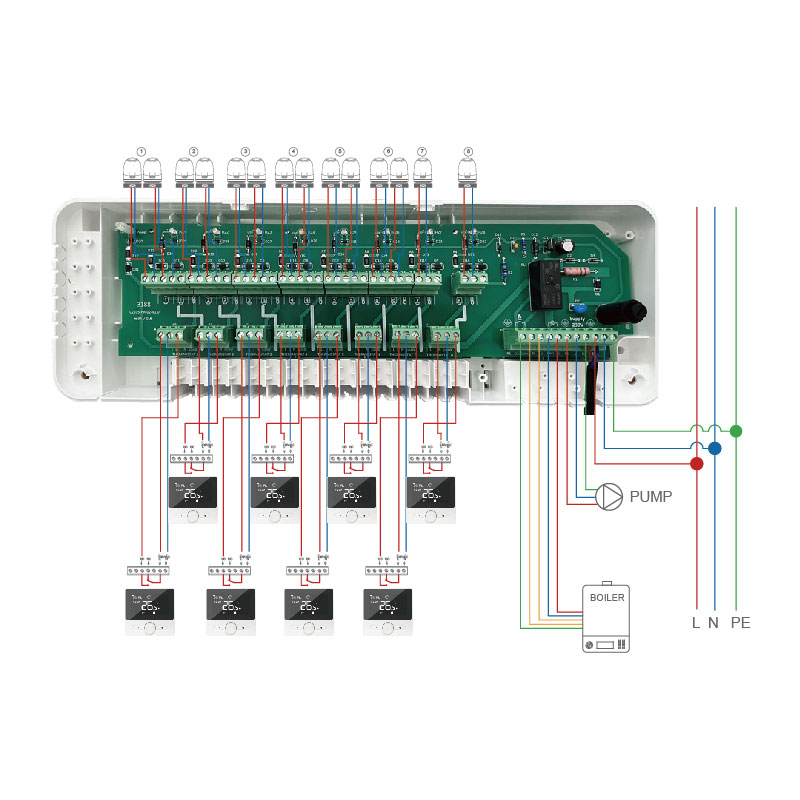
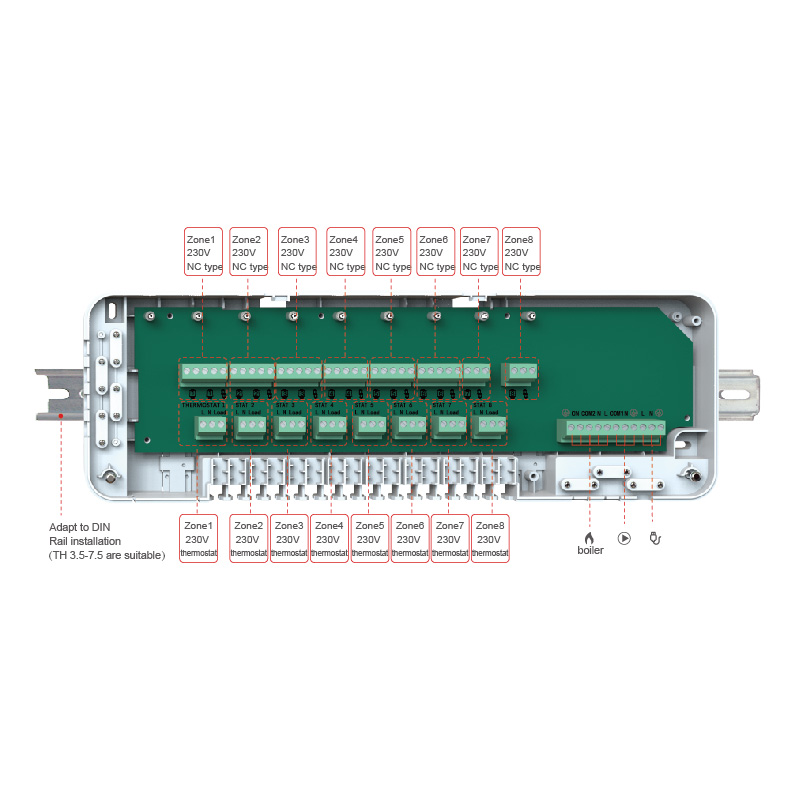
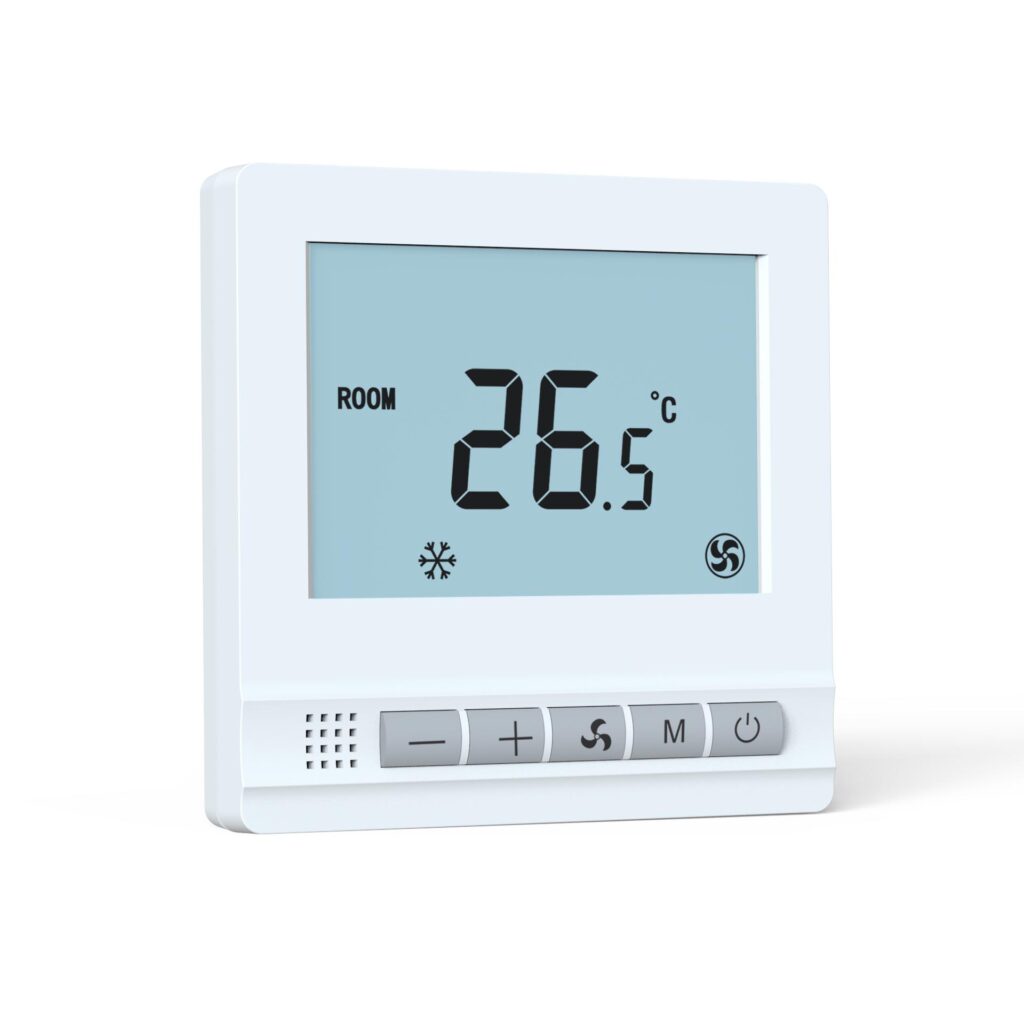
In modern building automation systems, the reliability of fan coil unit thermostats plays a crucial role in overall operation. System failures affect indoor comfort and can lead to additional maintenance costs and energy waste. Digital fan coil unit thermostats, especially those supporting Modbus and BACnet BMS protocols, help reduce system anomalies through unified device management and optimized operating logic. Their precise control and intelligent adjustment make the equipment more stable in long-term operation, thereby reducing the failure rate.
Centralized Management Reduces Operational Conflicts
This determines whether the various components of the system can work in coordination.
- Unified Control of Multiple Devices: Fan coil unit thermostats can be managed uniformly by the BMS system for fans, pumps, and valves, avoiding conflicts caused by individual device operation.
- Zoned Control Prevents Mutual Interference: By controlling different areas independently, even if one part malfunctions, it will not affect the overall operation.
From a management perspective, the combination of centralization and zoning helps reduce the occurrence of failures.
Intelligent Operation Optimization Reduces Operational Errors
A reasonable operating logic can reduce equipment anomalies.
- Automatic Adjustment of Operating Status: The thermostat can automatically start and stop the equipment based on real-time temperature and system requirements, avoiding human error.
- This reduces losses from frequent start-stop cycles and optimizes operation, lowering the risk of failure.
From an operational logic perspective, intelligent control is a crucial means of reducing anomalies.
Easy Maintenance Enhances System Reliability
Good maintenance conditions also reduce the failure rate.
- Rapid Fault Location: Digital thermostats support zoned display and status monitoring, enabling rapid identification of problem areas or equipment.
- Clear Wiring and Standardized Design: Wired control and modular design ensure a clear system structure, reducing failures caused by messy wiring and installation errors.
From a maintenance perspective, this design makes the system more stable.In daily use, fan coil unit thermostats, through centralized management, intelligent operation, and standardized maintenance, make the system more stable and reliable. Digital control reduces human error and allows for rapid response to anomalies, thereby lowering the overall failure rate. For buildings and engineering projects that prioritize stability and efficient management, choosing thermostats that support Modbus/BACnet BMS protocols can improve comfort while ensuring long-term stable operation. This optimization improves system reliability and makes overall maintenance and energy management more effici