
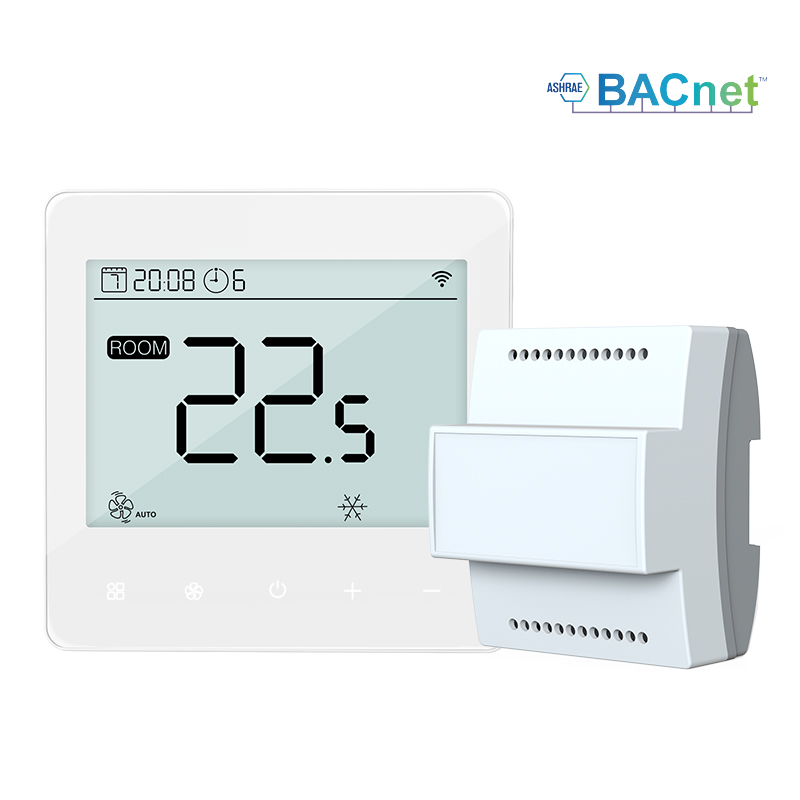
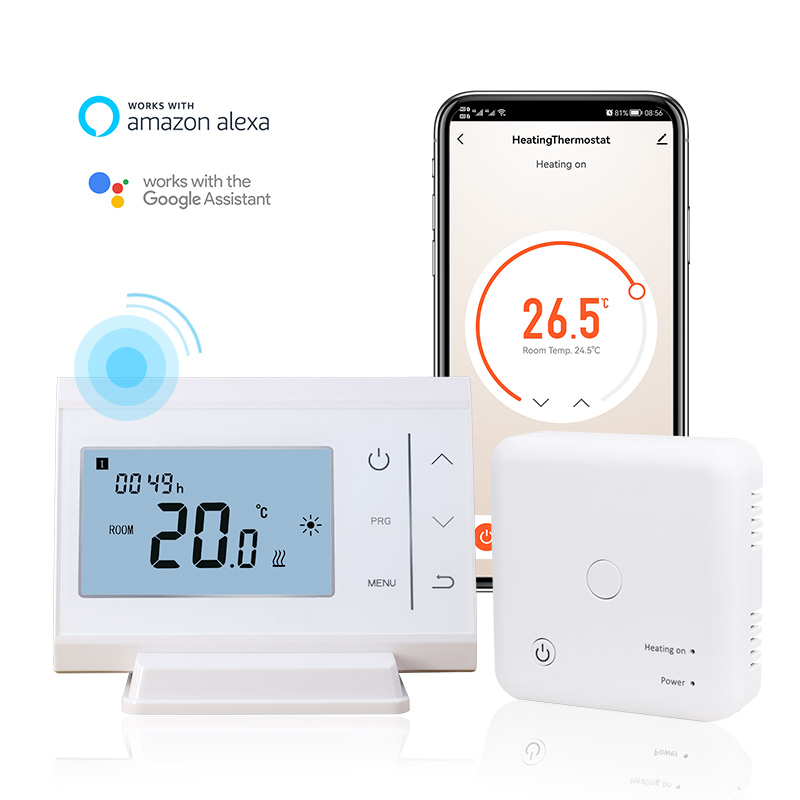
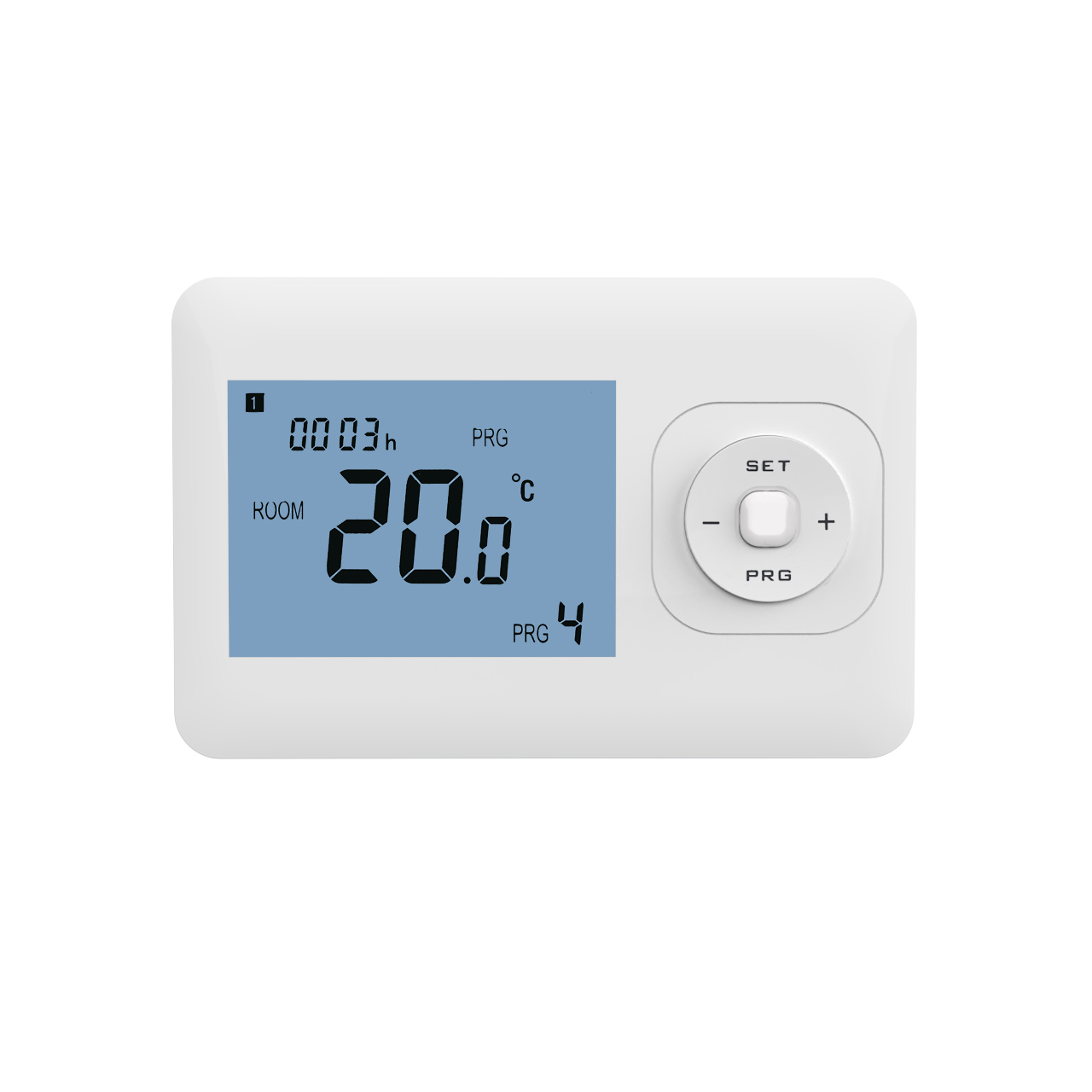
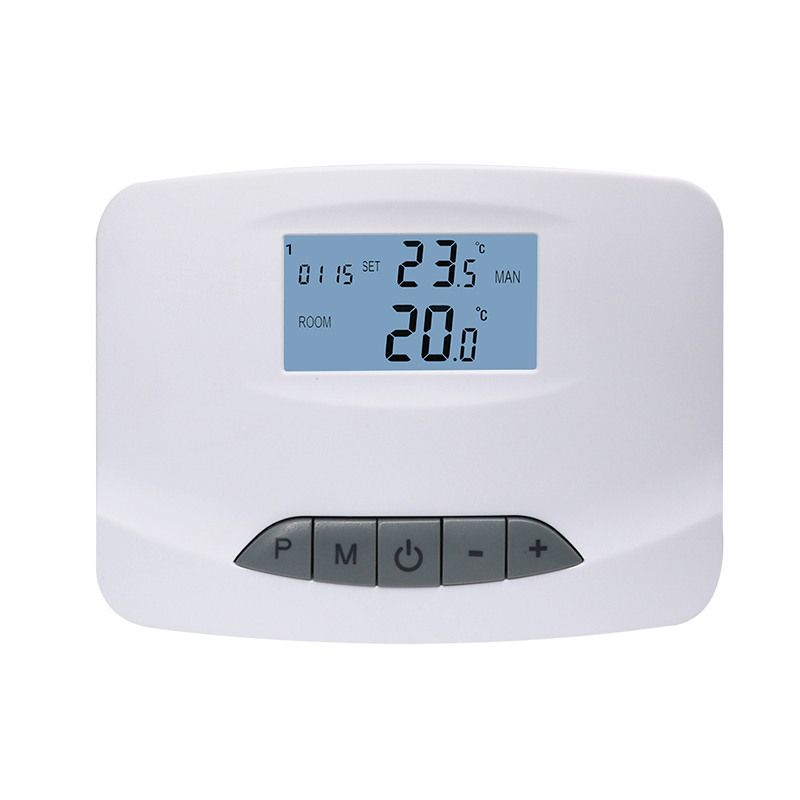
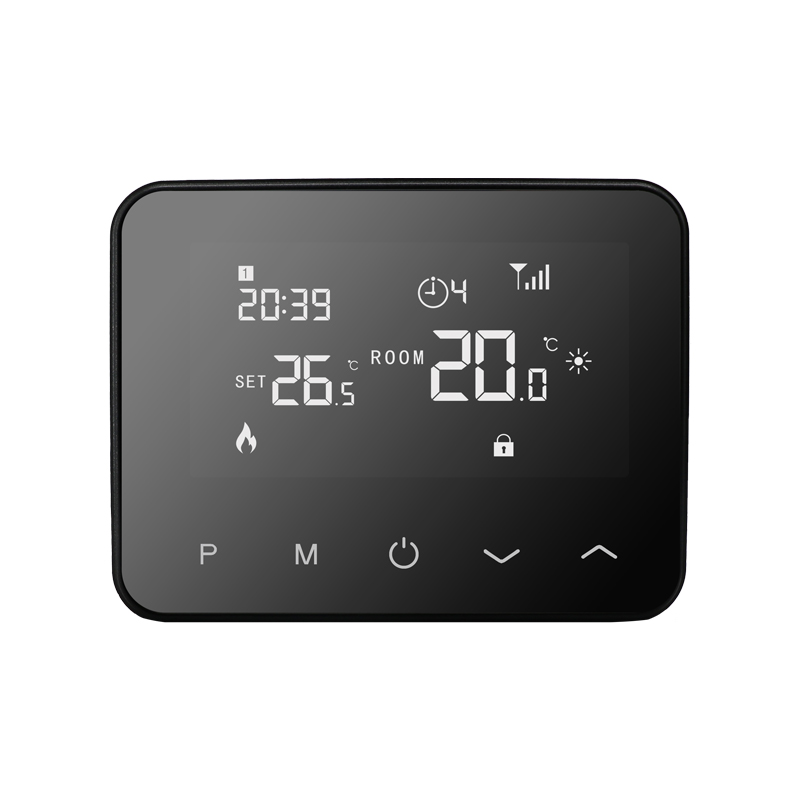
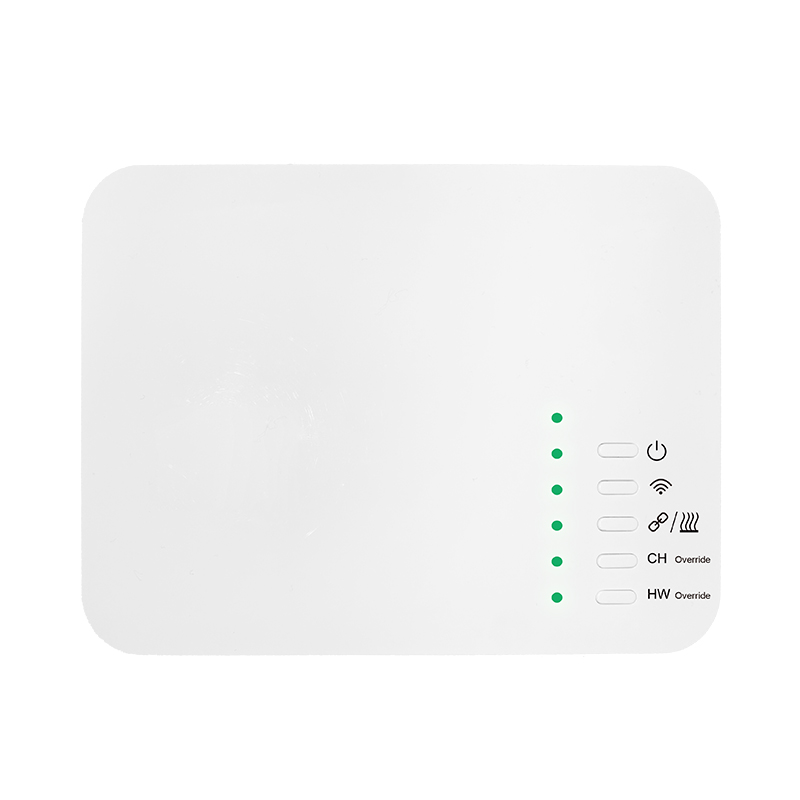
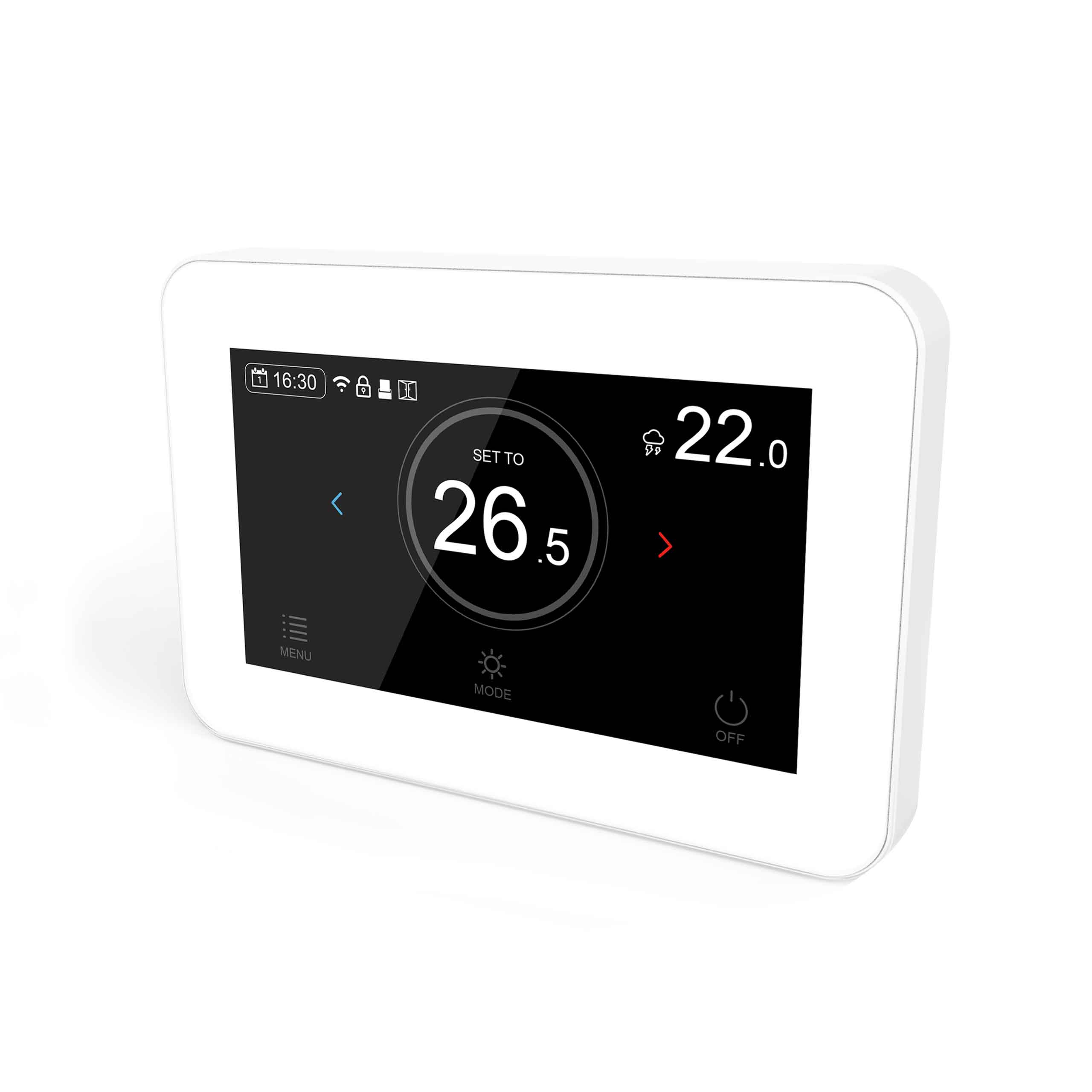
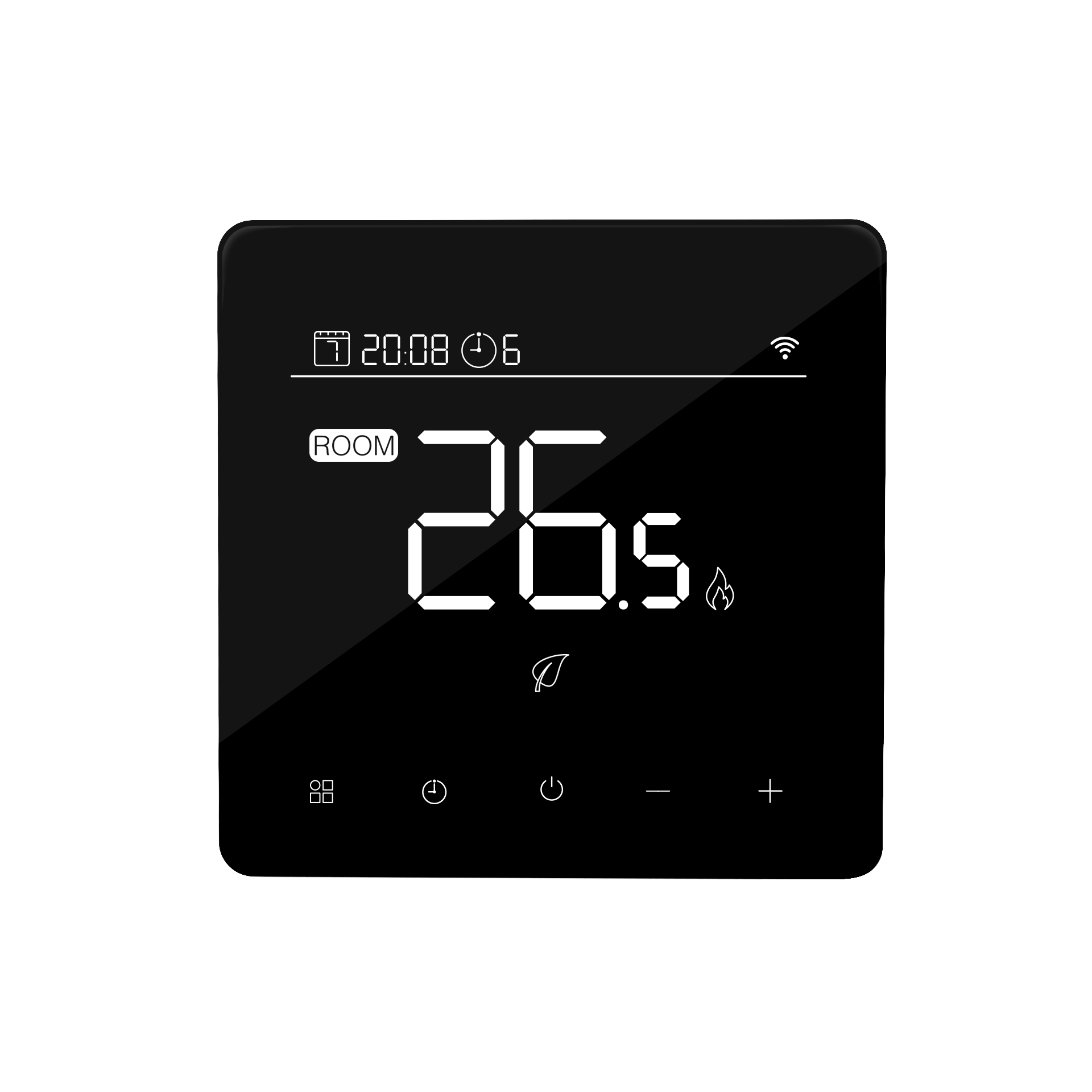
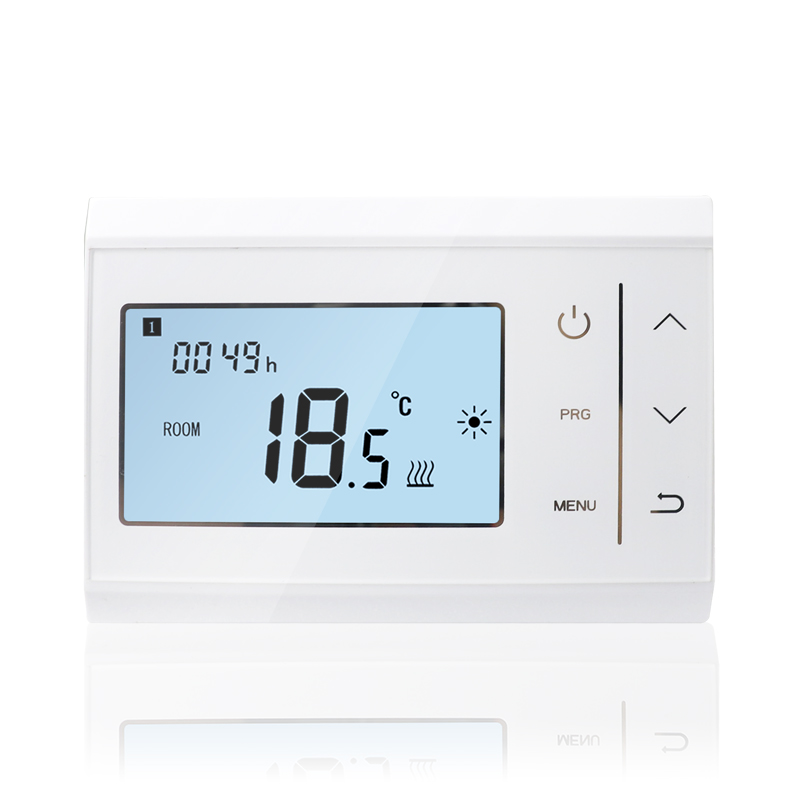
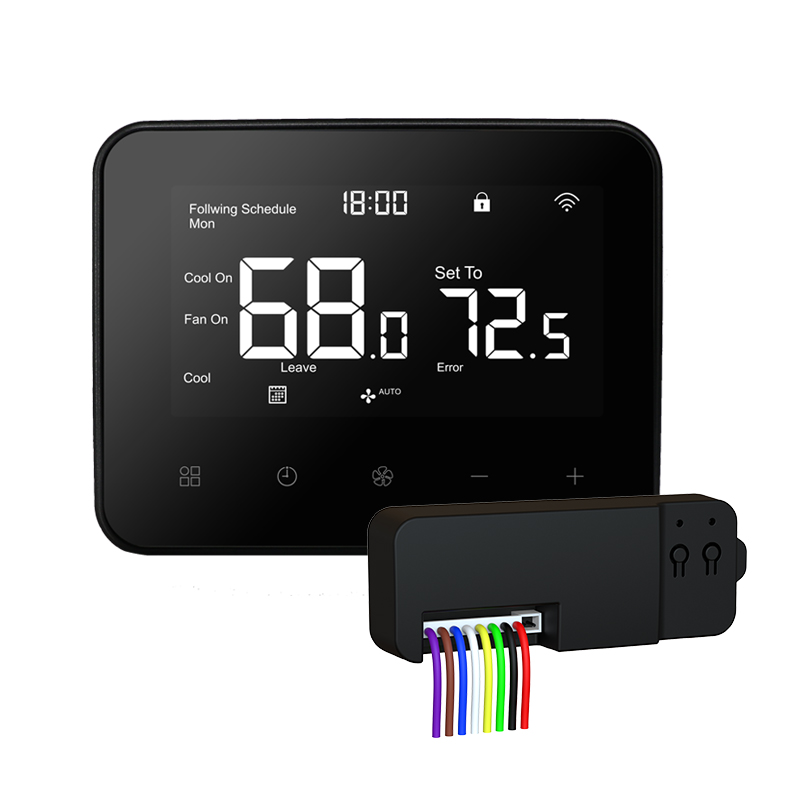

In home heating systems, the choice of temperature control method directly affects comfort and energy efficiency. Traditional thermostats are mostly manually adjustable, which can easily lead to temperature fluctuations or energy waste. Programmable thermostats, through preset operating plans, allow the heating system to operate automatically according to actual living rhythms, making temperature control more rational. For users seeking stable room temperature and energy-saving effects, these devices offer a more scientific solution. By flexibly setting time and temperature, unnecessary operating time is reduced, and the living environment is made more in line with personal habits, thus achieving a better balance between experience and efficiency.
More Rational Time Management
Reasonable time management is one of the important ways to improve heating efficiency.
- Automatic operation by time period: Programmable thermostats can set temperatures according to different time periods, such as using different modes for day and night, reducing ineffective heating.
- Following daily schedules: Users can set operating plans according to their daily routines, allowing the heating system to work when needed and reduce power when not needed.
Scientific time control makes the system operate more rhythmically and avoids unnecessary energy consumption.
More Precise Temperature Control
Stable temperature control directly impacts the heating experience and efficiency.
- More Stable Temperature Control: The device automatically adjusts its operation based on the set temperature, avoiding sudden temperature fluctuations.
- Reduces Overheating: Automatically stops or reduces output when the room temperature reaches the target value, avoiding unnecessary energy consumption.
Precise adjustment makes the indoor environment more comfortable and improves energy efficiency.
More Efficient Energy Utilization
Efficient energy utilization is a key indicator of a heating system’s performance.
- Reduces Ineffective Operation: Preset programs reduce prolonged idling or overheating.
- Optimize Overall Energy Consumption: A reasonable operating strategy reduces energy consumption, thereby reducing operating costs.
The optimized energy consumption structure makes the system more energy-efficient and better suited for long-term use.
More Flexible Operation
A flexible operating experience makes it easier for users to control the heating system.
- Simple and Intuitive Settings: Users can easily set time and temperature without complex operations.
- Supports Multiple Modes: Different operating modes can be selected for different scenarios to meet diverse needs.
The user-friendly operation enhances the experience and makes temperature control management more efficient.
In practical applications, programmable thermostats have transformed traditional heating methods, allowing temperature adjustments to better meet individual needs. By rationally scheduling operating times and temperature ranges, they can reduce energy waste while ensuring comfort, making system operation more orderly. For households, this device improves the living experience and delivers more stable energy consumption over long-term use, making heating management easier and more efficient.