
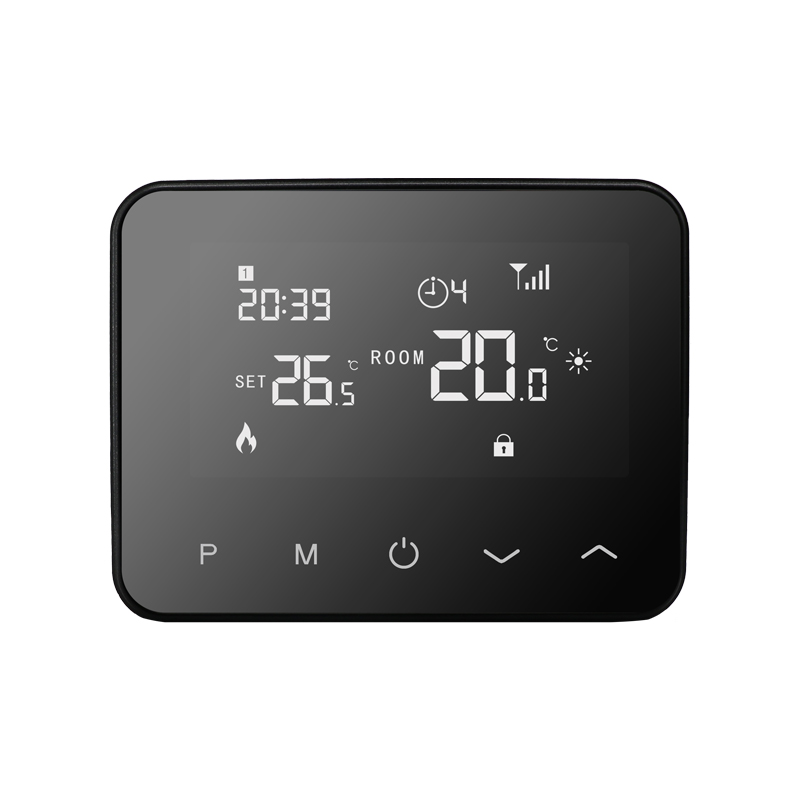
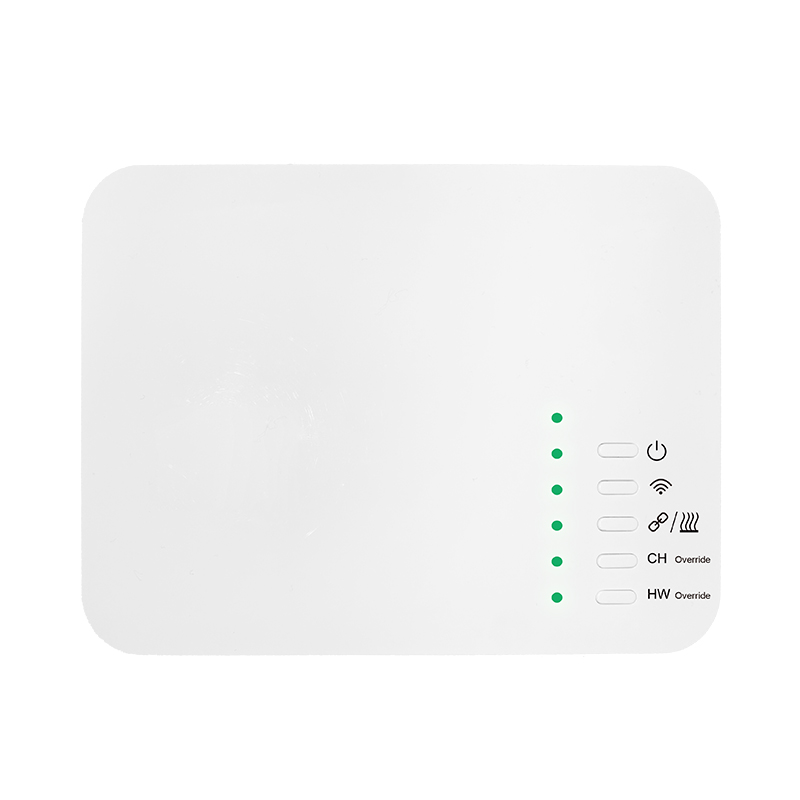
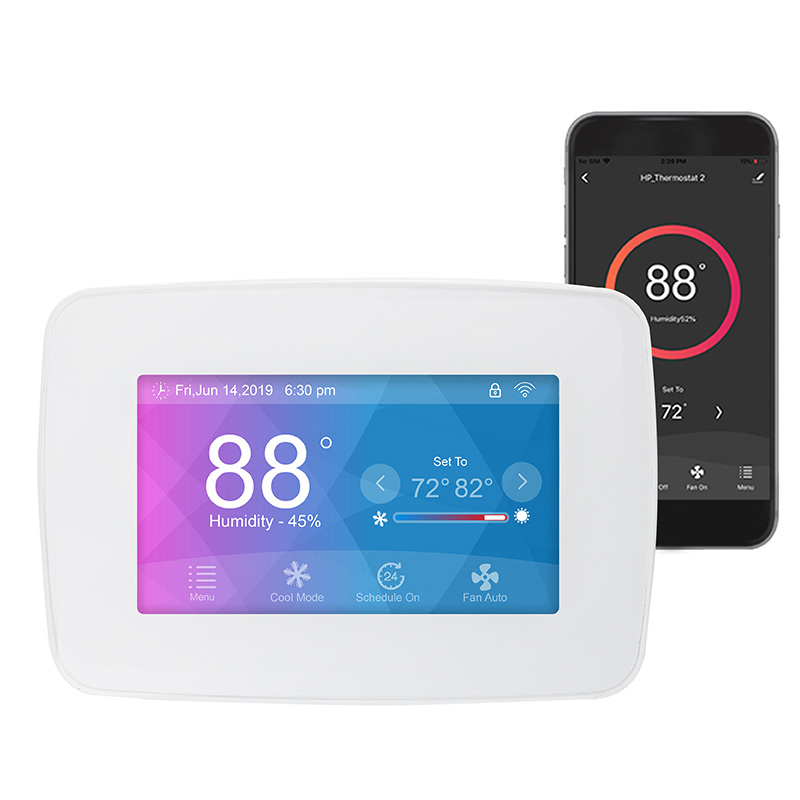
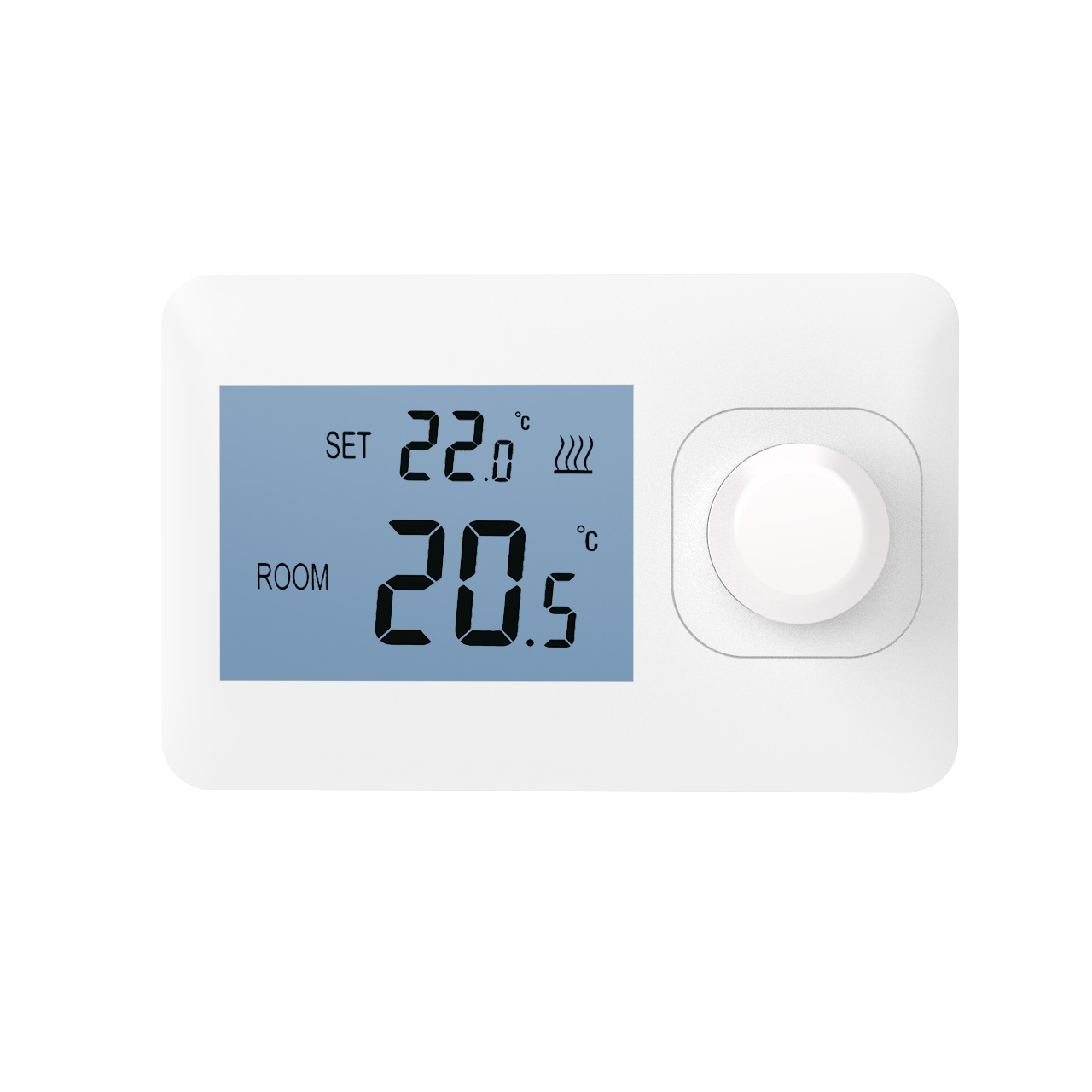
In the depths of winter, the stability and uniformity of the heating system directly impact the living experience. However, traditional heating systems often suffer from significant temperature differences between rooms due to issues with pipe design and water flow distribution—rooms closer to the heat source become overheated and require window ventilation, while rooms at the far end are too cold and require additional heating. This uneven heating not only reduces comfort but also wastes energy. The widespread adoption of thermostatic radiator valves provides an efficient solution to this problem, becoming an indispensable “smart regulator” in modern heating systems.

The Root Cause of Uneven Heating: Hydraulic Imbalance and Waste of Free Heat
The core contradiction in traditional heating systems lies in “hydraulic imbalance.” Due to differences in pipe length, number of bends, and radiator resistance, water flows preferentially to areas with lower resistance, resulting in overheated rooms near the source and insufficient heating in rooms further away. For example, in a two-pipe parallel system, without a regulating device, radiators near the source may frequently reach the set temperature due to excessive water flow, while radiators at the far end may fail to heat up due to insufficient flow. Furthermore, traditional systems cannot utilize “free heat”—heat generated by sunlight, human activity, and electrical appliance heat dissipation is ignored, and the system still supplies heat at a fixed flow rate, further exacerbating energy waste.
Thermostatic Valve Regulation Logic: Precise Sensing and Dynamic Balance
The core of a thermostatic radiator valve lies in its “self-regulating” adjustment capability. A built-in temperature sensor (usually filled with a liquid temperature-sensing medium) senses the ambient temperature in real time and drives the valve core to move through the principle of thermal expansion and contraction. When the room temperature is higher than the set value, the temperature sensor expands, pushing the valve stem to close the valve and reduce the hot water flow; when the room temperature is lower than the set value, the temperature sensor contracts, the spring returns to its original position, and the valve opens wider, increasing the heat supply. This process requires no manual intervention, and the adjustment ratio (temperature fluctuation range) is usually controlled within 0.5℃-2.0℃ to ensure a constant room temperature.
More importantly, the thermostatic valve can solve hydraulic imbalances through “flow redistribution.” In a two-pipe system, a high-resistance thermostatic valve can adjust its opening according to actual needs, balancing the flow rate between the near and far radiators. For example, when the near-end room reaches the set temperature, the thermostatic valve automatically closes, forcing more hot water to flow to the far-end rooms that haven’t reached the set temperature, thus achieving uniform temperature throughout the house. For single-pipe systems with bypass pipes, low-resistance thermostatic valves, in conjunction with three-way valves, ensure that the flow rate into the radiators and the bypass pipe is distributed as needed, avoiding extreme situations like “all open when one is open, all closed when one is closed.”
A Win-Win for Energy Saving and Comfort: The Value of Thermostatic Valves as Seen Through Data
The energy-saving effect of thermostatic valves has been verified through extensive practical experience. Taking the German Danfoss thermostatic valve as an example, it can save 15%-40% on gas costs in a heating season. If the monthly gas bill is 1200 yuan, 900 yuan can be saved in 3 months. The principle is that when the room temperature reaches the set point, the thermostatic valve reduces the hot water supply and instead uses free heat to maintain the temperature. For example, during the day when there is plenty of sunshine, the thermostatic valve can automatically close or even shut off to avoid overheating; at night or on cloudy days, it gradually opens the valve according to the temperature drop to ensure comfort. This “on-demand heating” mode ensures a high degree of match between system energy consumption and actual demand, completely eliminating the contradiction between “overheating waste” and “insufficient heating.”
From a comfort perspective, the thermostatic valve supports personalized temperature settings. Users can adjust the valve scale according to the room’s purpose: setting the bedroom to level 3 (around 20℃) ensures sleep quality, the living room to level 4 (around 24℃) meets activity needs, and rooms that are unoccupied for extended periods are set to the snowflake setting (8℃ for freeze protection). This flexible adjustment not only enhances the living experience but also reduces energy waste by avoiding “one-size-fits-all” heating.
Installation and Selection: Details Determine Thermostatic Valve Efficiency
The effectiveness of a thermostatic valve depends on proper installation and selection. First, the thermostat bulb must be placed in a well-ventilated, unobstructed location. Built-in thermostat bulbs must be installed horizontally to avoid sensing errors. If the radiator is obstructed by curtains or furniture, an external thermostat bulb should be used, connected to the main valve body via a capillary tube. Second, the system design must consider the valve authority (the ratio of the thermostatic valve resistance to the branch system resistance), which is generally recommended to be controlled at around 50% to ensure adjustment sensitivity. In addition, in areas with poor water quality, filters should be installed before the thermostatic valve to prevent impurities from clogging the valve core; systems with excessive pressure differentials require differential pressure control valves to prevent noise or unstable regulation caused by overpressure.
Regarding selection, high-resistance two-way thermostatic valves should be used for dual-pipe systems, while low-resistance two-way or three-way valves are preferred for single-pipe systems. For large commercial buildings, intelligent thermostatic valves with preset functions can be selected, enabling zoned temperature management through remote control and further improving energy efficiency.
In the wave of heating system upgrades, radiator thermostatic valves have transformed from “optional accessories” to “standard components.” With precise temperature control, dynamic hydraulic balance, and significant energy-saving effects, they redefine the comfort standard of modern heating. For users pursuing a quality life, installing thermostatic valves is not only an investment to improve the living experience but also a proactive response to energy efficiency and environmental protection. Choosing a reliable and properly installed thermostatic valve allows warmth to flow evenly to every corner, making the most of every degree of heat in winter—this is the wisdom and warmth that thermostatic valves bring to the heating system.