
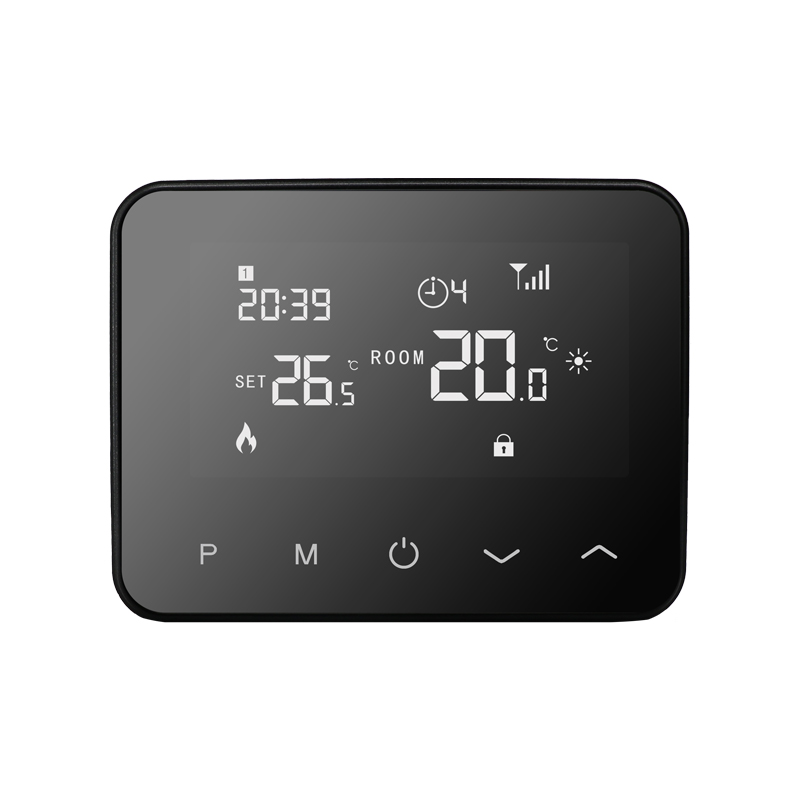
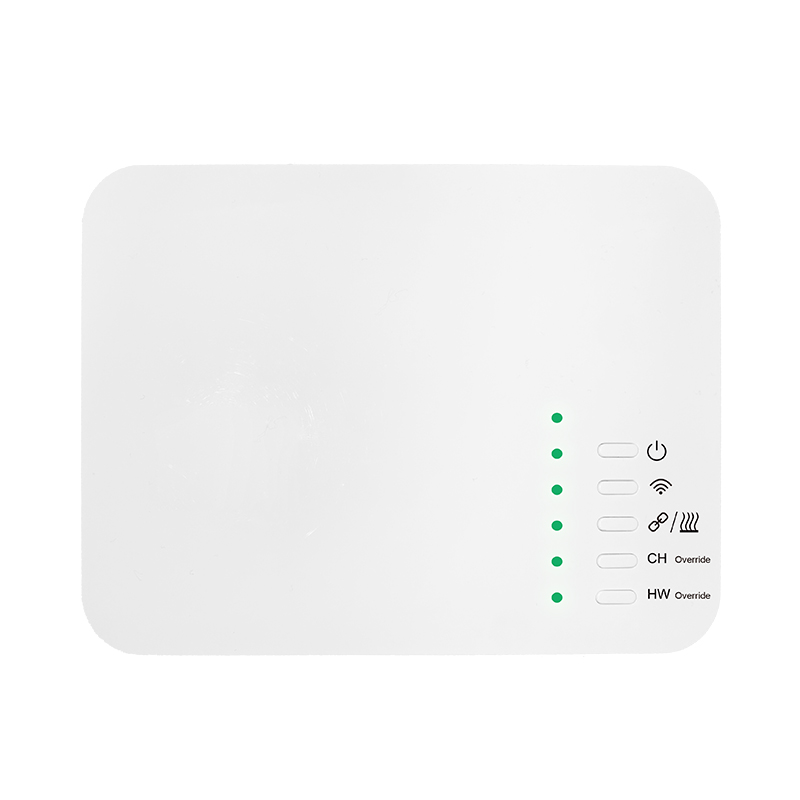
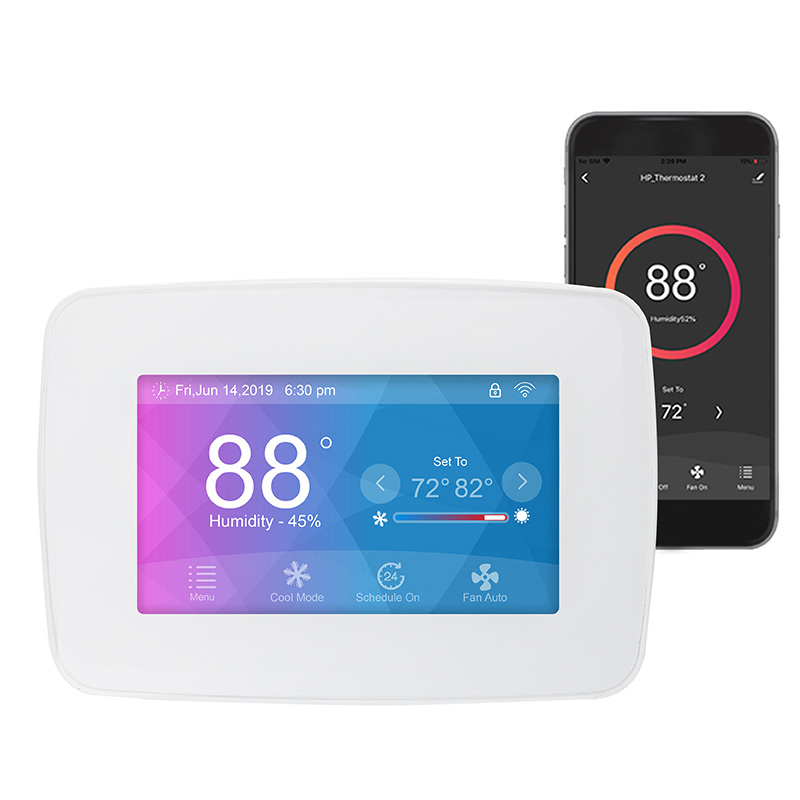
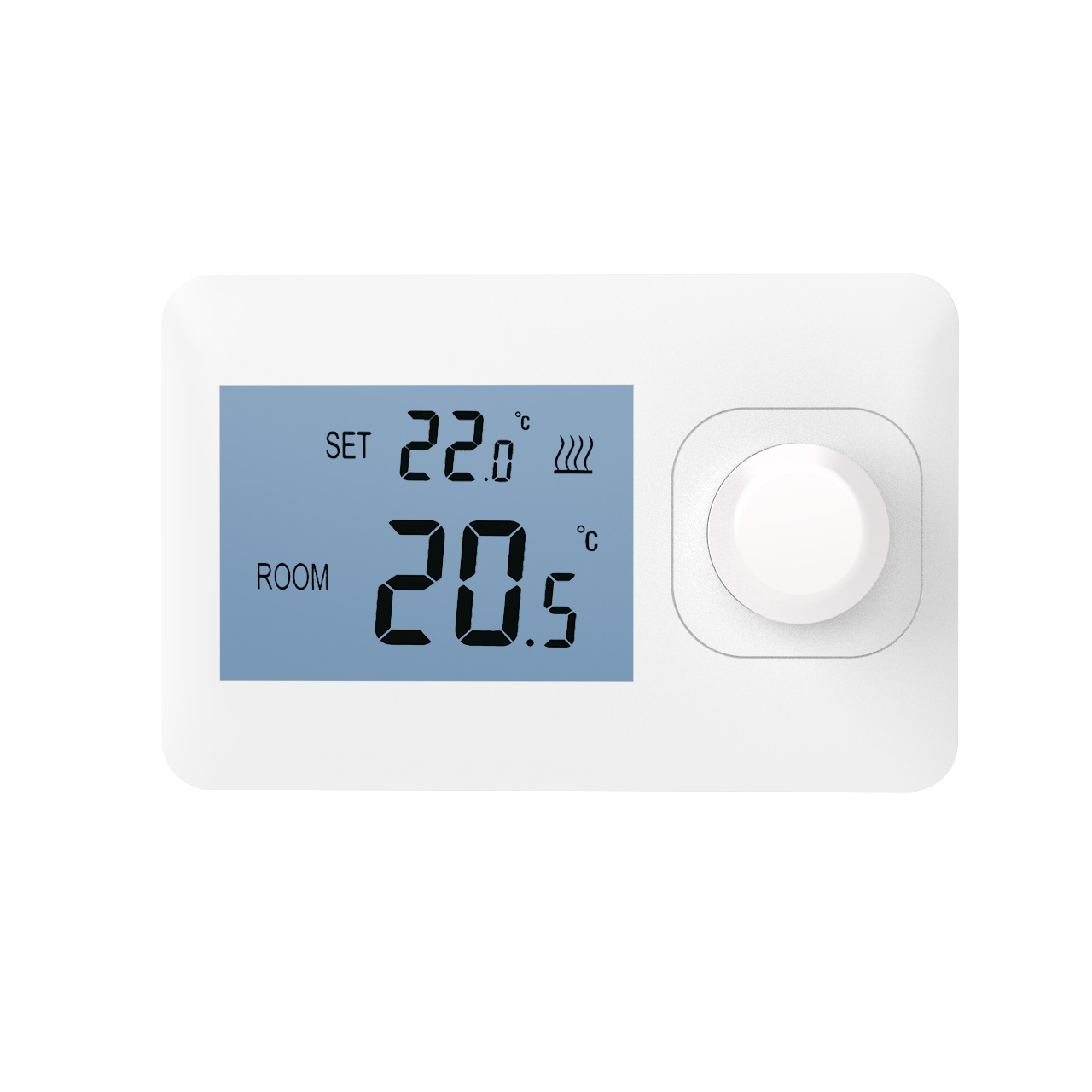
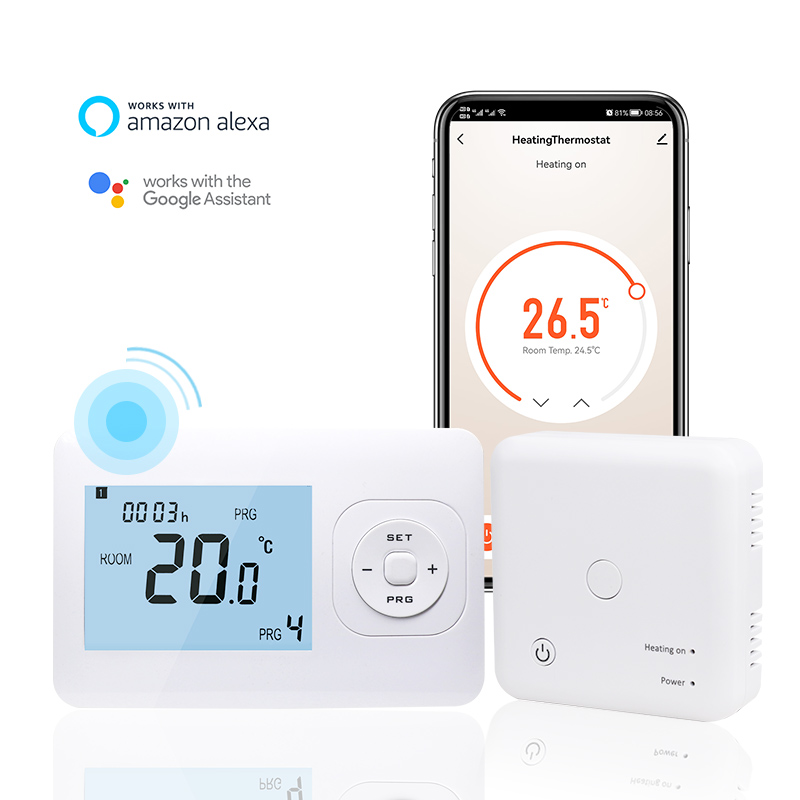
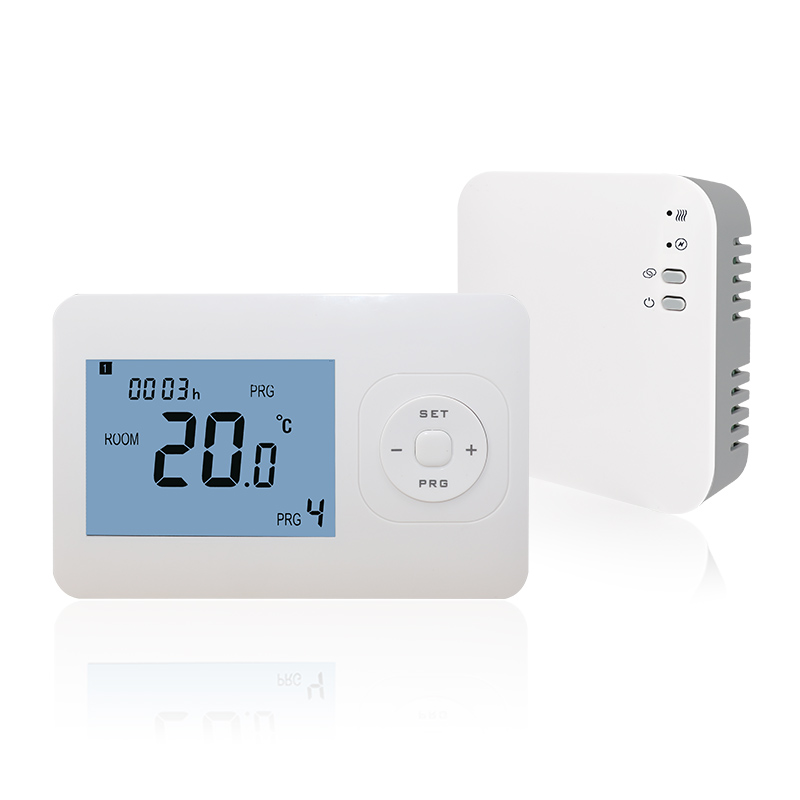
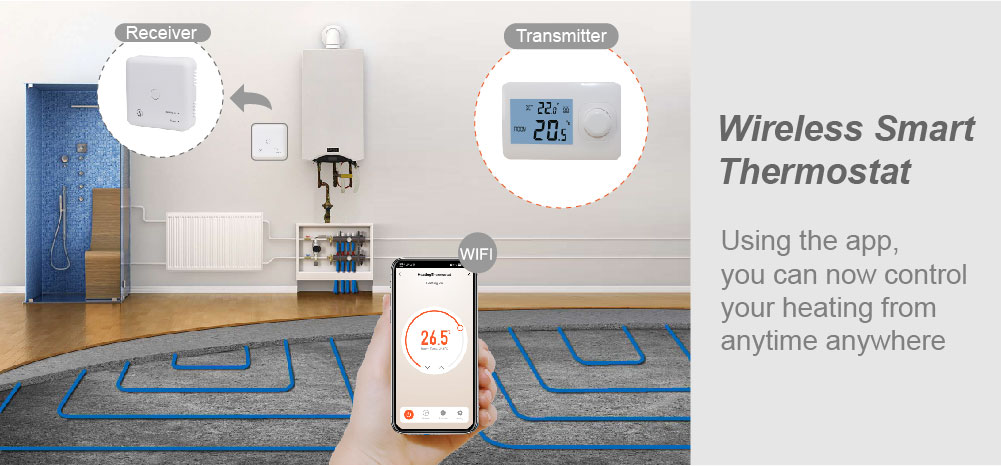
Driven by the smart home trend, wireless thermostats have gradually become a popular choice for home heating systems due to their convenient installation and remote control capabilities. However, many users have questions when purchasing: can wireless thermostats seamlessly connect to any type of boiler? The answer to this question is not a simple yes or no, but requires a comprehensive evaluation from multiple dimensions, including device interface standards, communication protocols, and power matching. This article will systematically analyze the compatibility logic between wireless thermostats and boilers through technical principles and practical examples to help users make informed decisions.

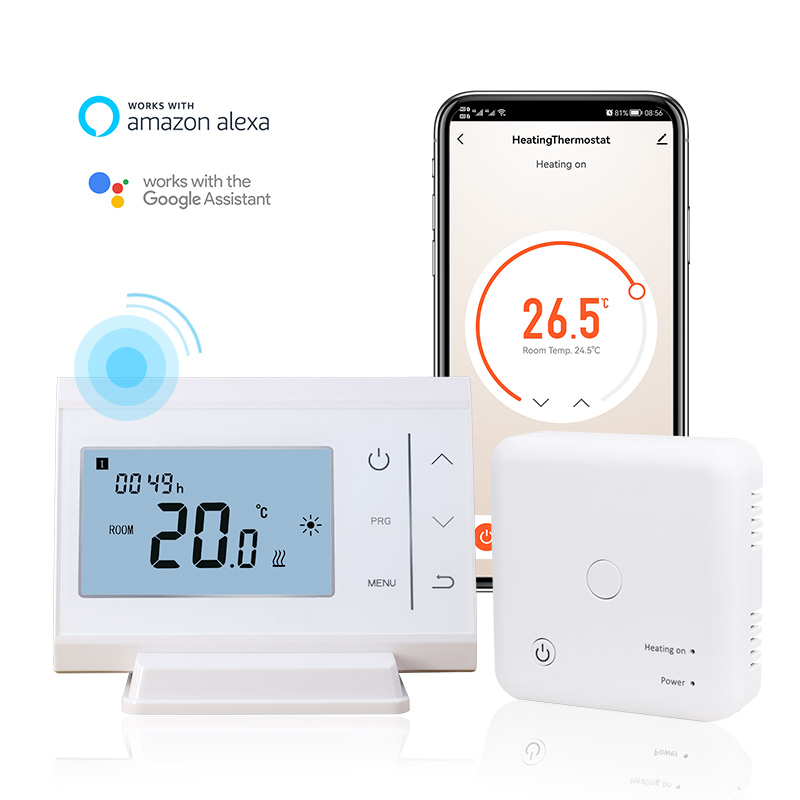
The core advantage of wireless thermostats lies in eliminating the wiring limitations of traditional wired devices, communicating with the boiler control module via wireless signals (such as Wi-Fi, Zigbee, and Bluetooth). Its working principle can be broken down into three stages: “signal acquisition – data transmission – command execution”: a temperature sensor monitors the ambient temperature in real time, the microprocessor encodes the data into a specific protocol format, and then sends it to the boiler receiver via the wireless module. Finally, the boiler’s main control board parses the commands and adjusts the heating power. In this process, the compatibility of the communication protocol directly determines whether the devices can “communicate.” For example, wireless thermostats using the OpenTherm protocol can communicate bidirectionally with boilers that support this standard, sending start/stop commands and acquiring data such as boiler operating status and fault codes; devices that only support simple on/off signals cannot achieve such advanced functions.
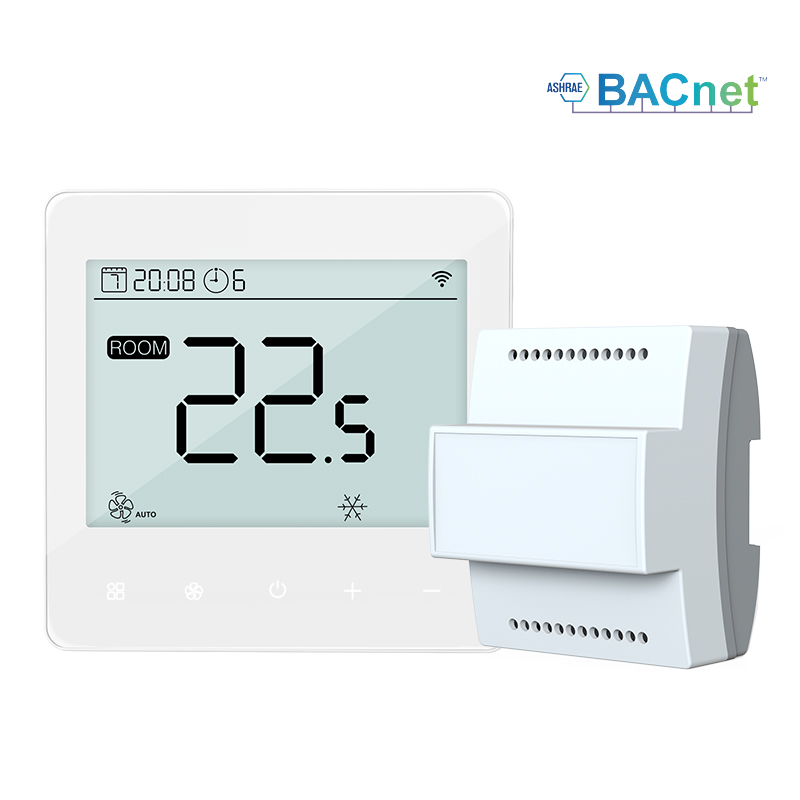
The boiler’s interface type is the primary hurdle for compatibility. Traditional boilers are typically equipped with mechanical temperature control interfaces or dry contact control terminals. These devices can only recognize basic on/off signals, therefore a wireless thermostat supporting relay output must be selected. Taking a basic wireless thermostat from a certain brand as an example, it simulates the on/off action of a traditional thermostat through a built-in relay, making it compatible with over 80% of older boilers, but it cannot achieve temperature curve adjustment or energy-saving mode switching. Modern intelligent boilers are generally equipped with RS485, CAN bus, or dedicated communication interfaces, supporting industrial protocols such as Modbus and BACnet. In this case, a wireless gateway with a matching protocol must be selected, or the same brand’s equipment must be purchased directly. For example, a certain international brand’s whole-house heating system uses a wireless thermostat that communicates with the boiler via a proprietary protocol, enabling 12 linked functions such as time-based temperature control and anti-freeze protection. However, this is limited to use between devices from this brand.
Power matching and safety certification are equally crucial. The relay load capacity of the wireless thermostat must match the boiler’s heating power. For example, when controlling a 24kW wall-mounted boiler, a thermostat with a contact capacity ≥30A should be selected to avoid contact erosion due to current overload. Furthermore, the device must pass safety certifications such as CE and UL to ensure stable operation under extreme environments such as electromagnetic interference and overvoltage. One user attempted to connect an uncertified wireless thermostat to an imported boiler, resulting in frequent boiler restarts due to protocol conflicts. The problem was resolved by replacing it with an original manufacturer’s part. This case highlights the importance of choosing products from reputable brands—mainstream manufacturers usually clearly list compatible boiler models in their product specifications and provide technical support.
In actual installation, users can verify compatibility using a three-step method: First, confirm the boiler control interface type (mechanical switch/digital interface); second, review the wireless thermostat’s technical parameters, focusing on verifying the communication protocol and load capacity; third, conduct a small-scale test to observe whether the device can communicate stably and operate without errors. For retrofitting older boilers, a protocol converter can be considered, such as converting Modbus signals to dry contact signals, to expand device compatibility. A case study from an HVAC company shows that by installing smart gateways on 200 old boilers, a successful wireless thermostat upgrade was achieved, resulting in an average 18% reduction in the customer’s winter heating energy consumption.
Wireless thermostats are not “universal adapters.” Their compatibility depends on multiple factors, including boiler interface standards, communication protocols, and power parameters. Before purchasing, users need to specify the boiler model and control method, prioritizing products with compatible protocols, sufficient load capacity, and safety certifications. With the improvement of the smart home ecosystem, some manufacturers have launched cross-brand compatible solutions, but the maturity of these technologies still needs to be tested by the market. For users prioritizing stability, choosing a wireless temperature control system from the same brand remains the optimal solution. However, for scenarios with limited budgets or newer equipment models, flexible deployment of wireless temperature control can be achieved through professional evaluation and protocol conversion. Regardless of the solution, scientifically matching equipment parameters and strictly adhering to installation specifications are the core principles for ensuring long-term stable system operation.