
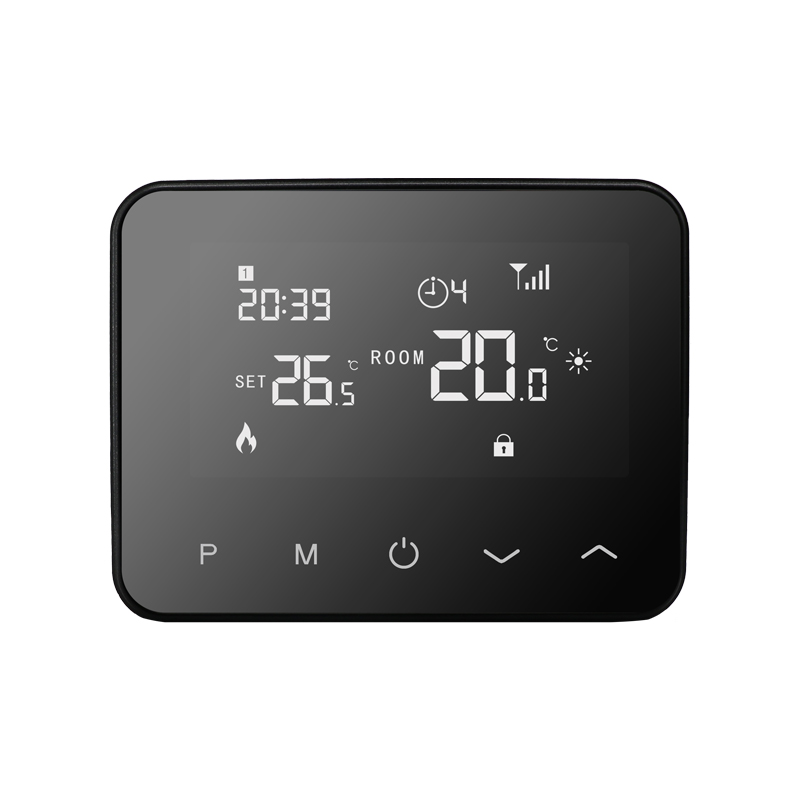
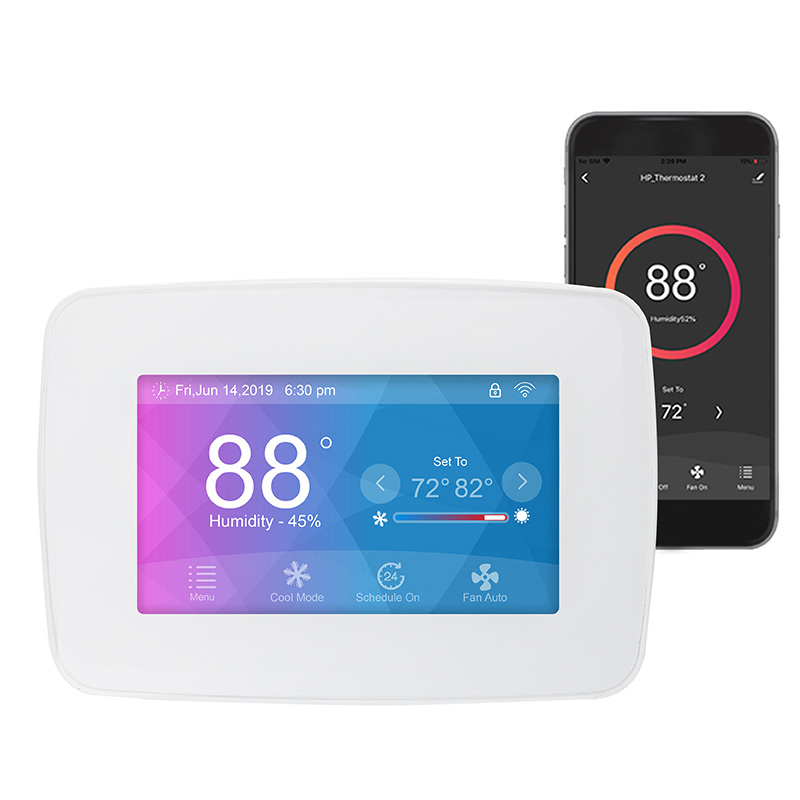
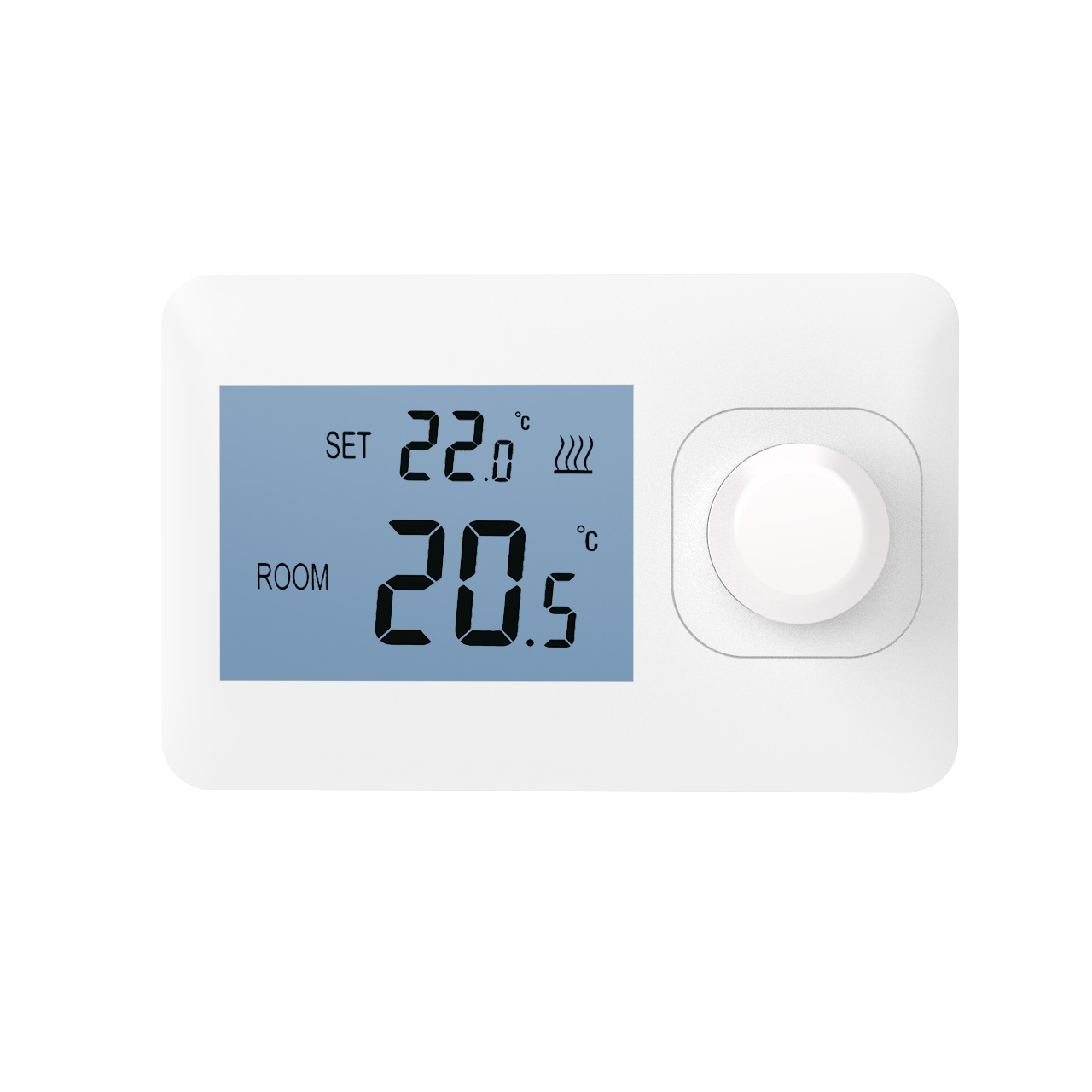
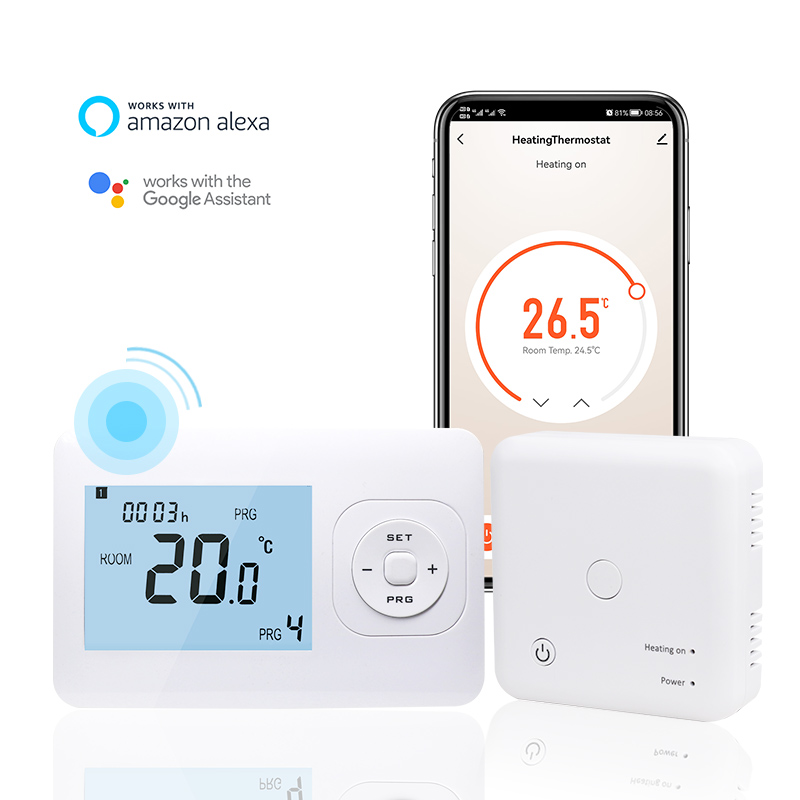
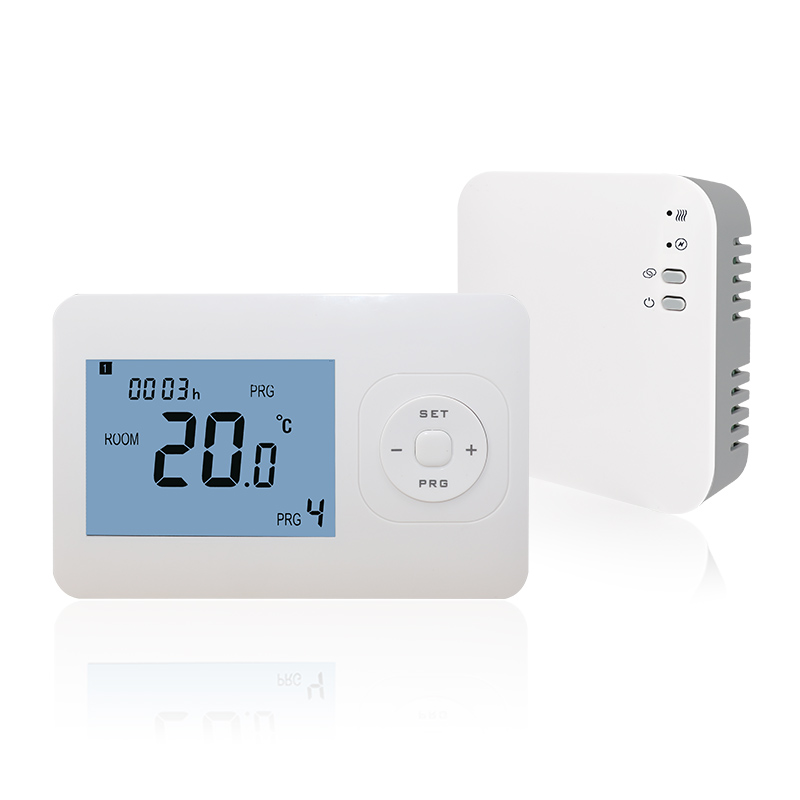
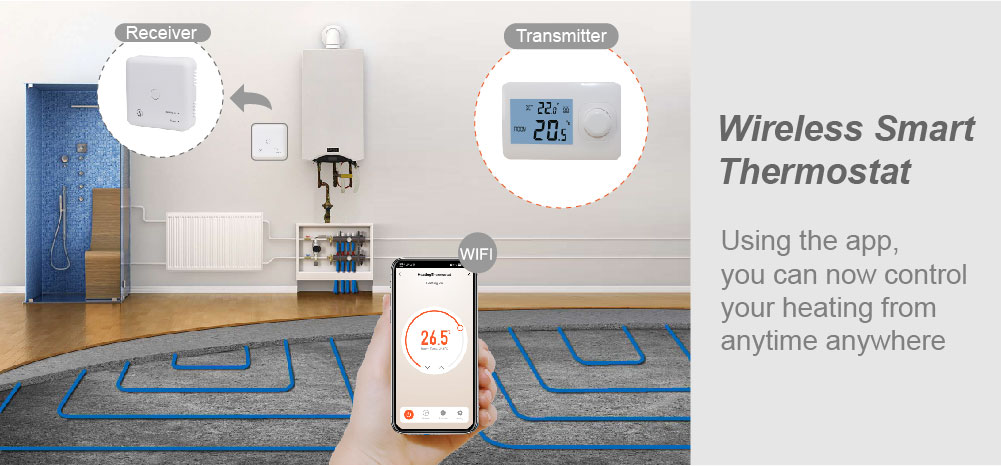
Electric floor heating systems provide a comfortable indoor temperature during winter, but some users may encounter temperature fluctuations on the thermostat or unstable room temperatures. This can affect comfort and even increase energy consumption. This article explains the common causes of thermostat temperature fluctuations and provides practical solutions to help maintain a stable indoor environment.
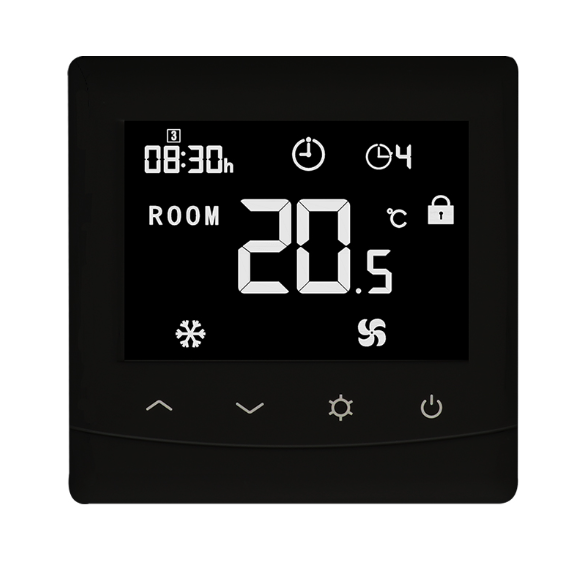
Common Causes of Thermostat Temperature Fluctuations
1. Improper Sensor Placement
The thermostat sensor is responsible for detecting the room temperature. If it is installed near a window, air vent, radiator, or in direct sunlight, it can read higher or lower temperatures than the actual room temperature, causing the system to frequently switch on and off, leading to fluctuations.
2. Room Thermal Inertia and Floor Material
Different floor materials—such as tiles, wood, or laminate—have different thermal inertia. Floors with high thermal inertia heat up and cool down slowly, which can create a delay in the thermostat’s response, causing noticeable temperature fluctuations.
3. Temperature Differential or Sensitivity Set Too High
Many thermostats allow users to set a temperature differential or sensitivity. If the differential is too small or the sensitivity too high, the thermostat may frequently adjust heating output, resulting in noticeable fluctuations.
4. System Load or Wiring Issues
High system load, loose wiring connections, or unstable power supply can also cause the thermostat to behave inconsistently, creating temperature swings. Older systems or damaged heating cables may similarly affect stable heating output.
5. Improper Smart or Energy-Saving Mode Settings
Using smart or energy-saving modes with improper parameters—such as too short preheat times or large temperature gaps—can also lead to fluctuating temperatures.
Solutions to Thermostat Temperature Fluctuations
1. Adjust Sensor Placement
Ensure the thermostat sensor is located away from windows, vents, radiators, and direct sunlight. Correct placement improves temperature detection accuracy, allowing the thermostat to regulate heating more smoothly.
2. Set Appropriate Temperature Differential and Sensitivity
Adjust the differential and sensitivity based on room size and floor material. A recommended temperature differential is 1–2°C, which prevents excessive on/off cycles while maintaining comfort.
3. Optimize Smart or Energy-Saving Mode Parameters
For smart or energy-saving modes, adjust preheating times, temperature curves, and operating strategies to allow gradual heating and cooling, reducing temperature fluctuations.
4. Inspect the Floor Heating System and Wiring
Regularly check heating cables, wiring connections, and power supply to ensure stable operation. Replace or repair aging or damaged components to maintain proper thermostat control.
5. Improve Indoor Environment
Enhancing insulation—such as using curtains, rugs, and closing doors and windows—reduces the impact of drafts and temperature disturbances, helping the thermostat maintain stable room temperatures.
Conclusion
Temperature fluctuations in electric floor heating thermostats are usually caused by sensor placement, floor thermal inertia, settings, or system load. By adjusting the sensor location, optimizing temperature differential and smart mode, checking system wiring, and improving indoor insulation, users can significantly reduce fluctuations and enjoy a stable, comfortable indoor temperature.
Addressing thermostat temperature fluctuations not only improves comfort but also reduces energy consumption, ensuring the floor heating system operates efficiently and provides a reliable environment during winter.