
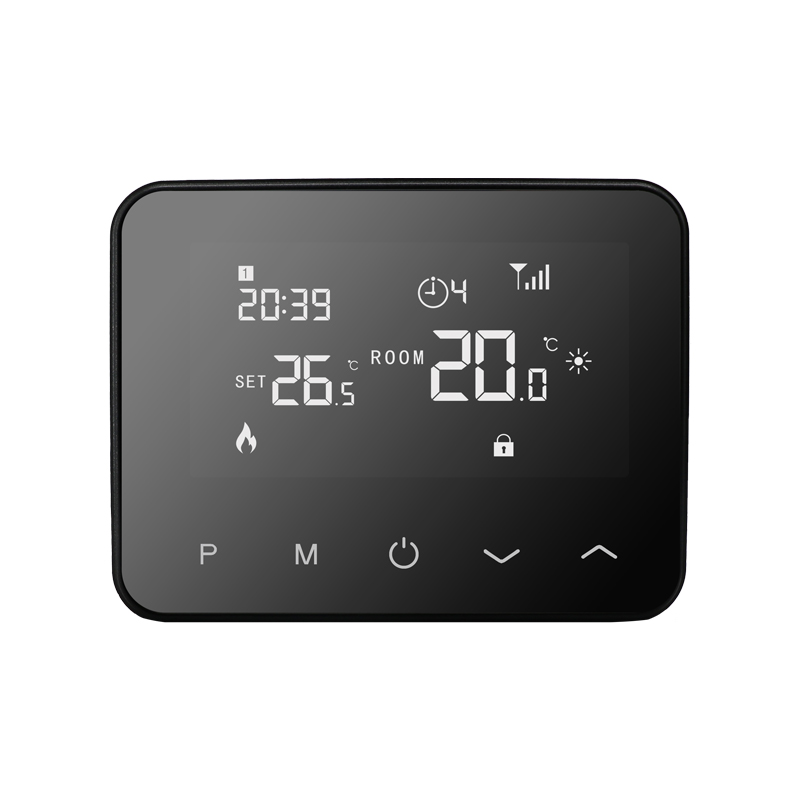
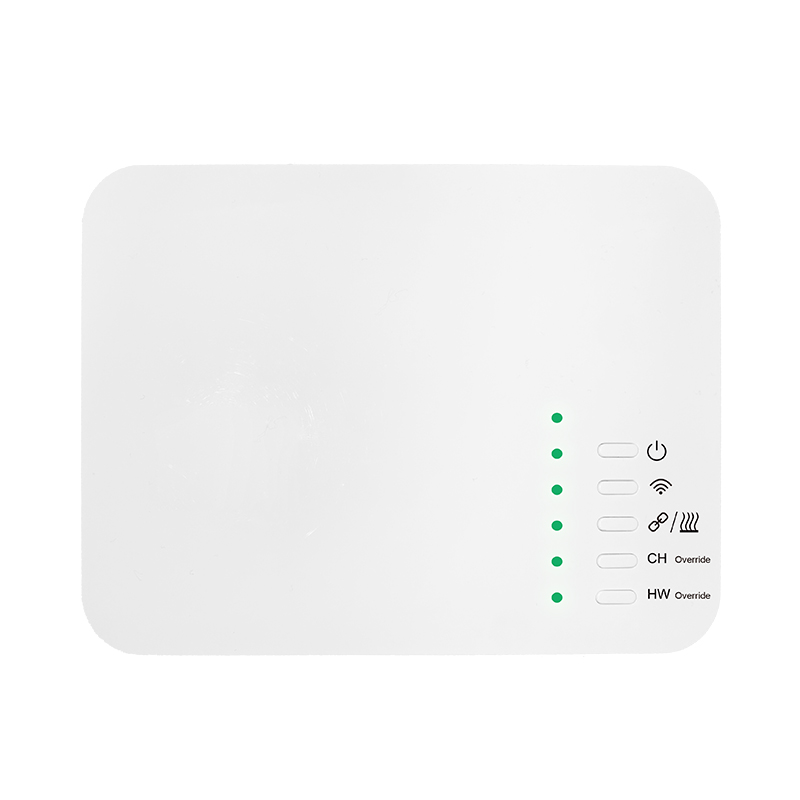
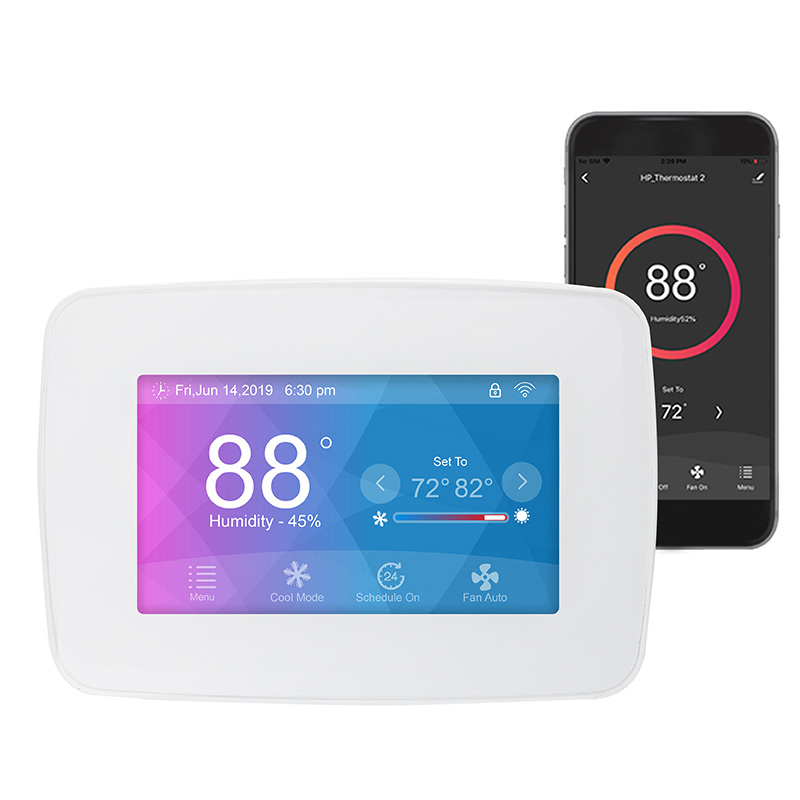
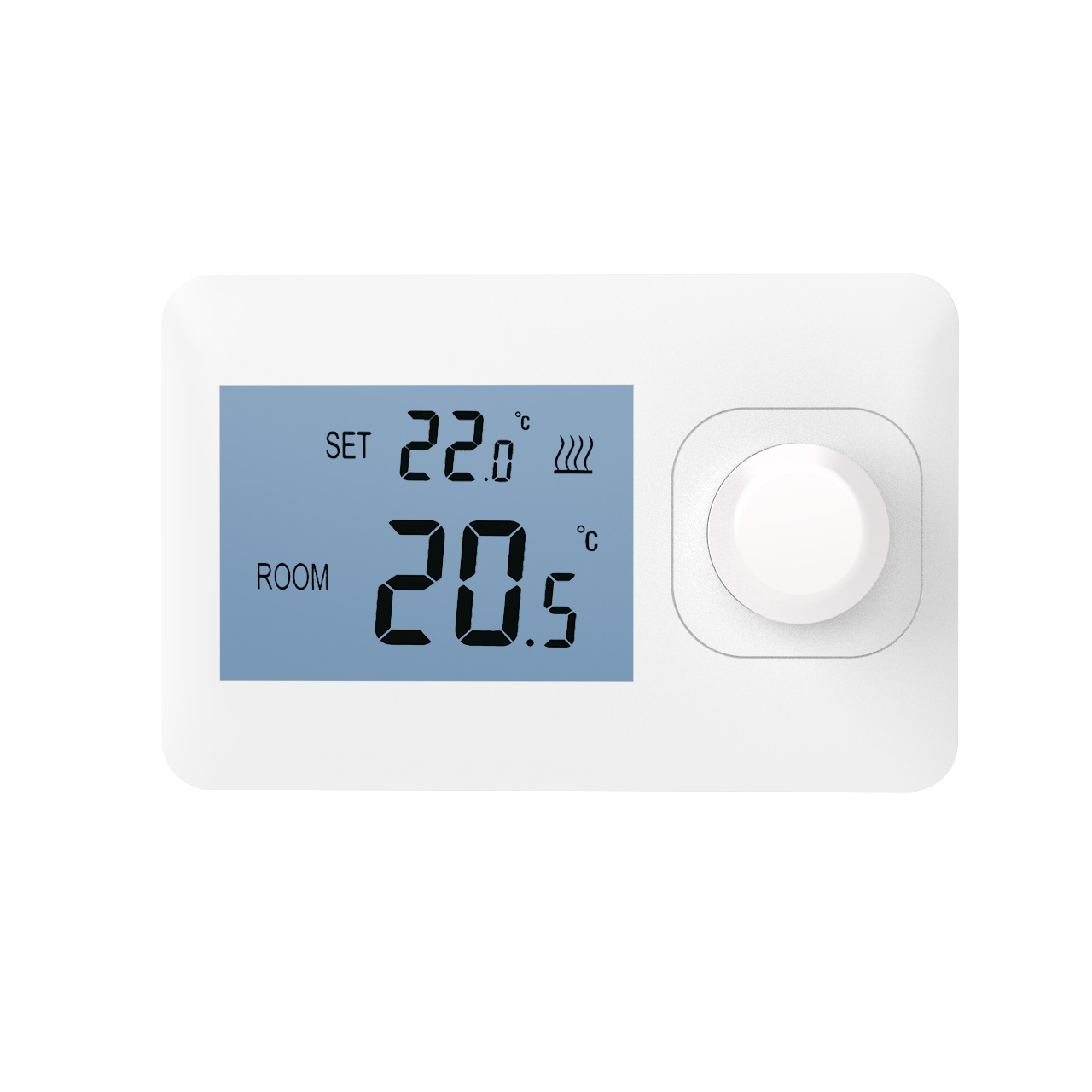
In modern commercial buildings, hotels, office towers, and public facilities, temperature control requirements across multiple rooms have become increasingly complex. Each room or zone has different usage patterns and temperature preferences, posing challenges for fan coil unit (FCU) system management. Individually adjusting each thermostat is inefficient and limits energy optimization. Therefore, centralized management solutions have become the ideal approach for multi-room FCU systems. This article explores the principles, implementation methods, and practical benefits of centralized thermostat management.
Basic Principles of Centralized Management
Centralized management of FCU thermostats typically relies on building management systems (BMS) or dedicated control platforms that collect and control data from all thermostats.
By monitoring room temperatures, fan speeds, and valve positions in real-time, the management platform can apply uniform temperature strategies, enabling remote adjustments and energy optimization. This approach improves operational efficiency while balancing comfort and energy savings.
Key Implementation Methods
Wired Communication-Based Management
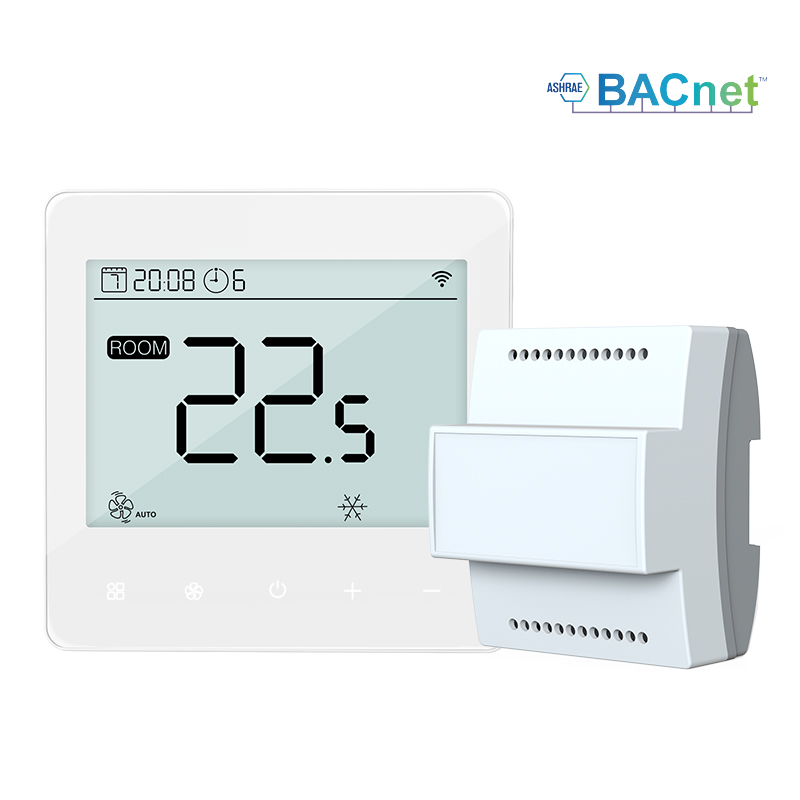
Using protocols such as RS-485, Modbus, or BACnet, each thermostat connects to the centralized platform for remote monitoring and control. This method is highly reliable and suitable for new constructions or renovations requiring stable data transmission.
Wireless Communication-Based Management
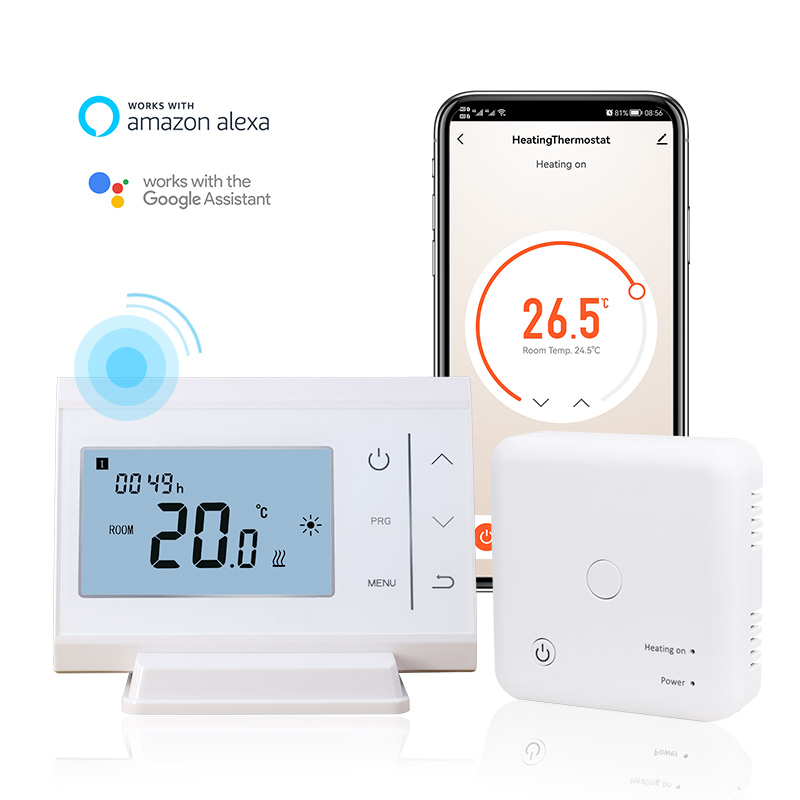
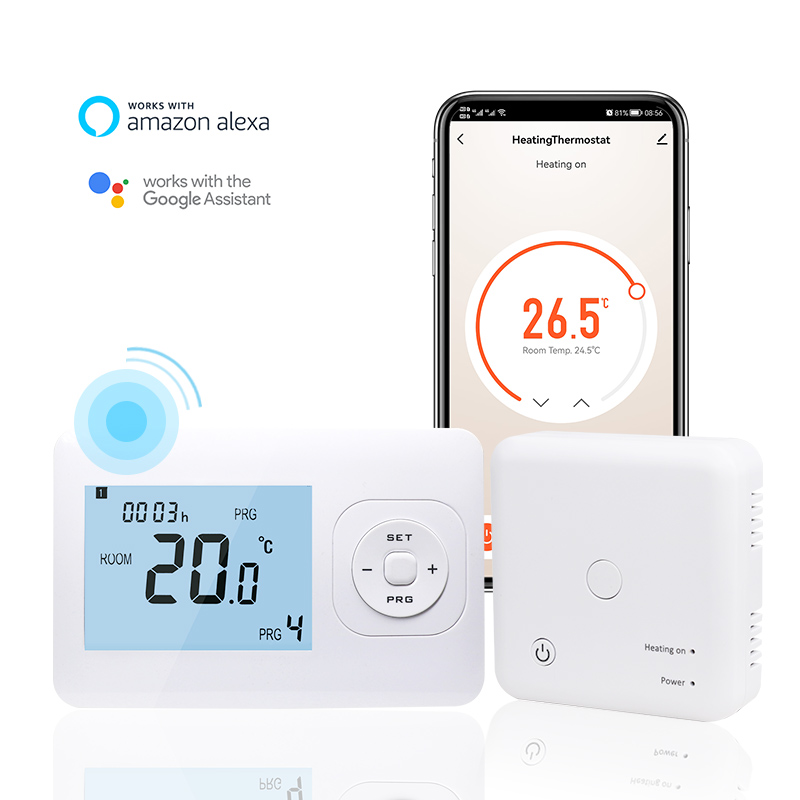
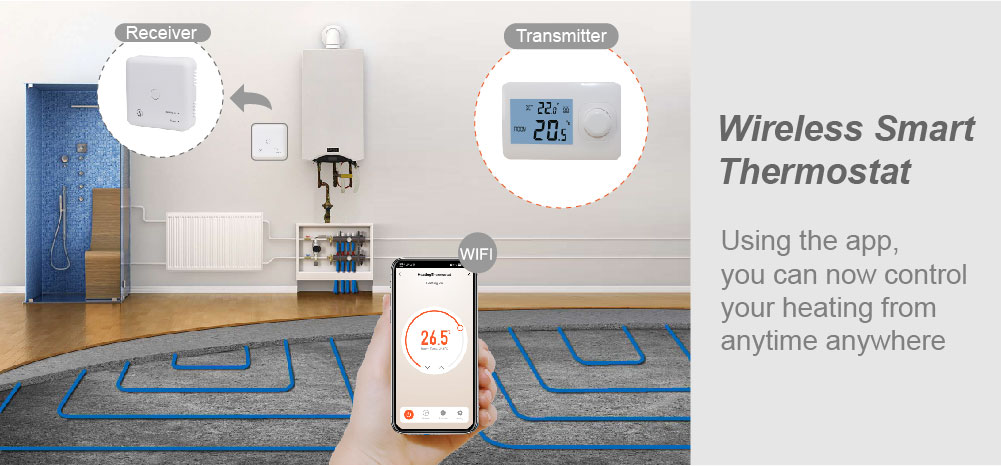
Wi-Fi, Zigbee, and other wireless protocols allow thermostats to connect to the platform without extensive cabling, reducing installation costs and enabling rapid deployment. This is ideal for small to medium-sized projects or retrofit scenarios.
Zoning and Flexible Control Strategies
Centralized systems can implement zone-specific temperature settings based on floor, function, or usage schedule. Offices, guest rooms, meeting rooms, and public areas can have independent temperature and fan speed control, ensuring comfort and efficiency.
Practical Advantages of Centralized Management
Enhanced Operational Efficiency: Facility managers can control multiple zones from a single platform, saving time and reducing manual adjustments.
Energy Optimization: Real-time adjustments based on environmental data minimize unnecessary energy consumption.
Improved Comfort: Fine-tuned zone control ensures each area maintains the desired temperature.
Remote Monitoring and Data Analysis: The system records temperature, operational status, and anomalies, providing data for maintenance and optimization.
Scalability: Additional thermostats can be easily integrated as building size or usage requirements change, supporting system expansion and feature upgrades.
Application Scenarios
Hotel Guest Rooms: Each room thermostat connects to the centralized platform, allowing guests to adjust temperatures individually while enabling backend monitoring of energy consumption.
Office Buildings: Offices, meeting rooms, and corridors can be managed in zones, enhancing comfort while reducing energy use.
Public Facilities: Corridors, lobbies, and common areas can operate in energy-saving mode while maintaining comfortable temperatures in high-traffic zones.
Summary: Centralized Management Is Key for Efficient Multi-Room Operation
Overall, centralized management of multi-room FCU thermostats enables high-efficiency, comfortable, and energy-conscious HVAC control through centralized data collection, unified regulation, and zone-specific strategies. It enhances operational efficiency, improves user experience, and is a core solution for modern multi-room HVAC systems.