
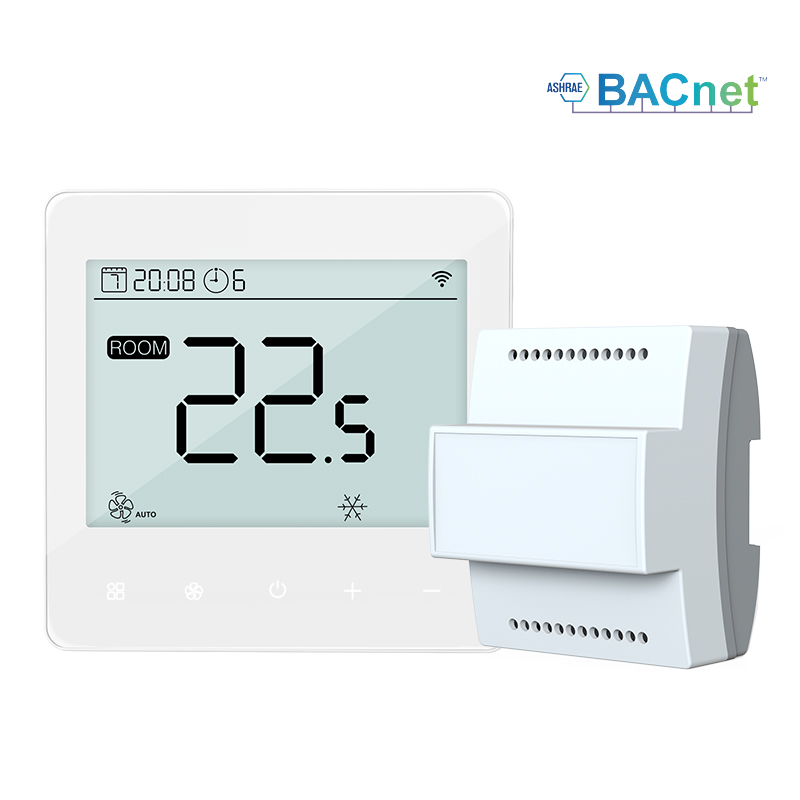
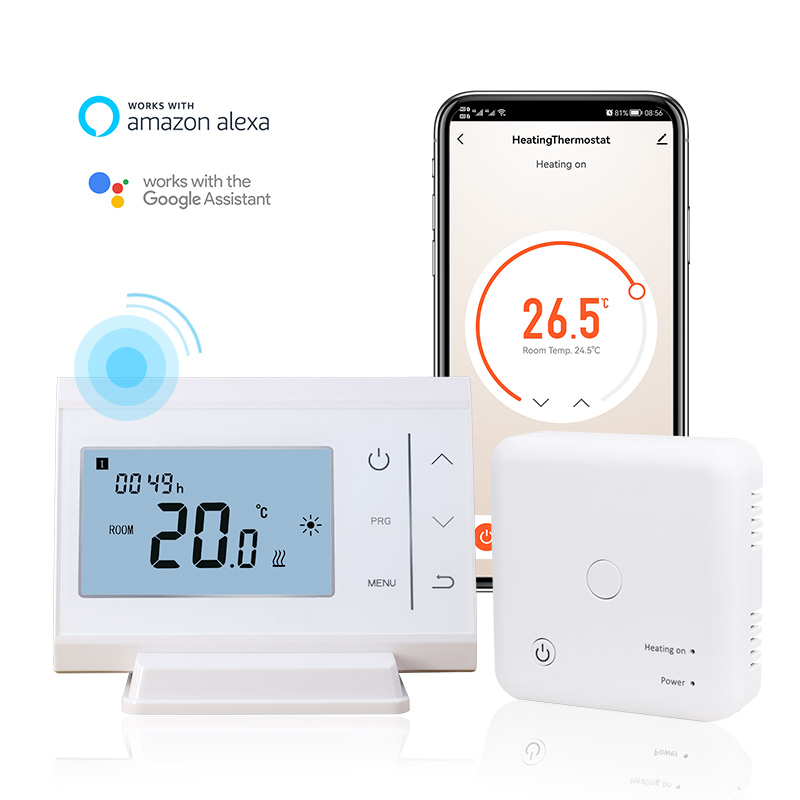
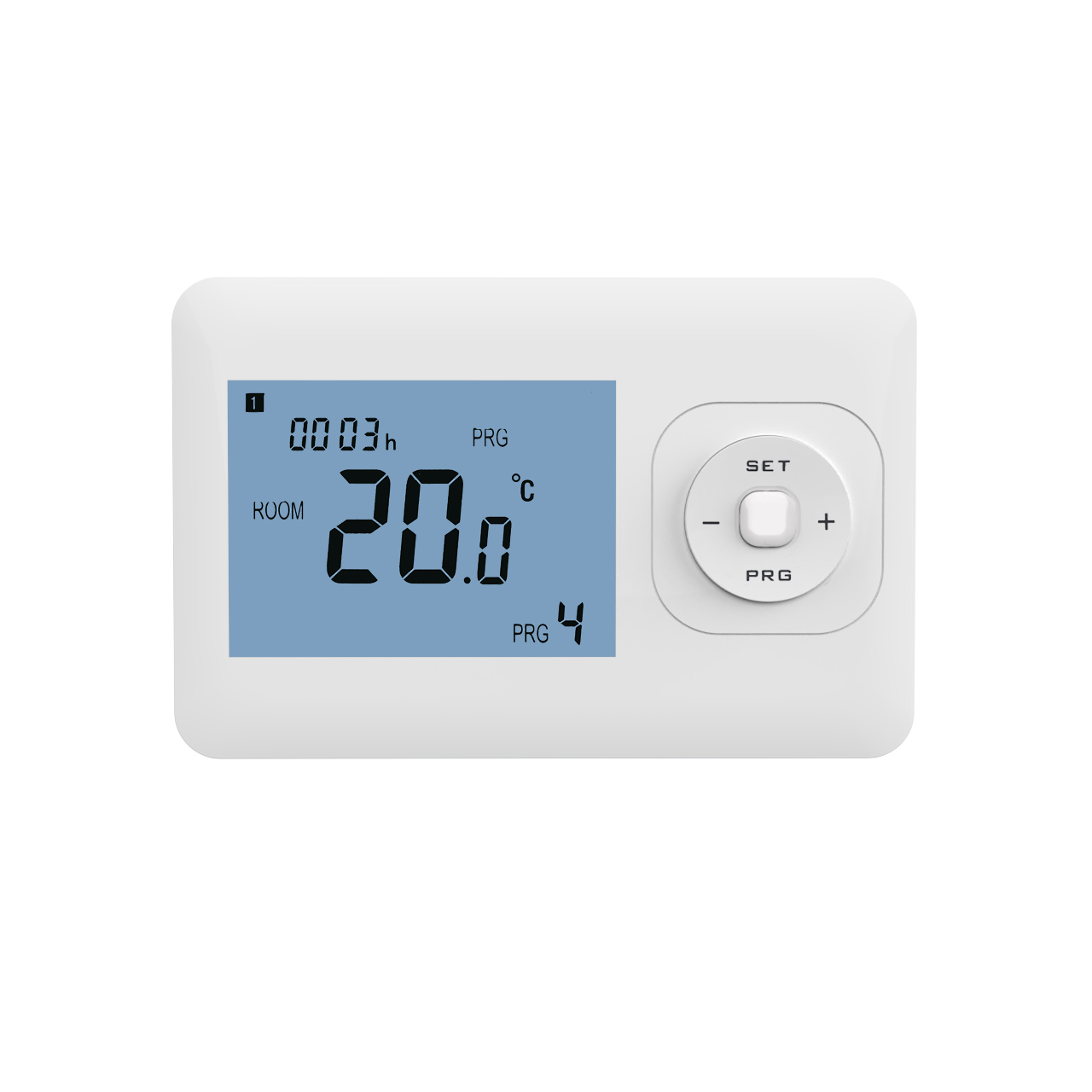
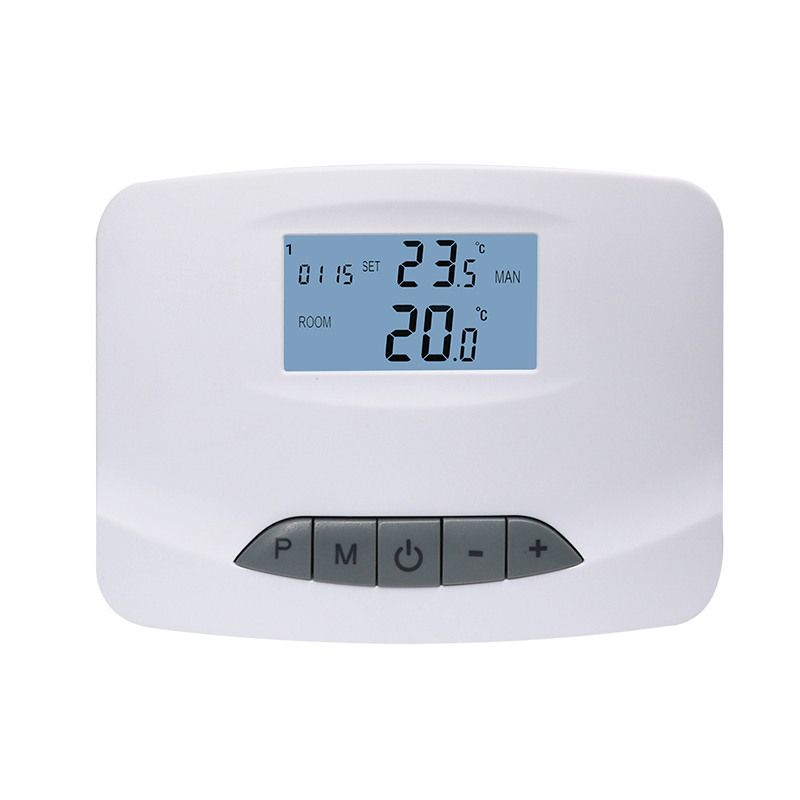
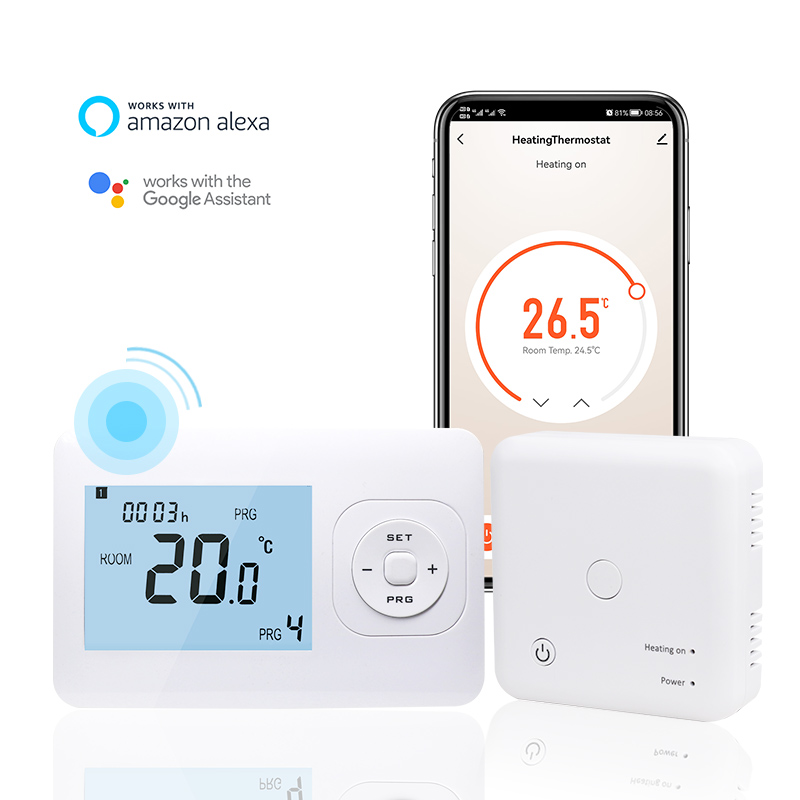
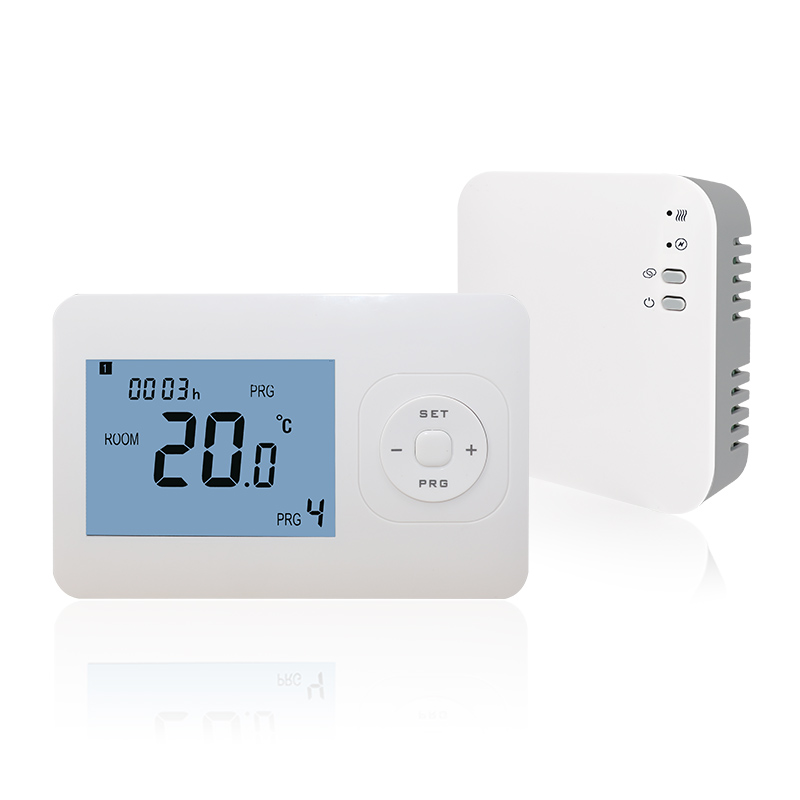
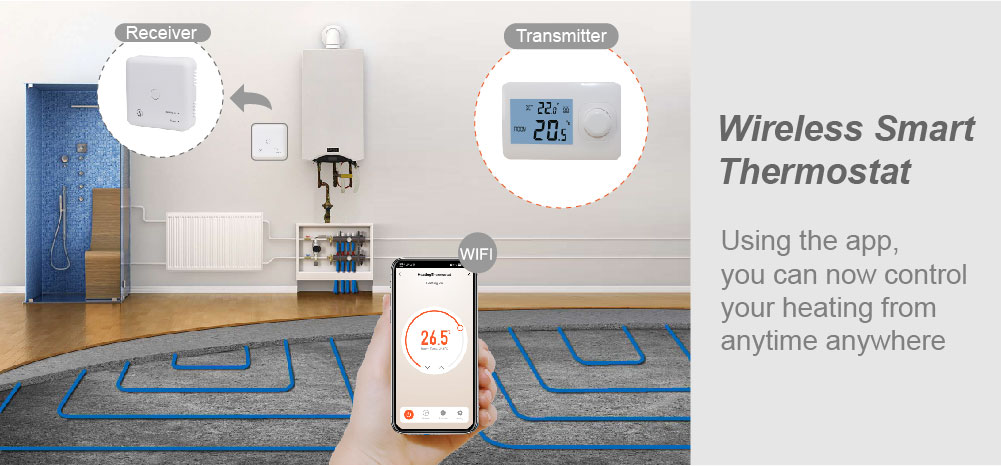
During the use of electric underfloor heating systems in residential settings, a thermostat fault alarm can often cause confusion and concern for users. However, an alarm does not necessarily indicate a complete system failure. In most cases, it is the thermostat’s way of signaling abnormal operating conditions. Understanding the common causes behind electric underfloor heating thermostat fault alarms helps users accurately assess the situation, avoid improper handling, and extend the overall service life of the heating system.
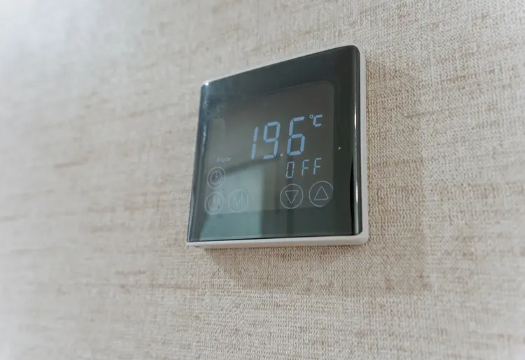
Power Supply and Electrical Issues
Power-related problems are among the most basic yet frequently overlooked causes of thermostat fault alarms. When the supply voltage becomes unstable, wiring connections loosen, or brief power interruptions occur, the thermostat’s internal protection mechanisms may be triggered. This situation is especially common in older buildings or environments with high electrical loads, where voltage fluctuations are more likely. Many thermostats are designed to enter a protective mode when the detected voltage exceeds or falls below the safe operating range, preventing damage to internal control circuits.
Temperature Sensor Abnormalities or Failure
The temperature sensor is a critical component of an electric underfloor heating thermostat, responsible for providing real-time feedback on floor or ambient temperature. If the sensor cable is broken, connections are poor, or the probe becomes aged or damaged, the thermostat may no longer receive accurate temperature data, resulting in a fault alarm. In some cases, the sensor is not completely failed but produces readings that significantly deviate from actual temperatures. Such abnormal data may still be interpreted as a fault condition by the system.
Problems in the Heating Circuit
Electric underfloor heating systems rely on stable operation of heating cables or heating films. If the heating circuit experiences an open circuit, partial short circuit, or insulation degradation, the thermostat may detect abnormal current or resistance values and activate an alarm. These issues are often related to installation quality, prolonged high-temperature operation, or external mechanical damage. In this context, the alarm functions as a safety mechanism, stopping system operation before the problem escalates and poses greater risks.
Improper Parameter Settings Causing False Alarms
Not all thermostat fault alarms are caused by hardware malfunctions. In many cases, incorrect parameter settings can lead to alarm conditions. For example, setting the temperature limit too low, selecting an inappropriate operating mode, or creating conflicts within scheduled programs may cause the thermostat to interpret normal operation as abnormal behavior. Some smart thermostats are designed to issue alarms when logical inconsistencies in operation are detected, prompting users to review and adjust configuration settings.
Environmental Factors Affecting Thermostat Performance
The installation environment plays a significant role in thermostat stability. Long-term exposure to high humidity, strong electromagnetic interference, or frequent temperature fluctuations can negatively affect internal electronic components, leading to fault alarms. In addition, improper installation locations—such as areas exposed to direct sunlight or near other heat sources—may cause inaccurate temperature readings. These misleading readings can trigger alarms even when the heating system itself is functioning properly.
Aging and Long-Term Usage Effects
As the thermostat ages, internal electronic components inevitably experience performance degradation. Wear of relay contacts, aging control chips, or declining display modules can result in intermittent fault alarms. Such alarms often occur without obvious external triggers but may increase in frequency over time, indicating that the thermostat is approaching the end of its effective service life.
Conclusion
Electric underfloor heating thermostat fault alarms are rarely caused by a single factor. Instead, they are typically the result of combined influences involving power supply stability, sensor condition, heating circuit integrity, parameter settings, installation environment, and long-term aging. Accurately interpreting the meaning behind these alarms allows users to respond more rationally and avoid unnecessary disassembly or repeated system resets. A systematic understanding of fault alarm causes not only improves user experience but also provides clearer guidance for effective maintenance and long-term system management.