
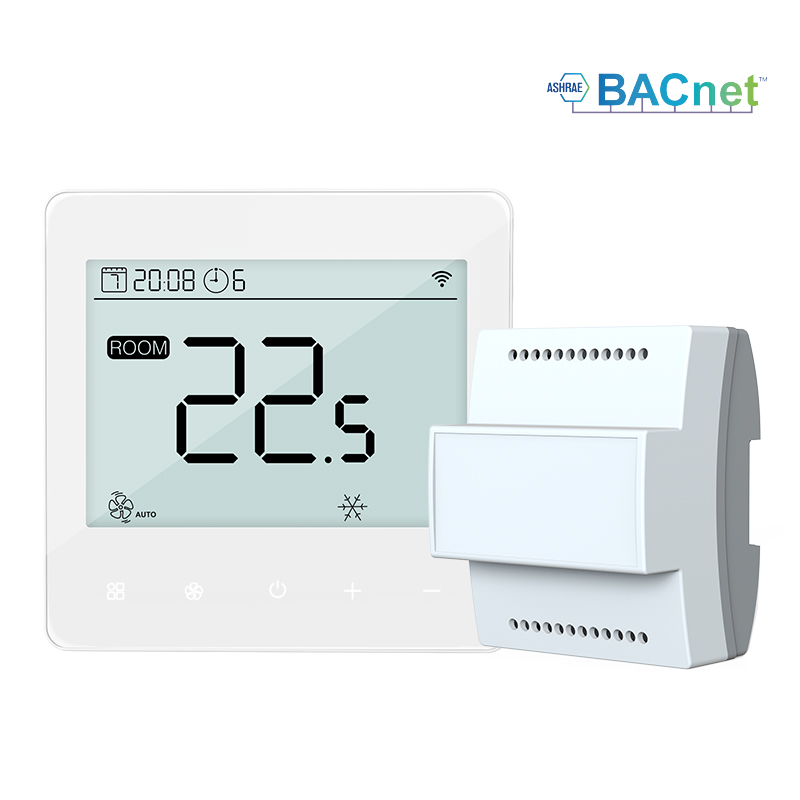
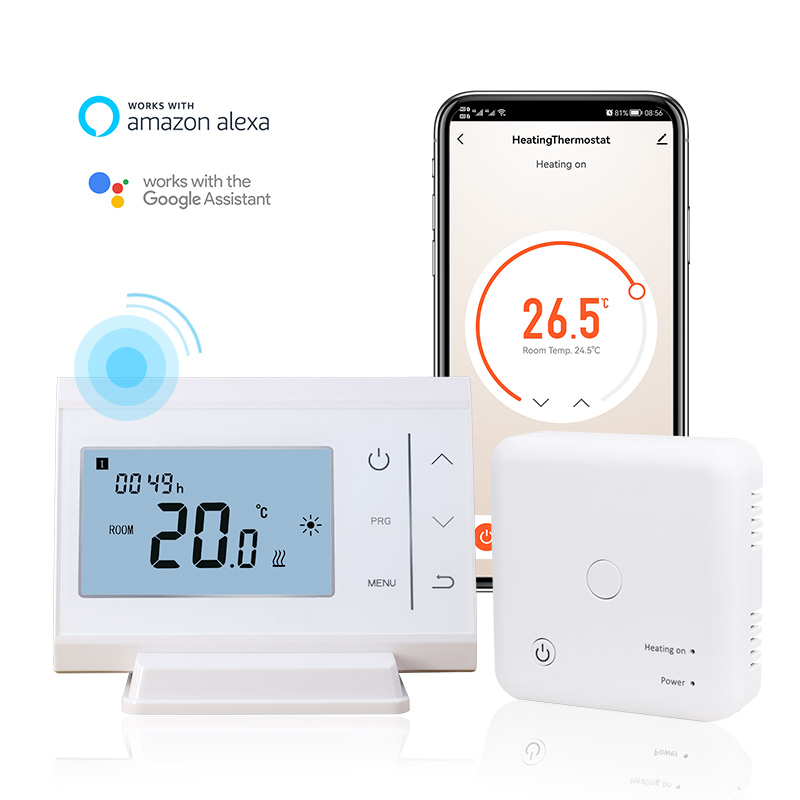
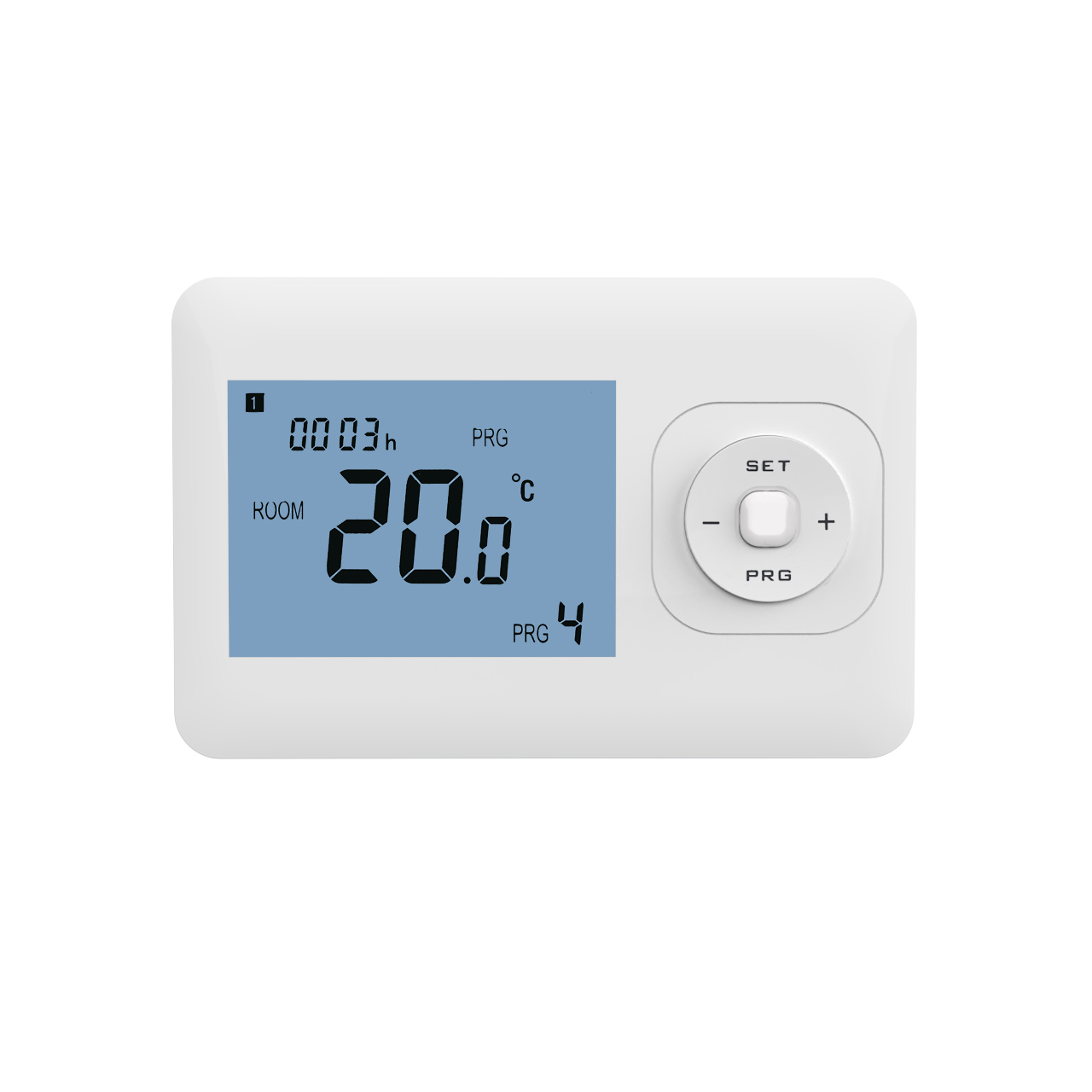
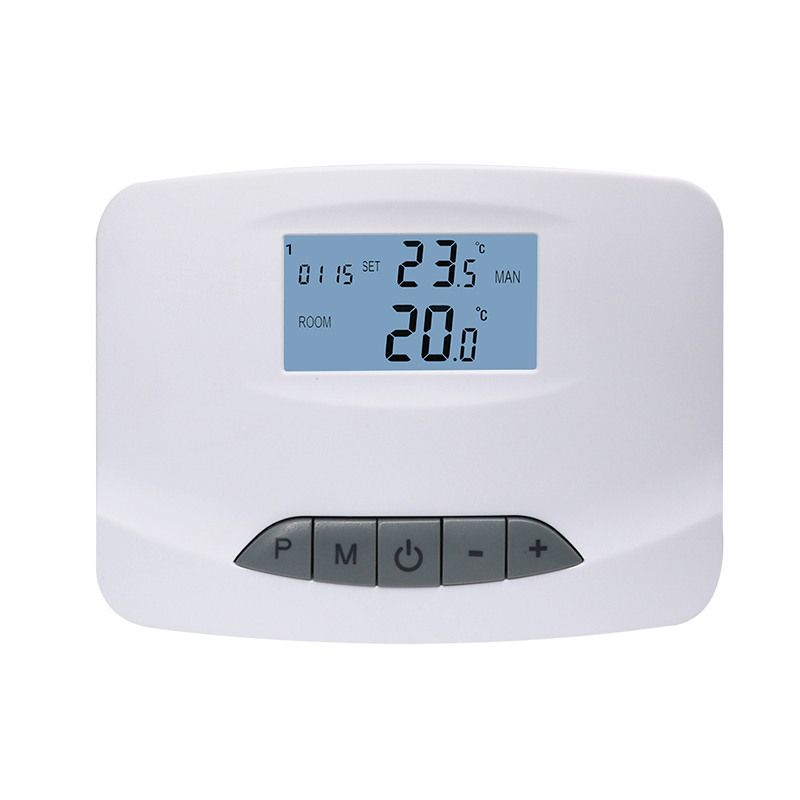
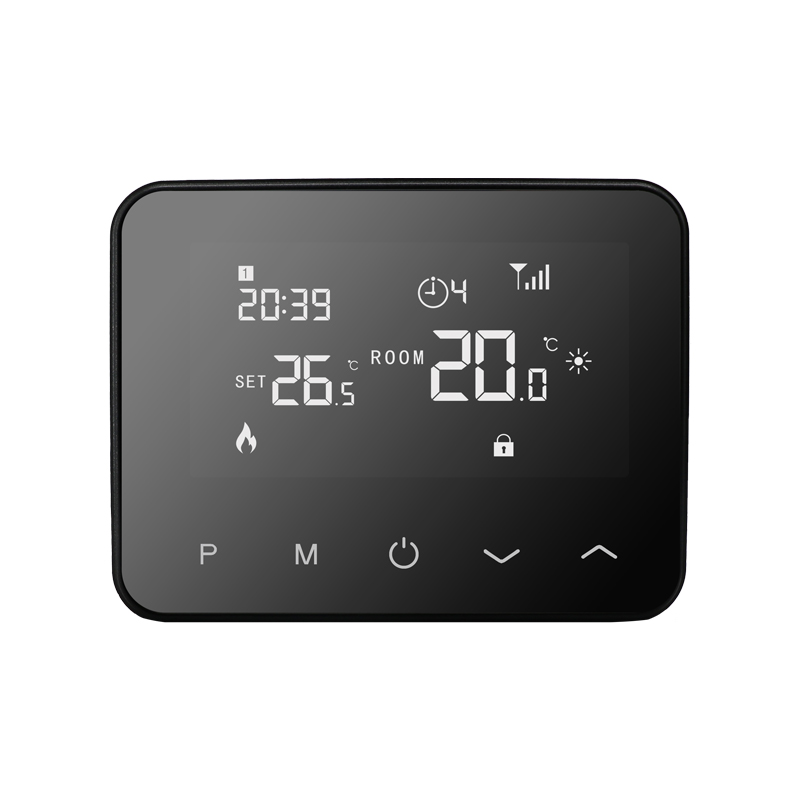
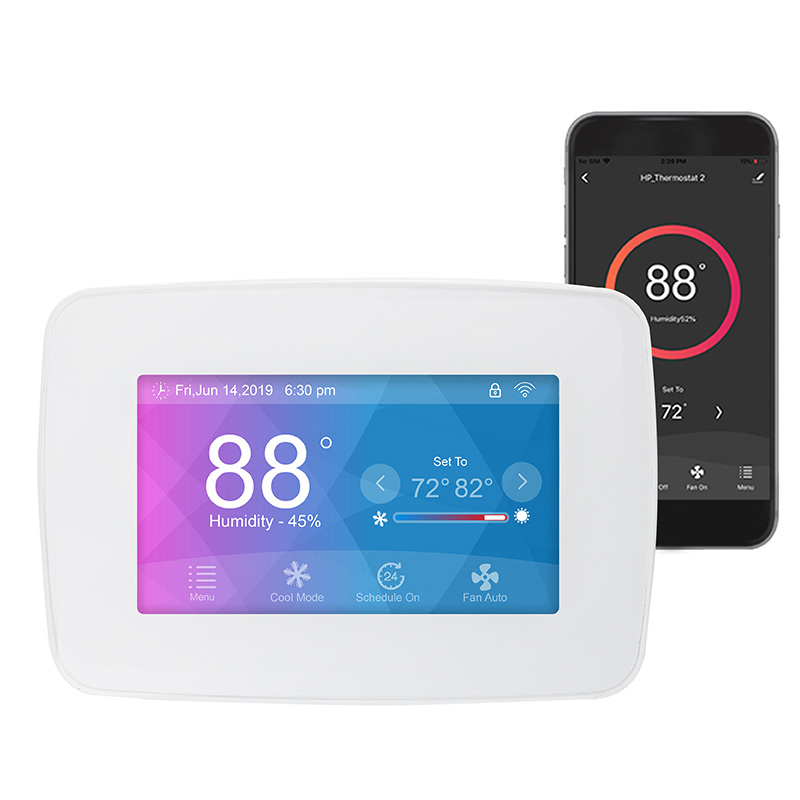
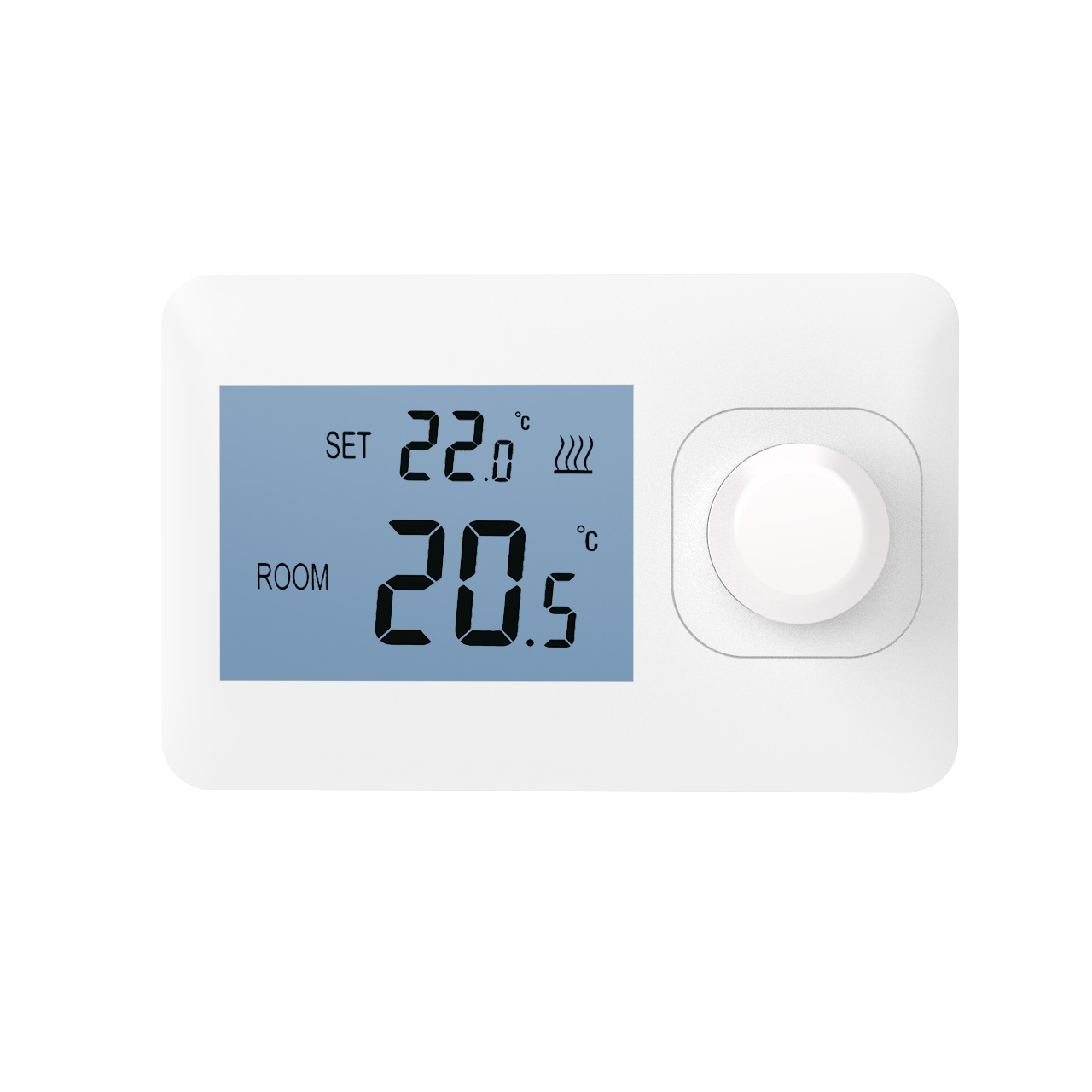
Fan coil unit (FCU) thermostats play a crucial role in central air conditioning systems, directly affecting indoor temperature control and comfort. In practice, thermostats often show temperature deviations, inaccurate control, or noticeable fluctuations in room temperature. Understanding the common causes of inaccurate readings can help maintenance personnel quickly troubleshoot issues and improve system stability and energy efficiency.
1. Sensor Malfunction or Improper Placement
The thermostat’s internal temperature sensor is the core component for measuring room temperature. Sensor aging, loose wiring, or contamination can lead to inaccurate readings. In addition, improper sensor placement—such as near windows exposed to sunlight, air supply vents, or heat-emitting equipment—can cause measured temperatures to be higher or lower than actual room conditions.
Regular inspection and proper positioning of the sensor are essential for accurate temperature control.
2. Controller and Actuator Mismatch
FCU thermostats typically control fans or valves to adjust room temperature. If the thermostat controller is not properly matched with the fan or electric valve actuator, it can result in slow or excessive responses, causing the room temperature to deviate from the setpoint.
Examples include unstable controller output signals or actuator stroke not aligned with control signals, both of which may lead to inaccurate temperature readings or noticeable room temperature fluctuations.
3. Abnormal System Water Temperature or Airflow
Although the thermostat controls the FCU system, issues with water temperature or airflow can impact temperature accuracy. Common situations include:
Chilled or hot water temperatures deviating from design values
Insufficient fan airflow or blocked ducts
Partially open valves causing uneven mixing of hot and cold water
These factors can prevent the room temperature from following the thermostat setpoint, resulting in inaccurate readings.
4. Thermostat Calibration Deviations
Some thermostats require on-site calibration after installation. If calibration is not performed correctly or not periodically maintained, displayed temperatures may differ from actual room conditions. Long-term use can also cause internal circuit drift, further affecting control accuracy.
Regular calibration and functional checks are important to ensure reliable temperature control.
5. Environmental Interference and Power Issues
Electromagnetic interference, aging wiring, or voltage fluctuations in the thermostat’s environment can also affect temperature measurement or control signals. For example, nearby high-power equipment may interfere with sensor readings or signal stability. Maintaining proper wiring and minimizing electromagnetic interference can improve thermostat accuracy.
6. User Settings and System Compatibility
Finally, inaccurate temperature readings may not always indicate a device fault but can result from mismatched user settings and system capacity. For instance, setting a temperature above the system’s cooling capacity or below the heating capacity can prevent the room from reaching the setpoint. Understanding the thermostat’s functionality and system limitations and setting appropriate temperature ranges can reduce control deviations.
Conclusion
Inaccurate temperature readings in fan coil unit thermostats may be caused by sensor faults, controller-actuator mismatch, abnormal system water or airflow, calibration errors, environmental interference, or improper user settings. Targeted troubleshooting, regular maintenance, and proper configuration can effectively improve temperature control accuracy, ensure indoor comfort, and optimize system performance. Understanding these common causes provides essential guidance for HVAC maintenance personnel and users seeking to enhance system reliability and equipment lifespan.