
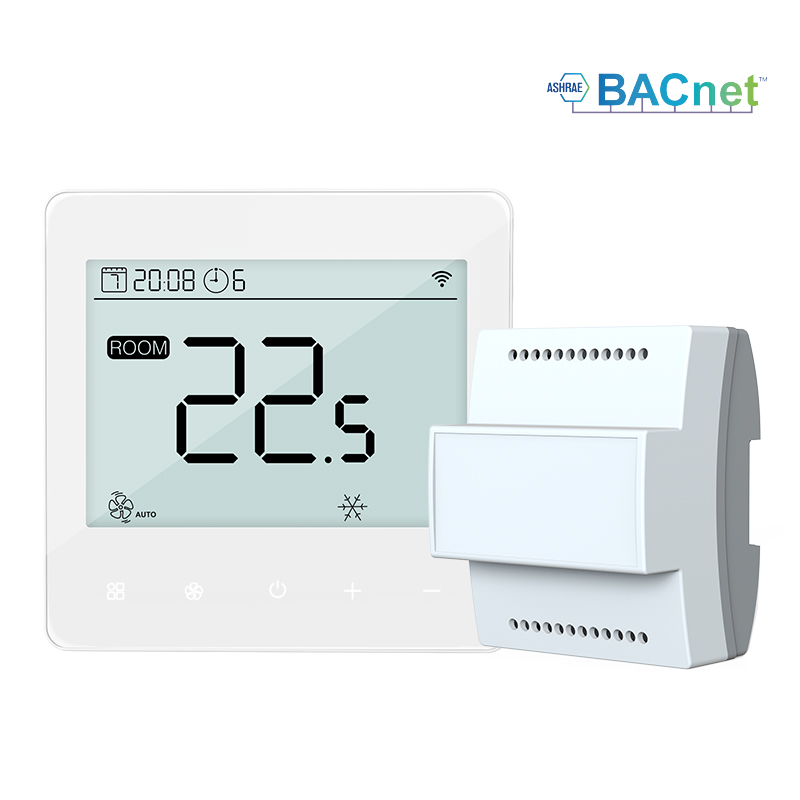
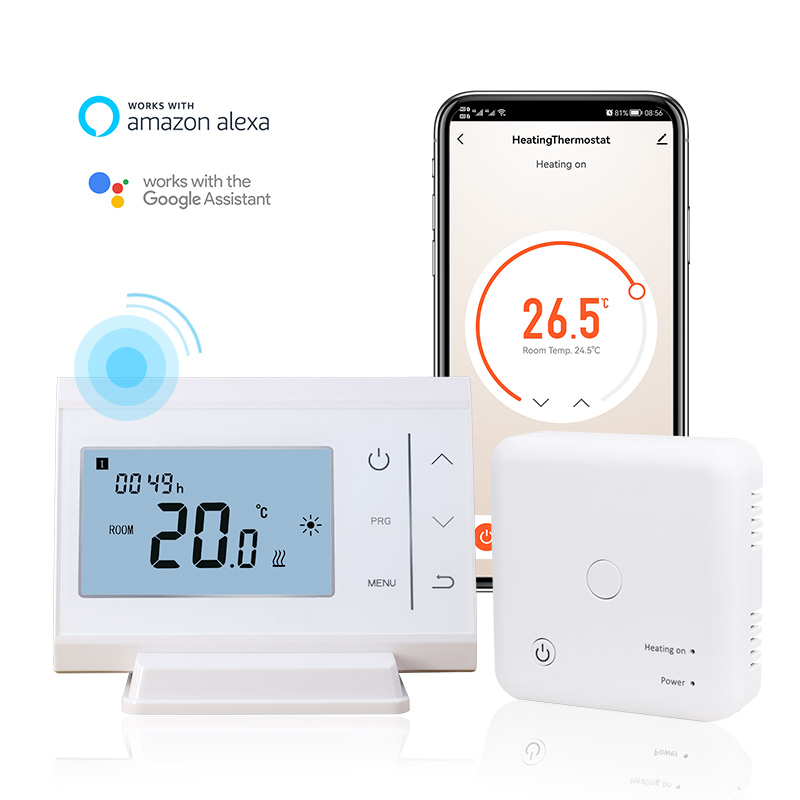
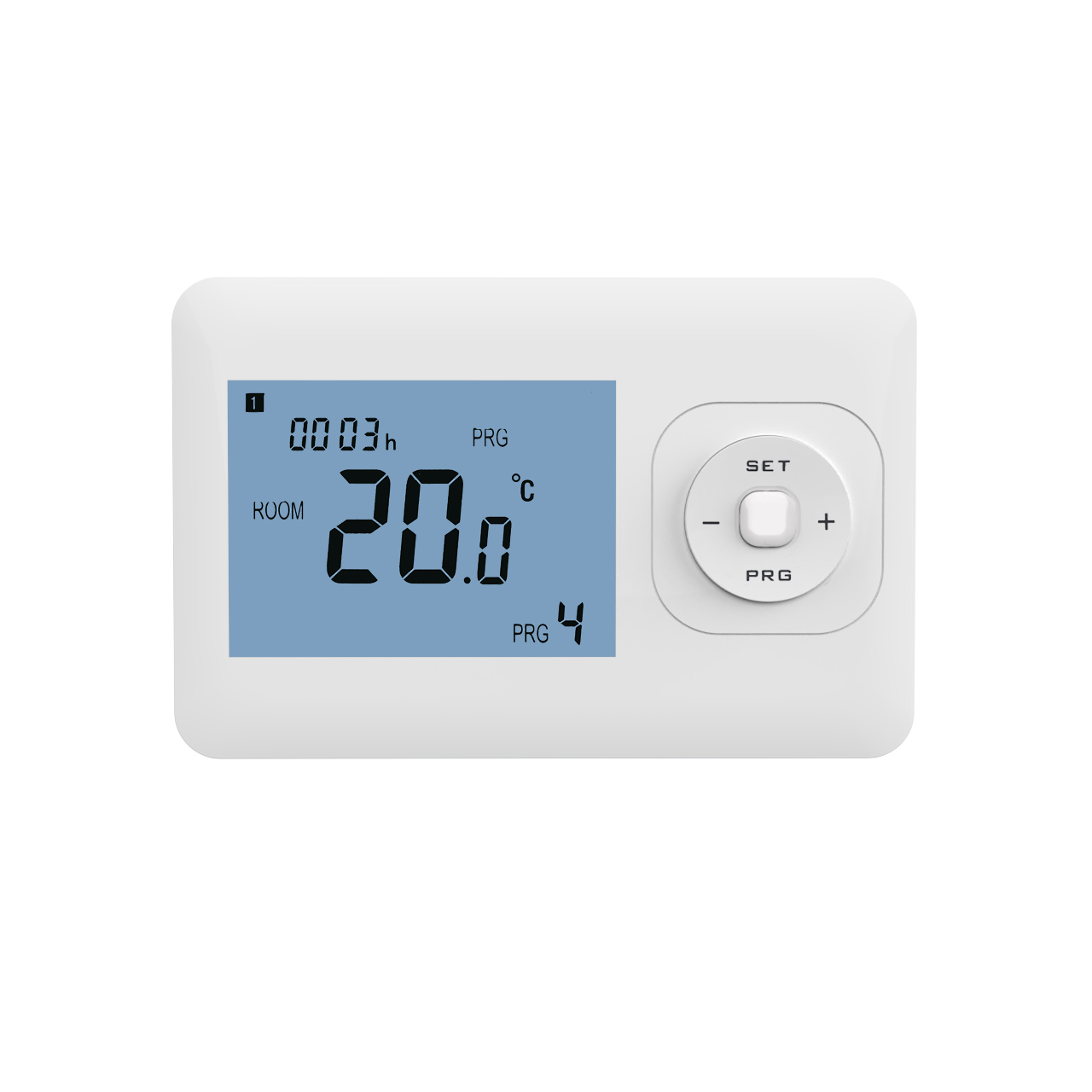
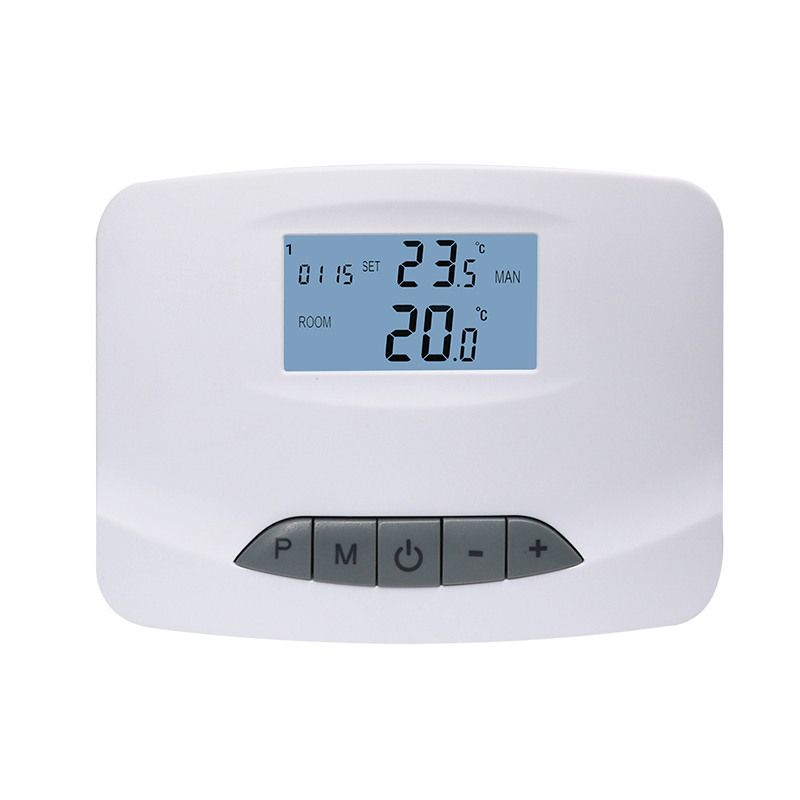
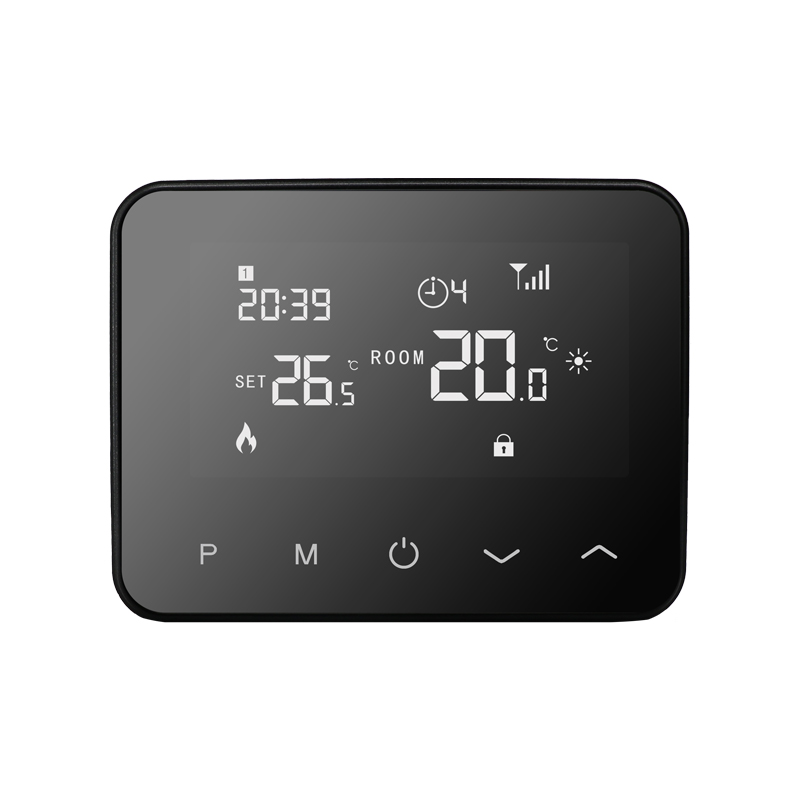

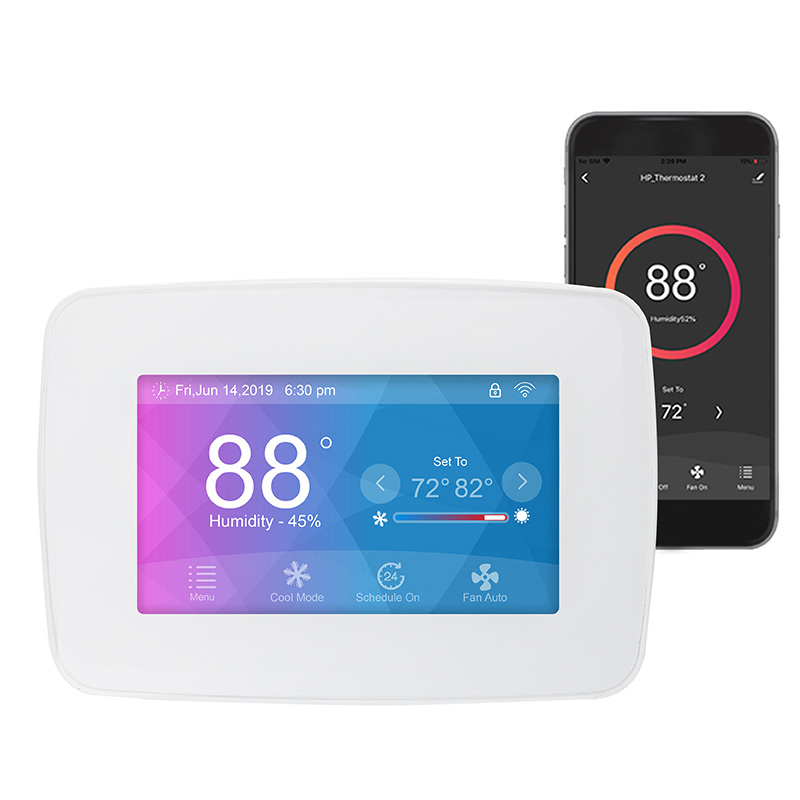
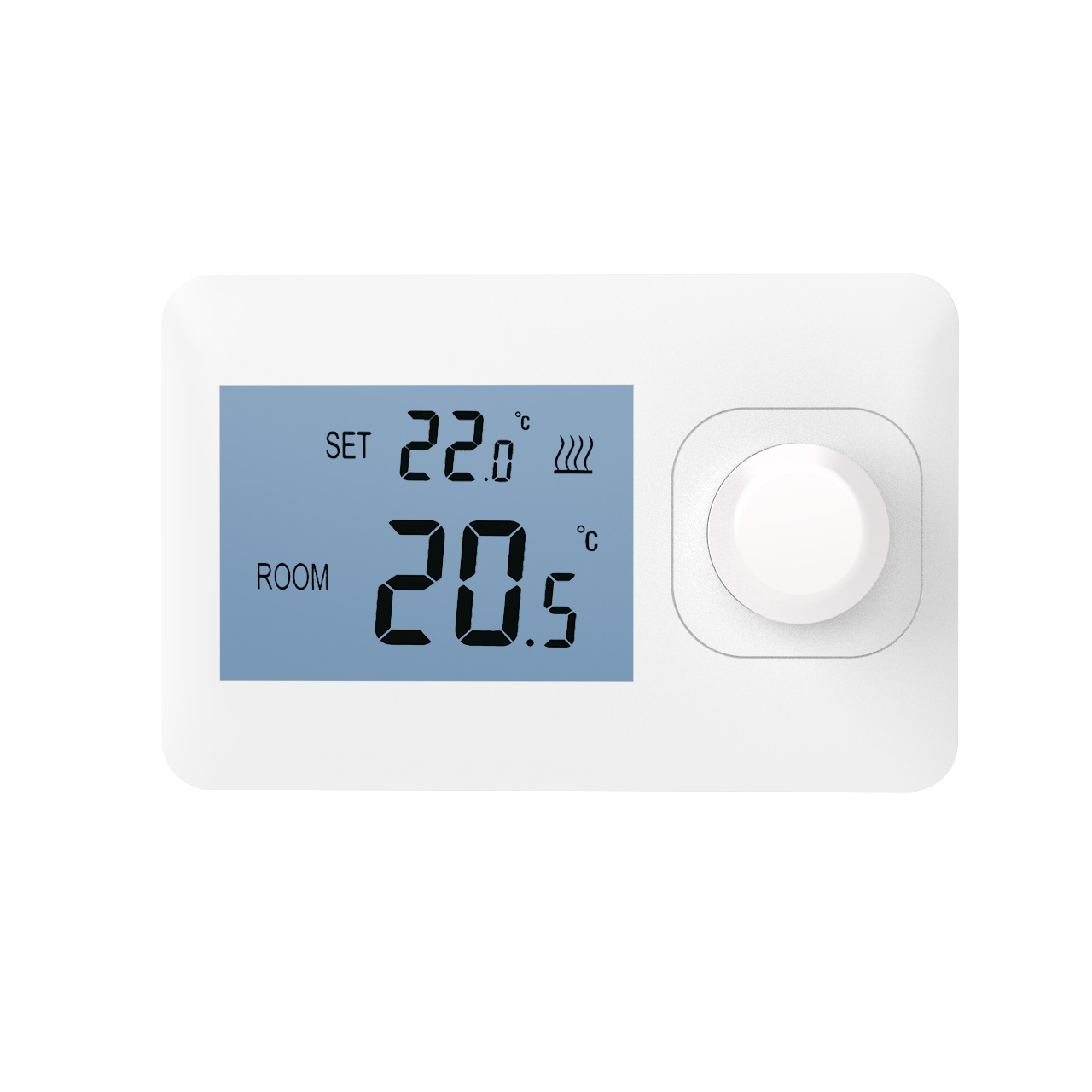
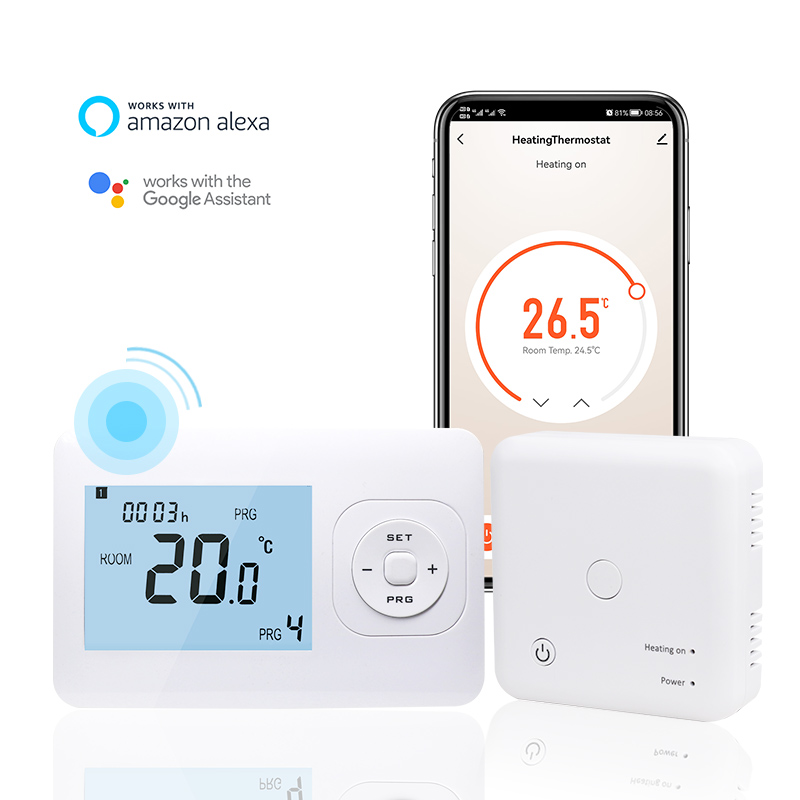
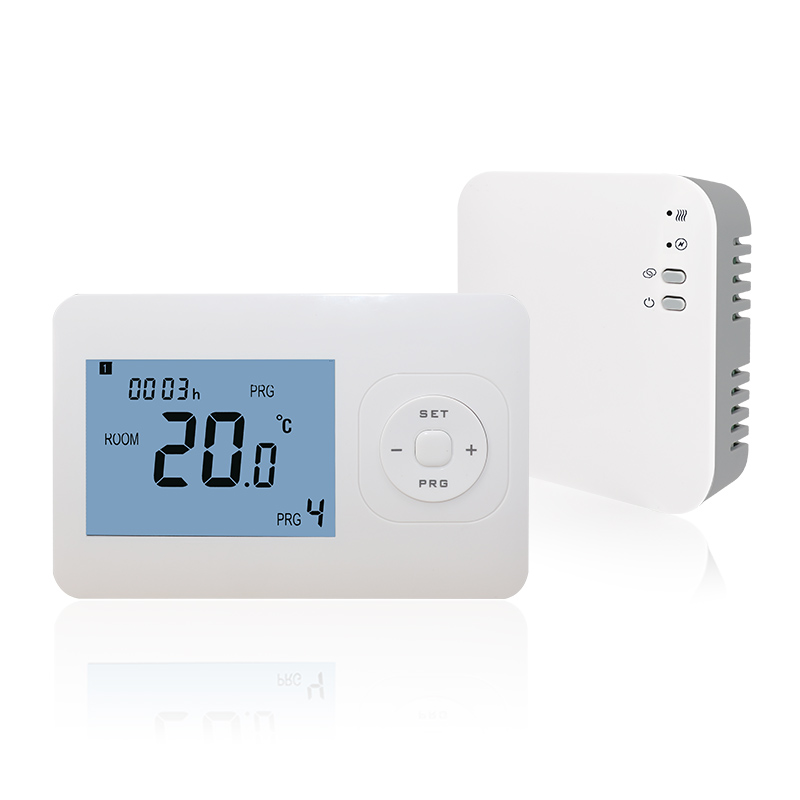
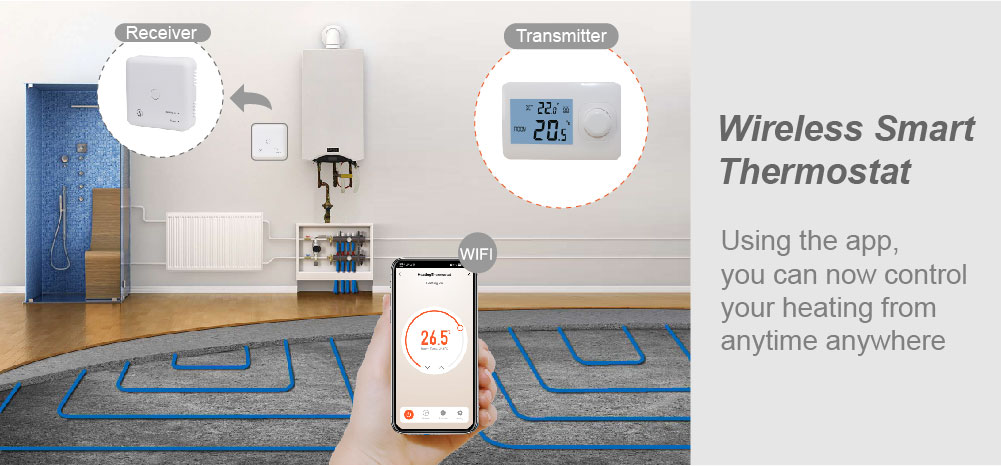
In residential heating systems, electric underfloor heating is widely used for its high comfort level and even heat distribution. The thermostat serves as the core control unit of the system, playing a crucial role in maintaining stable operation. However, many users experience high energy consumption, uncomfortable indoor temperatures, or even equipment issues due to improper temperature settings. Understanding the common misconceptions related to electric underfloor heating thermostat temperature settings is essential for achieving both comfort and energy efficiency.
Misconception 1: Higher Temperature Settings Heat the Room Faster
Many users believe that setting the thermostat to a higher temperature will speed up the heating process. In reality, the heating speed of electric underfloor systems is mainly determined by system power, floor structure, and insulation conditions—not by the temperature setting itself. Setting the temperature excessively high only forces the system to operate at full load for extended periods, increasing energy consumption and accelerating wear on the thermostat’s internal components and heating circuits.
Misconception 2: Frequent Manual Adjustments Save Energy
Some users frequently adjust the temperature based on how they feel, assuming this approach helps reduce energy use. In practice, electric underfloor heating systems perform best when operating within a stable temperature range. Frequent adjustments cause the thermostat to switch on and off repeatedly, placing additional stress on relays and control modules, which can reduce efficiency and shorten equipment lifespan.
Misconception 3: Completely Turning Off Heating at Night Is More Efficient
To save electricity, some households turn off the underfloor heating system entirely during the night or short absences. However, restarting the system after a complete shutdown often requires more energy to restore a comfortable temperature. Maintaining a lower set temperature with reduced output is usually more energy-efficient and helps avoid large indoor temperature fluctuations.
Misconception 4: Ignoring the Difference Between Floor Temperature and Room Temperature
When setting the thermostat, many users focus only on room temperature while overlooking floor temperature. Excessively high floor temperatures can reduce comfort and may negatively affect floor finishes. Thermostats that support floor temperature sensing or dual-sensor control help limit floor temperature while maintaining comfortable room conditions, preventing hidden issues caused by improper settings.
Misconception 5: Using the Same Temperature Settings All Year Round
Heating requirements vary significantly across different seasons and weather conditions. Some users apply the same thermostat settings throughout the year, which can lead to overheating or insufficient warmth as outdoor temperatures change. Adjusting target temperatures and operating modes according to seasonal conditions allows the system to function more efficiently and maintain a more comfortable indoor environment.
Misconception 6: Overly Complex Scheduling Improves Performance
Smart thermostats often offer multi-period scheduling functions, but more complex schedules are not always better. Excessive temperature changes and numerous time segments can create operational confusion or lead to misconfiguration. For households with regular routines, simplified scheduling that focuses on key time periods promotes system stability and easier operation.
Misconception 7: Overlooking the Impact of Installation Location
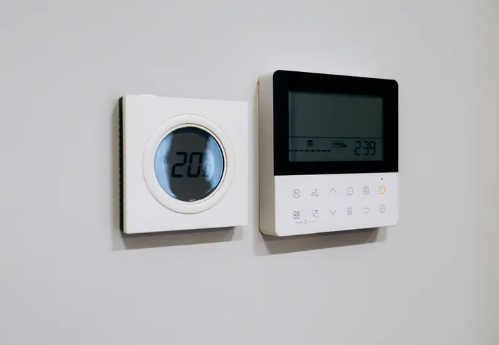
The installation location of a thermostat directly affects the accuracy of temperature readings. If the thermostat is installed in areas exposed to direct sunlight, near heat sources, or close to ventilation outlets, the measured temperature may not reflect actual comfort levels. Even well-configured settings may fail to deliver optimal heating performance if temperature detection is inaccurate.
Conclusion
Electric underfloor heating thermostat temperature settings are not about higher values or frequent adjustments—scientific and balanced configuration is key. By avoiding common setting misconceptions and adjusting parameters according to real usage scenarios and seasonal changes, users can fully benefit from the comfort, efficiency, and stability of electric underfloor heating systems. Proper temperature management not only enhances living comfort but also helps extend the service life of the thermostat and the entire heating system.