
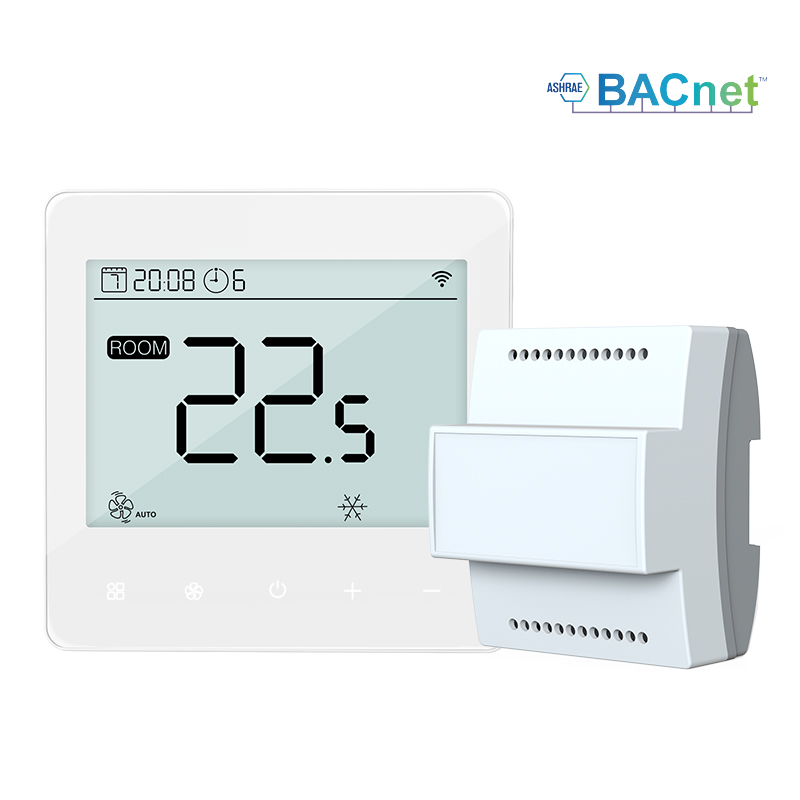
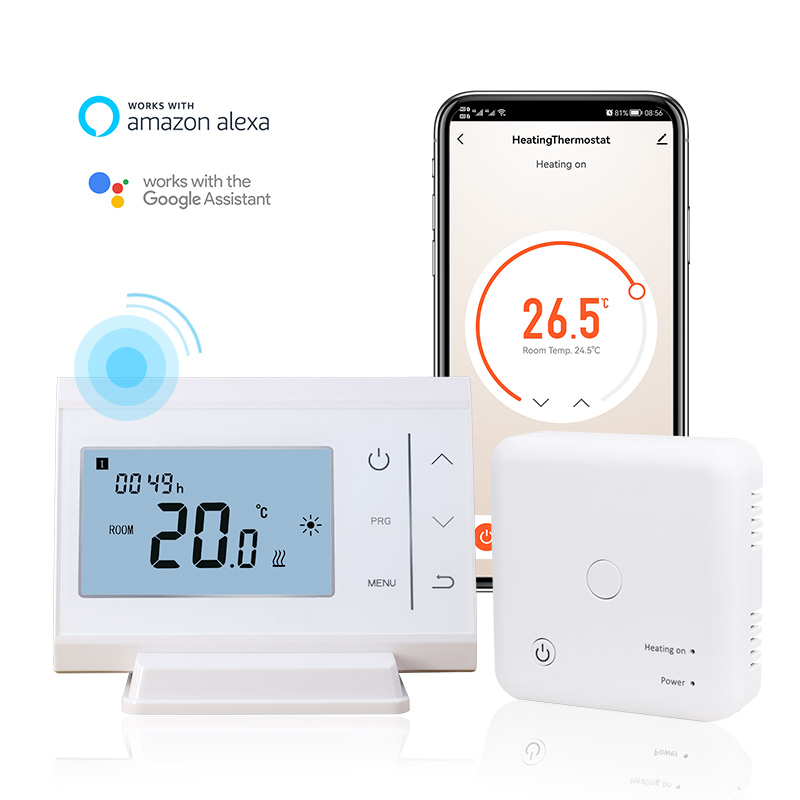
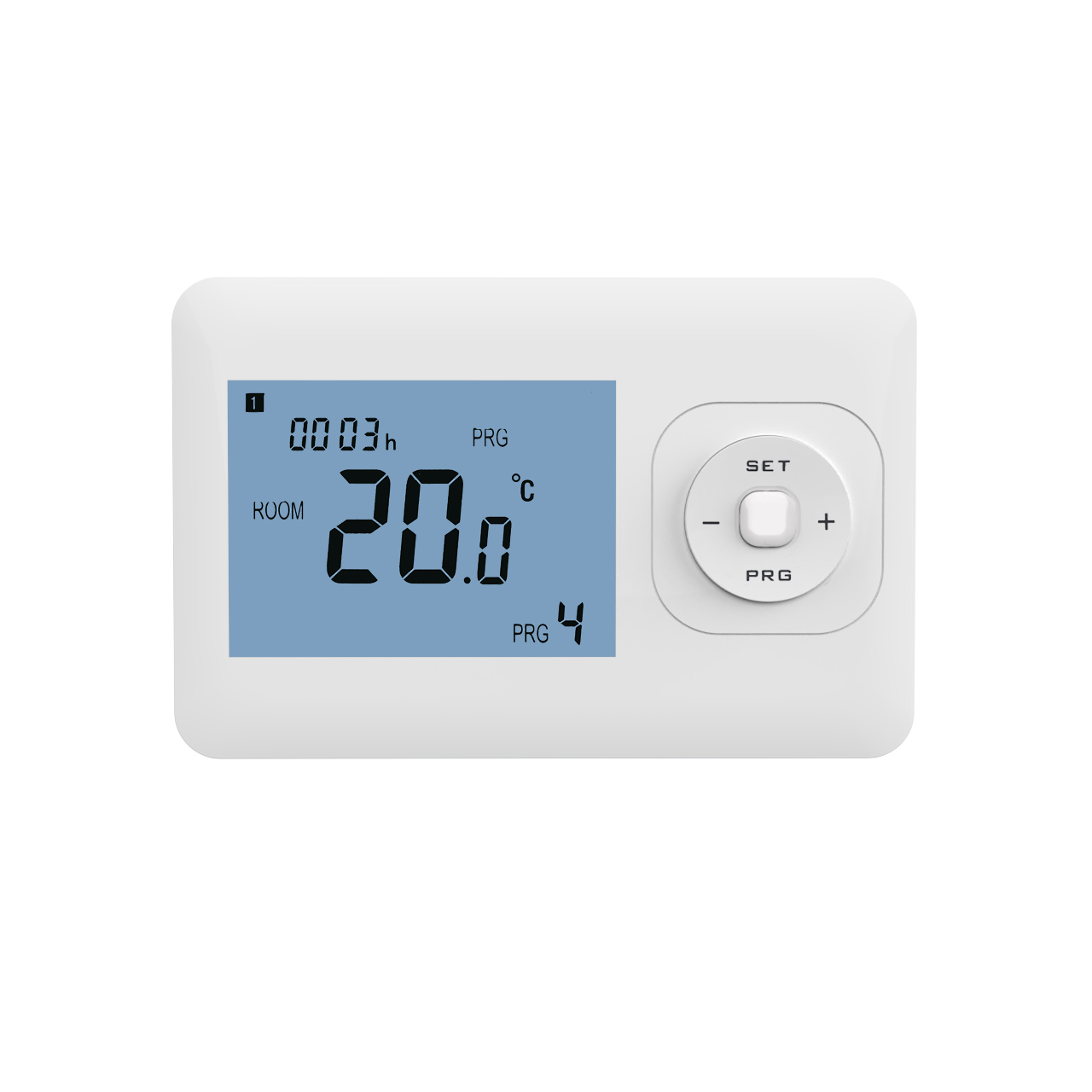
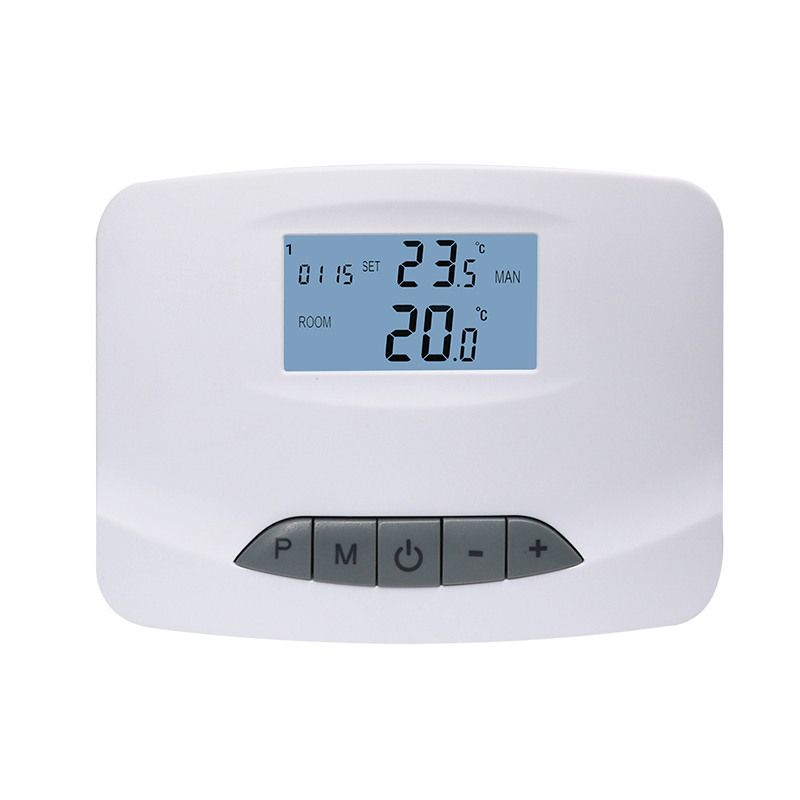
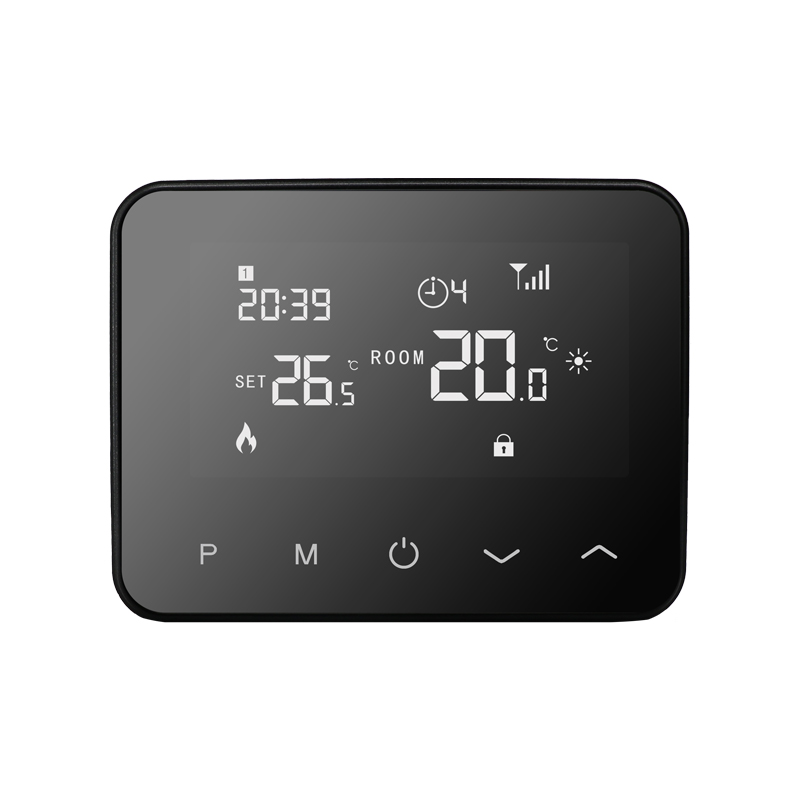
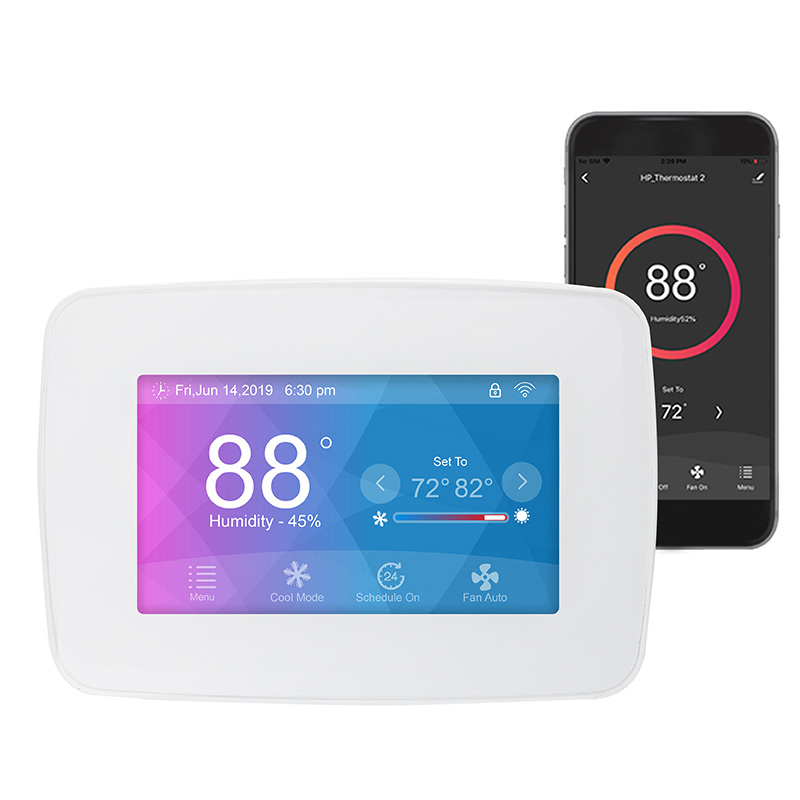
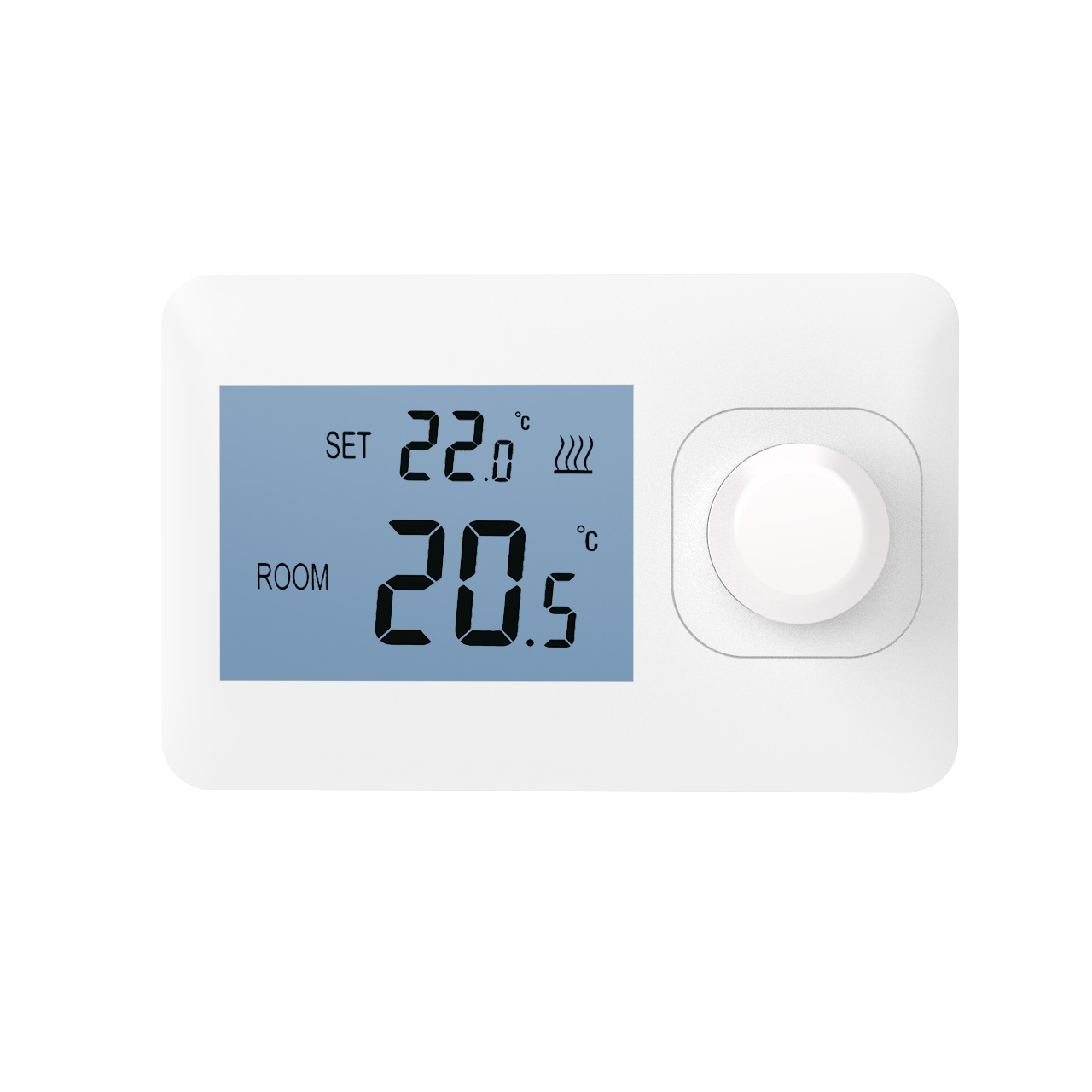
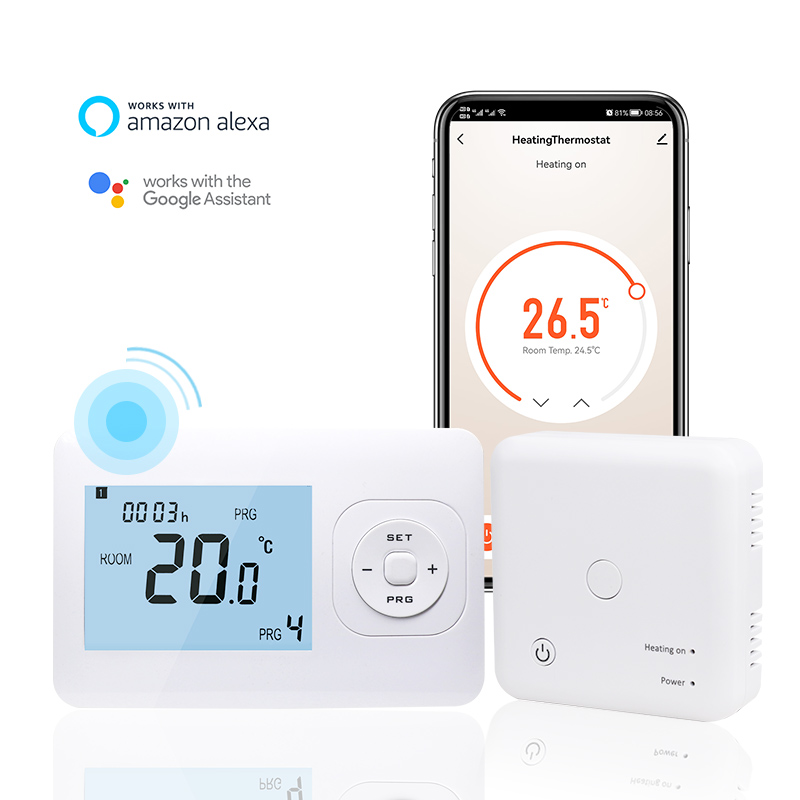
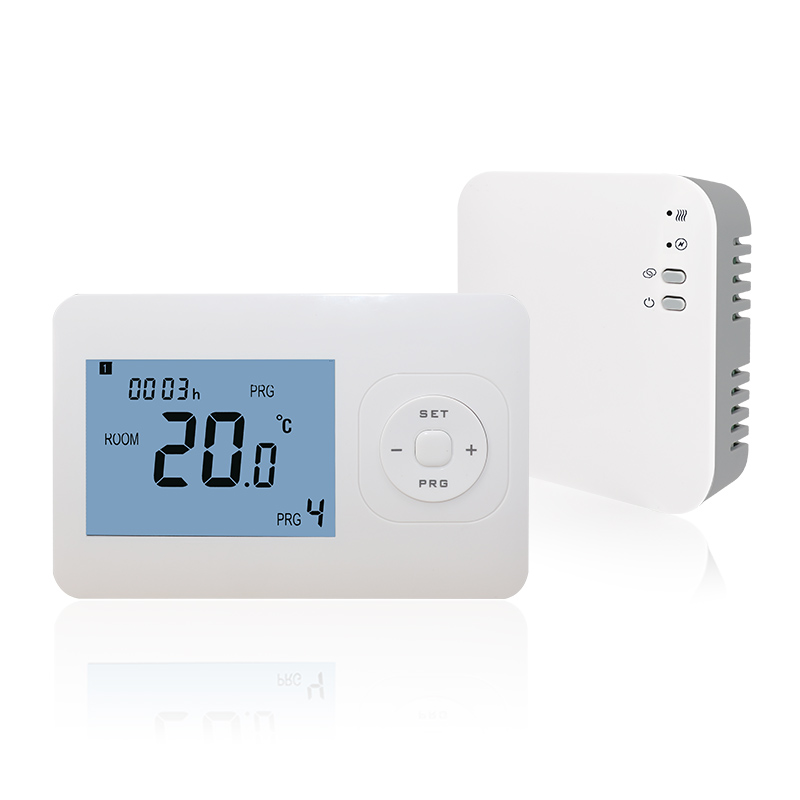
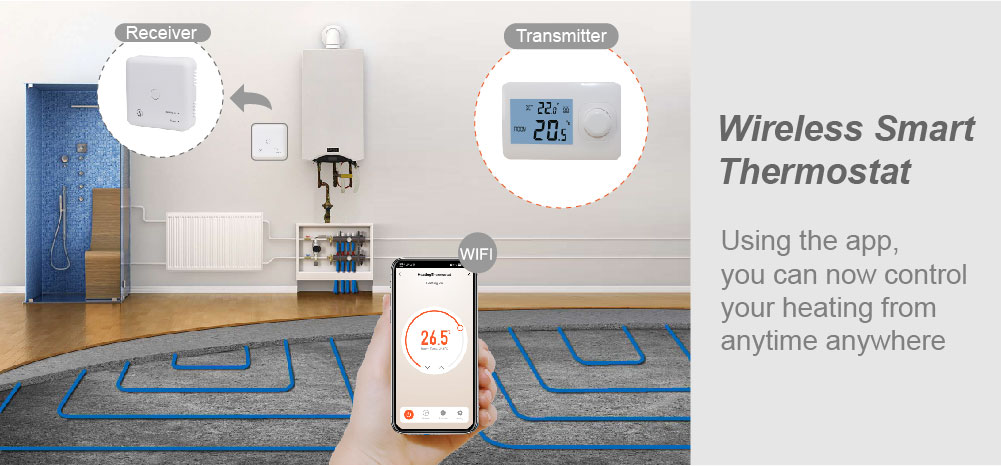
Fan coil unit (FCU) systems are widely used in commercial buildings and residential projects due to their flexible zoning and precise terminal control. Within these systems, the fan coil unit thermostat plays a central role by sensing room temperature, switching operating modes, and controlling equipment operation. As buildings experience changing thermal demands across spring, summer, autumn, and winter, the thermostat’s control logic becomes a critical factor affecting comfort, energy consumption, and system stability.
This article explains the control logic of FCU thermostats under four-season operating conditions.
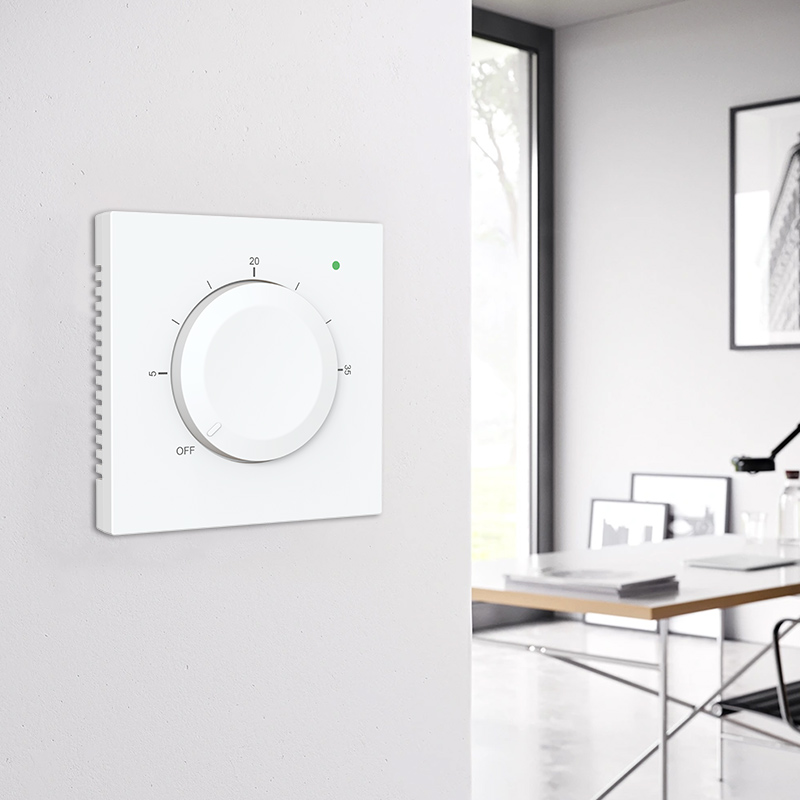
Different Seasonal Requirements for Fan Coil Unit Control
Buildings face significantly different thermal loads throughout the year. Summer operation focuses on cooling, with high loads and long operating hours. Winter operation emphasizes heating, requiring stable water temperature control. Spring and autumn represent transitional seasons, during which cooling and heating demands may frequently alternate.
As a result, FCU thermostats must go beyond basic cooling and heating control. They need well-designed mode selection and precise regulation logic to prevent frequent cycling and heating–cooling conflicts.
Thermostat Control Logic in Summer Cooling Mode
During summer operation, the thermostat typically works in cooling mode. Its core logic compares the room temperature with the setpoint to control chilled water valve operation and fan speed.
When the room temperature is significantly higher than the setpoint, the thermostat opens the cooling valve and selects medium or high fan speed to reduce the temperature quickly. As the temperature approaches the setpoint, the fan speed is gradually reduced, and the valve may close to maintain stable conditions. This staged control strategy helps avoid overcooling and reduces unnecessary energy consumption.
Control Characteristics in Winter Heating Mode
In winter, the thermostat switches to heating mode, applying a control logic opposite to cooling but with higher stability requirements. Heating systems have greater thermal inertia, and improper control may cause temperature fluctuations or localized overheating.
High-quality FCU thermostats therefore use delayed response and gradual adjustment strategies, reducing fan intensity and limiting frequent hot water valve switching as the room temperature nears the setpoint. This improves comfort while protecting valves and piping components.
Automatic Changeover and Anti-Conflict Logic in Transitional Seasons
Spring and autumn present the most complex operating conditions for fan coil systems. Cooling may be needed during the day, while heating is required at night. Without proper changeover logic, thermostats may frequently switch between modes, leading to inefficiency and discomfort.
In four-pipe systems, thermostats select cooling or heating based on system commands or user settings. In two-pipe systems, changeover typically relies on seasonal signals or water temperature detection. Mature control logic introduces a temperature deadband to prevent frequent mode switching near threshold temperatures.
The Role of Fan Speed Control Throughout the Year
Regardless of season, fan speed control is a key element of thermostat logic. Proper fan speed selection directly affects comfort, noise levels, and energy consumption.
During low-load conditions in spring and autumn, thermostats often operate at low speed or in intermittent mode. During high-load summer and winter conditions, multi-speed or automatic fan control ensures efficient operation while maintaining comfort. This season-adaptive fan control strategy is essential for energy-efficient performance.
Impact of Control Logic on Energy Use and Equipment Lifespan
Simple or poorly designed control logic can cause frequent fan and valve operation, increasing energy consumption and accelerating equipment wear. In contrast, thermostats with well-developed four-season control logic significantly reduce unnecessary runtime, enhance system stability, and extend the service life of fan coil units.
Conclusion: Understanding Seasonal Logic Unlocks Thermostat Value
In conclusion, the control logic of fan coil unit thermostats across four seasons reflects a balance between comfort, energy efficiency, and system reliability. By accounting for seasonal load variations, system configuration, and usage scenarios, properly configured thermostats can fully realize the advantages of fan coil systems. For both new construction and retrofit projects, giving due attention to four-season control logic is essential for achieving efficient and stable operation.