






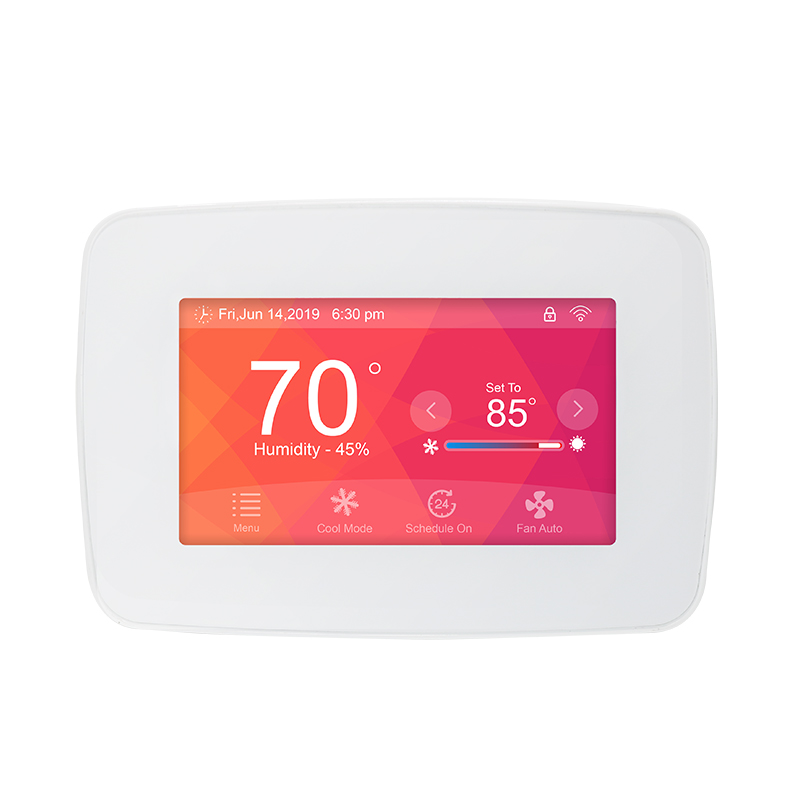
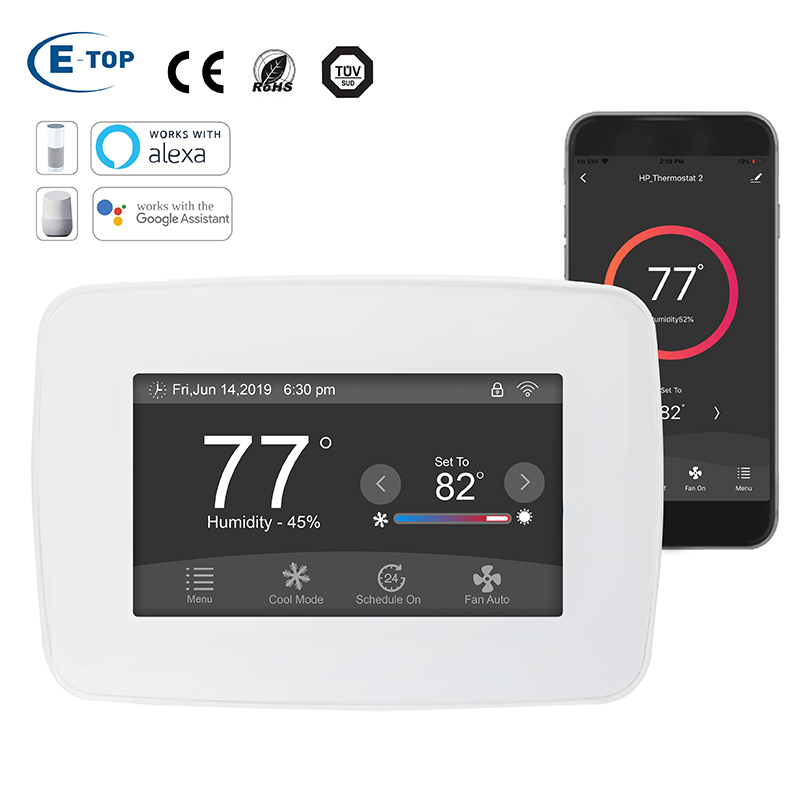
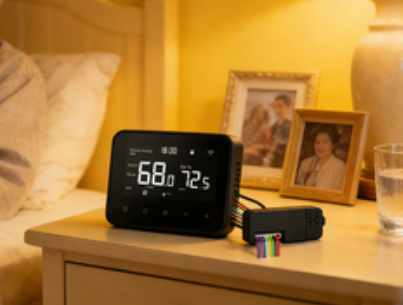
Modern home comfort is increasingly valued, especially the management of underfloor heating systems. Many people encounter this question during renovation: can the central control box for individual room temperature control of my underfloor heating system be used with a wireless thermostat? After all, wireless thermostats are easy to install, have simple wiring, and can be moved at any time, saving effort and worry compared to traditional wired thermostats. However, there are many models of control boxes on the market, with significant differences in functionality, which confuses many users. Understanding whether the control box supports wireless thermostats not only makes underfloor heating use more flexible but also makes home energy management smarter and more energy-efficient.
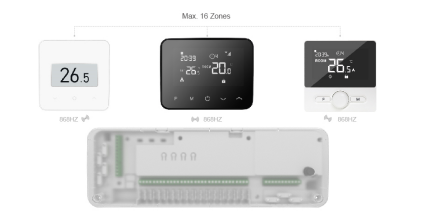
Does the control box itself support wireless thermostats?
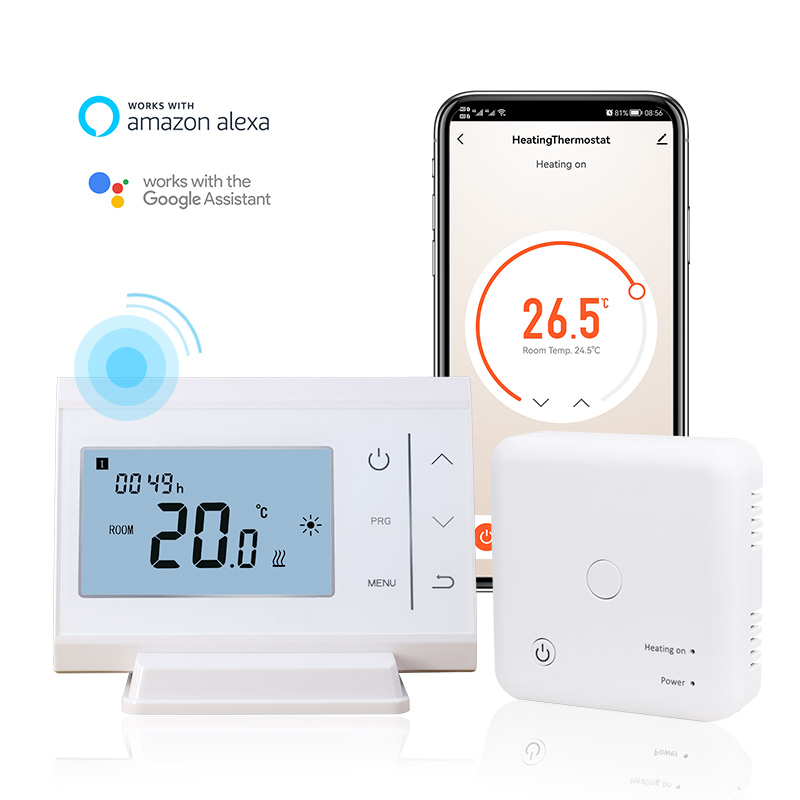
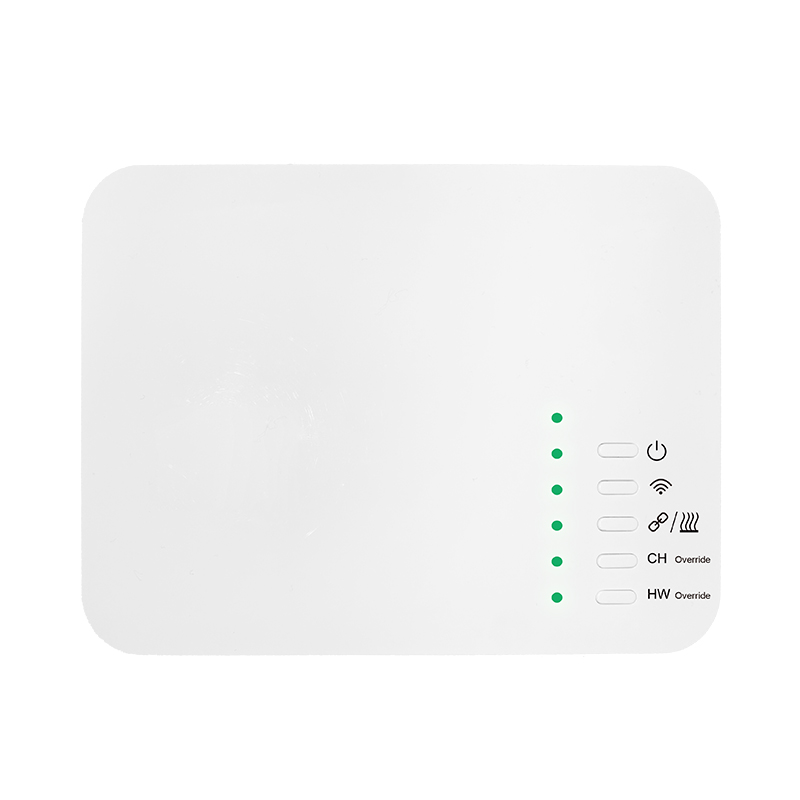
Many central control boxes are designed to support wired thermostats by default, connecting the thermostat to the control box via cable to achieve zone management and water pump adjustment. However, with the development of smart homes, some new underfloor heating control boxes have added wireless modules, supporting communication with wireless thermostats. These control boxes typically specify in their product manuals that they “support wireless thermostats” or “support RF/433MHz/Zigbee/Wi-Fi thermostats,” meaning you can independently adjust the temperature in each room without wiring. If your control box doesn’t specify this feature, you may need an additional wireless receiver module or a wireless-enabled control box to use a wireless thermostat.
What are the advantages of wireless thermostats?
Compared to traditional wired thermostats, wireless thermostats offer three main advantages:
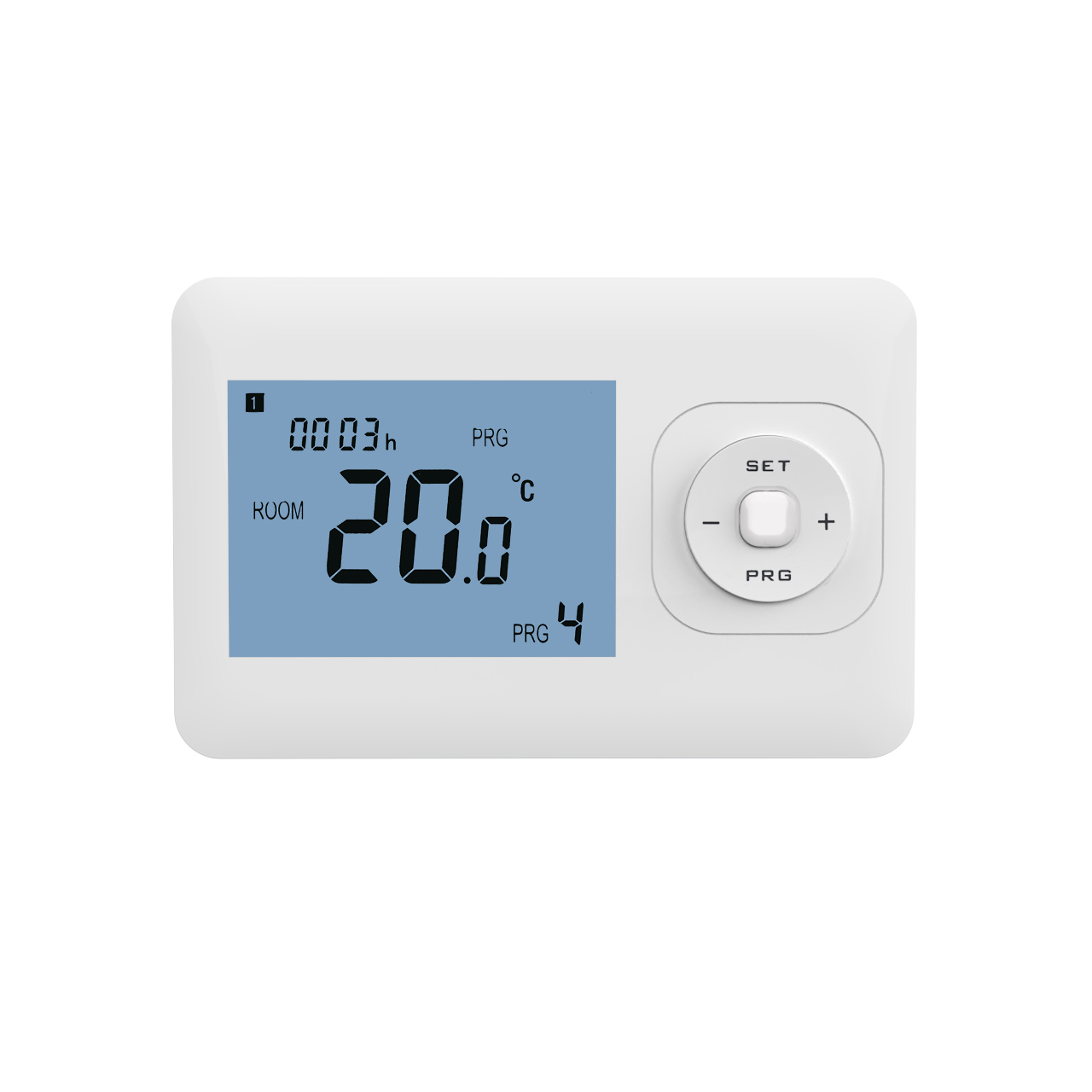
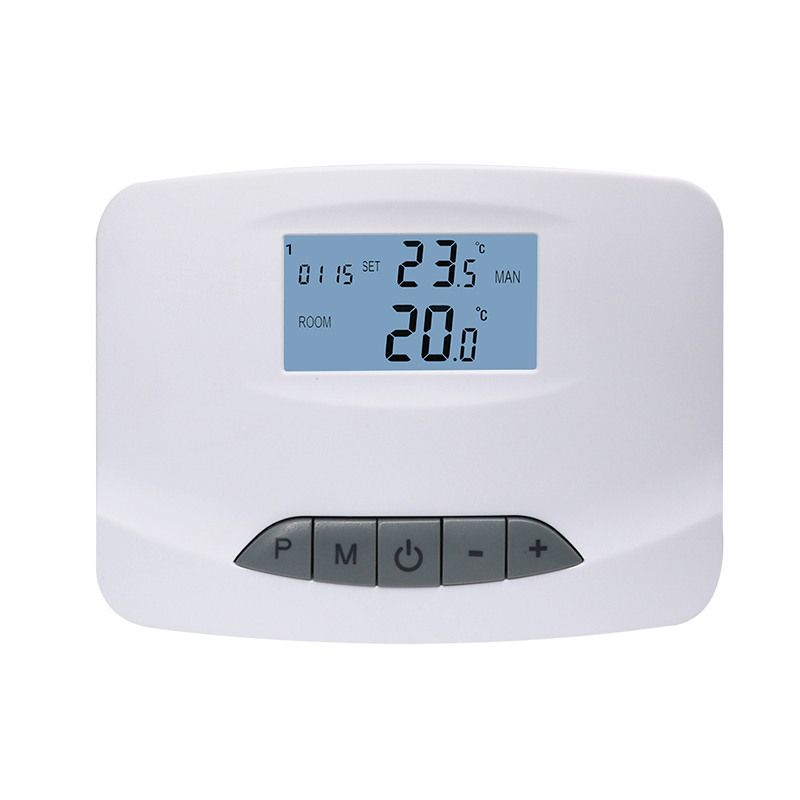
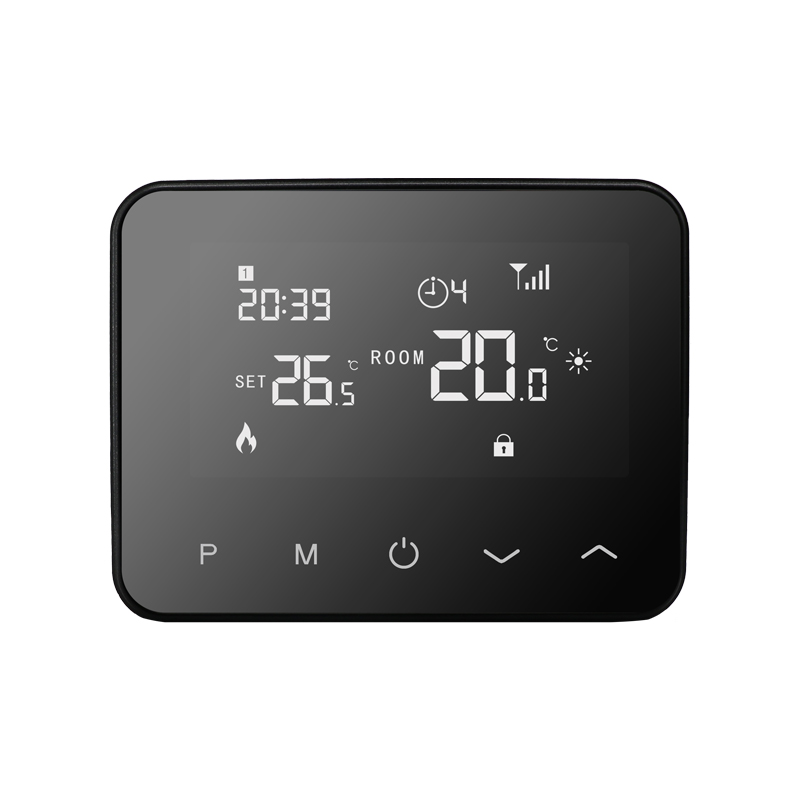
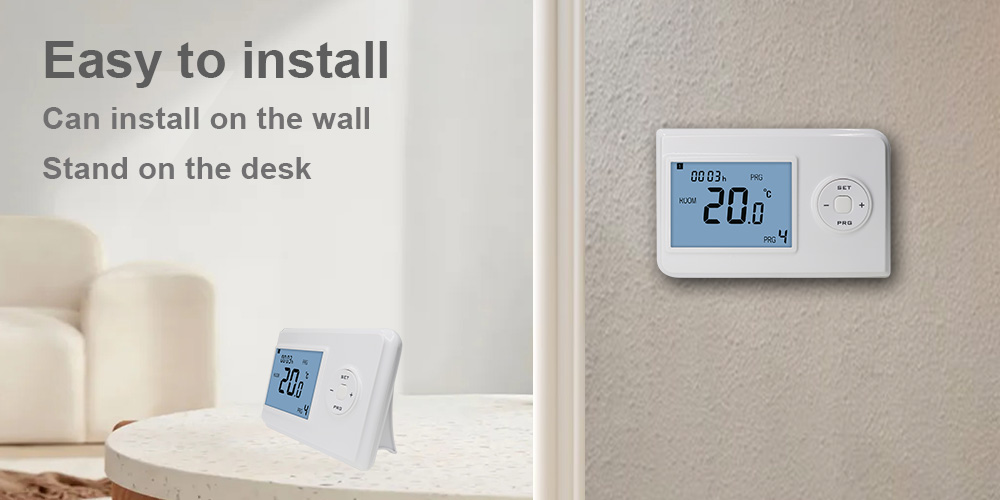
Easy installation: No need for wall wiring; even after renovation, installation won’t damage the walls.
Flexible relocation: You can adjust the thermostat’s location as needed, such as moving it from the living room to the bedroom, or placing it near a sunny window to avoid errors.
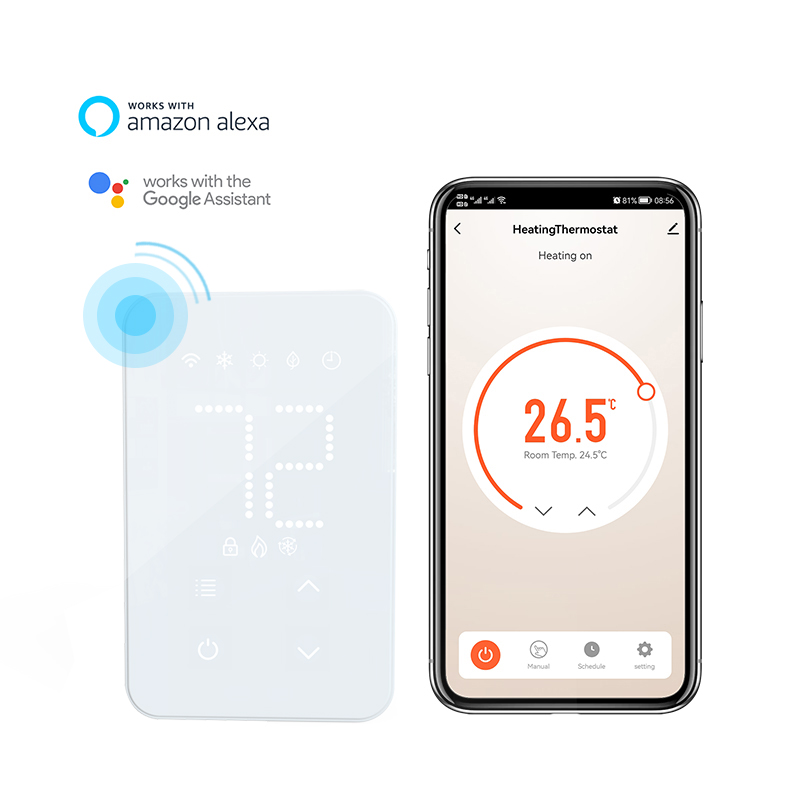
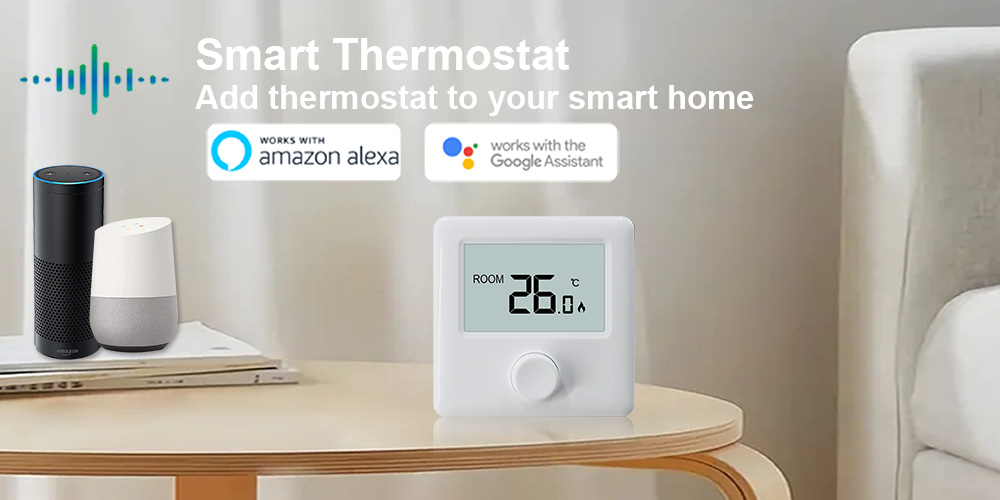
Smart connectivity: Some wireless thermostats can connect to an app for remote temperature adjustment, timed on/off switching, and energy statistics, making your underfloor heating system more convenient and energy-efficient.
However, it’s important to note that wireless thermostats rely on signal transmission. Wall thickness, excessive distance, or excessive interference can affect control stability. In such cases, a signal repeater or a model with a stronger signal may be necessary.
Precautions for Installing Wireless Thermostats
Even if the control box supports wireless thermostats, several key points need attention during installation:
Signal Coverage: Ensure the distance between the control box and each room’s wireless thermostat is within a controllable range to avoid control failure due to weak signal.
Power Management: Wireless thermostats are mostly battery-powered, requiring regular battery replacement to ensure stable operation.
Control Box Setup: Some centralized control boxes require binding the wireless thermostat to the system beforehand to ensure accurate temperature data transmission for each room.
Thermostat Placement: Avoid placing the thermostat directly in front of radiators or air conditioner vents to prevent inaccurate temperature measurements and affect comfort.
With proper installation and debugging, the use of a centralized control box for individual room temperature control in conjunction with a wireless thermostat can significantly improve home comfort and energy efficiency.
When is it unsuitable to use a wireless thermostat?
While wireless thermostats are convenient and flexible, they are not suitable in some situations:
Old control boxes: Older centralized control boxes only support wired thermostats and cannot be upgraded to wireless functionality.
Severe signal interference: Buildings with high ceilings, thick walls, or many metal structures may experience unstable wireless signals.
Limited budget: Wireless thermostats are slightly more expensive than regular wired thermostats, increasing the overall cost if the home has many rooms. In these cases, it is recommended to consider wired thermostats or purchase a newer control box with a built-in wireless receiver module.
Whether a centralized control box for individual room temperature control of underfloor heating supports wireless thermostats depends on whether the control box itself has wireless communication capabilities. Newer smart control boxes generally support wireless thermostats, offering convenient installation, high flexibility, and remote management via an app, improving energy efficiency. Older or lower-end control boxes may only support wired thermostats, requiring additional accessories or equipment replacement to achieve wireless control. When choosing a wireless thermostat, pay attention to details such as signal coverage, power supply, and placement to ensure the underfloor heating system can achieve zoned control, comfort, and energy savings.