






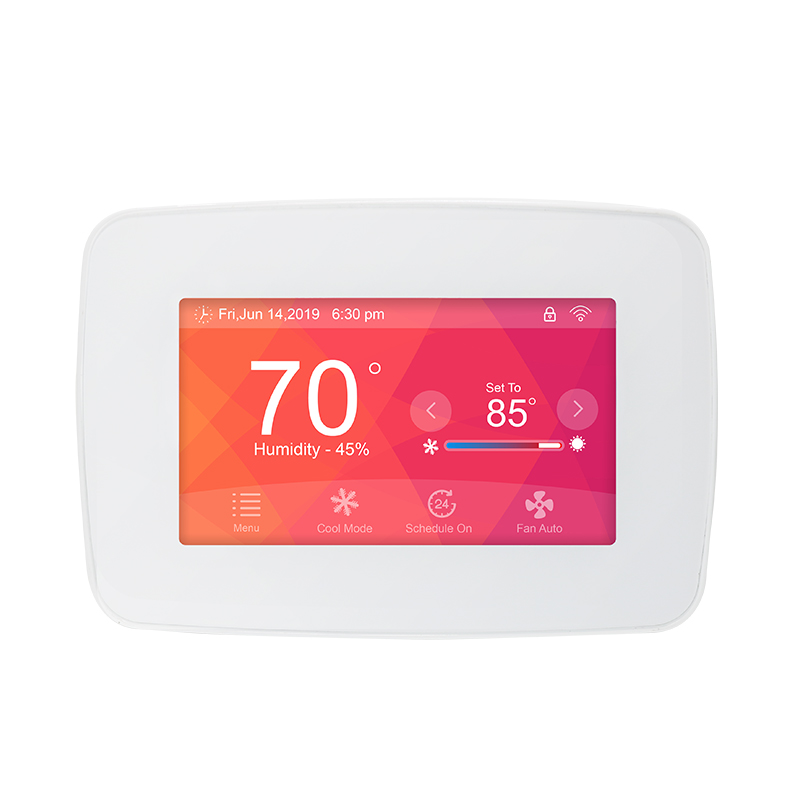
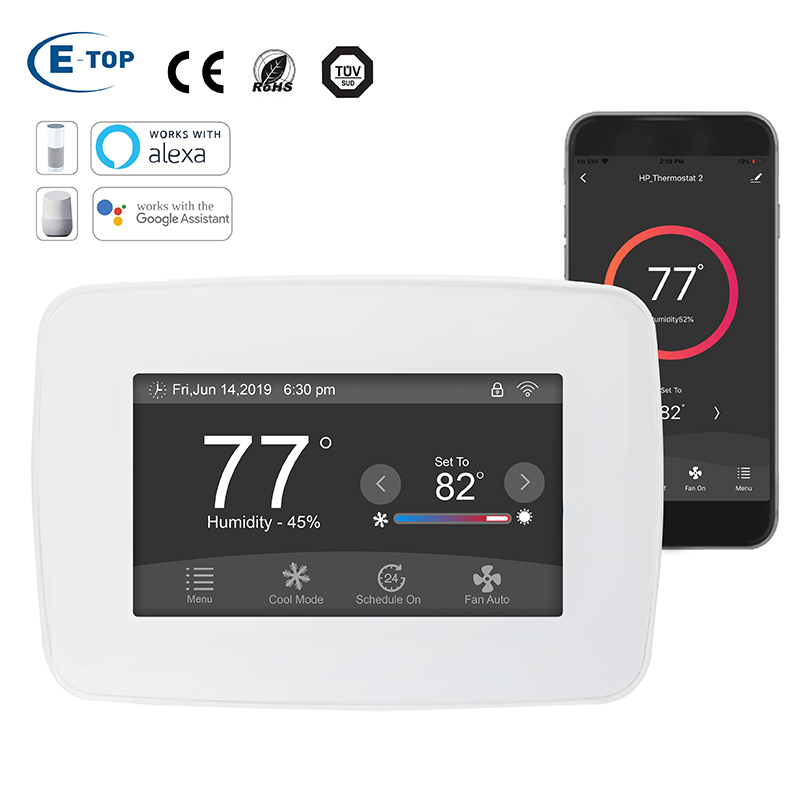
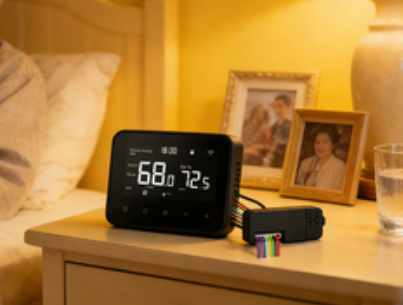
With the rise of smart homes, home environment control has evolved from simple light switches and temperature adjustments to a fully automated and intelligent experience. A smart plug-in thermostat is an essential part of a smart home system. It not only provides precise indoor temperature control but also connects with other smart devices to create a comfortable, energy-efficient, and convenient living environment. So, how does a smart plug-in thermostat integrate into a smart home system? This article explores its functions, connectivity, applications, and usage tips.
Core Functions of a Smart Plug-In Thermostat
Compared to traditional plug-in thermostats, smart models offer a range of intelligent features:
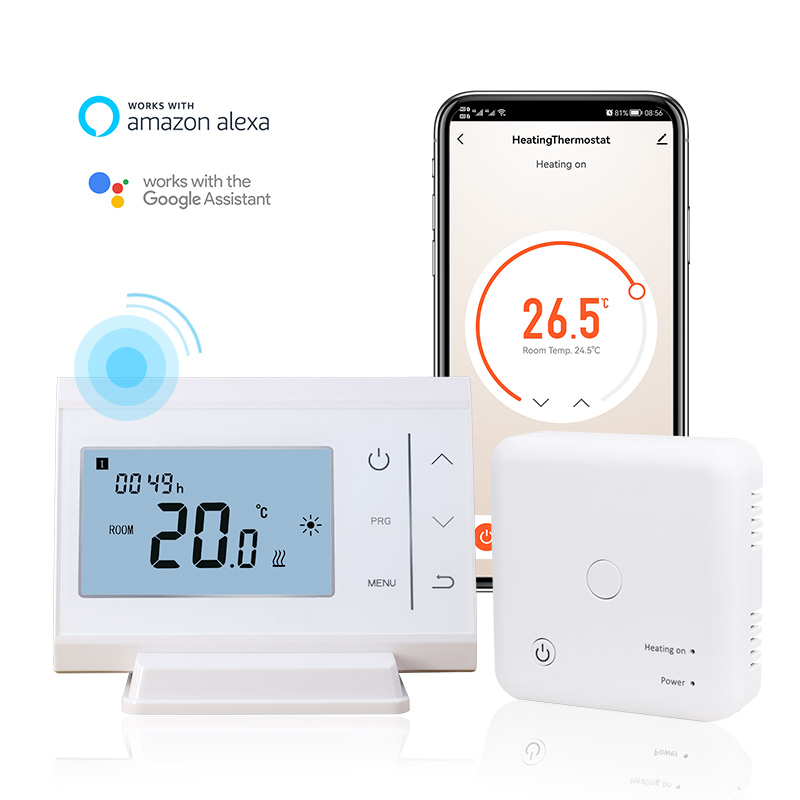
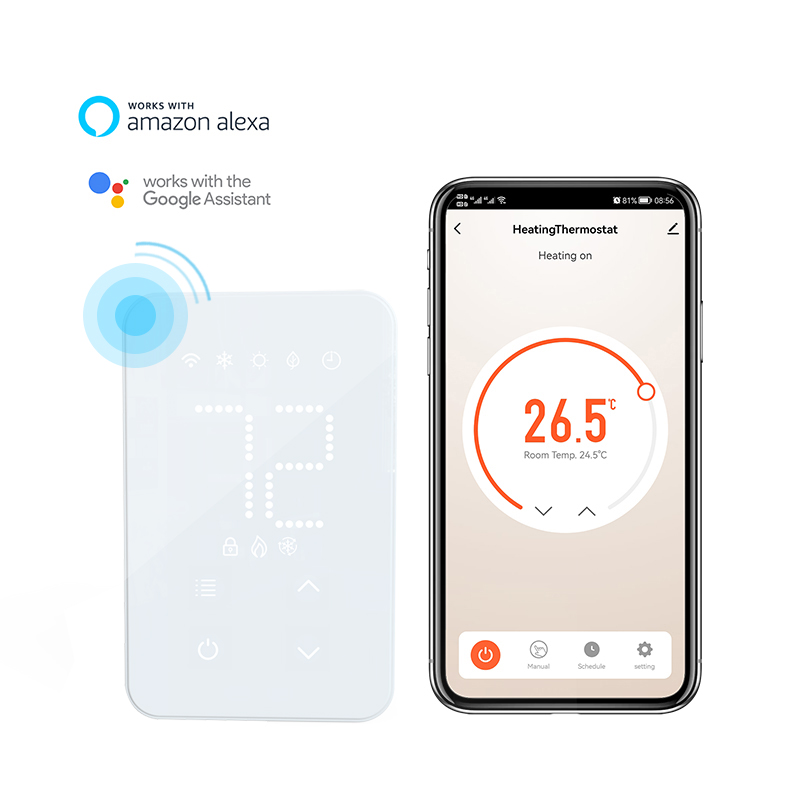
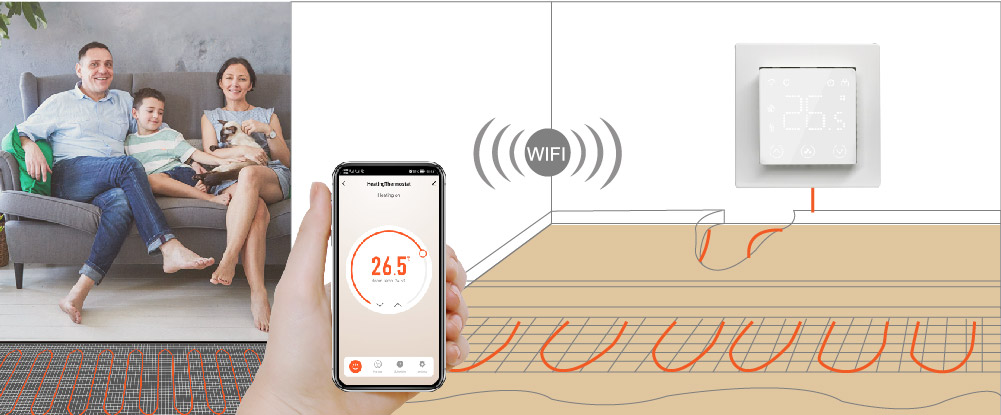
Remote Control: Adjust indoor temperature via a smartphone app from anywhere, ensuring comfort upon returning home.
Automatic Adjustment: Features temperature sensing and scheduling, automatically regulating output to save energy.
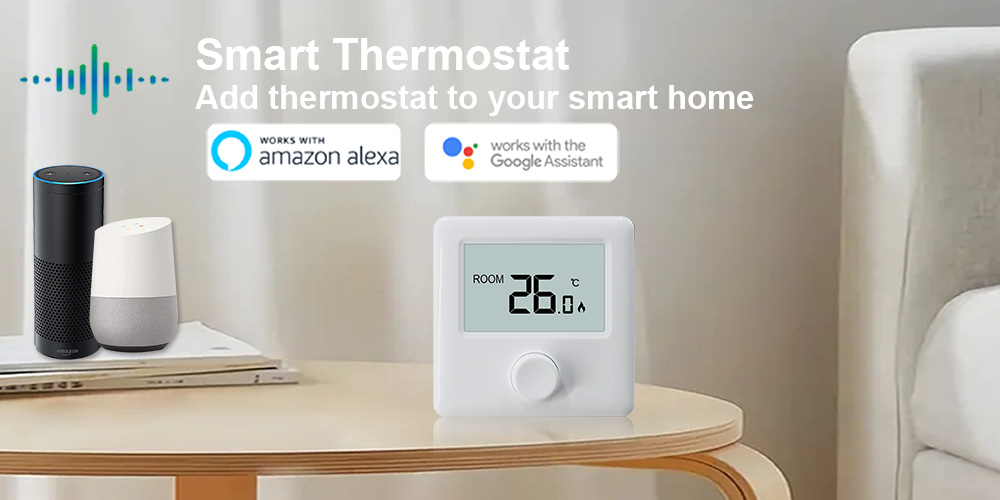
Voice Control: Compatible with major voice assistants (such as Alexa, Google Assistant, Siri, or local assistants), allowing convenient hands-free operation.
Data Logging and Analysis: Some smart thermostats track usage and provide energy consumption reports or suggestions to optimize temperature settings.
These features make smart plug-in thermostats not just temperature regulators but key components in automated and energy-efficient smart home systems.
Ways to Integrate into a Smart Home System
Smart plug-in thermostats can connect with smart home systems in several ways:
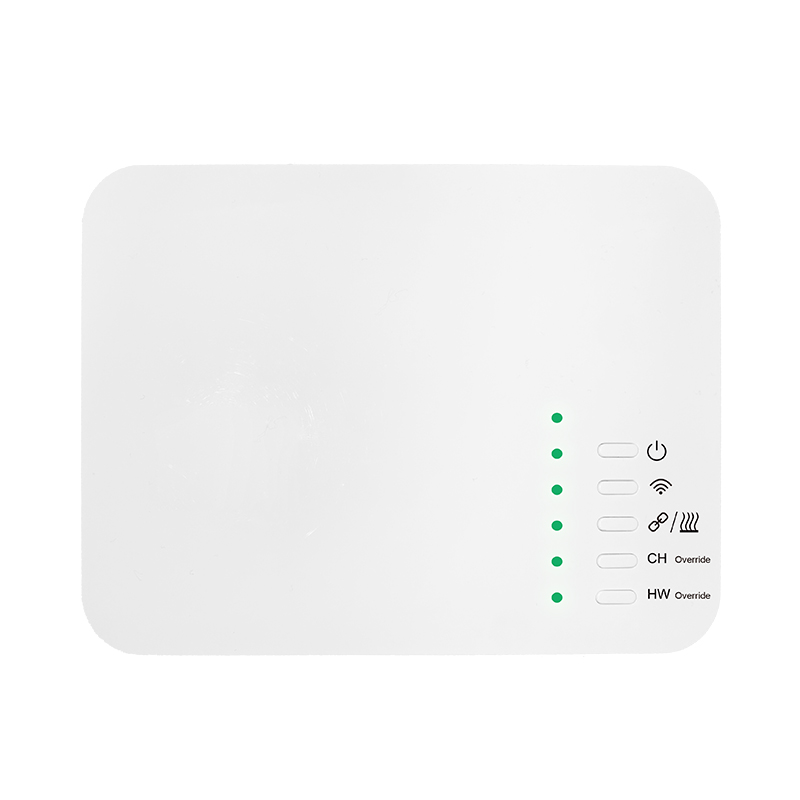
Wi-Fi Connection: Connects to the home router to interact with mobile apps and cloud platforms, enabling remote control and data synchronization.
Bluetooth Pairing: Some models support Bluetooth, allowing quick pairing with smart speakers or control hubs.
Smart Platform Integration: Adding the thermostat to platforms like Apple HomeKit, Mi Home, SmartThings, or other smart home ecosystems enables coordinated control with lights, air purifiers, curtains, and more.
Scene and Automation Setup: Create scenarios such as “Home Mode” or “Sleep Mode” so the thermostat automatically adjusts temperature based on the set conditions.
Through these methods, the thermostat can operate both independently and as part of a fully integrated smart home system.
Typical Application Scenarios
Comfort Mode at Home: Works with motion sensors to automatically adjust temperature when rooms are occupied and lower it when empty, saving energy while maintaining comfort.
Remote Control and Preheating: Turn on heating remotely via app or voice commands, so the home is comfortable upon arrival.
Linked with Air Purifiers and Humidifiers: In cold or dry weather, the thermostat can coordinate with humidifiers to maintain ideal humidity for better comfort.
Energy Management: Using consumption data, the thermostat optimizes temperature settings to reduce electricity bills.
These scenarios highlight the smart plug-in thermostat’s value as a central component in smart homes, enhancing comfort while promoting energy efficiency.
Usage Tips and Precautions
Choose Compatible Platforms: Confirm that the thermostat works with your smart home platform and voice assistants for seamless integration.
Ensure Stable Network: Reliable Wi-Fi or Bluetooth is essential for remote control and device interconnectivity.
Regular Firmware Updates: Keep the device firmware up to date via the app or smart platform for enhanced features and security.
Safety Measures: Avoid placing the thermostat in damp areas or near flammable materials to ensure electrical safety.
Conclusion
Smart plug-in thermostats integrate into smart home systems via Wi-Fi, Bluetooth, and platform connectivity, enabling remote control, automatic adjustment, voice operation, and device automation. Whether for comfort mode, remote preheating, or energy management, smart thermostats enhance convenience, comfort, and efficiency. Choosing a device that is compatible with major platforms, has stable connectivity, and offers comprehensive features is key to building an effective smart home system, making temperature management intelligent, automated, and energy-efficient.