
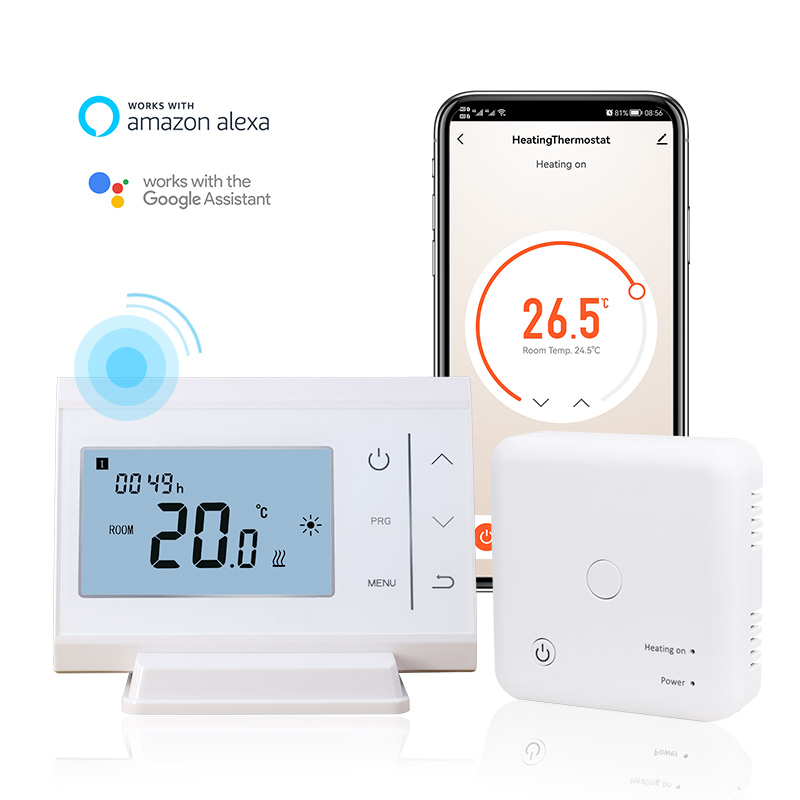
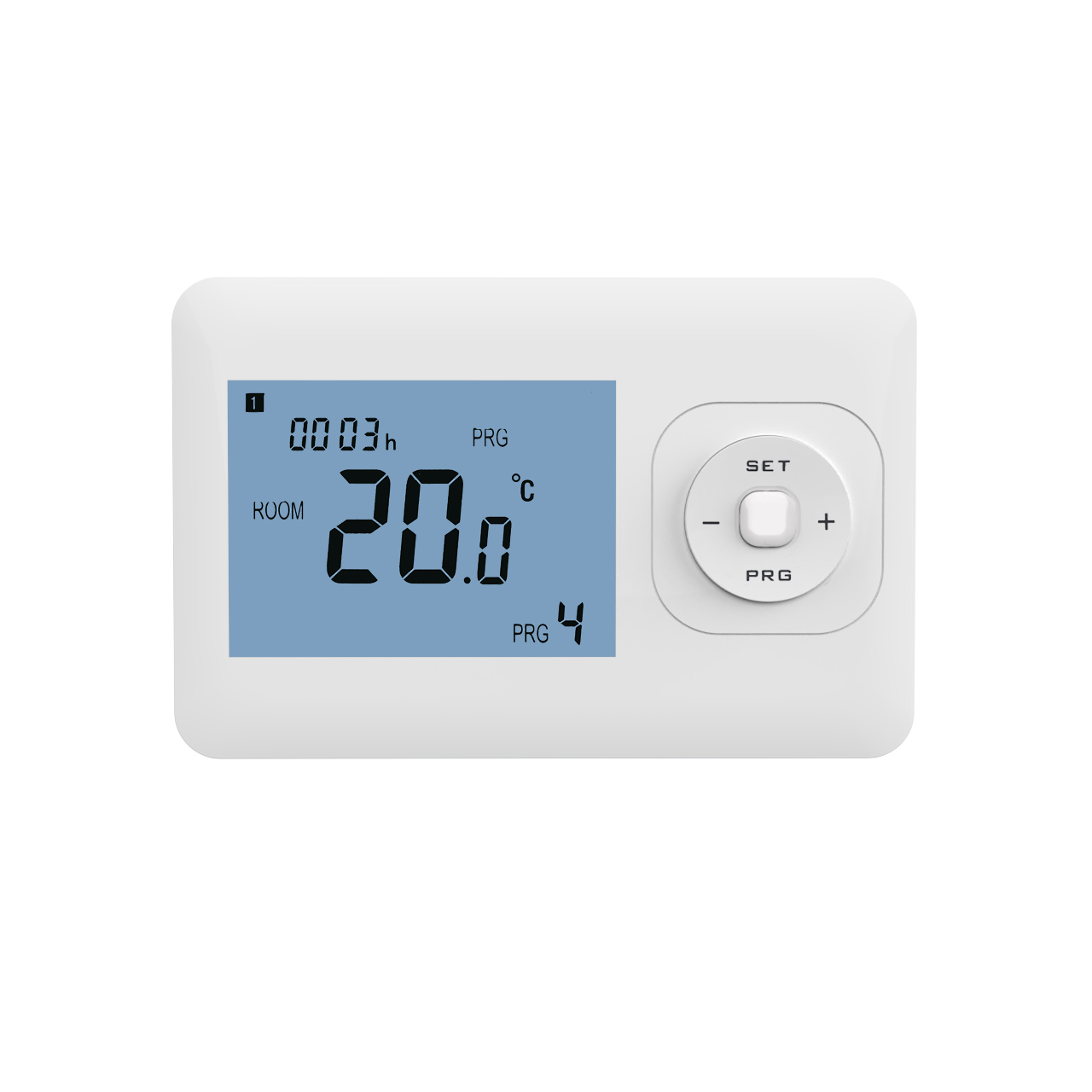
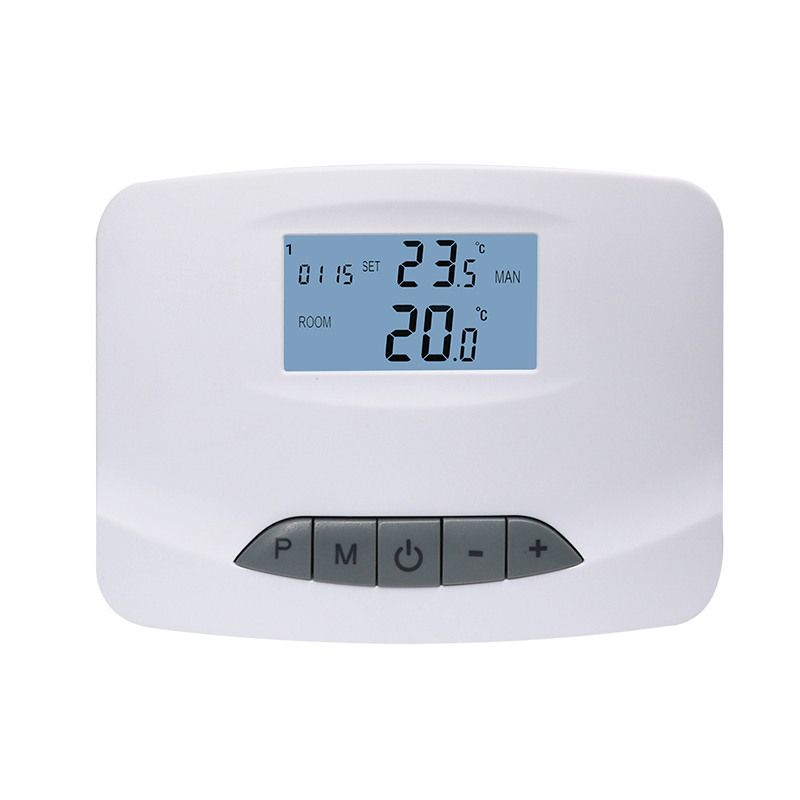
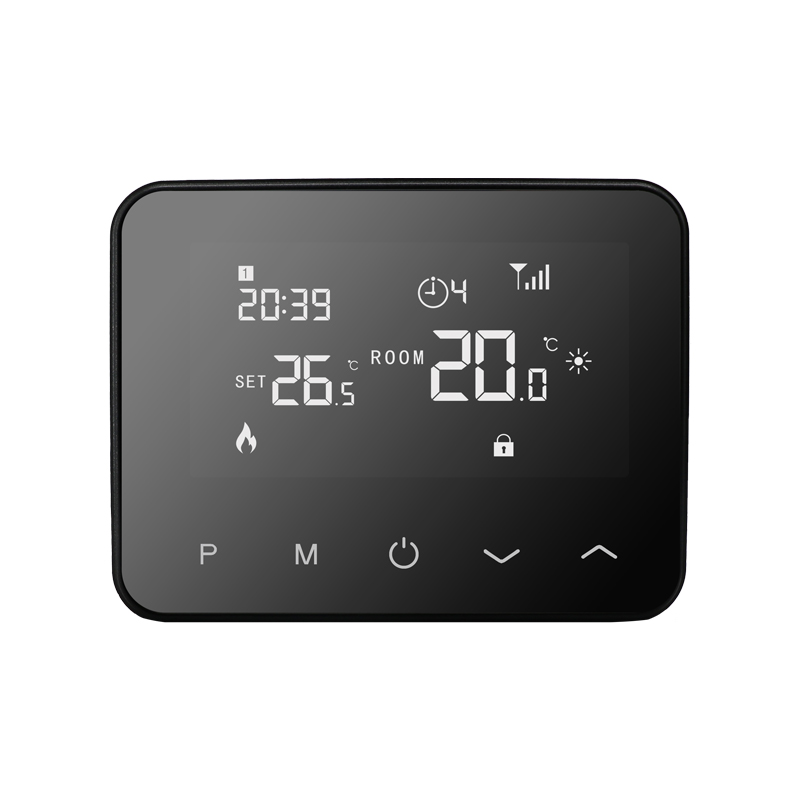
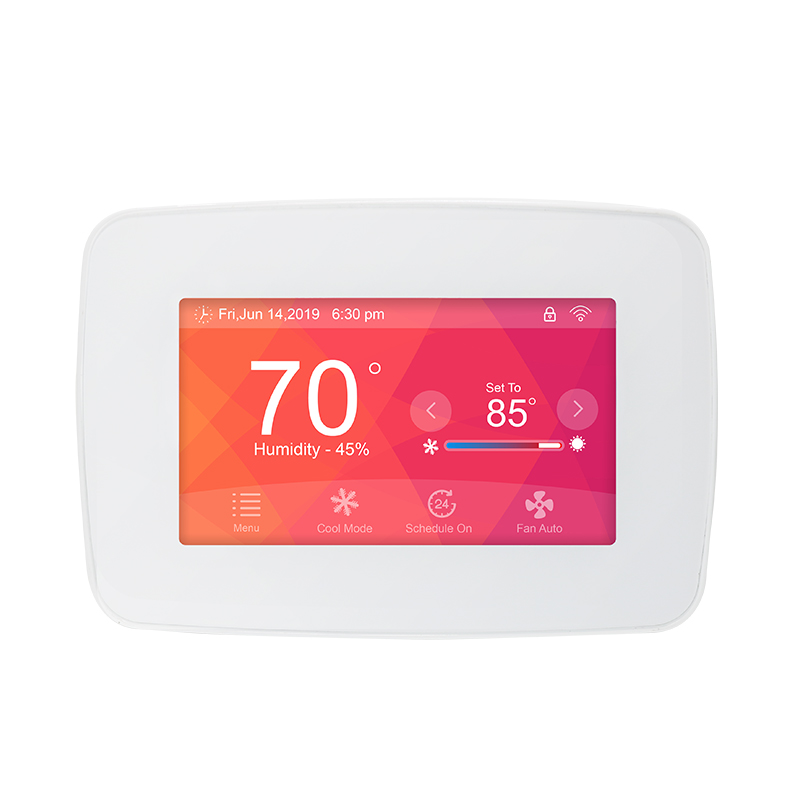
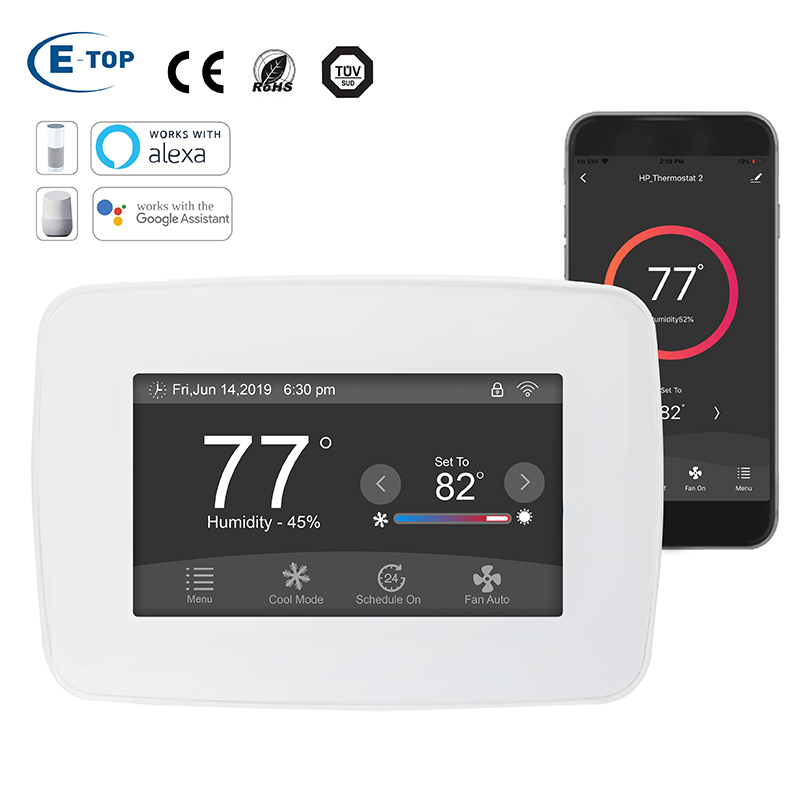
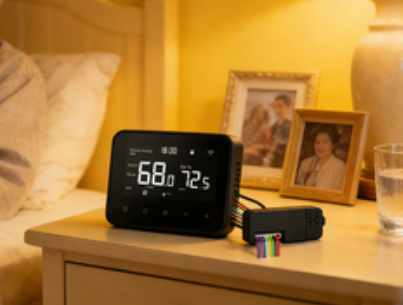
In modern building environments, air conditioning and heating equipment have become fundamental infrastructure for ensuring comfortable living and efficient work. Especially in hotels, apartments, dormitories, hospitals, and office buildings, PTAC heat pump systems are widely used to achieve zoned control and independent management. In this system, the thermostat, though just a small device mounted on the wall, plays a crucial control role. Many people interact with thermostats daily but lack understanding of their working principles and basic functions, easily leading to misunderstandings during use or maintenance. In reality, the thermostat is not simply a “switch panel,” but a vital core component that determines how the system operates. The PTAC heat pump thermostat is specifically designed for this type of air conditioning system. It not only regulates temperature but also handles mode switching, fan control, and various operational principle judgments. A lack of understanding of its basics can easily lead to problems during selection, installation, or use, such as functional mismatch, unstable control, or excessive energy consumption.
What is a PTAC System?
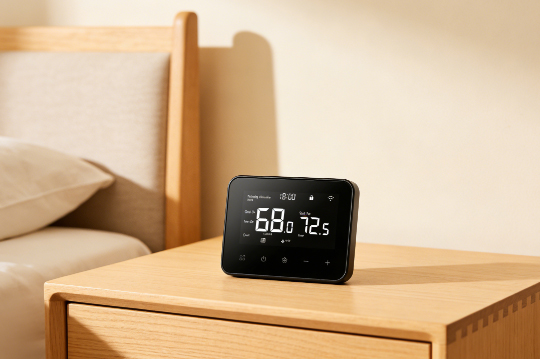
To understand heat pump PTAC thermostats, you first need to know what PTAC is. PTAC is an abbreviation for “Package Terminal Air Conditioning,” typically installed on walls or under windows, with one unit responsible for cooling and heating one room. This system is characterized by its high independence, easy installation, and simple maintenance. Each room can have its temperature controlled independently, without affecting others, making it ideal for hotel rooms or apartments. Compared to centralized air conditioning, PTAC systems require no complex piping, have clearer energy distribution, and are easier to manage.
What is a Heat Pump Function?
Heat pumps are a common heating method in PTAC systems. Unlike traditional electric heating, heat pumps heat indoor air by transferring outdoor heat, resulting in higher energy efficiency. Heat pumps can both cool and heat; simply switch the operating direction. This integrated cooling and heating design allows one unit to be used year-round without the need for additional heating equipment. Due to its significant energy-saving effect, heat pumps have become a standard feature in many PTAC units.
Basic Definition of a Thermostat
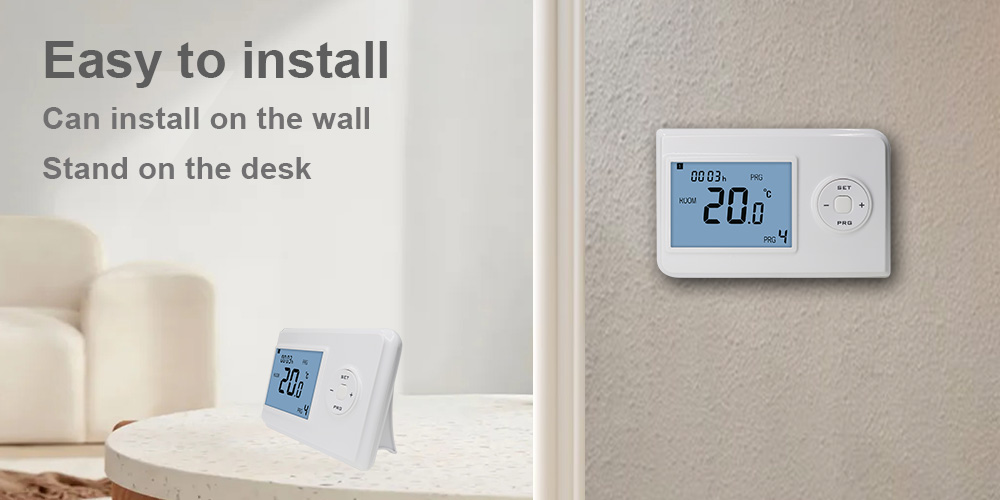
A PTAC heat pump thermostat is a dedicated controller used to control the operating status of a PTAC heat pump system. It is typically installed on an indoor wall and operated via buttons, knobs, or a touchscreen. The thermostat’s main function is to sense the indoor temperature and automatically control the start and stop of the equipment based on the user-set target temperature. It also selects the operating mode, such as cooling, heating, fan operation, or shutdown. In essence, the thermostat is the “brain” of the entire air conditioning system.
Main Functional Components
A standard PTAC heat pump thermostat typically has several basic functions. First, temperature detection, using a built-in sensor to measure the indoor temperature in real time. Second, mode control, allowing switching between cooling/heating modes and fan mode. Third, output control, sending commands to the compressor, fan, and auxiliary heating devices. Fourth, a display and operating interface, allowing the user to clearly see the current status and make settings. Some models also feature multi-stage heating and cooling control, enabling more precise temperature adjustment and smoother operation.
Brief Explanation of Working Principle
The working principle of a heat pump PTAC thermostat is not complicated. After the user sets the target temperature, the thermostat continuously compares the current room temperature with the set value. If the room temperature is higher than the set value, cooling is activated; if the room temperature is lower than the set value, heating is activated. When the temperature reaches the target range, the system automatically stops or runs at a low speed. This automatic cycle control method ensures comfort while avoiding energy waste. Multi-level control models can also select different operating levels according to the temperature difference, making temperature changes smoother.
Common Types and Features
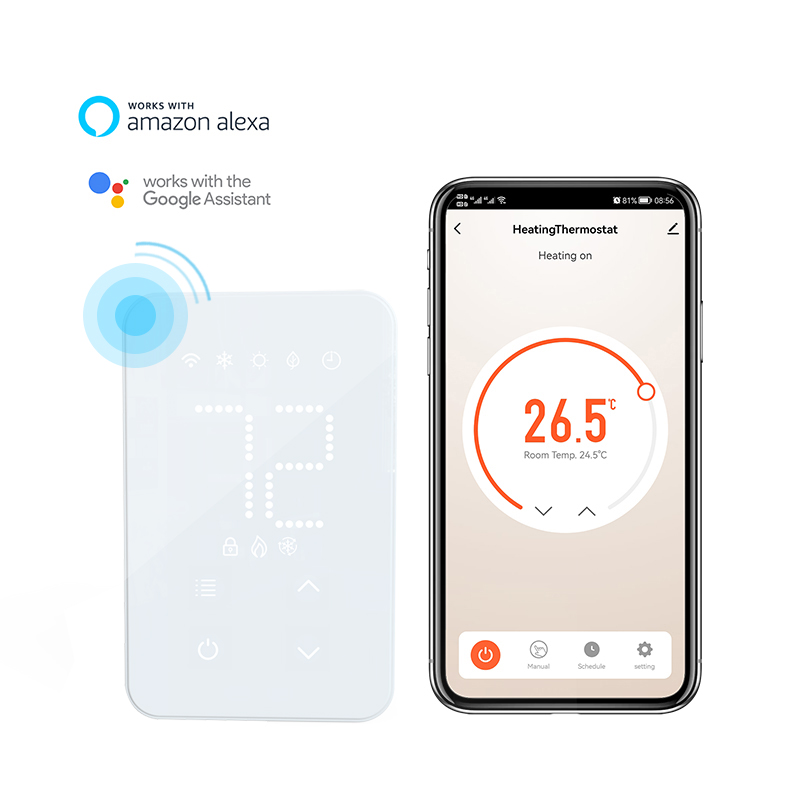
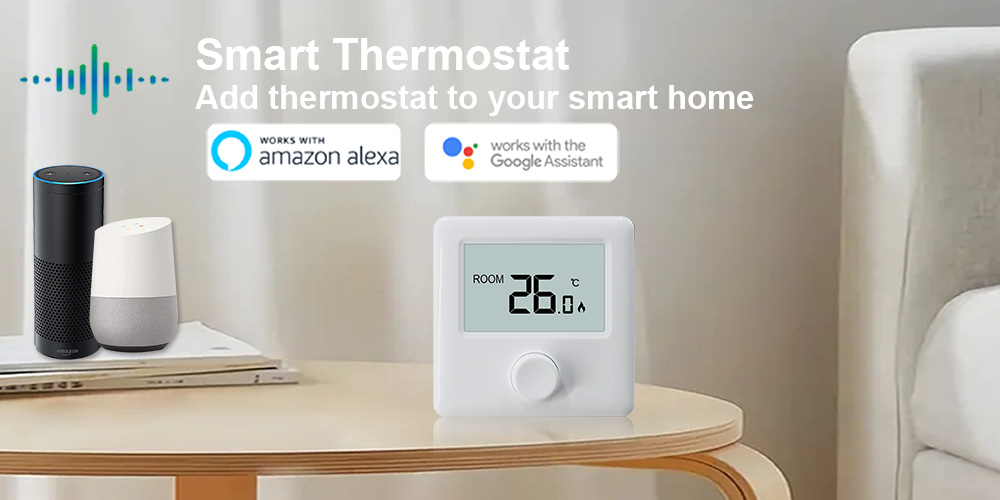
Currently, heat pump PTAC thermostats on the market are roughly divided into basic and intelligent types. Basic types focus on simplicity and practicality, suitable for places that only require basic temperature control; intelligent types add functions such as WIFI connectivity, remote control via mobile phone, and voice assistant, enabling more convenient operation and centralized management. In addition, some products also support multi-module control or energy-saving limiting functions, making them more suitable for environments such as hotels and apartments that require unified management.
Although the heat pump PTAC thermostat is small in size, it plays a core role in the entire air conditioning system. It connects user needs with equipment operation, achieving automatic adjustment of the indoor environment through temperature detection, mode judgment, and command control. From the PTAC system structure to the heat pump working principle, and then to the function and operation mode of the thermostat, each link works together to ensure the stable operation of the system.