






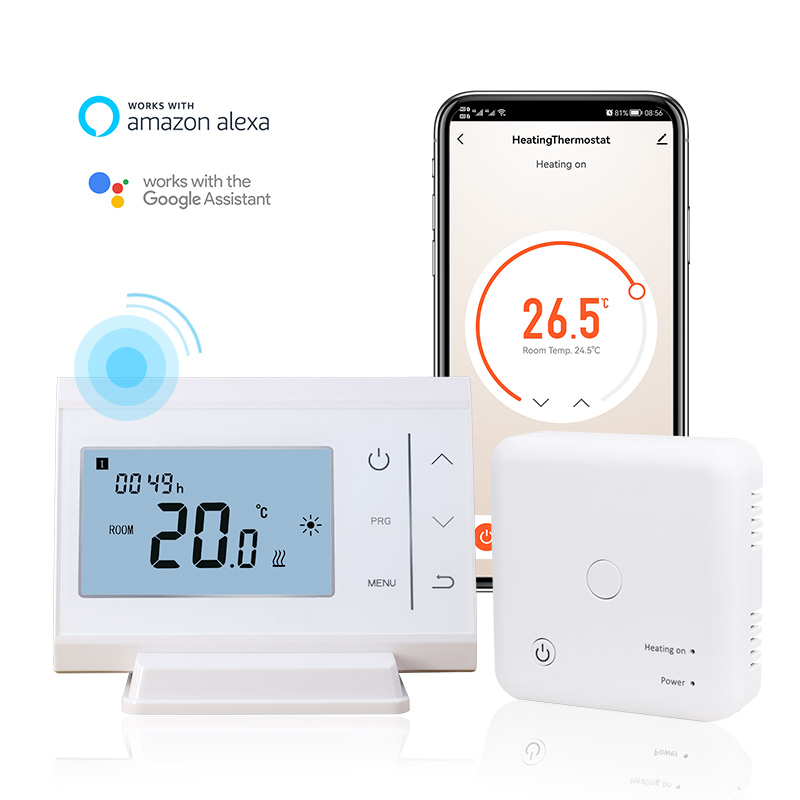
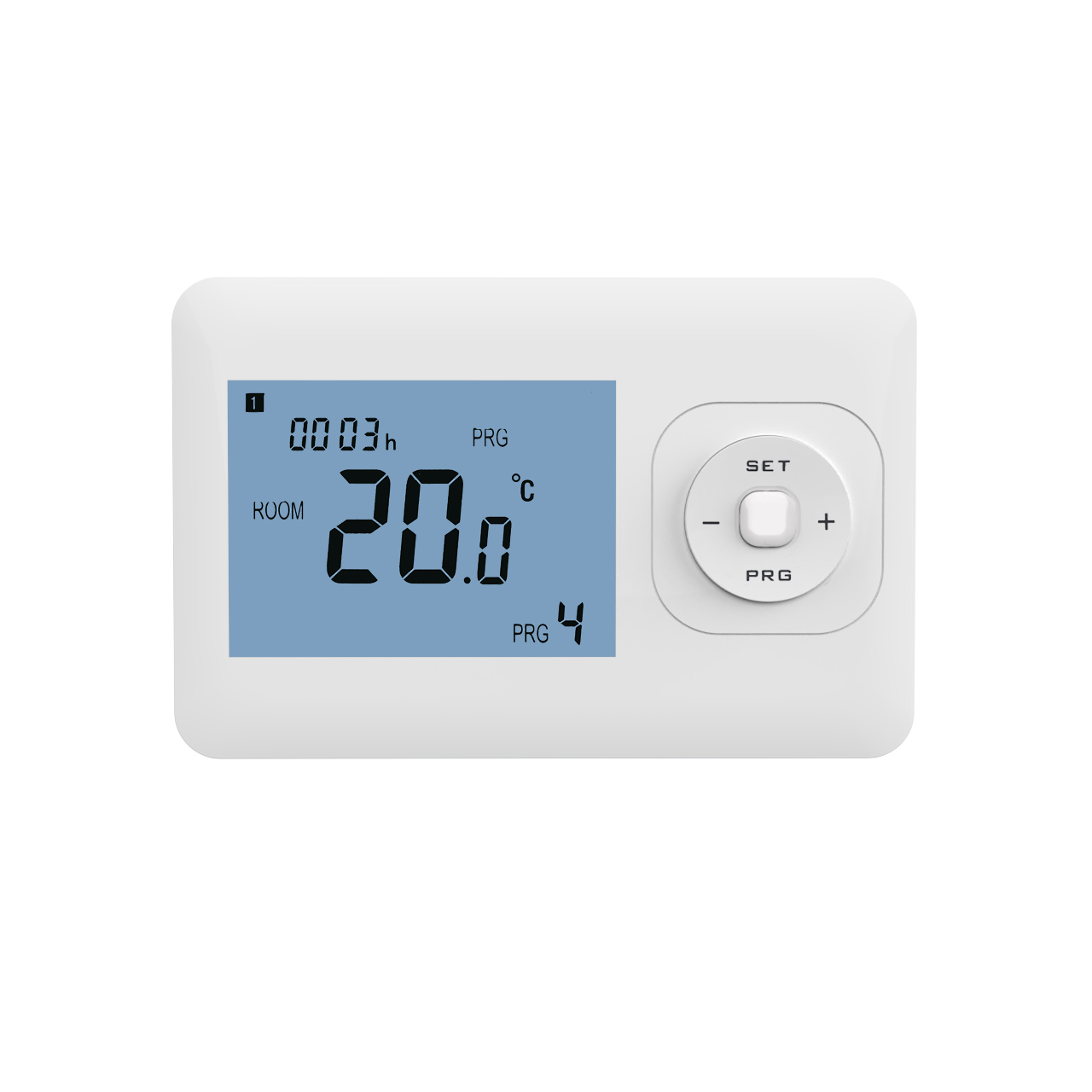
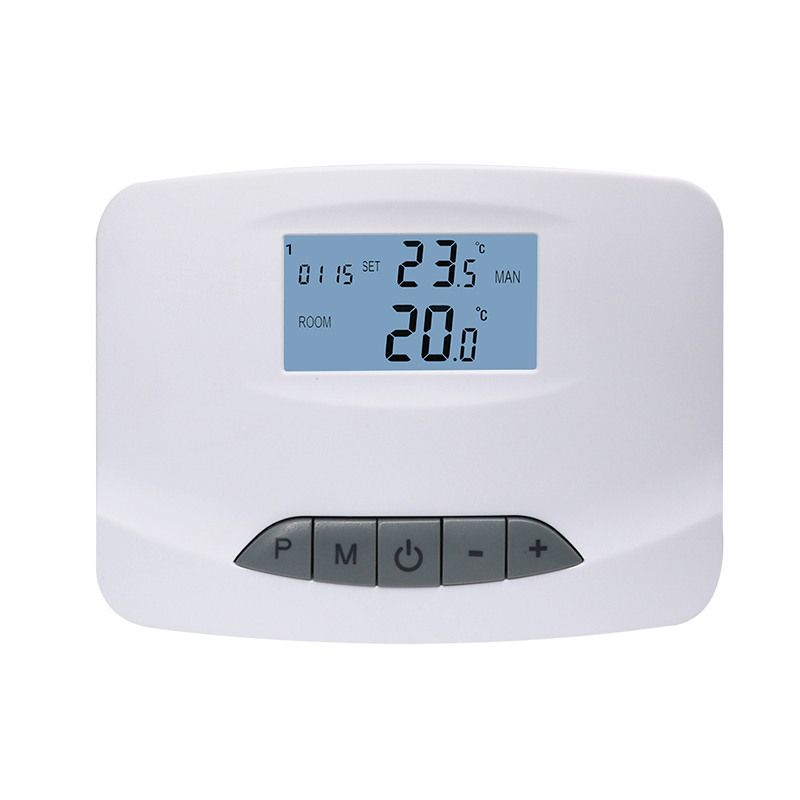
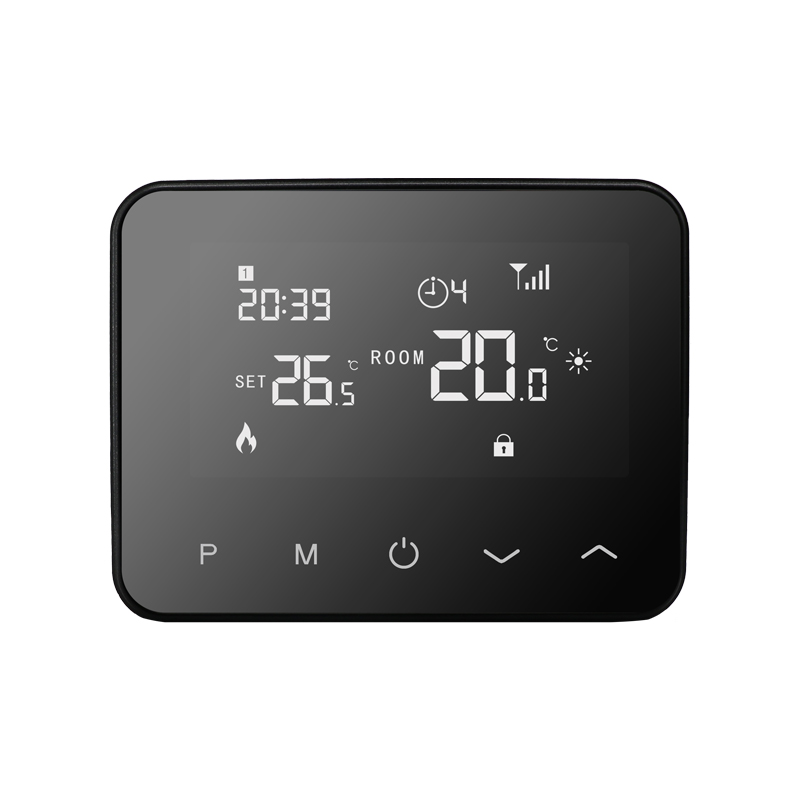
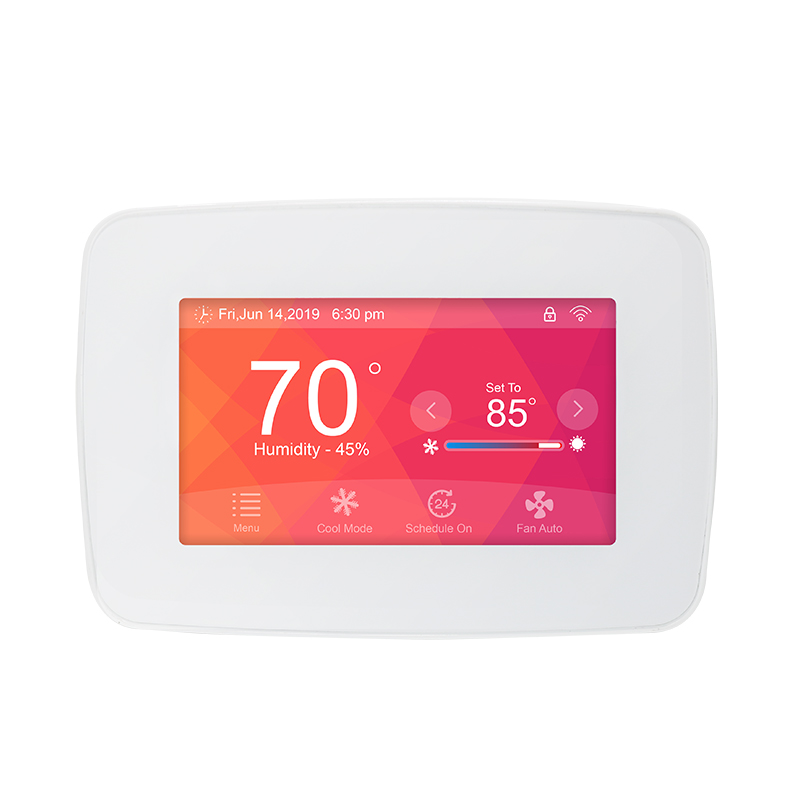
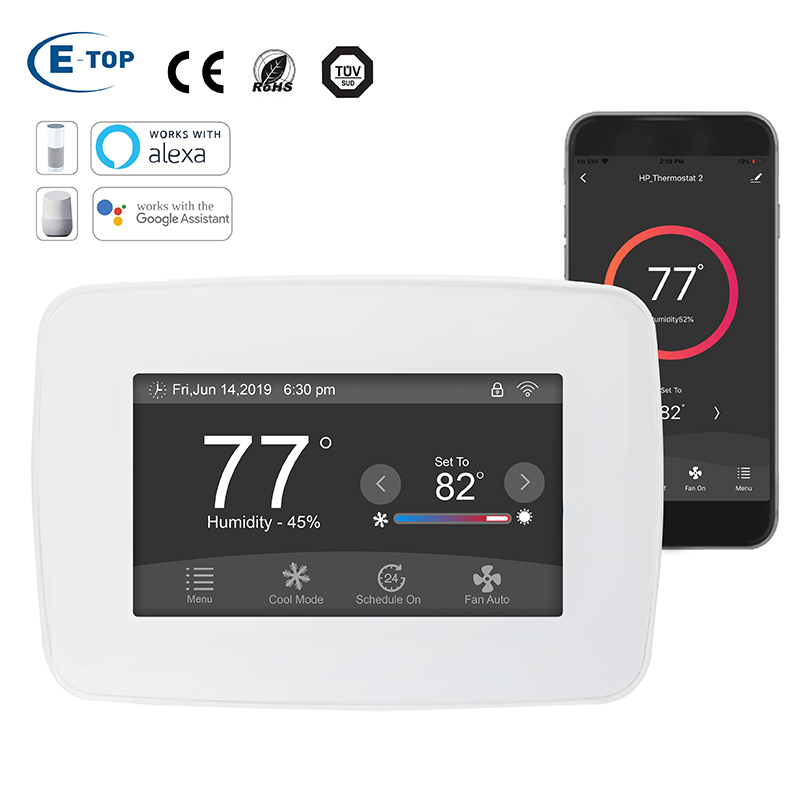
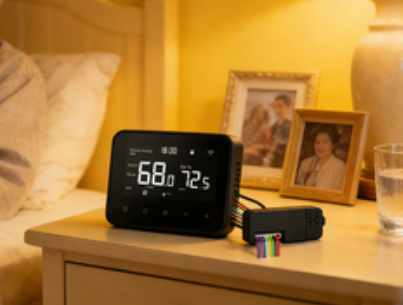
PTAC heat pump systems are widely used in hotels, apartments, dormitories, and office buildings due to their ease of installation, independent control, and simple maintenance. Each room is typically equipped with a PTAC unit and a thermostat; users simply set the temperature on the wall to achieve a comfortable heating or cooling environment. Many people use thermostats daily but rarely consider why the device automatically switches between cooling and heating simply by adjusting the temperature.
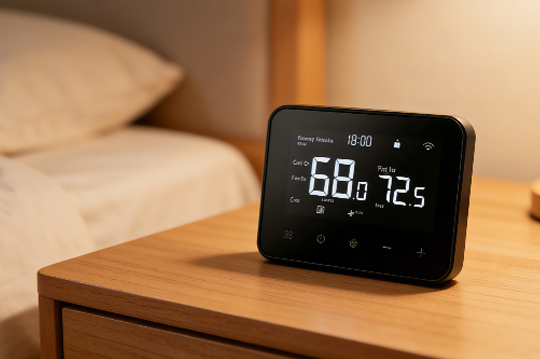
The PTAC heat pump thermostat is not merely a simple switch; it is the control center of the entire system. It detects the indoor temperature, analyzes temperature differences, determines the operating mode, and sends instructions to the air conditioning unit, coordinating the operation of the compressor, fan, and auxiliary heating devices to achieve automatic switching between heating and cooling. Understanding how a PTAC heat pump thermostat controls heating and cooling not only helps us use the equipment better but also assists maintenance personnel in more accurately troubleshooting problems and improving system efficiency.
Core Components
To understand how a thermostat controls heating and cooling, we first need to understand its basic components. A typical PTAC (Put-to-Act) heat pump thermostat includes a temperature sensor, control circuit, control panel, and output interface. The temperature sensor monitors the indoor air temperature in real time; the control circuit analyzes the data and makes judgments; the control panel is used to set the temperature and mode; and the output interface transmits control signals to the PTAC unit. These components work together to form a complete control system. Only when each part is functioning properly can accurate heating and cooling be achieved.
Temperature Detection is the First Step
The starting point for heating and cooling control is temperature detection. The sensor inside the thermostat continuously senses changes in indoor temperature and transmits the data to the control circuit. For example, if the user sets a target temperature of 24℃, the thermostat will continuously compare the current temperature with 24℃. If the room temperature is higher than the set value, it means cooling is needed; if the room temperature is lower than the set value, it means heating is needed. This real-time monitoring is the foundation for all subsequent control actions. Only accurate temperature detection can ensure the system responds correctly.
Mode Judgment and Automatic Switching
After acquiring temperature data, the thermostat will determine the current mode. The thermostat supports cooling, heating, ventilation, or automatic modes. In automatic mode, the system automatically selects its operating direction based on the temperature difference. It activates cooling when the room temperature is high and heating when the room temperature is low, requiring no manual intervention. This is a major advantage of heat pump systems—the same unit can handle both cooling and heating. Through logical judgment and automatic switching, the thermostat achieves true “intelligent control,” avoiding frequent manual operation.
Controlling the Compressor and Fan
After determining the operating mode, the thermostat sends specific instructions to the PTAC unit. During cooling, the thermostat starts the compressor and indoor fan to expel indoor heat and lower the temperature; during heating, the heat pump reverses the cooling cycle to transfer outdoor heat to the room and raise the temperature. Simultaneously, the fan evenly distributes hot and cold air into the room. By controlling the start/stop times and operating status of these key components, the thermostat gradually brings the room temperature closer to the set value, rather than causing drastic fluctuations.
Multi-stage Operation for Smoother Performance
To improve comfort and energy efficiency, many heat pump PTAC thermostats employ multi-stage control methods, such as two-stage heating and two-stage cooling. When the temperature difference is small, the system only needs to operate at a low setting; when the temperature difference is large, a high setting is activated. This avoids frequent start-stop cycles and reduces energy consumption. Indoor temperature changes are smoother, resulting in greater comfort. This tiered adjustment is a key way modern thermostats improve performance.
Auxiliary Heating Assistance
In cold environments, the heating efficiency of a heat pump may decrease. In this case, the thermostat will activate an auxiliary heating device to supplement the heating, based on its set logic. The thermostat judges the rate of room temperature rise; if the heat pump alone cannot reach the target temperature, it automatically activates auxiliary heating to increase heating capacity. Once the temperature returns to normal, the auxiliary device is deactivated. Through this coordinated control, the system maintains stable performance in different environments.
The process of a heat pump PTAC thermostat controlling heating and cooling is a continuous and orderly automatic adjustment process. From temperature detection to mode determination, and then to the control of the compressor, fan, and auxiliary devices, every step is uniformly directed by the thermostat. The user only needs to set the target temperature; the rest is handled automatically by the system. It is this precise and intelligent control logic that enables the heat pump PTAC system to continuously provide a stable and comfortable environment throughout the four seasons. Although small, the thermostat plays a crucial role, serving as an indispensable core component for achieving heating and cooling regulation.