
With the rapid development of smart home technology, users are placing higher demands on indoor environment control. As a core control component in HVAC systems, whether a 24V thermostat can be integrated into smart home systems has become a key concern for both residential and commercial users. Understanding how a 24V thermostat connects with smart platforms, expands functionality, and operates within smart ecosystems helps evaluate its real value in modern intelligent environments.
The Role of a 24V Thermostat in System Architecture
A 24V thermostat uses low-voltage control signals to connect with air conditioners, heat pumps, and heating equipment, managing cooling, heating, and fan operation. In traditional applications, its primary role is temperature regulation and mode selection. In smart home systems, the thermostat also serves as an important data collection point, providing real-time temperature information for the entire ecosystem.
Because 24V thermostats use standardized control voltage and wiring methods, they offer strong versatility. This standardized foundation makes it easier for them to be integrated into smart home systems when hardware interfaces and communication protocols are supported.
Ways to Achieve Compatibility with Smart Home Systems
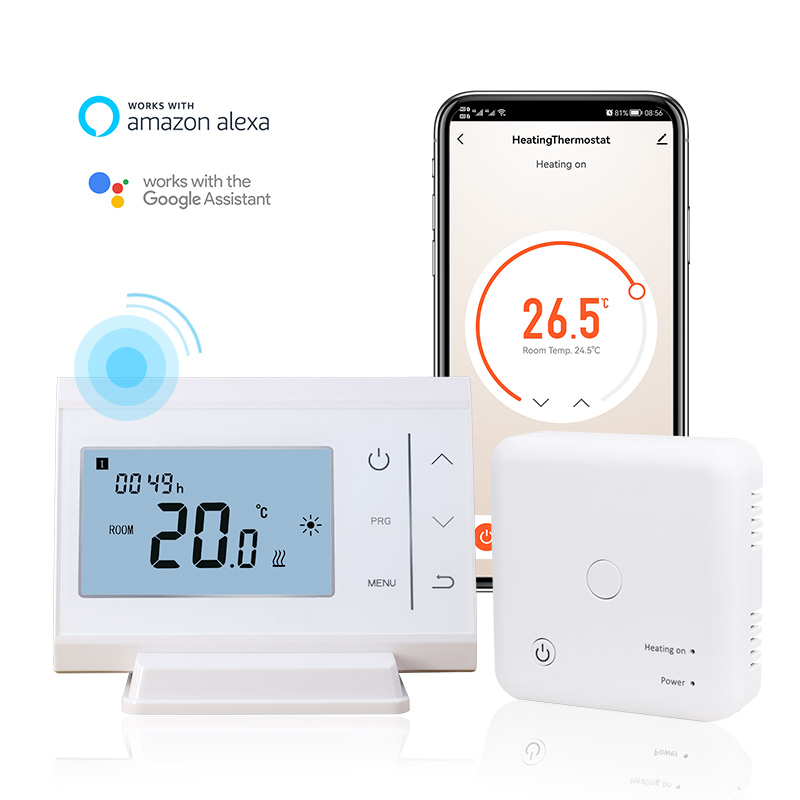
Most smart home systems rely on gateways or centralized control platforms to interconnect devices. If a 24V thermostat is equipped with a built-in communication module, it can connect directly to the smart home network and enable remote control and data sharing. Some models use Wi-Fi, Zigbee, or Z-Wave to join the home network, allowing temperature adjustments beyond local operation.
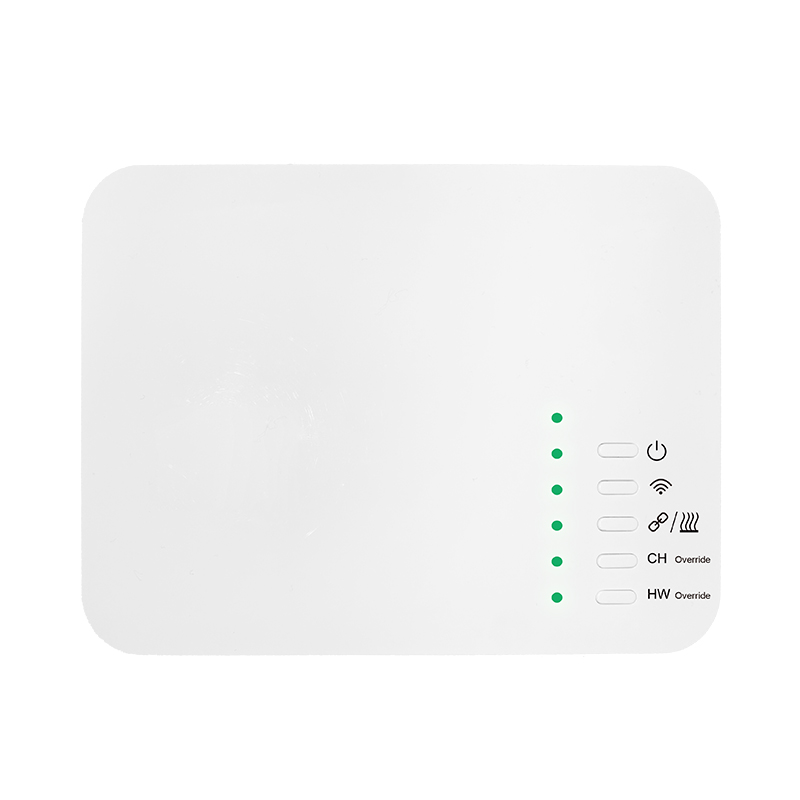
For traditional 24V thermostats without integrated communication modules, smart controllers or relay modules can be used to convert control signals and enable system integration. This approach preserves the existing HVAC structure while increasing the overall level of intelligence, allowing the thermostat to participate in smart automation scenarios.
Enhanced User Experience Through Functional Integration
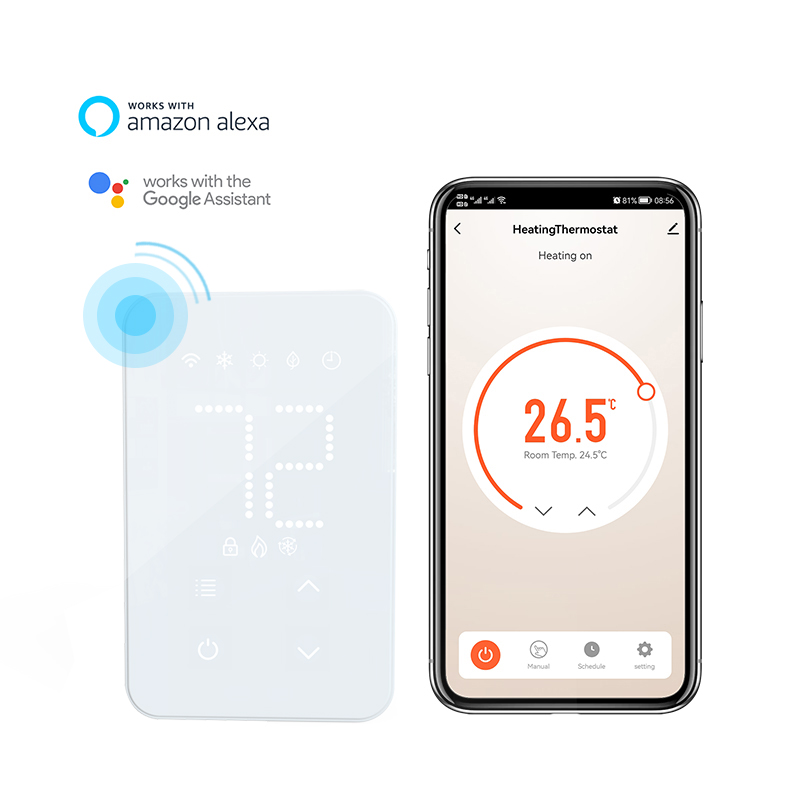
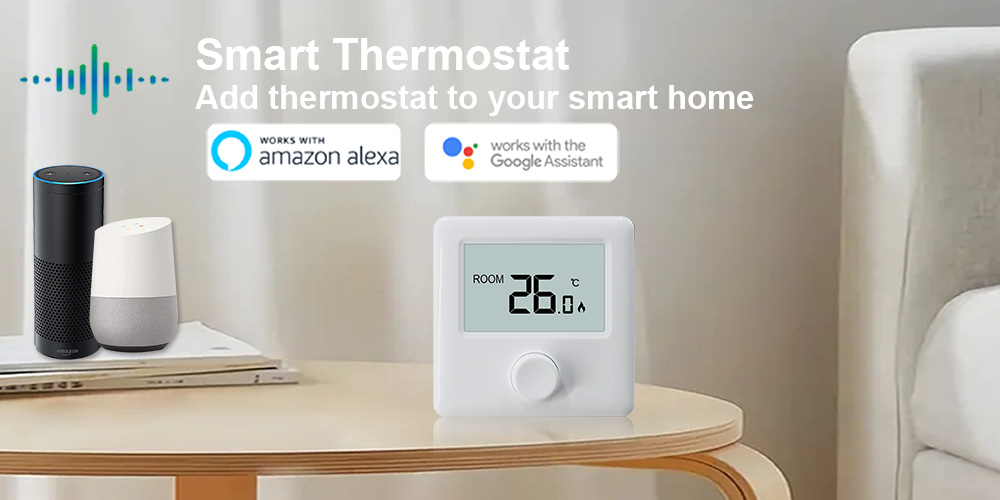
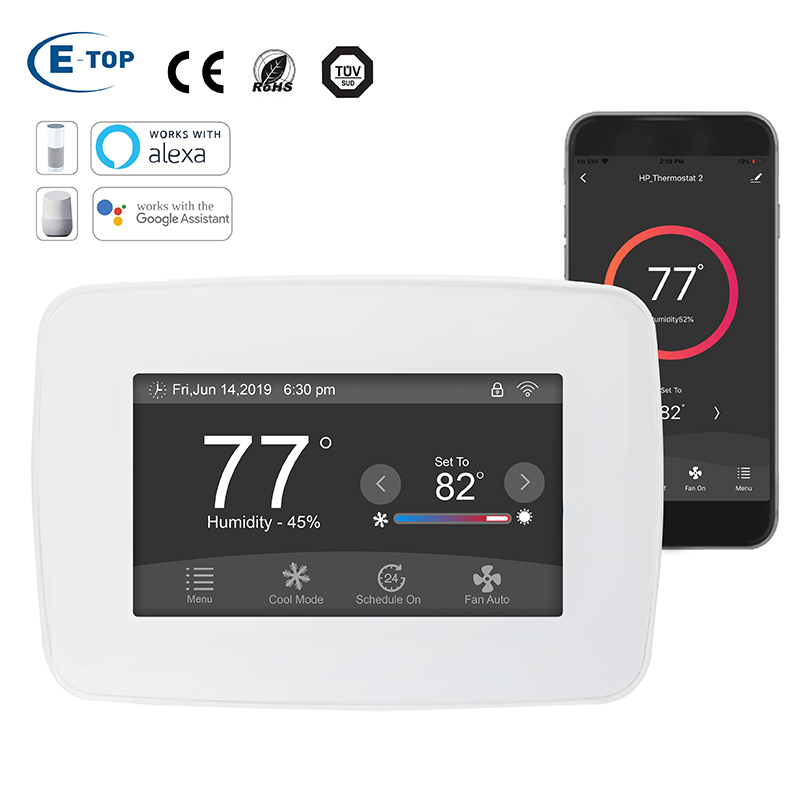
Once a 24V thermostat is integrated into a smart home system, its functionality extends beyond basic temperature control. Users can adjust temperature settings through mobile applications or voice assistants, and temperature control actions can be linked with other smart devices. For example, temperature settings can change based on occupancy status, or energy use can be reduced automatically when the home is unoccupied.
Linking with smart door locks to adjust temperature when no one is home
Working with air quality sensors to improve indoor comfort
Executing preset temperature strategies based on time schedules or usage habits
These integrated functions allow a 24V thermostat to deliver greater value within a smart home ecosystem.
The Impact of System Compatibility on Installation and Configuration
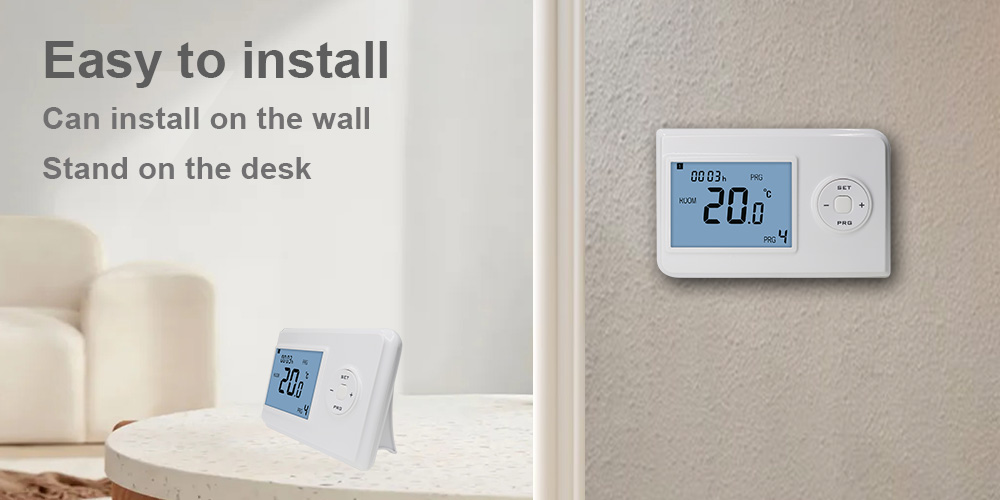
A 24V thermostat designed for smart home integration requires additional considerations during installation and setup. Beyond basic wiring and power requirements, network conditions and platform compatibility must be confirmed. Different smart home ecosystems support different protocols and device certification processes, so choosing a thermostat compatible with the existing system helps reduce configuration complexity.
During setup, correctly identifying the HVAC system type and operating stages allows the smart platform to issue accurate control commands. Proper parameter configuration improves response speed and prevents incorrect operation, ensuring stable performance of smart features.
Data Management and Energy-Saving Potential
After integration with a smart home system, a 24V thermostat can continuously record indoor temperature changes and system operating states. These data points provide a foundation for optimizing temperature control strategies. By analyzing temperature fluctuation patterns, the system can automatically adjust operating modes to better match real usage needs.
Long-term data collection also helps users understand energy consumption trends and identify inefficiencies. Supported by data insights, smart home platforms can implement more refined temperature management strategies and improve overall energy efficiency.
Limitations and Practical Considerations
Although 24V thermostats are capable of integrating with smart home systems, practical limitations should be considered. Some older HVAC systems use simpler control logic and may not fully support advanced automation features. Network stability also affects the remote control experience, especially in setups that rely on cloud-based services.
Confirm the communication protocols supported by the thermostat
Check device compatibility lists of the smart home platform
Ensure stable control power supply and network connectivity
By selecting an appropriate 24V thermostat based on system conditions, users can better leverage its potential within smart home systems.