
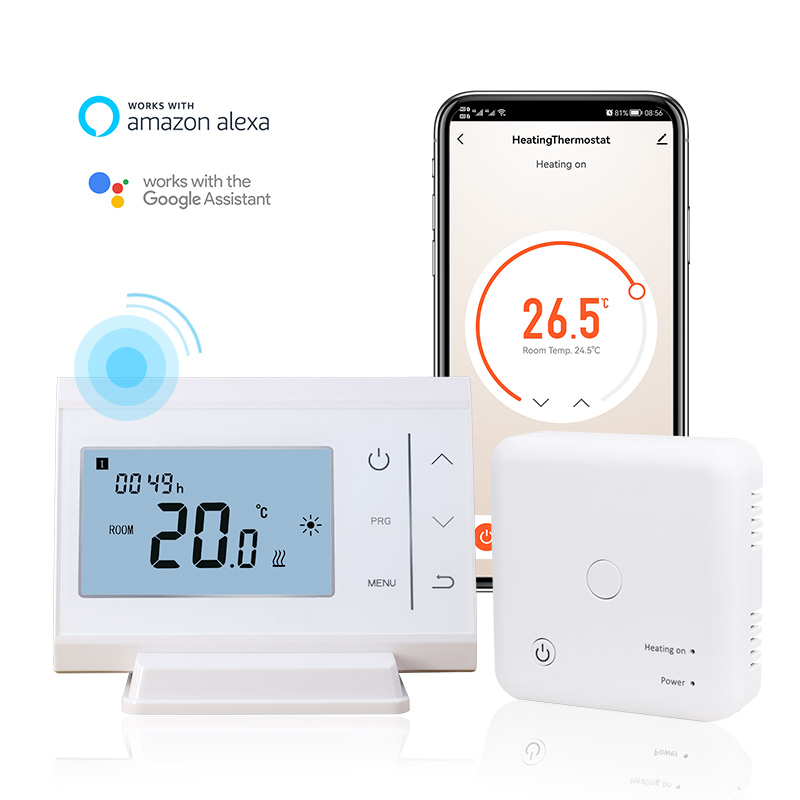
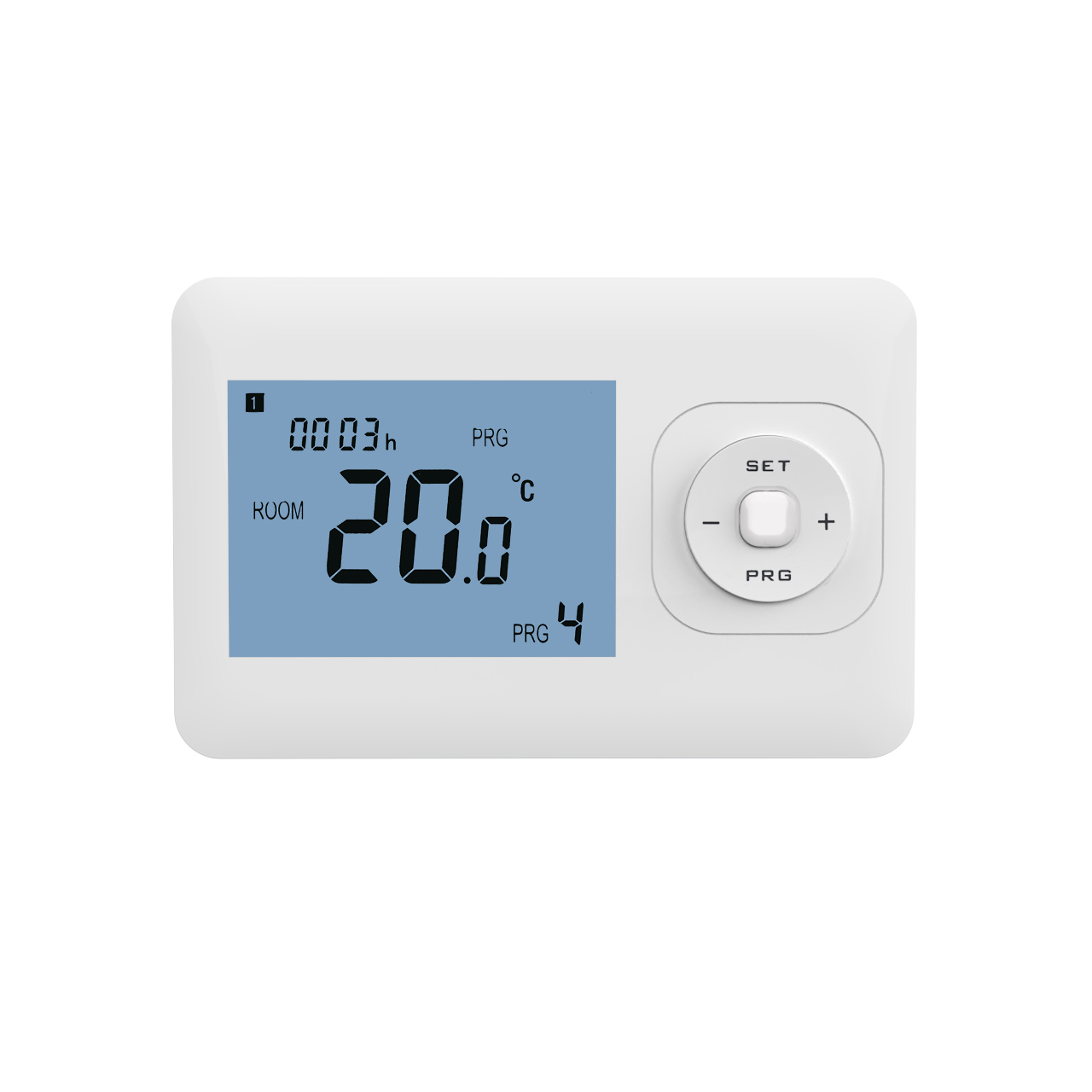
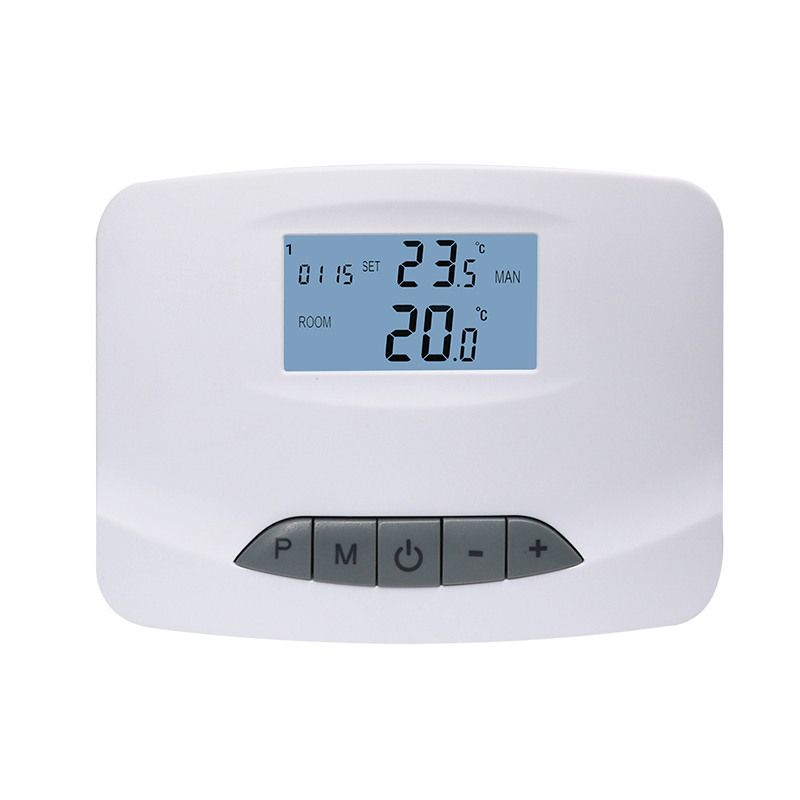
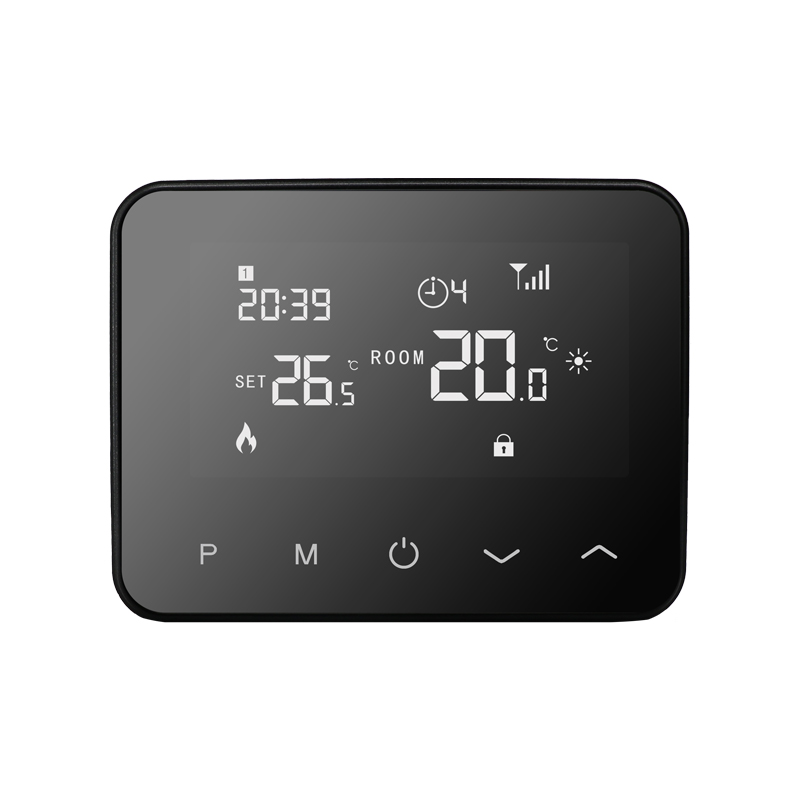
In the current wave of smart home technology, are you still troubled by the inaccurate temperature control of traditional radiators? Rushing out the door in the morning and forgetting to adjust the temperature, only to return home to an uneven indoor temperature; waking up in the middle of the night to overheated or underheated rooms, only to helplessly get up and operate the cumbersome valves… Do these scenarios make you yearn for the ideal smart life? Now, with breakthroughs in IoT technology, remote control of radiator thermostatic valves via smartphone has become a reality, redefining the home heating experience in a revolutionary way.
The Pain Points of Traditional Valves and the Inevitability of Smart Upgrades
Traditional radiator thermostatic valves rely on manual adjustment. Users need to repeatedly adjust the valve opening based on their sense of touch, which is not only cumbersome but also suffers from two major pain points: First, delayed temperature response. Metal valves have a delay in sensing changes in ambient temperature, resulting in significant fluctuations in indoor temperature; second, lack of data support. Users struggle to accurately grasp their heating needs at different times, often leading to energy waste. A hotel conducted a comparative test and found that traditional valve-based heating systems consumed 32% more energy during the heating season than smart systems. This data clearly demonstrates the urgency of upgrading—smart valves are not only an improvement in comfort but also a necessity for energy conservation.
Three Core Advantages of Smartphone Control: Precision, Flexibility, and User-Friendly Support
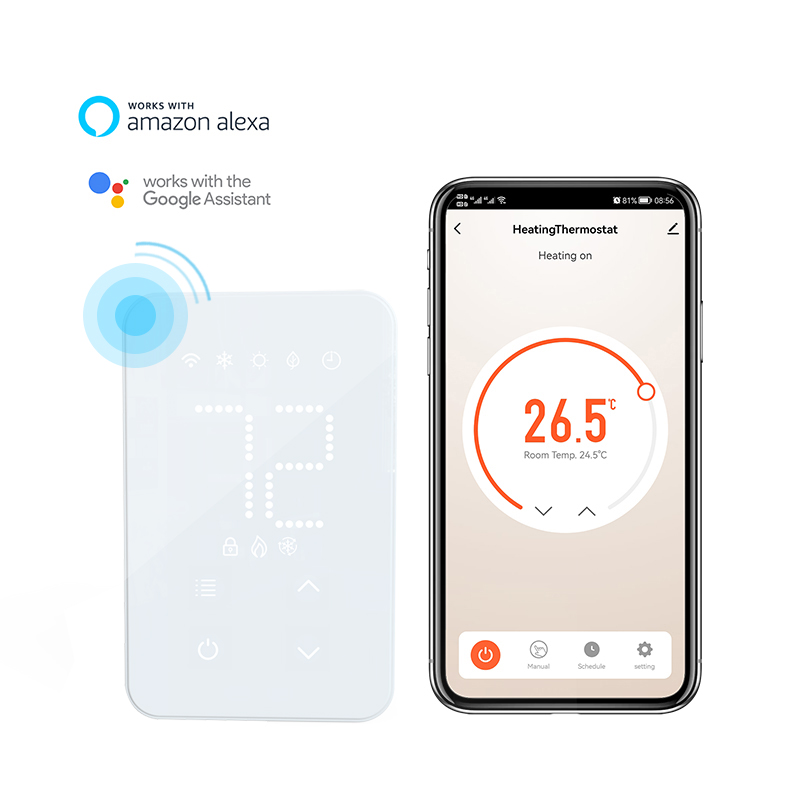
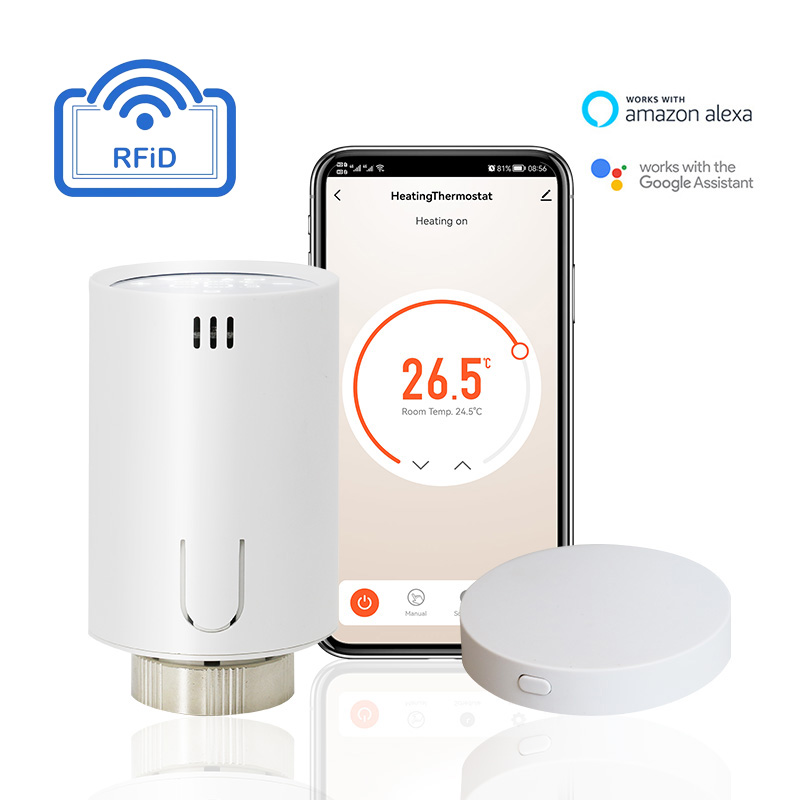
When thermostatic valves are integrated into the smartphone ecosystem, heating management enters a new era of “precision + scenario-based” management. Taking the RF Wireless Smart Radiator Thermostat (model TR-01) as an example, it supports 7-day, 4-period programming, allowing users to set temperature targets for different time periods via a dedicated app. For instance, on weekdays, a cycle mode of “6:30-7:30 (22℃) → 7:30-17:30 (16℃) → 17:30-22:00 (20℃) → 22:00-6:30 (18℃)” can be set, while on weekends, a leisure mode of 20℃ throughout the day can be switched. This “on-demand heating” logic completely solves the drawbacks of traditional valves’ “one-size-fits-all” heating.
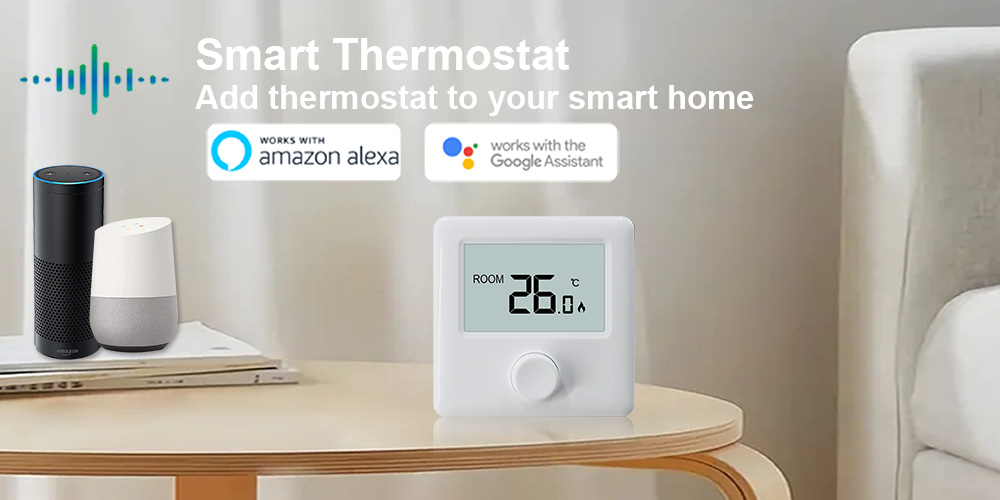
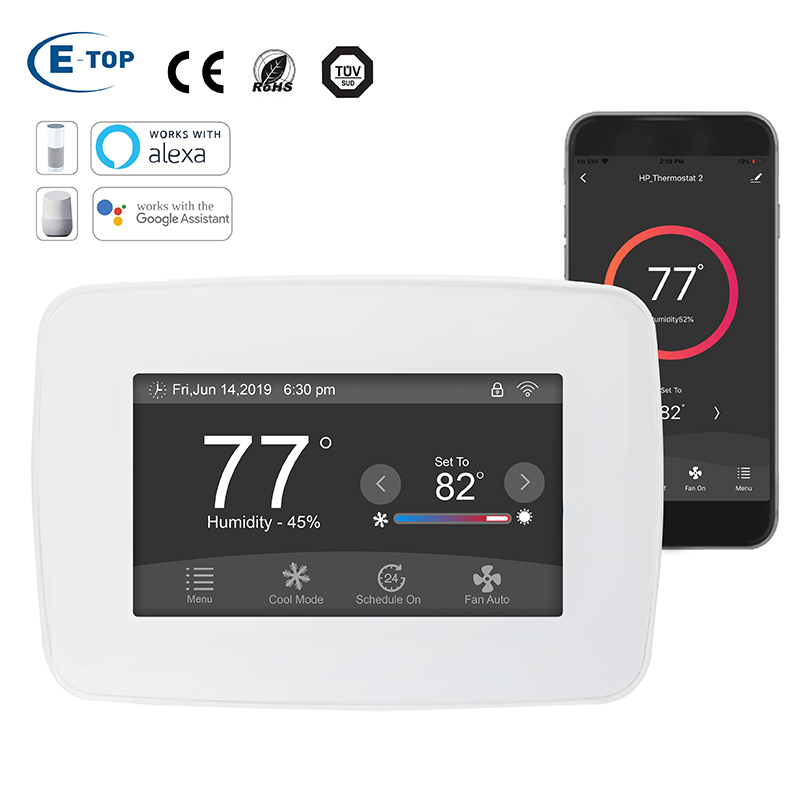
More notably, the TR-01 supports voice control via Amazon Alexa and Google Assistant. Users can simply say “Hey Google, turn up the bedroom temperature” to operate it, making it especially suitable for the elderly or those with mobility issues. Furthermore, the system can learn user behavior patterns—if a user consistently raises the temperature at 7 PM for a week, the app will automatically generate a preheating suggestion, starting heating 15 minutes earlier to perfectly synchronize warmth with demand. This intelligent “predictive heating” is something traditional valves struggle to achieve.
In the field of energy conservation, the TR-01 also demonstrates remarkable potential. Its “window opening detection” function can intelligently close valves to reduce heat loss by monitoring sudden drops in indoor temperature; its “anti-freeze protection” can automatically activate heating when the room temperature drops below 5°C to prevent pipes from freezing and cracking. After deploying the TR-01 in a villa project, analysis of historical data revealed that the indoor temperature often remained above 22°C when users were away during the day. The system automatically optimized its strategy, setting the temperature to 16°C during off-peak hours, saving 28% on gas bills this way alone. This “proactive energy-saving” logic maximizes the value of every kilowatt-hour and every cubic meter of gas.
Technical Implementation Path and Product Selection Guide: How to Choose a Reliable Smart Valve?
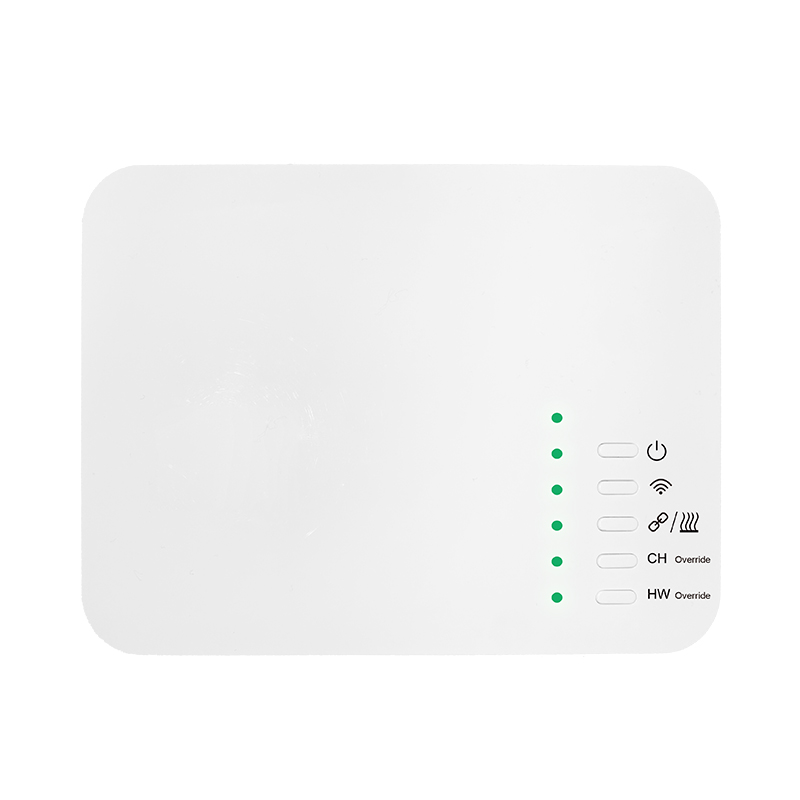
Smart valve control requires two key technical conditions: the valve must have a built-in communication module (such as Wi-Fi/868MHz) and support open protocol access to cloud platforms. The TR-01 uses the 868MHz band to communicate with the gateway, offering strong signal penetration, suitable for large or complex homes; it also supports Mesh networking, allowing expansion to multiple rooms and avoiding signal blind spots. For ordinary home users, three key parameters should be considered when choosing a product: temperature control accuracy (TR-01 achieves ±0.5℃, ensuring minimal temperature fluctuations), communication stability (the 868MHz band has strong anti-interference capabilities), and safety features (such as the TR-01’s “child lock” design to prevent accidental temperature changes by children).
Data from an e-commerce platform shows that smart valves supporting smartphone control have a 92% positive user review rate, far exceeding that of traditional products. Among them, the TR-01 has become a popular choice for home users due to its “flexible programming,” “convenient voice control,” and “significant energy-saving effect.” This indirectly confirms the explosive market demand for “precise temperature control + intelligent management”—users are willing to pay for “convenience” and “energy saving.”
Real Case: The Intelligent Revolution from Hotels to Homes
A renovation project at a five-star hotel in Shanghai is highly representative. The hotel upgraded all radiators in its 300 guest rooms to TR-01, achieving zoned temperature control through a cloud-based management system. The system dynamically adjusts its heating strategy based on occupancy rates: prioritizing public area temperatures during peak seasons and closing valves on vacant floors during off-seasons. In the first heating season after the renovation, the hotel’s energy costs decreased by 26%, while customer complaints decreased by 41%, truly achieving a win-win situation for both economic benefits and user experience.
In home settings, the convenience of TR-01 is equally significant. Mr. Li from Beijing shared, “Since installing the TR-01, I no longer worry about my parents waking up cold in the middle of the night. By setting up ‘Elderly Mode’ through the app, the system automatically raises the temperature in the early morning, which is much more flexible than traditional timers. And, my children can no longer secretly raise the temperature—the ‘child lock’ function is so practical!” This ability to manage across spaces perfectly illustrates how smart devices change lives.
As technology and life become deeply integrated, the evolution of radiator thermostats is a microcosm of smart home development. From mechanical knobs to digital touch controls, from local adjustment to cloud control, each technological leap redefines the meaning of “warmth.” For modern families pursuing a quality life, choosing a smart thermostat that supports mobile phone control (such as the TR-01) is not only an upgrade to heating equipment but also a wise choice to embrace a future lifestyle. Keeping warmth always with you is perhaps the most touching warmth that technology brings to the home.