
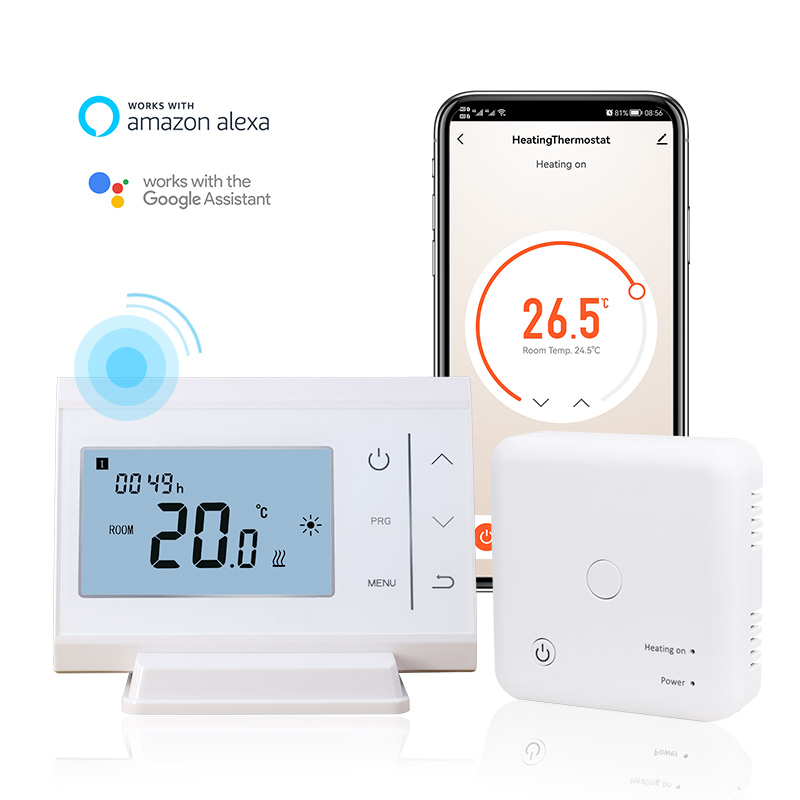
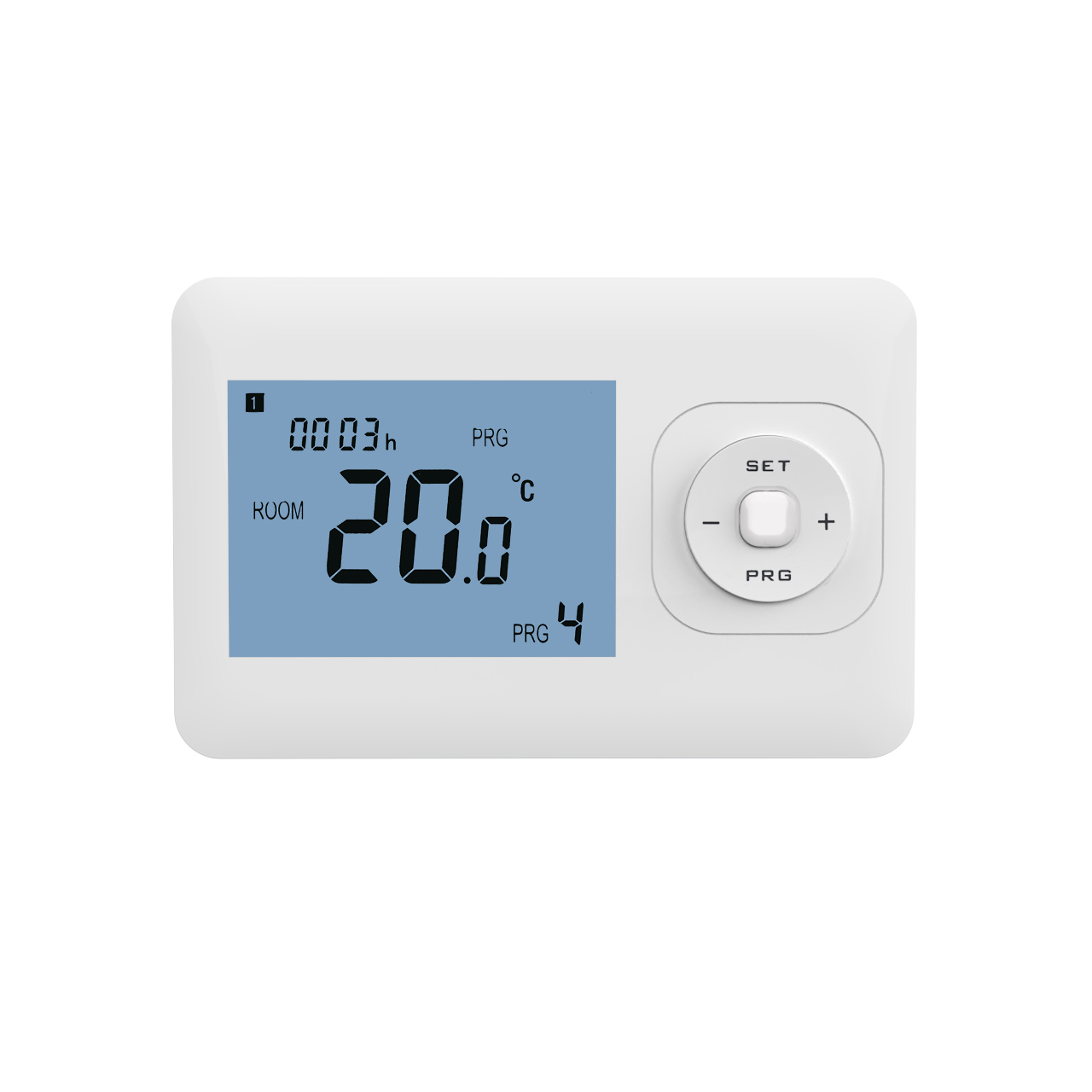
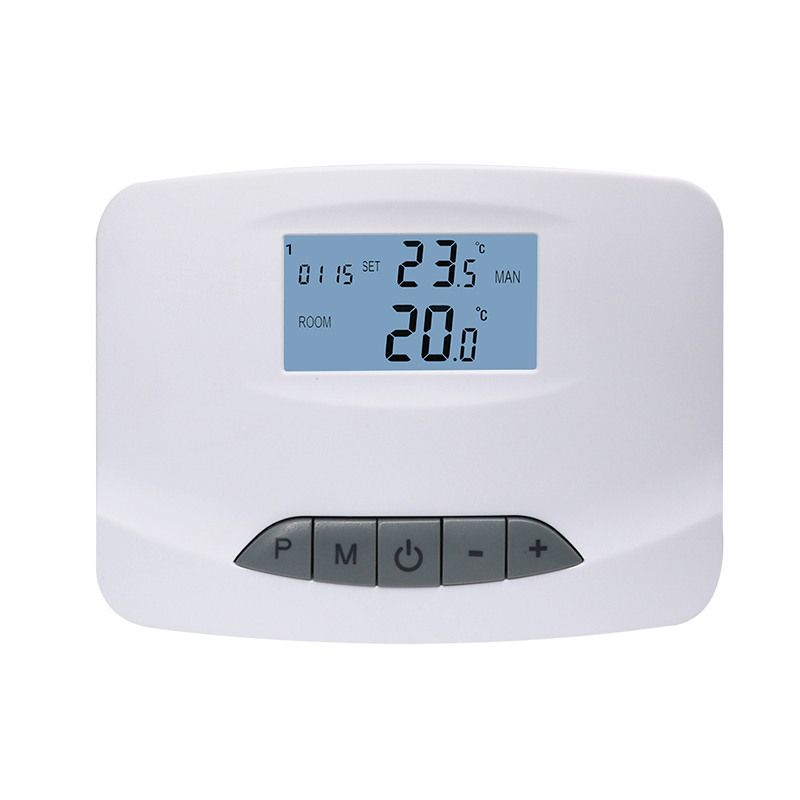
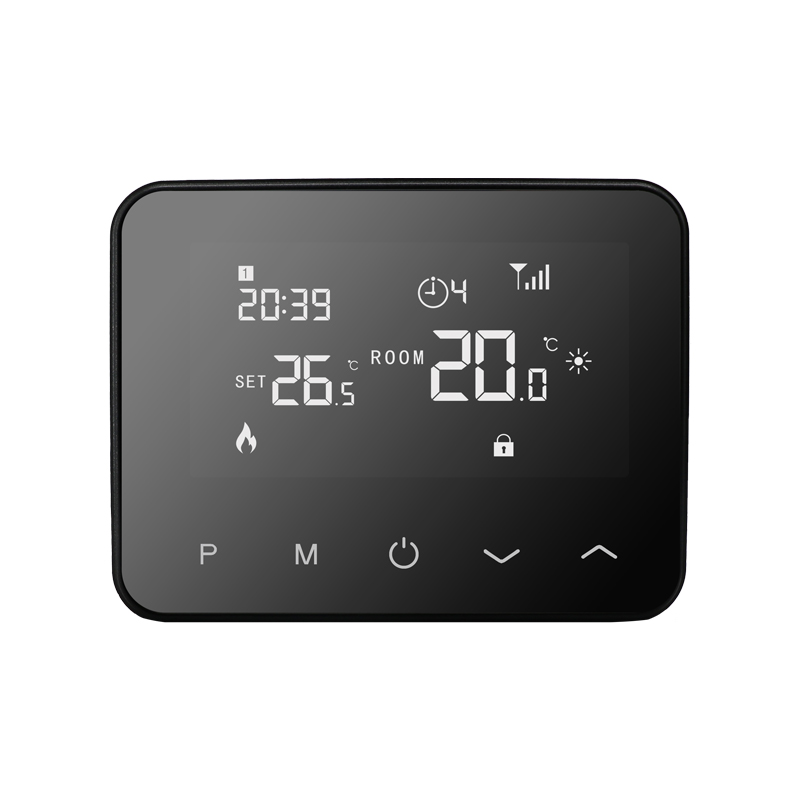
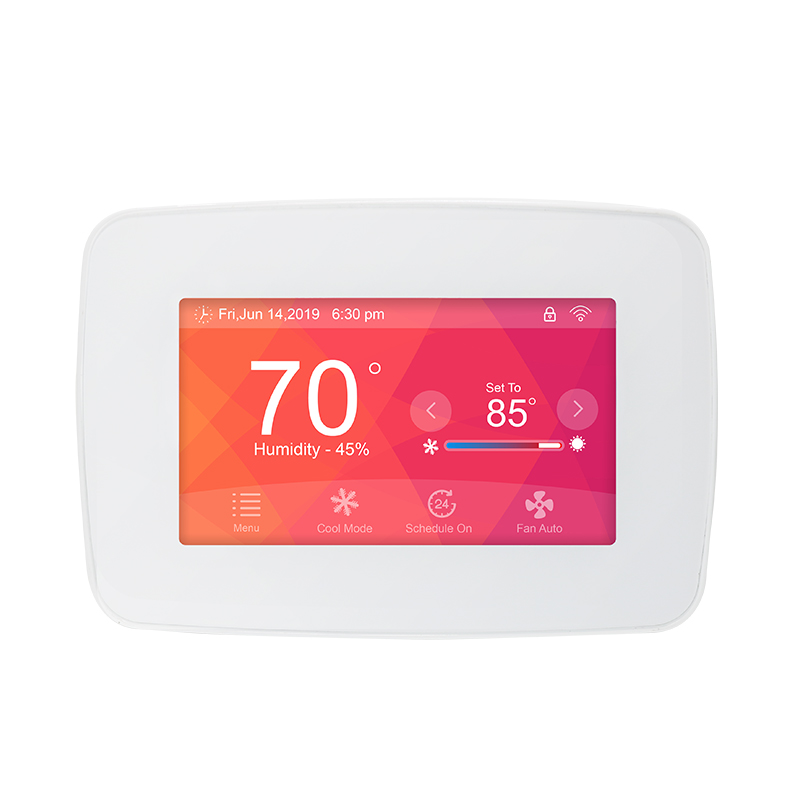
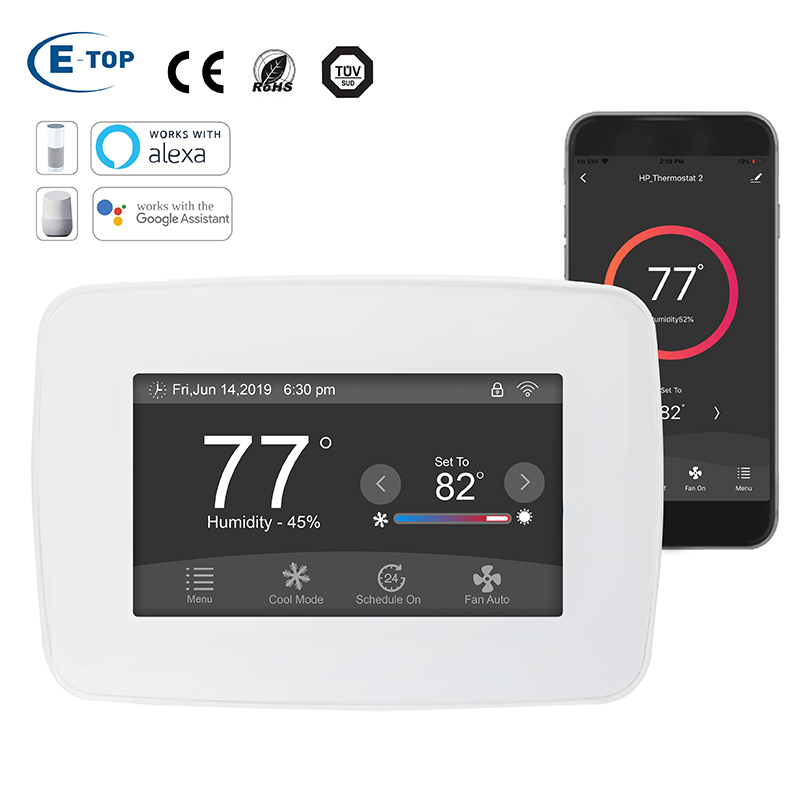
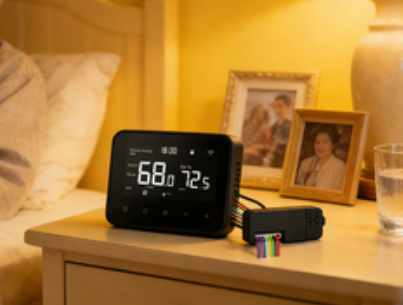
Air conditioning and heating systems consistently account for a large proportion of building energy consumption, especially in hotels, apartments, dormitories, and some office and medical facilities. PTAC units and heat pump systems operate year-round, making energy consumption issues even more pronounced. How to reduce unnecessary electricity and energy waste while ensuring indoor comfort has become a key concern for both managers and users. It is against this backdrop that the value of high-efficiency heat pump PTAC thermostats has gradually become apparent. A high-efficiency heat pump PTAC thermostat is not simply a temperature control panel, but a crucial control element in the entire system’s operation. It accurately senses changes in indoor temperature and rationally controls the heating, cooling, and ventilation processes, ensuring the equipment is always in a relatively suitable operating state. Compared to traditional temperature control methods, high-efficiency thermostats reduce frequent start-stop cycles and excessive operation, reducing energy consumption at its source.
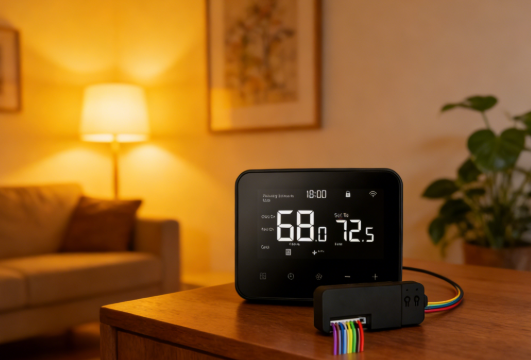
The Energy-Saving Basis of Heat Pump PTAC Systems
Heat pump PTAC systems inherently possess certain energy-saving advantages. PTAC (Personalized Temperature Coefficient) is a type of integrated terminal air conditioning system, where each unit serves an independent space, avoiding energy losses caused by distance and uneven distribution in centralized systems. It consumes only the energy needed, and this independent operation mode lays a solid foundation for energy conservation. Heat pump technology achieves heating and cooling by transferring heat, offering higher energy efficiency compared to traditional electric heating methods. Under suitable environmental conditions, heat pumps can generate more heat output with less electricity, thus reducing overall energy consumption. However, whether these advantages can be fully realized largely depends on the thermostat’s ability to provide reasonable and precise control.
The Key Role of Thermostats in Energy Saving
The core value of a high-efficiency heat pump PTAC thermostat lies in its precise management of the system’s operating status. By monitoring the indoor temperature in real time and comparing it with the set temperature, the thermostat can determine whether heating or cooling is needed. Improper control can lead to prolonged high-load operation, resulting in energy waste. High-efficiency thermostats typically support multi-level heating and cooling control, allowing the system to select the appropriate operating level based on actual needs. When the temperature difference is small, low-speed operation is sufficient; only when the temperature difference is large is a higher speed required. This effectively reduces unnecessary energy consumption and also reduces the workload on the equipment.
Reducing Ineffective Operation and Lowering Energy Consumption
Energy saving is not only reflected in equipment efficiency but also in controlling ineffective operation. High-efficiency heat pump PTAC thermostats are typically designed with different usage scenarios in mind, preventing the equipment from running continuously when not needed. For example, when the room is unoccupied or the load is low, the thermostat can limit the temperature range to prevent prolonged maintenance at extreme settings. In a centralized management environment, the thermostat can also work with unified management strategies to rationally control operating time and modes. This approach does not significantly affect the user experience but can significantly reduce energy consumption over long-term operation, making it a very practical aspect of energy saving and consumption reduction.
Hidden Energy Savings from Simple Operation
An easily overlooked issue is that complex operation methods often lead to inefficient use. High-efficiency heat pump PTAC thermostats emphasize a clear interface and simple operation, allowing users to quickly understand and use them. Clear temperature display and intuitive mode selection help users set reasonable target temperatures, reducing frequent adjustments. When users can more easily and correctly use the device, the system can operate stably within a reasonable range, which is itself a form of implicit energy saving. Guiding reasonable usage habits through user-friendly design is an important supplement to the energy saving and consumption reduction of high-efficiency thermostats.
High-efficiency heat pump PTAC thermostats play a key role in energy saving and consumption reduction. Based on the high efficiency characteristics of heat pump PTAC systems, they reduce excessive operation and frequent start-stops through precise and stable temperature control. At the same time, through multi-level control, reducing ineffective operation, and simplifying the operation process, energy saving becomes a natural result of system operation. In practical applications, these thermostats not only improve the stability and comfort of the indoor environment but also help users effectively control energy costs over long-term operation. High-efficiency heat pump PTAC thermostats, behind seemingly simple temperature adjustment, continuously contribute to energy saving and consumption reduction.