






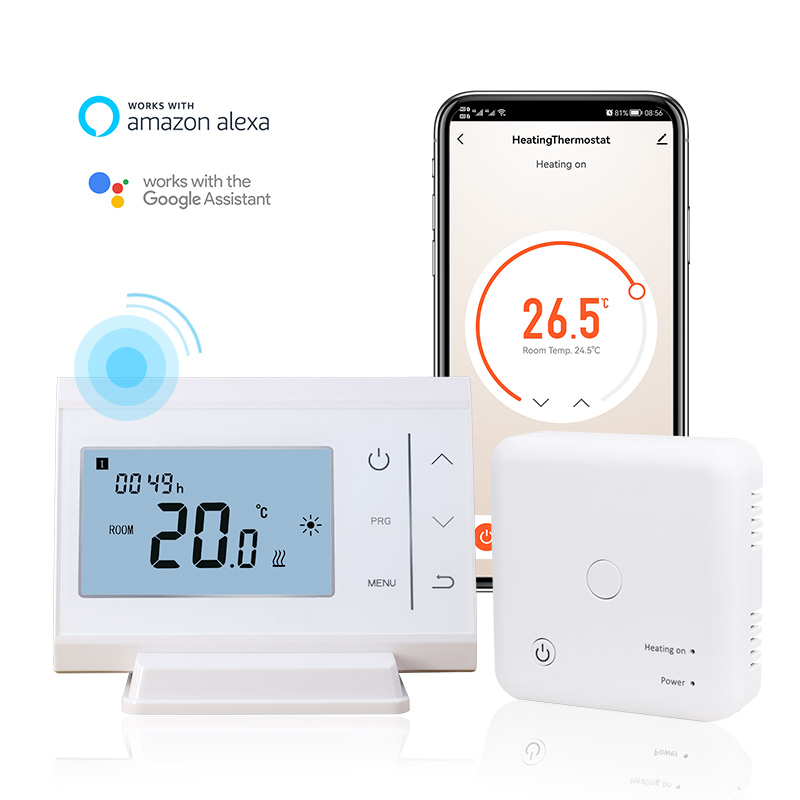
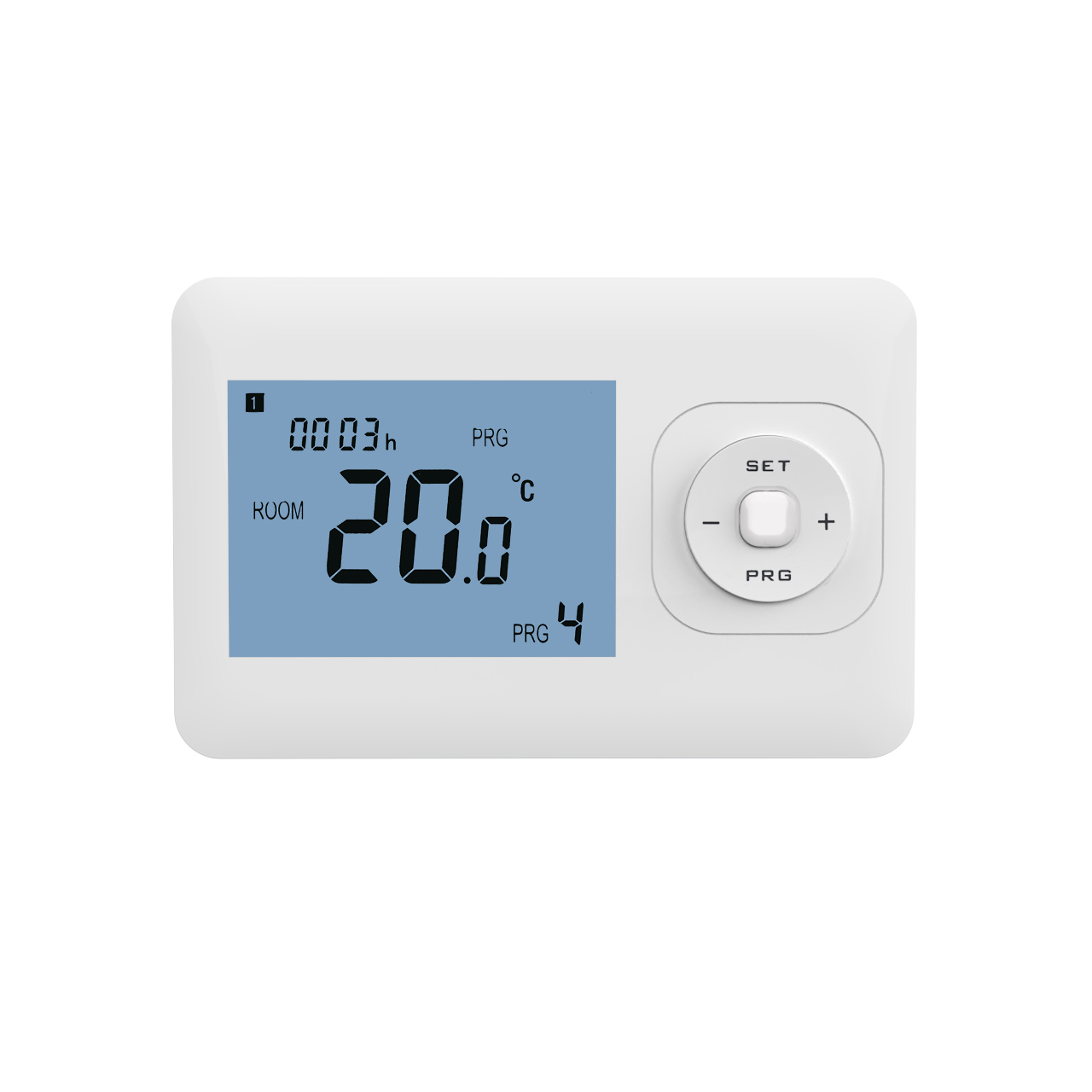
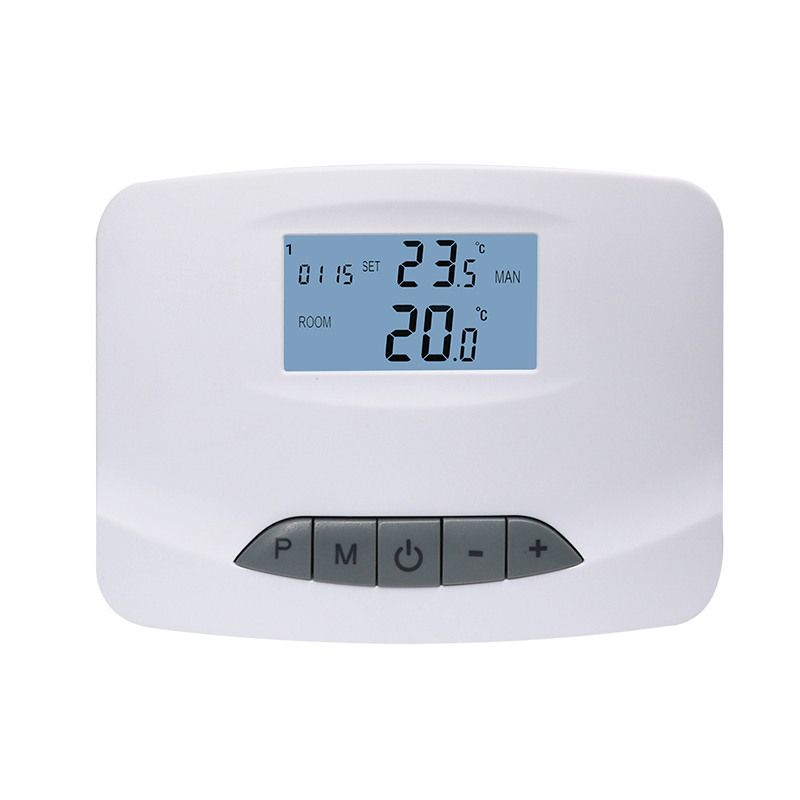
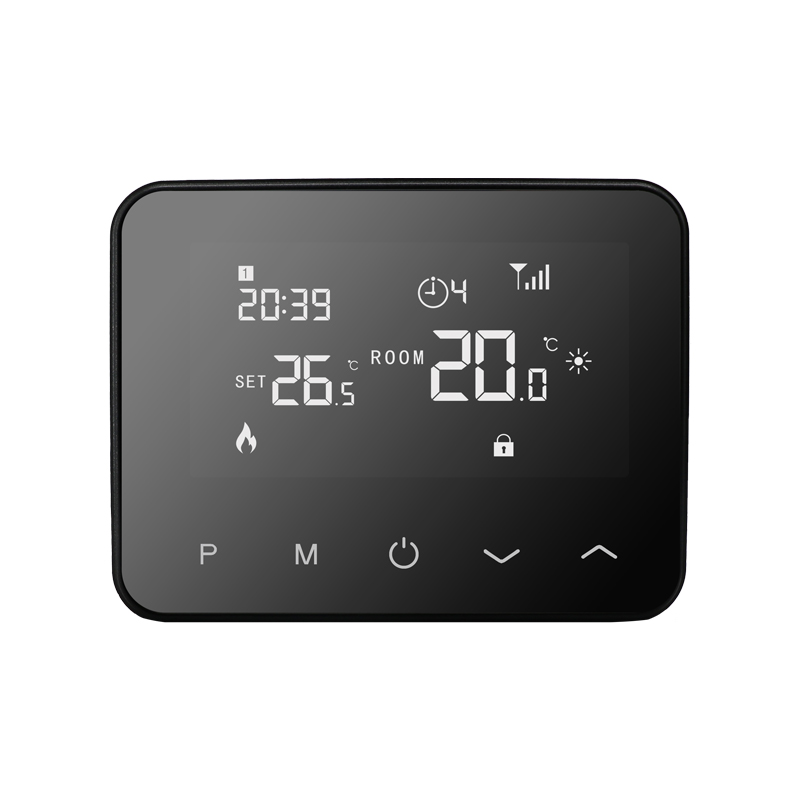
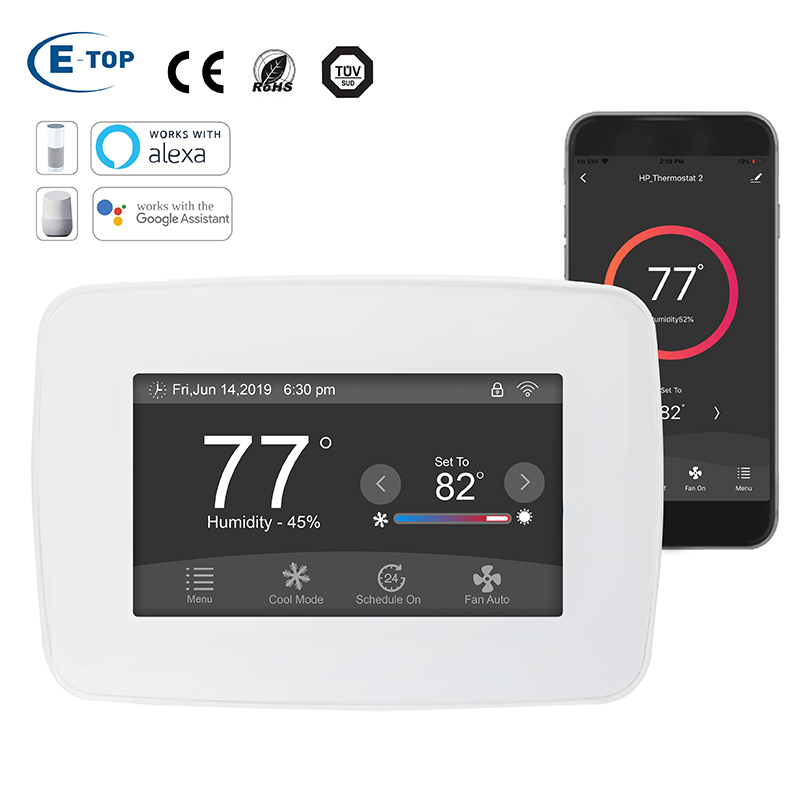
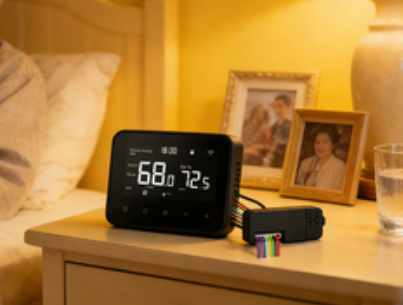
With rising household electricity and energy costs, finding ways to save energy while maintaining a comfortable living environment has become a priority for many families. Plug-in thermostats, a common component of modern smart homes, can precisely control indoor temperature, improving comfort while reducing electricity bills. But how exactly do these devices help households save energy?
Precise Temperature Control Reduces Energy Waste
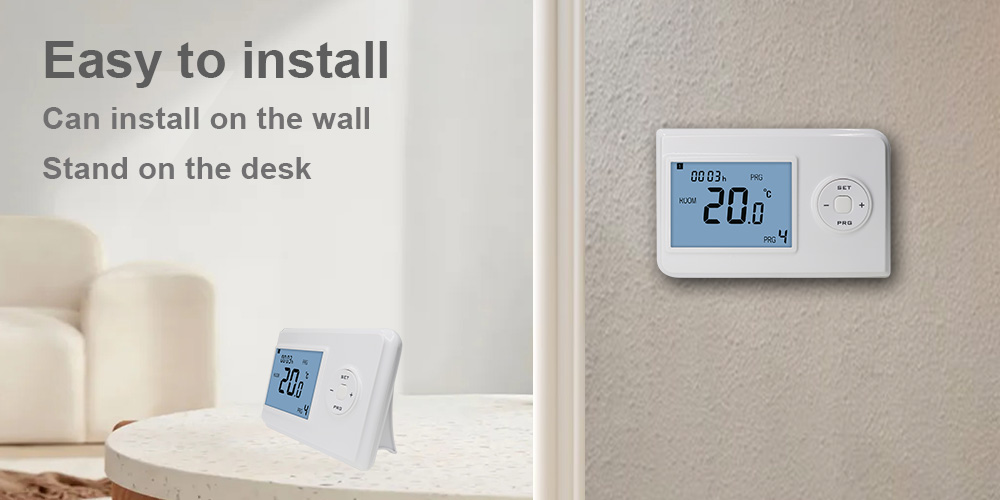
Traditional heating and cooling devices often rely on manual switches or experience-based adjustments, which can lead to overheating or overcooling, wasting energy. Plug-in thermostats use built-in temperature sensors and intelligent control algorithms to monitor the environment in real-time and automatically adjust the appliance’s power output. This keeps room temperature within the desired range.
By avoiding unnecessary operation, thermostats ensure that energy is supplied only when needed. This “on-demand” control reduces wasted electricity and contributes to more efficient energy use.
Timed and Scenario-Based Control Improves Efficiency
Many plug-in thermostats support scheduled operation and smart scene settings. For example, you can set the thermostat to preheat rooms before waking up, lower the temperature when leaving home, or maintain a comfortable sleep temperature at night. Timed and scenario-based control ensures appliances operate only when necessary, avoiding prolonged idle consumption.
For households, this means air conditioners, heaters, and electric radiators are no longer running unnecessarily, significantly reducing overall energy usage.
Integration with Smart Home Systems for Greater Savings
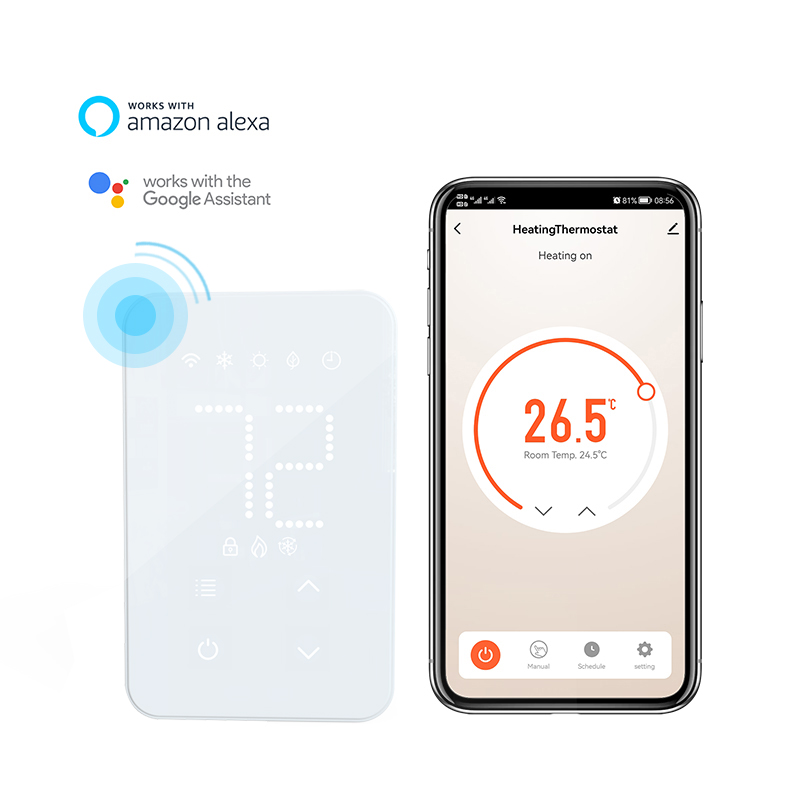
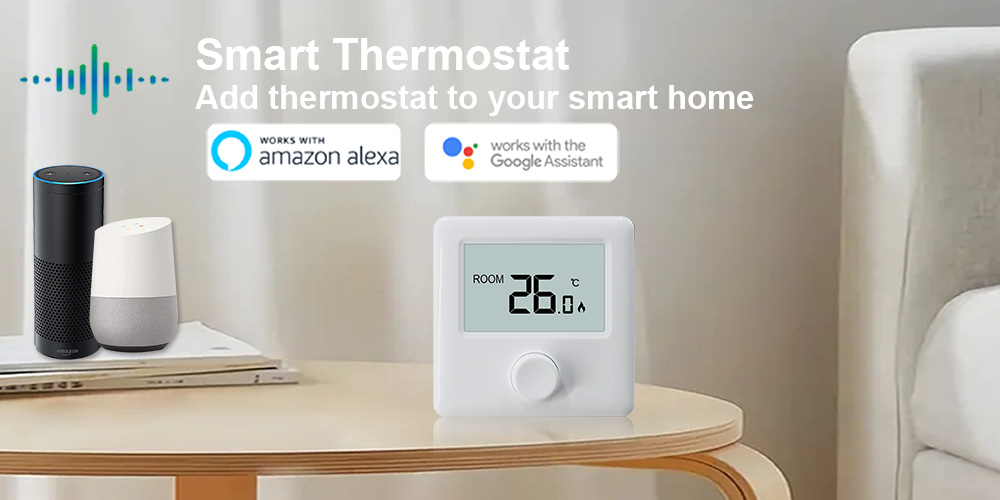
Modern plug-in thermostats can connect with smart home ecosystems, including door and window sensors, voice assistants, or mobile apps. When a room is unoccupied, the thermostat can automatically switch to an energy-saving mode. Before residents return, it can restore the preset temperature. By dynamically adjusting energy use according to real-life patterns, smart thermostats achieve even higher energy efficiency.
Additionally, historical energy data allows users to analyze monthly consumption and optimize temperature settings further, making energy savings more precise and sustainable.
Improving Appliance Efficiency
Plug-in thermostats also enhance the efficiency of household appliances. By maintaining stable temperatures, they reduce the frequent on/off cycles that can waste energy and increase wear on devices. For appliances like water heaters, air conditioners, and space heaters, thermostat control not only saves electricity but also extends equipment lifespan, reducing maintenance costs.
Economic and Environmental Benefits of Energy Savings
Energy savings through plug-in thermostats bring dual benefits: lower monthly electricity bills and reduced carbon emissions. In today’s environmentally conscious world, optimizing daily temperature control aligns with both financial and sustainability goals.
Conclusion
In summary, plug-in thermostats help households save energy by providing precise temperature control, scheduled and scenario-based management, smart home integration, and improved appliance efficiency. Choosing the right thermostat for your home and setting it properly not only reduces costs but also contributes to environmental protection. As smart home technology and energy-saving awareness continue to grow, plug-in thermostats are becoming an essential tool for families seeking comfort and efficiency.