








When you’re curled up on the sofa wrapped in a thick blanket, only to find the room temperature is a few degrees lower than usual; or when you’re awakened in the middle of the night by the heat, and the radiator surface is alarmingly hot to the touch—these “temperature malfunctions” are likely not due to a heating system failure, but rather because the radiator’s thermostatic valve is clogged with dust and limescale! This “invisible housekeeper” that controls the temperature of each room, if not cleaned regularly, can lead to anything from malfunctioning temperature control and soaring energy consumption to serious issues like valve corrosion, leaks, and eventual failure. However, by mastering the correct cleaning methods, you can keep the thermostatic valve in optimal condition, ensuring precise and consistent warmth.

What You Need to Know Before Cleaning: Where are the Thermostatic Valve’s “Vulnerabilities”?
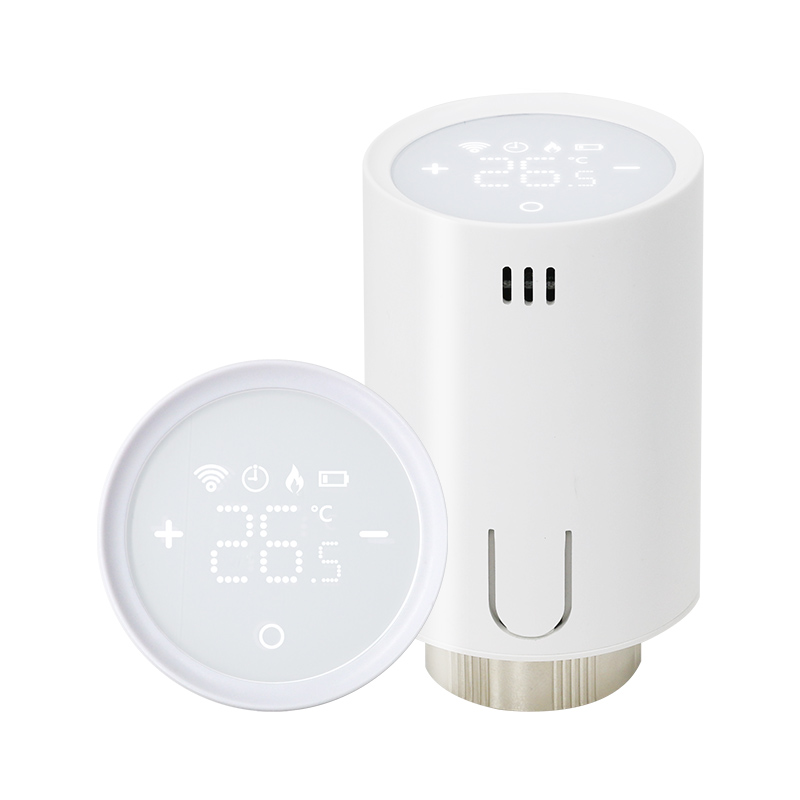
The core components of a radiator thermostatic valve are the temperature sensor (thermal bulb) and the valve core, both of which are extremely sensitive to cleaning. The temperature sensor, typically located at the top of the valve body, is filled with a liquid or solid temperature-sensing medium. If its surface is covered in dust or oil, it will directly affect the accuracy of temperature sensing. The valve core, hidden inside the valve body, controls room temperature by regulating the hot water flow. If it becomes clogged with scale or impurities, it can cause the valve to jam, leak, or even malfunction completely.
Furthermore, corrosion on the valve body surface is a common problem. Especially in humid environments or areas with hard water, the metal valve body easily reacts with minerals in the water, forming reddish-brown rust spots. This not only affects appearance but can also corrode the internal structure. Therefore, cleaning should be tailored to different parts, avoiding a one-size-fits-all approach.
Routine Cleaning: Weekly Surface Maintenance
Routine cleaning focuses on maintaining the valve body surface and temperature sensor. It is simple and time-saving, and is recommended to be performed weekly. First, gently wipe the valve body surface with a dry, soft cloth to remove dust and loose particles. For stubborn stains (such as fingerprints or oil stains), apply a small amount of neutral detergent (such as dish soap) and wipe gently. Do not use corrosive solvents such as alcohol or gasoline, as these may damage the valve body coating.
The thermostat requires more thorough cleaning. Use a cotton swab dipped in a small amount of water to gently wipe the surface of the thermostat, avoiding pressing too hard to prevent leakage of the temperature-sensing medium. If the thermostat is covered in grease (such as from a radiator near the kitchen), use a cotton swab dipped in a small amount of white vinegar to wipe it. The acidity of the vinegar can dissolve the grease without corroding metal parts. After cleaning, wipe the thermostat dry with a clean cloth to ensure no moisture remains.
Deep Cleaning: An Annual “Internal Thorough Cleaning”
In addition to daily surface cleaning, it is recommended to perform a deep cleaning of the thermostat valve after each heating season, focusing on cleaning the valve core and removing limescale. First, close the radiator inlet valve. Use a wrench to unscrew the thermostat on top of the valve body counterclockwise (for some models, the decorative cover needs to be removed first). Place the thermostat in a dry place for later use.
Next, clean the valve core: Gently pry open the access port on the side of the valve body with a small screwdriver (for some models, the entire valve body needs to be disassembled) and remove the valve core. If scale is attached to the surface of the valve core, soak it in a 1:3 mixture of white vinegar and water for 2 hours. Then, gently scrub it with a soft brush; the scale will gradually dissolve and fall off. If the valve core has slight rust, gently polish it with fine sandpaper (2000 grit or higher) to remove the rust. Rinse it thoroughly with water and dry it for later use.
Finally, clean the inside of the valve body: Use a syringe to draw water and inject it through the inlet to flush away any remaining scale and impurities inside the valve body until the drained water is clear. After cleaning, reinstall the valve core and thermostat in reverse order, tighten the access port, and open the inlet valve to test if the valve opens and closes smoothly.
Rust Prevention and Maintenance: The “Invisible Shield” for Extended Lifespan
Cleaning is only the first step; rust prevention and maintenance are key to extending the lifespan of thermostatic valves. For metal valve bodies, apply a thin layer of rust inhibitor (such as WD-40) after cleaning to form a protective film, isolating moisture and air and slowing down corrosion. If slight rust spots have already appeared on the valve body, use fine sandpaper to polish them until the original metal color is exposed, then apply the rust inhibitor for better results.
In addition, in areas with hard water, it is recommended to install a pre-filter to filter impurities and minerals in the water, reducing scale buildup. After the heating season, close the radiator inlet valve to drain any residual water from the valve body, preventing it from freezing and cracking in winter. Proper handling of these details can extend the lifespan of thermostatic valves from 5 years to over 10 years.
From daily surface wiping to annual deep cleaning, from valve core descaling to rust prevention and maintenance, cleaning radiator thermostatic valves is not a complicated process, but it can significantly improve temperature control accuracy, reduce energy consumption, and extend service life. The next time you feel the room temperature is “just right,” you might remember that the carefully cleaned thermostat valve was silently protecting every degree of warmth.