
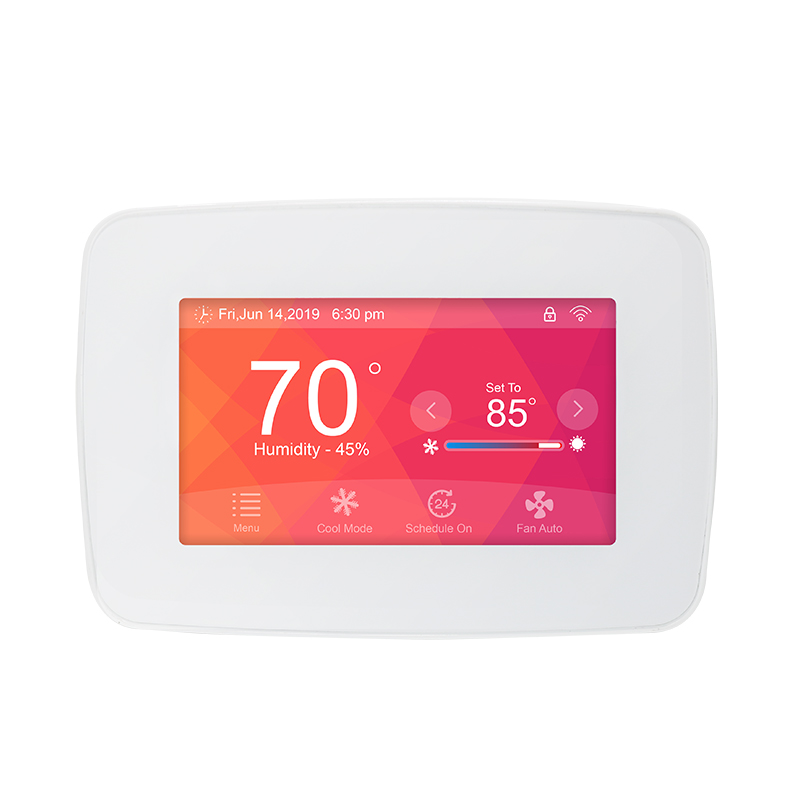
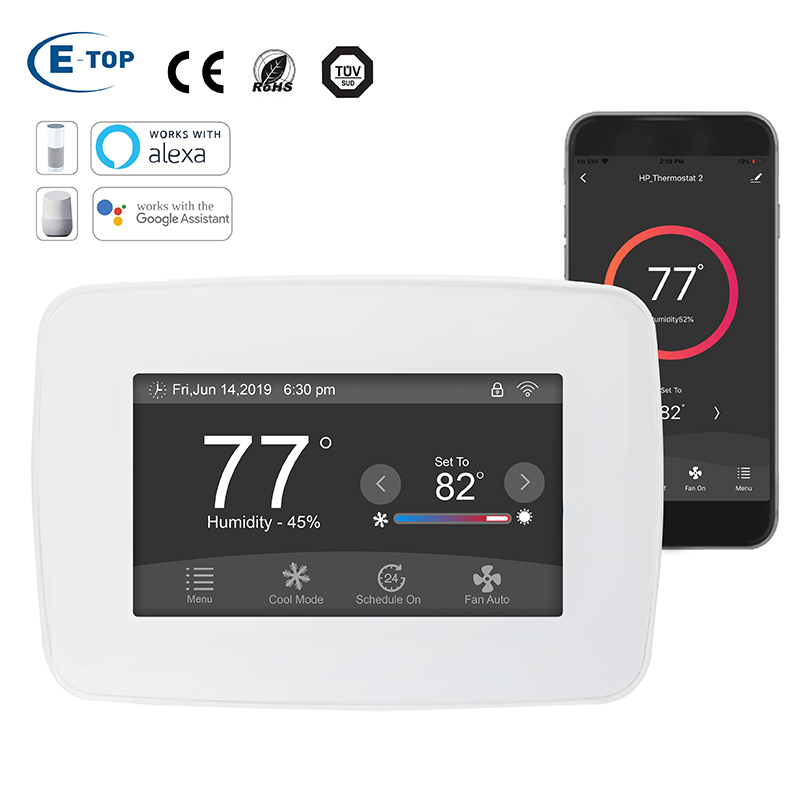
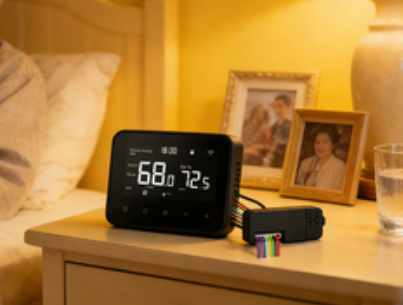
When many families upgrade their heating and cooling equipment or replace a thermostat, a very practical question comes up: Is a 24V thermostat suitable for a home HVAC system? In residential settings, 24V thermostats are one of the most common control options, especially for central air conditioners, gas furnaces, and heat pump systems. They not only handle everyday heating and cooling control, but also help deliver smoother temperature regulation, more stable operation, and more room for future smart upgrades. For homeowners who want better comfort and fewer “too hot, too cold” moments, a 24V thermostat is often a reliable and convenient choice. Below are five key advantages that explain why it fits home HVAC systems and how to quickly decide whether it’s worth installing.
Strong Compatibility With Mainstream Home HVAC Equipment
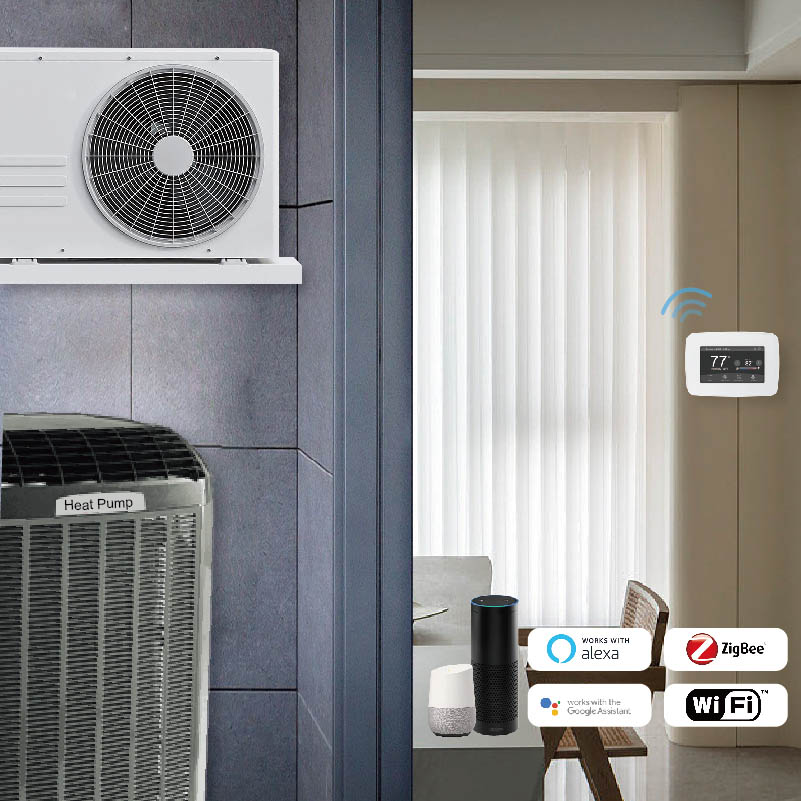
Home HVAC systems come in many types. Some homes use a gas furnace with central AC, others rely on a heat pump for both heating and cooling, and many also add fresh air systems, humidifiers, or dehumidifiers. A 24V thermostat works with a wider range of setups because it follows the standard low-voltage control used in most residential HVAC systems, and many HVAC units are designed with matching terminals. As long as the wiring and system type match, it can deliver stable control without awkward issues like “the unit turns on but doesn’t follow commands.” For homes that already have a wall-mounted thermostat, upgrading to a 24V model is often straightforward and requires less installation effort.
More Stable Temperature Control for Better Comfort
The biggest comfort problem in home heating and cooling is large temperature swings—feeling warm one moment, then suddenly getting hit with cold air, or constantly cycling between too hot and too cold. A 24V thermostat typically uses a more mature control logic, sending clearer on/off signals so heating and cooling cycles stay smoother. This becomes especially noticeable at night or during seasonal changes, when indoor temperatures shift more easily. For households with seniors or children, steadier indoor temperatures can feel much more comfortable and reduce discomfort caused by sudden temperature changes.
Supports More Feature Upgrades for Smart Temperature Control
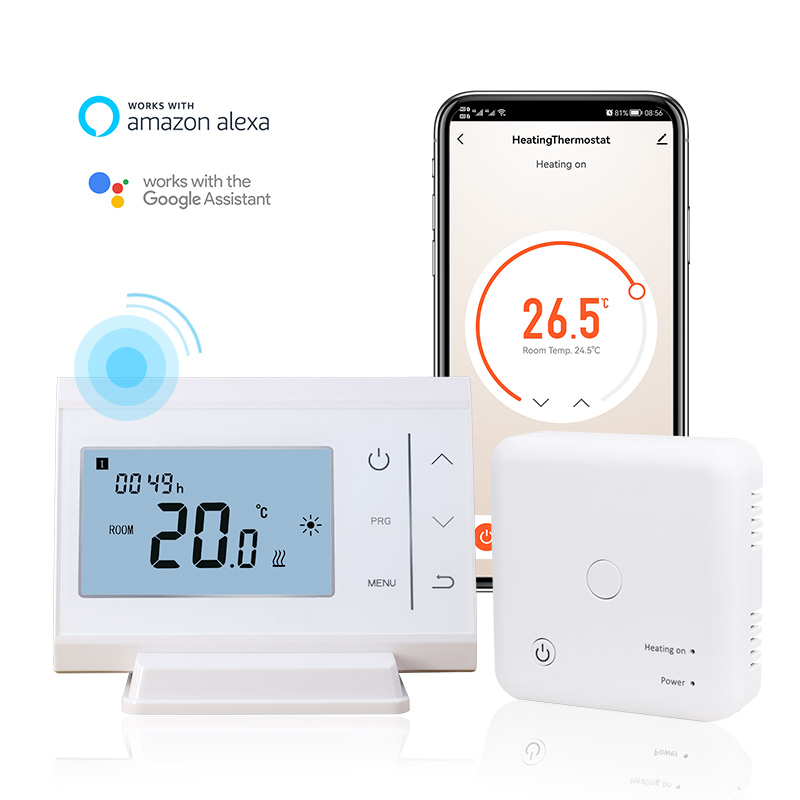
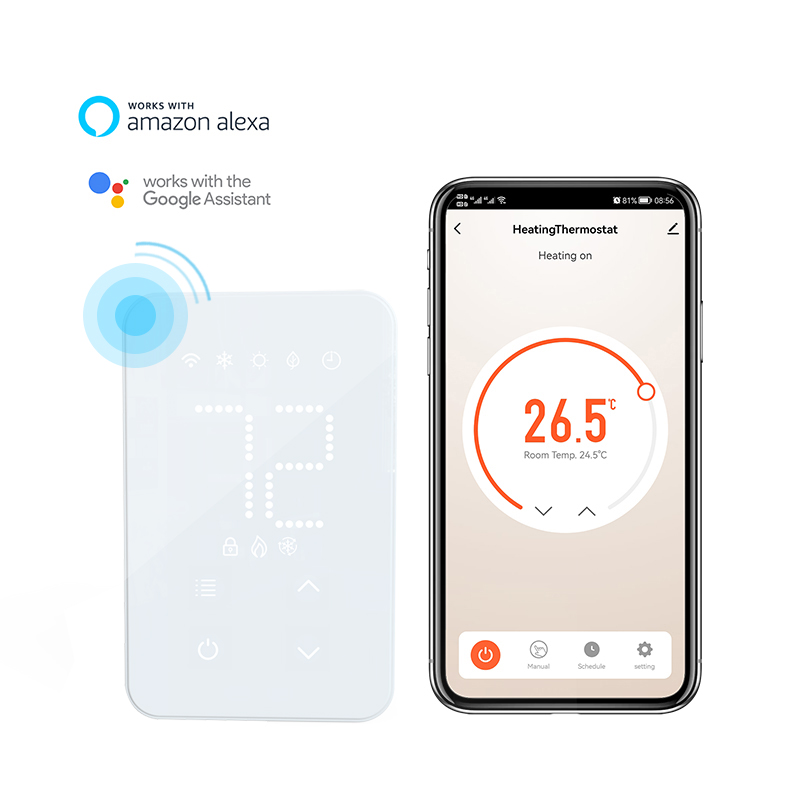
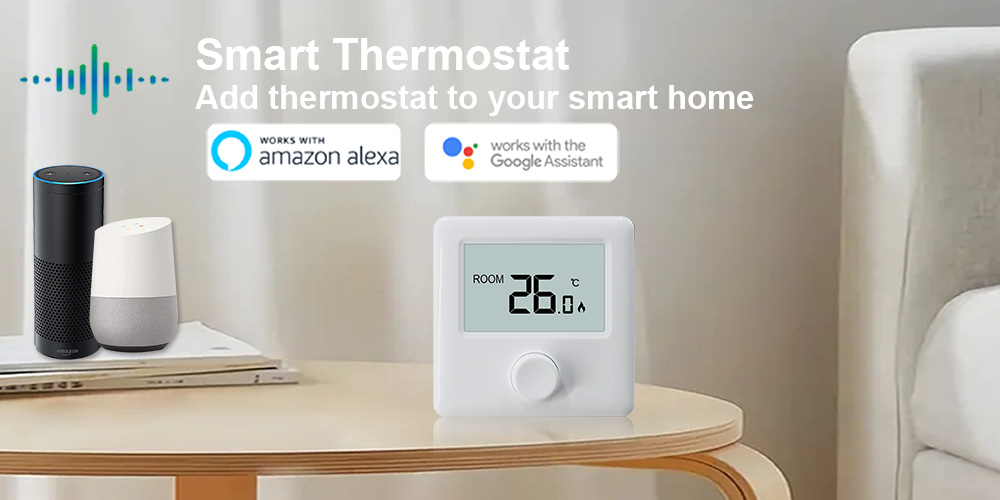
Many people replace a thermostat not just to “set the temperature,” but to gain easier control and better daily management. A 24V thermostat often supports more features, such as programmable schedules, time-based temperature settings, fan circulation modes, and in some systems, multi-stage heating and cooling control. More advanced models may also support Wi-Fi connectivity, allowing remote temperature adjustments while you’re away and letting you pre-cool or pre-heat the home before you return. For homeowners, this upgrade potential means the thermostat becomes more than a simple wall switch—it becomes a smarter control hub that fits daily routines better.
Easier Installation and Maintenance for Long-Term Convenience
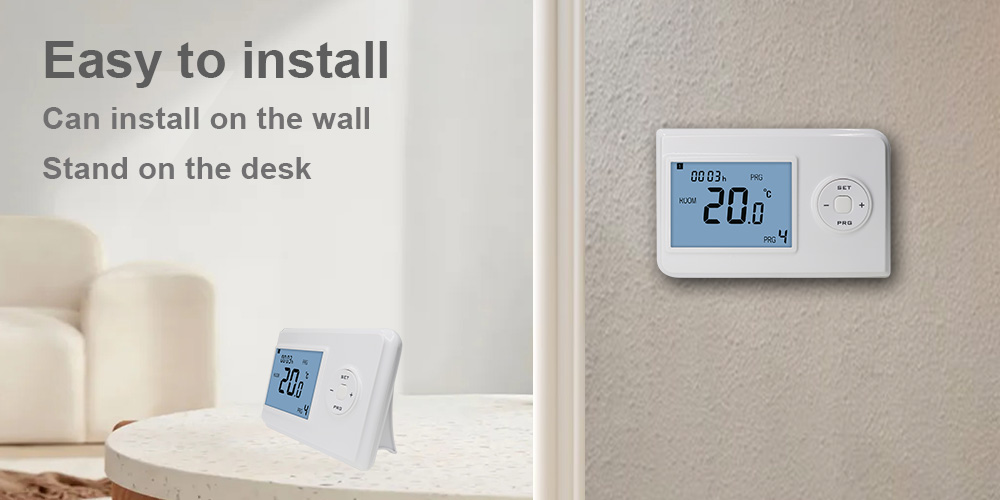
Homeowners care not only about features, but also about installation difficulty and long-term maintenance. A 24V thermostat uses low-voltage control, and the wiring is usually clearer and easier to identify, with many models offering straightforward terminal labels. Once installed, performance is typically stable. In daily use, keeping connections secure and avoiding moisture exposure is usually enough for reliable operation. For families who don’t want to constantly troubleshoot or restart equipment, the low-maintenance nature of a 24V thermostat is a major advantage.
Better for Long-Term Daily Use With Consistent Performance
Home HVAC systems often run for long periods, especially in summer and winter when they may operate for many hours each day. A 24V thermostat is well-suited for this kind of long-term residential use, offering more consistent control and easier temperature management. For larger homes with multiple rooms or families with fixed schedules, a 24V thermostat also helps create a more organized temperature routine—rather than turning the system on and off randomly. This approach not only improves comfort, but can also reduce unnecessary cycling and help the HVAC system run more smoothly.
Conclusion
In most cases, a home HVAC system is well-suited for a 24V thermostat, thanks to its strong compatibility, stable temperature control, upgrade flexibility, easy installation and maintenance, and consistent long-term performance. If you want smoother heating and cooling, better comfort, and more convenient control at home, choosing a properly matched 24V thermostat can make a noticeable difference. As long as you confirm your HVAC type and wiring requirements before buying, a 24V thermostat can make home temperature control simpler and more reliable.