






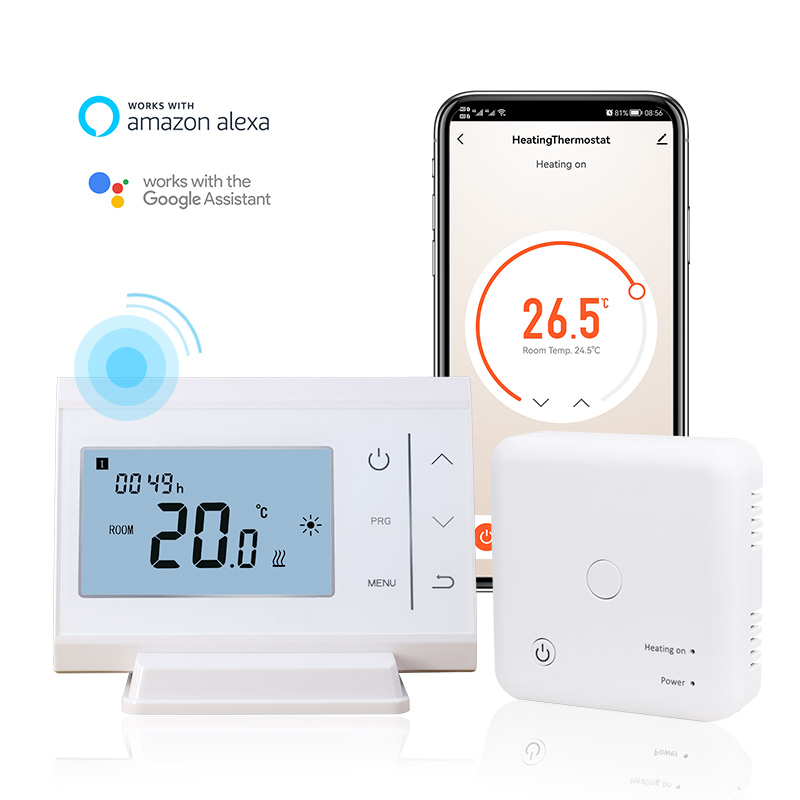
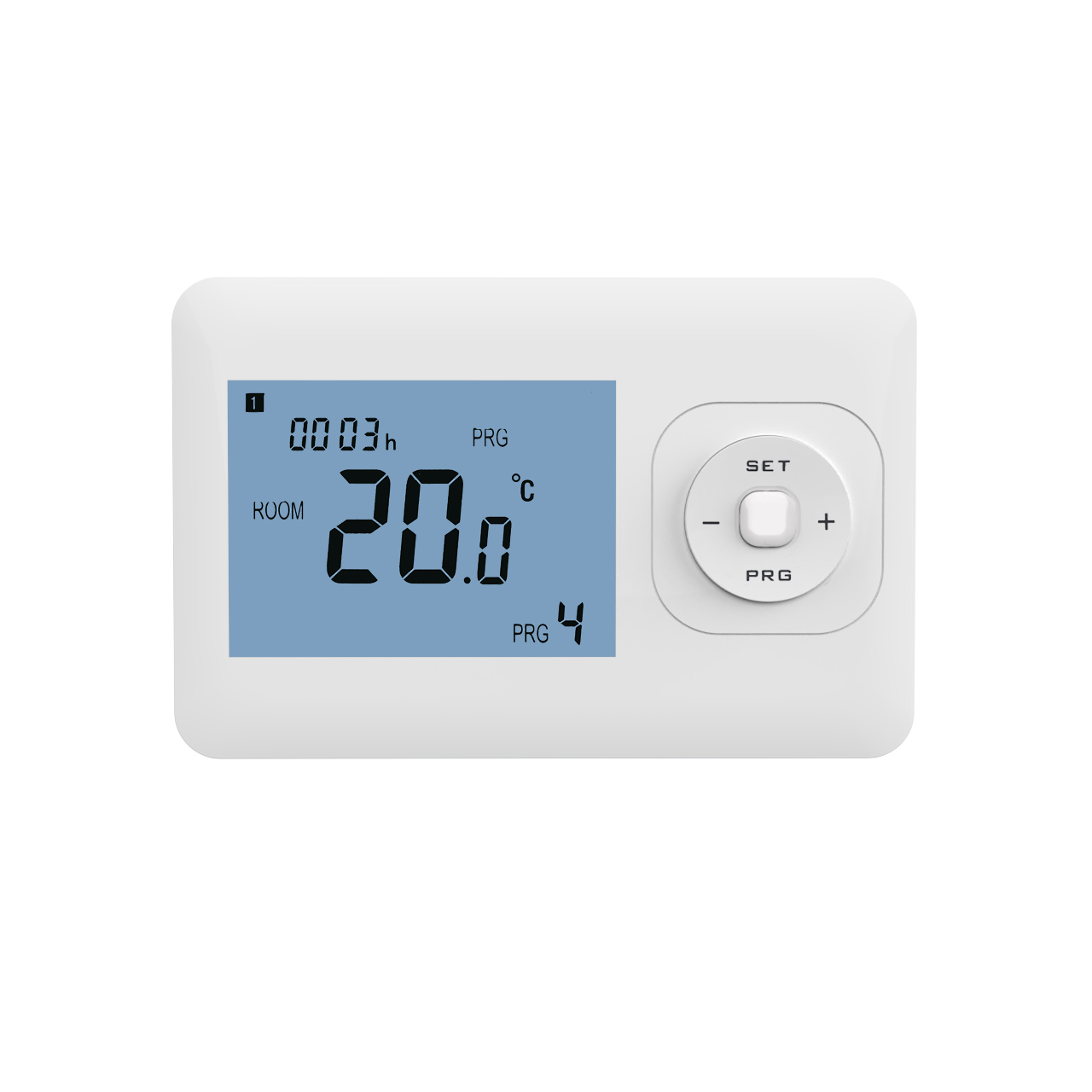
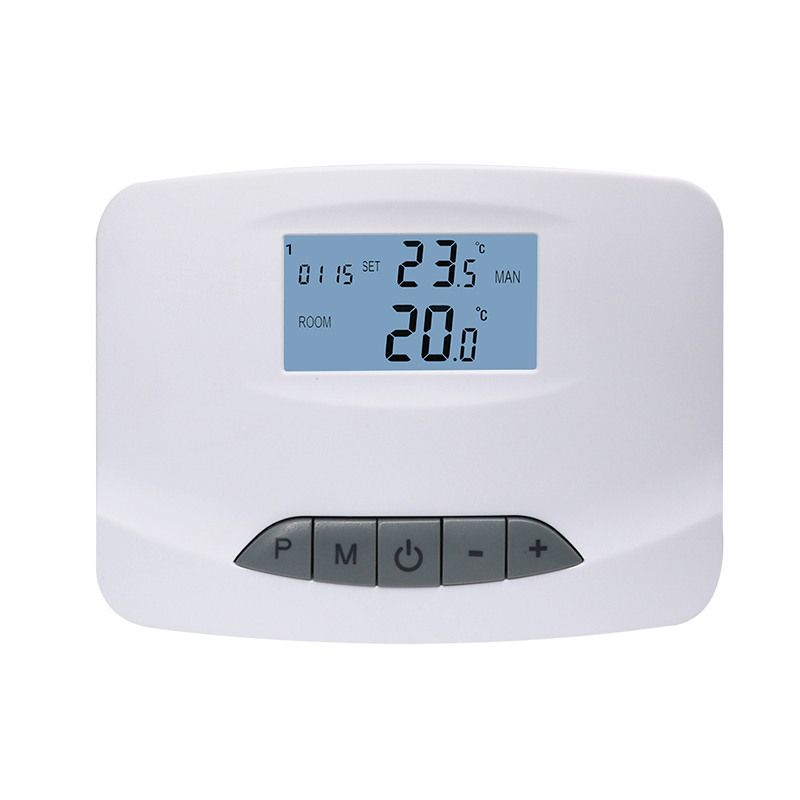
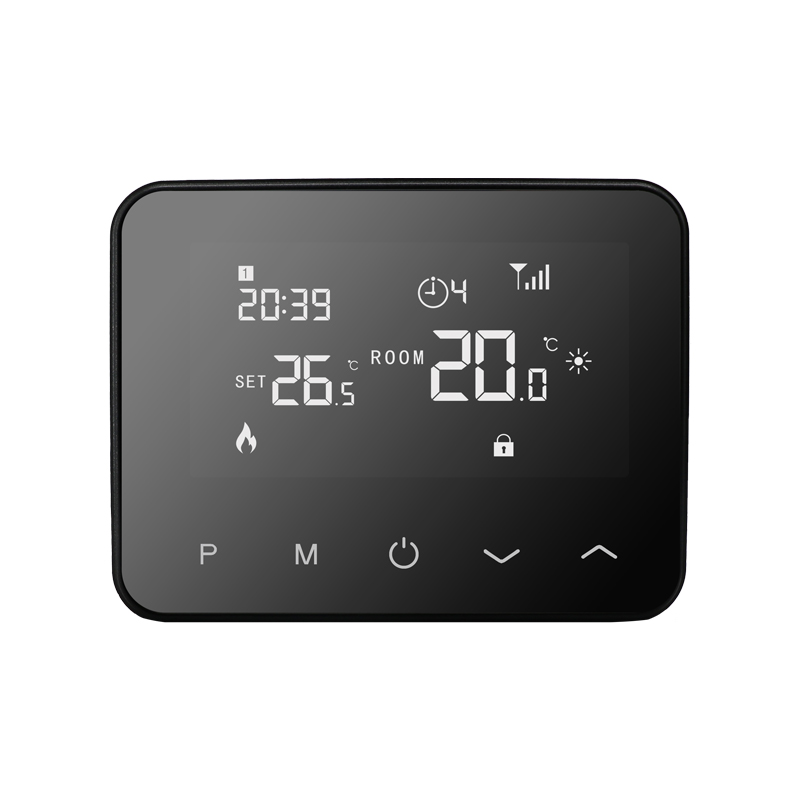
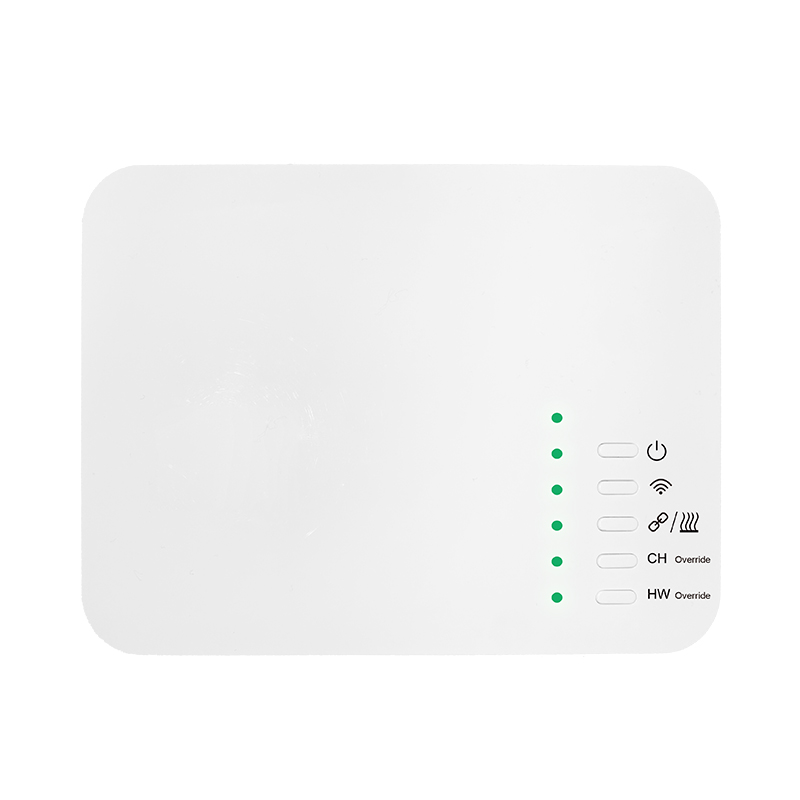
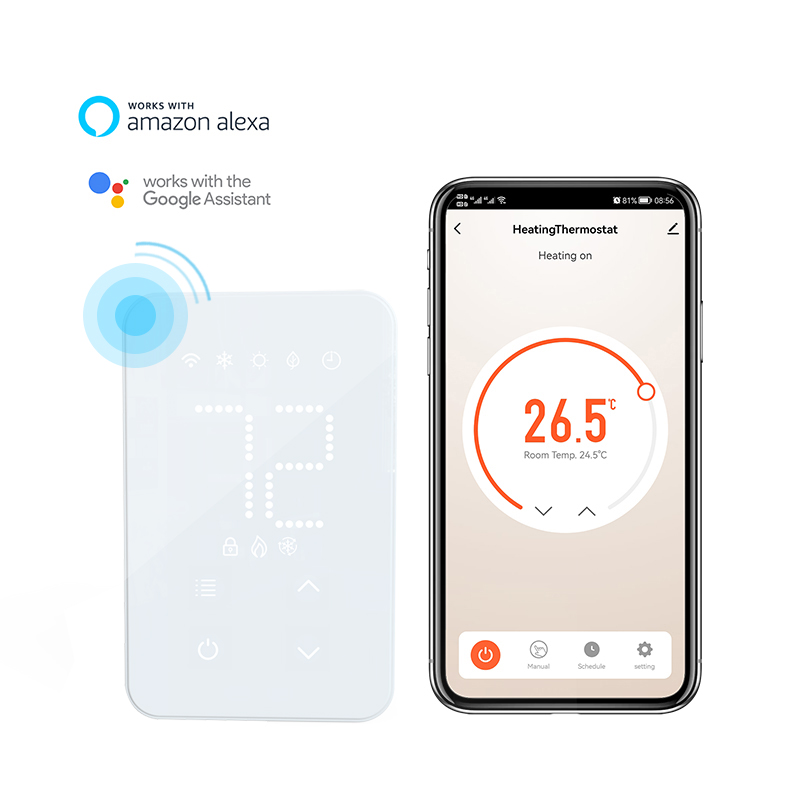
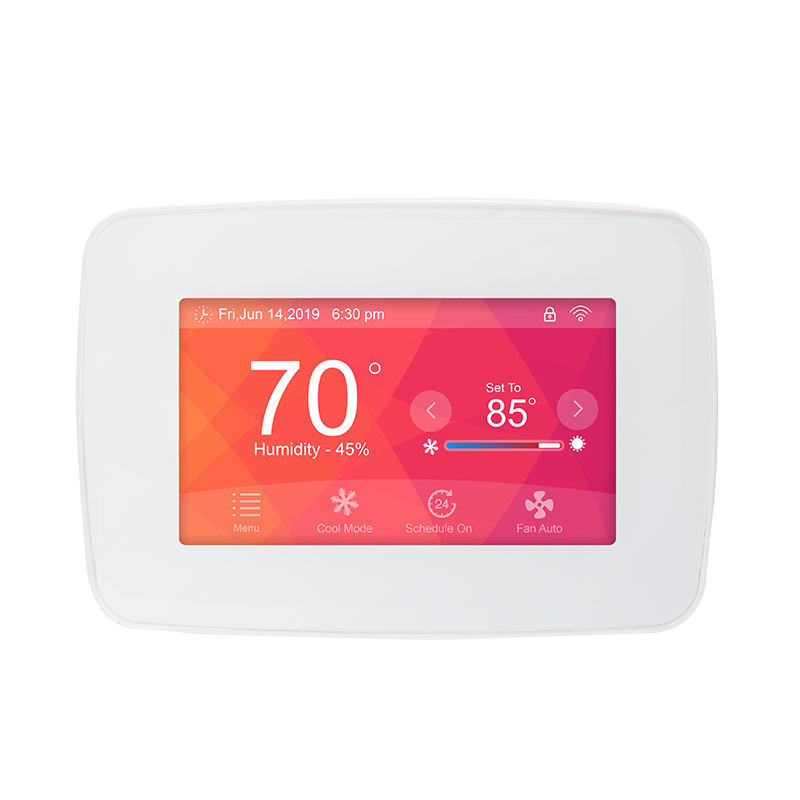
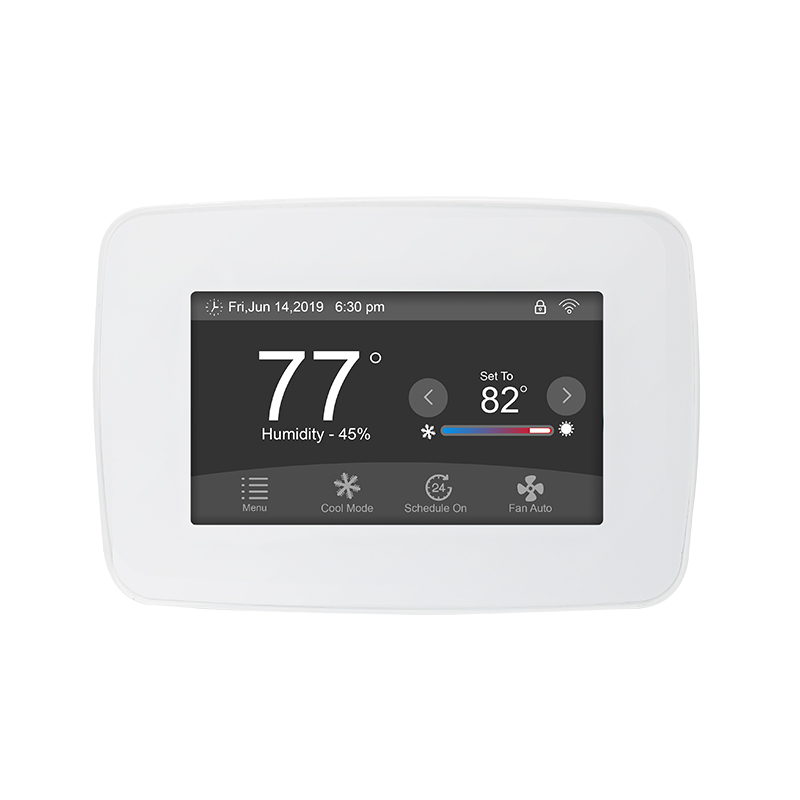
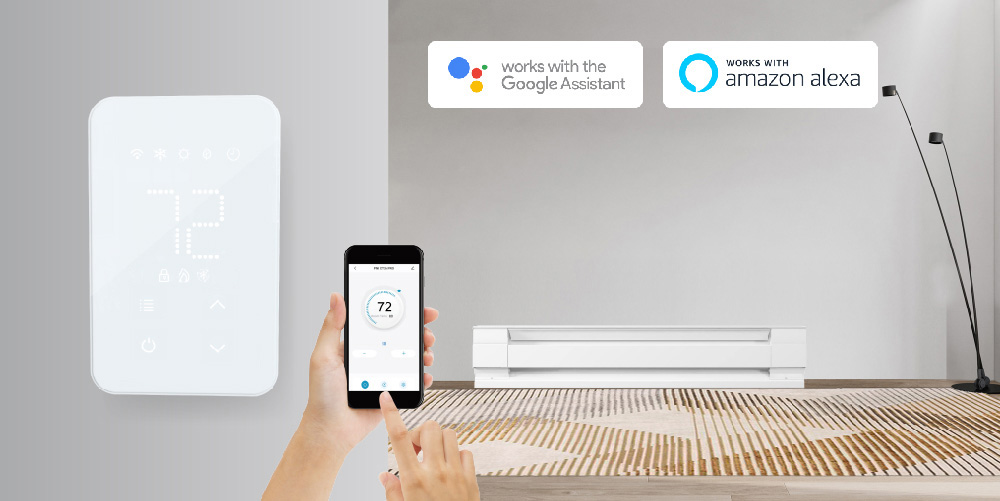
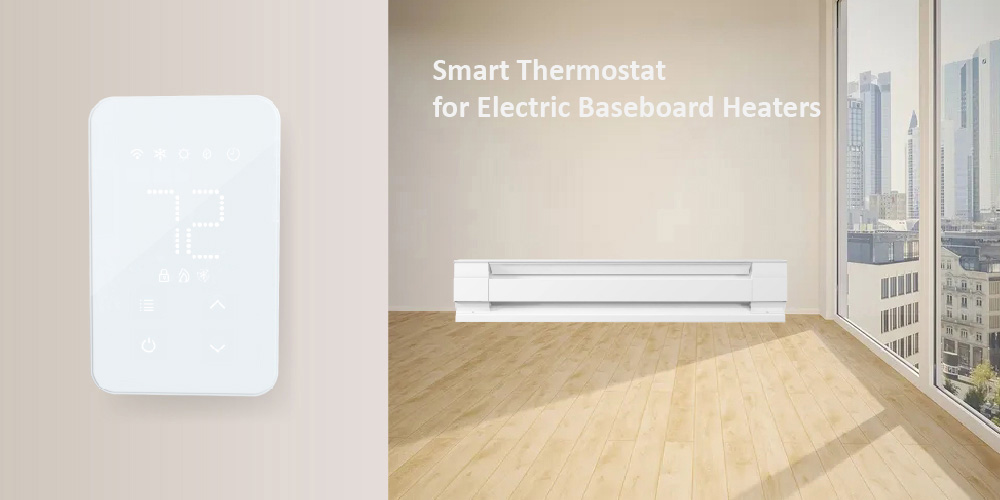
With the rise of smart home technology, voice control has become an essential feature for users seeking convenience and efficiency. In the field of smart temperature control, voice-controlled plug-in thermostats are gaining popularity. But are they truly practical? This article analyzes the real-world value of voice-controlled thermostats from the perspectives of convenience, energy efficiency, safety, and usage scenarios, helping users decide whether such a device is worth the investment.
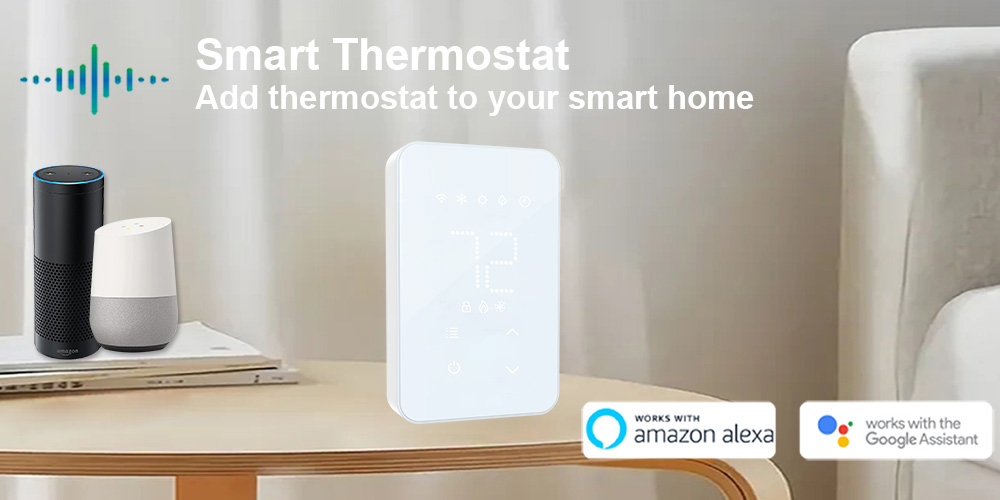
Convenience of Voice Control
The most obvious advantage of a voice-controlled plug-in thermostat is convenience. Users can adjust temperature, turn devices on or off, or switch modes without manual operation. For example, one voice command can preheat a room before returning home, or lower the temperature at night without getting out of bed. This touchless operation not only improves convenience but also makes home life smarter.
Moreover, voice-controlled thermostats are usually compatible with smart home platforms and can be linked with lights, fans, or air conditioners. A single command can trigger multiple devices simultaneously, enhancing overall home automation.
Energy Efficiency and Management
Voice control alone does not directly save energy, but it helps users manage room temperature more efficiently, indirectly reducing energy consumption. For instance:
Quickly switch to energy-saving mode to avoid heating empty rooms
Set different scene modes, such as “Away” or “Sleep,” for automatic temperature adjustments
Combine voice control with a smart home app to adjust temperature remotely
These features reduce wasted energy and improve electricity efficiency, lowering utility costs.
Safety and Smart Monitoring
Smart thermostats typically include overheat protection, power control, and alert functions for abnormal power interruptions. With voice control, users can check device status through voice or an app in real-time, addressing potential issues immediately. Remote voice operation also allows users to turn off appliances quickly in emergencies, enhancing home safety.
Practicality and Suitable Scenarios
The usefulness of a voice-controlled plug-in thermostat depends on the user’s needs and environment:
Highly practical scenarios: Bedrooms, living rooms, or homes with elderly or mobility-impaired residents, where voice control greatly improves convenience.
Moderately practical scenarios: Offices or small rooms where users frequently adjust devices manually; voice control increases efficiency.
Low practical scenarios: Single-function devices within close reach, where voice control adds limited value.
Overall, voice control is most beneficial for users requiring remote operation, multi-device integration, or high convenience.
Conclusion
Voice-controlled plug-in thermostats do offer practical benefits, but their value depends on the environment and user needs. For households seeking a smart, convenient, and remotely controllable solution, these devices can significantly enhance comfort, energy efficiency, and safety. For users needing only basic temperature control in small spaces, the added value of voice control may be limited. When choosing a device, it is important to consider home layout, usage habits, and the smart home ecosystem to ensure the investment aligns with actual needs.