






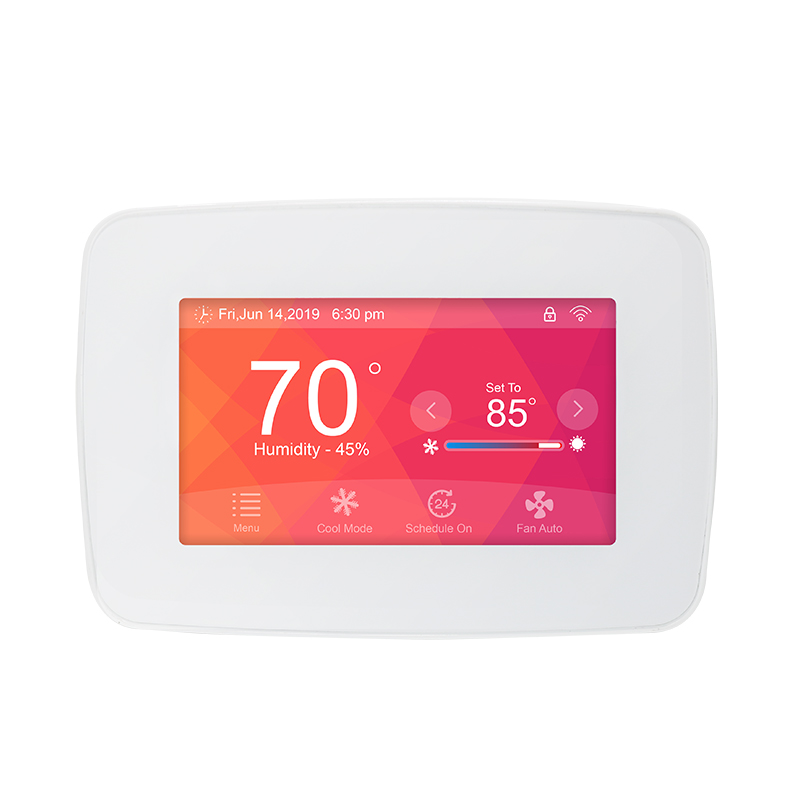
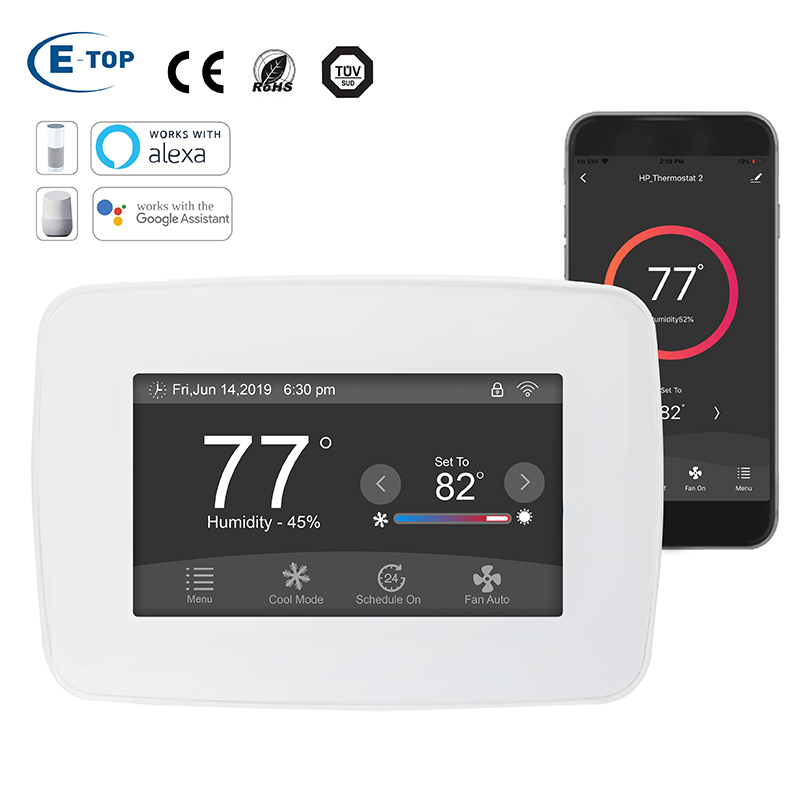
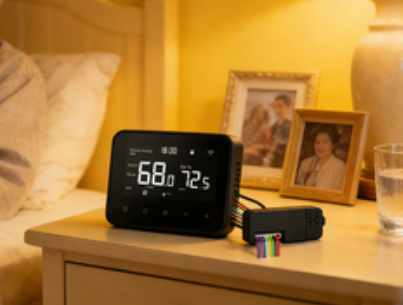
With the rise of smart home technology, comfort and energy management in living spaces are becoming increasingly intelligent. A plug-in thermostat serves as a key component in smart homes, offering precise temperature control while integrating with other smart devices to create an energy-efficient, safe, and convenient environment. This article explores the applications and value of plug-in thermostats in smart home systems.
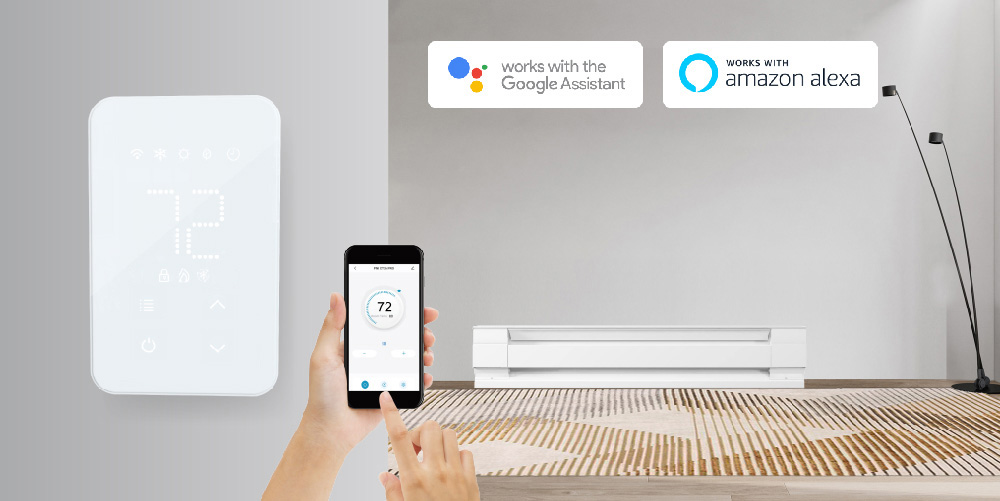
What Is a Plug-In Thermostat?
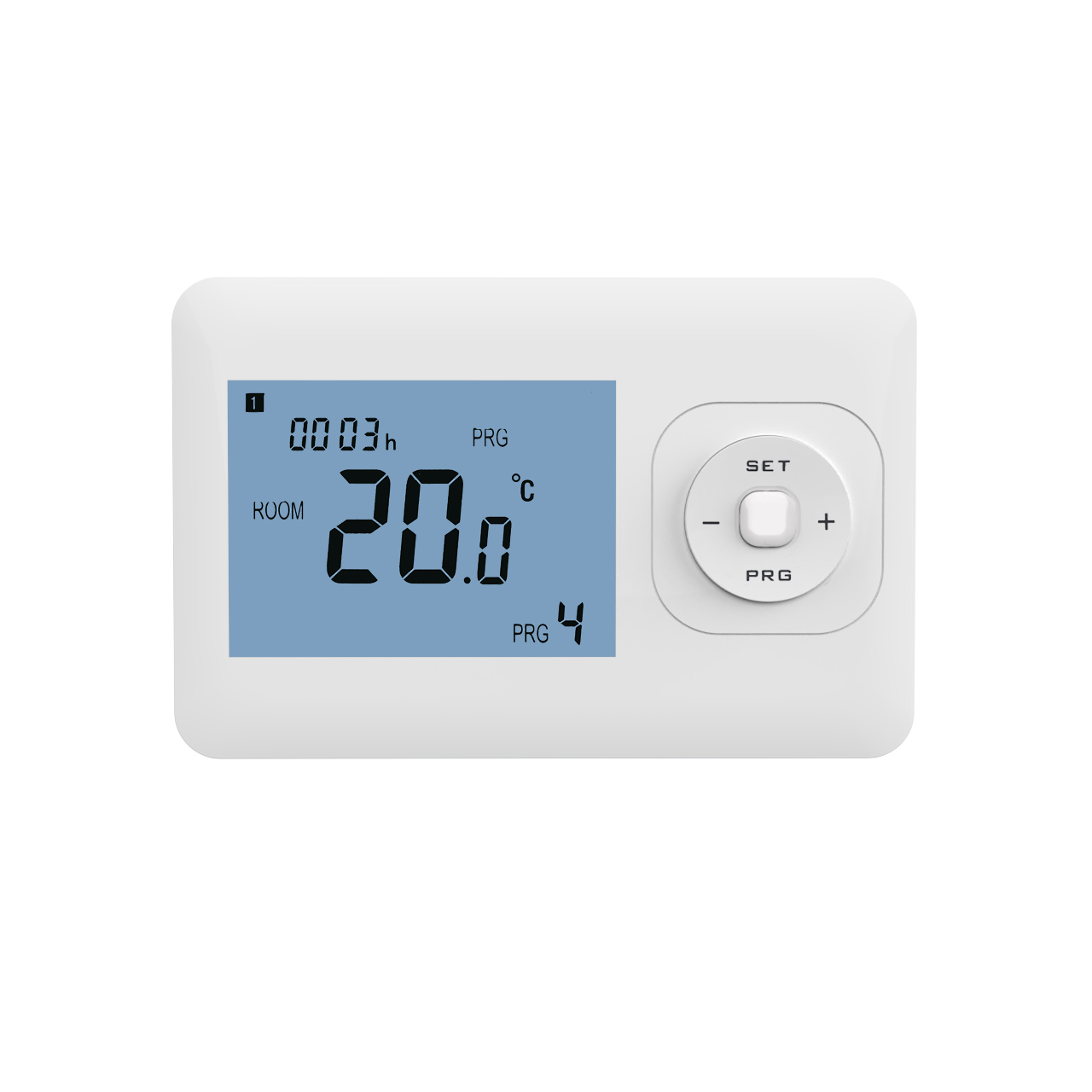
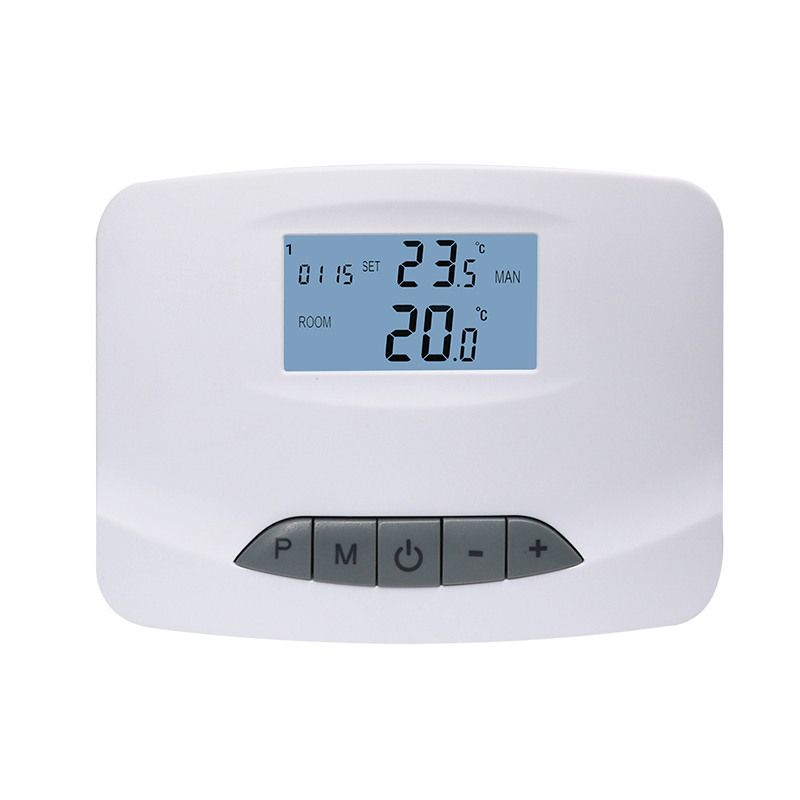
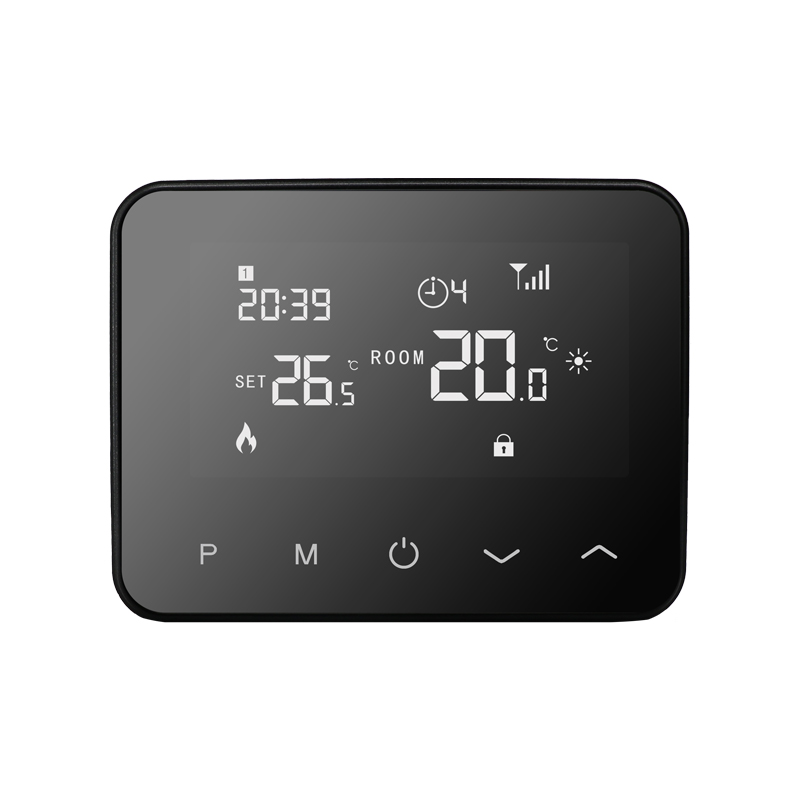
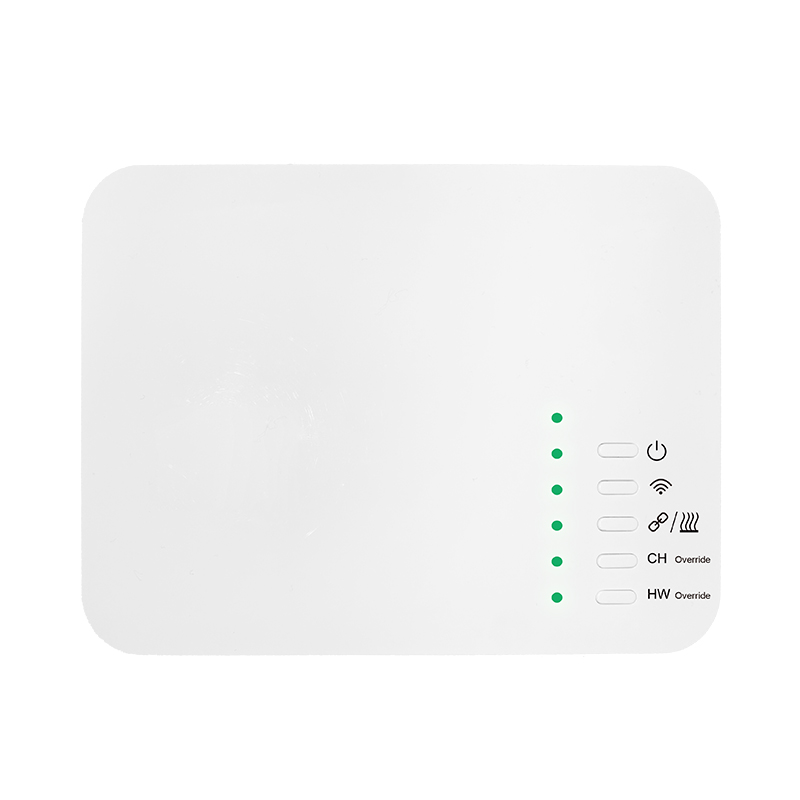
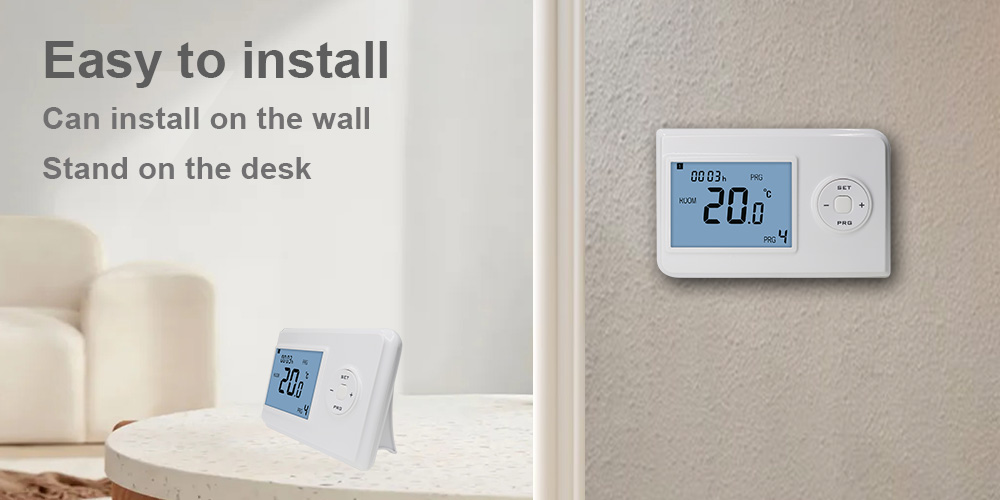
A plug-in thermostat is a smart temperature control device that plugs directly into a power outlet, allowing it to regulate the power output of electric heaters, fans, or other appliances. Equipped with temperature sensors, smart chips, and remote control capabilities, it enables automated temperature management without the need to modify existing wiring. Its ease of installation and flexibility make it ideal for homes, offices, and rental properties.
Precise Temperature Control for Enhanced Comfort
Comfort is a top priority in smart home environments. Plug-in thermostats automatically adjust appliance power according to the set temperature, preventing overheating or underheating. By maintaining a stable and comfortable indoor climate, they reduce temperature fluctuations that can cause discomfort. For example, they keep rooms evenly warm in winter and assist fans or air conditioners in summer, ensuring a consistently comfortable environment.
Energy Savings and Cost Efficiency
Plug-in thermostats help reduce energy consumption through timers, temperature schedules, and automatic adjustment features. Users can program the thermostat to lower temperatures when rooms are unoccupied or raise them before arrival, optimizing energy usage. Compared to manually controlled devices, plug-in thermostats can significantly reduce electricity bills and minimize energy waste, providing measurable economic benefits for households and offices.
Integration with Smart Home Systems
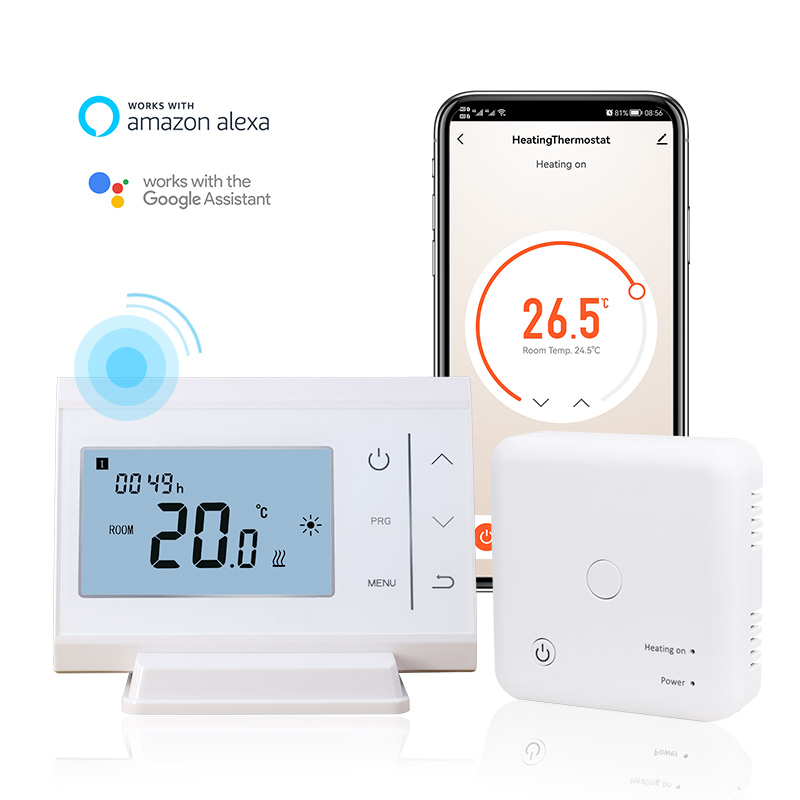
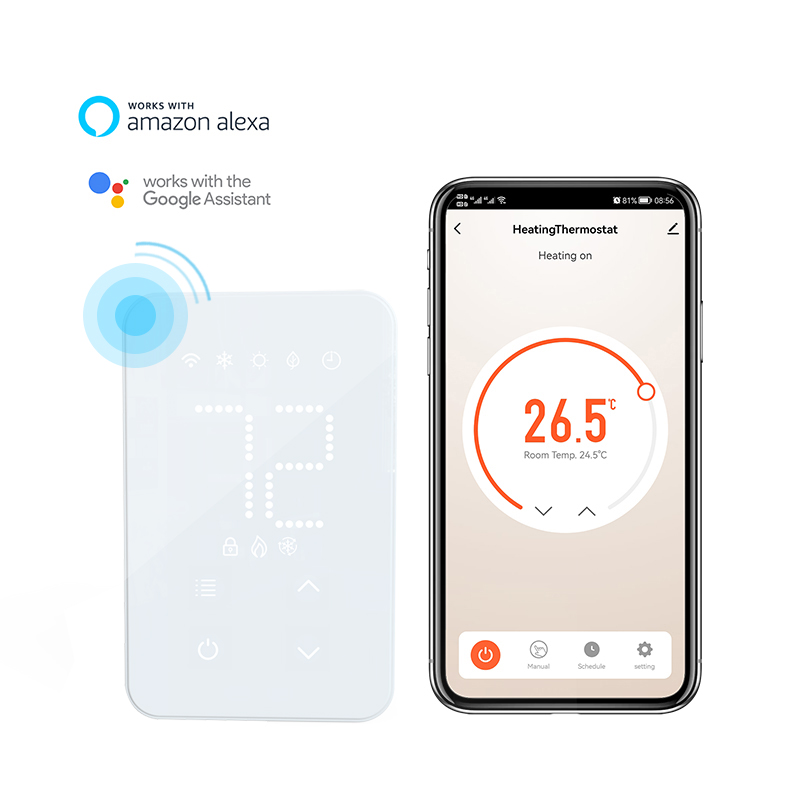
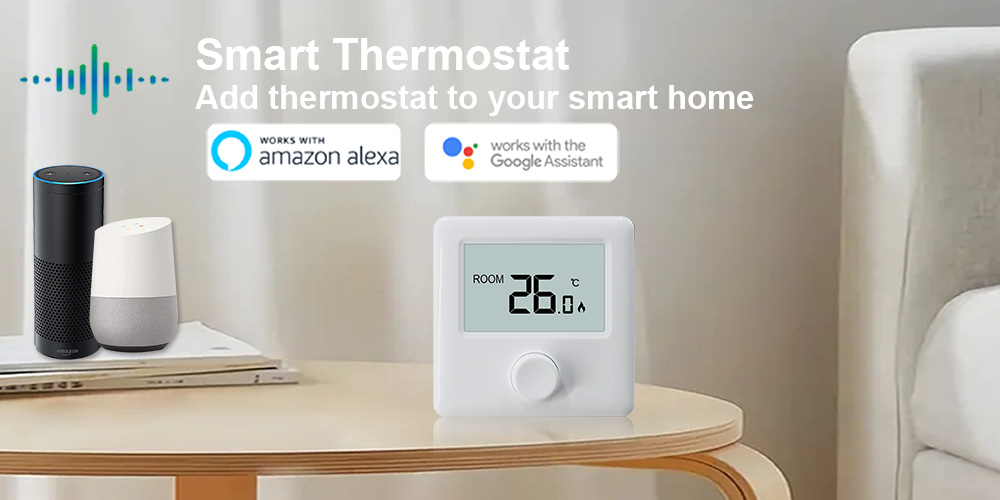
Modern plug-in thermostats often support Wi-Fi or Bluetooth connectivity, allowing integration with smart home platforms and voice assistants. Users can adjust settings remotely via smartphone apps or control devices using voice commands. Additionally, plug-in thermostats can work in coordination with other devices, such as:
Smart air conditioners for whole-home temperature management
Humidifiers to adjust indoor humidity
Security systems to automatically shut off devices and prevent overheating
This multi-device integration enhances convenience, efficiency, and safety in the smart home environment.
Safety and Reliability
Plug-in thermostats automatically regulate power output, preventing prolonged idling or overload of connected appliances. Most devices feature overheat protection, power-off alerts, and fault notifications, reducing the risk of fire or equipment damage. This ensures users can enjoy intelligent climate control with peace of mind.
Conclusion
In summary, plug-in thermostats offer multiple benefits in smart home applications. They provide precise temperature control, energy savings, and seamless integration with other smart devices, enhancing comfort, convenience, and safety. Whether in homes, offices, or rental properties, plug-in thermostats are essential tools for creating an efficient, comfortable, and intelligent living environment. For anyone seeking a smarter, safer, and more energy-efficient lifestyle, a plug-in thermostat is an indispensable device.