






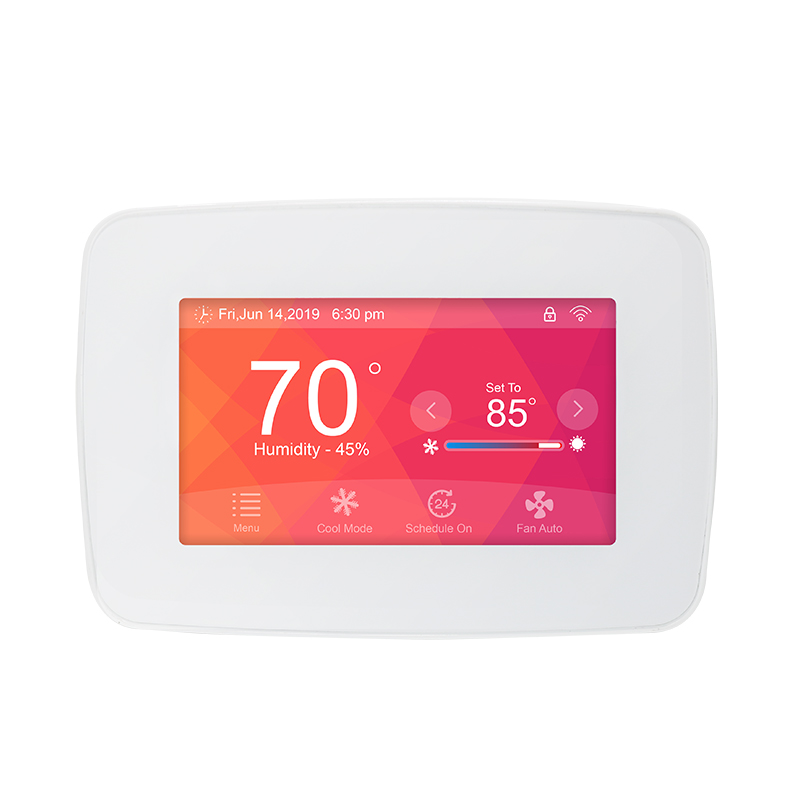
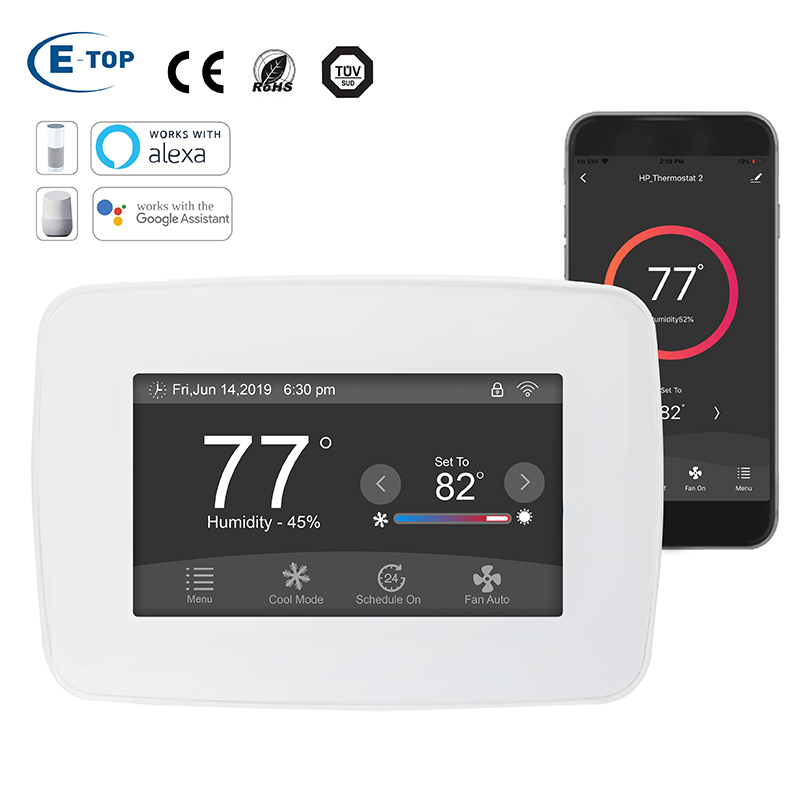
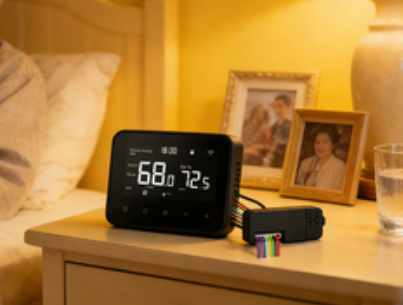
As smart home technology and energy-efficient living continue to evolve, more users are looking for flexible and easy-to-deploy temperature control solutions. Plug-in thermostats have gained popularity under this trend, offering a practical alternative to traditional wall-mounted thermostats. With simple installation and precise temperature regulation, they are widely used in residential and light commercial environments.
The Basic Concept of a Plug-In Thermostat
A plug-in thermostat is a temperature control device that operates by connecting directly to a standard electrical outlet. It is typically installed between the power source and the appliance being controlled. By continuously monitoring the ambient temperature, the thermostat automatically turns connected equipment on or off to maintain a predefined temperature range.
Common applications include electric heaters, fan coil units, portable heating devices, and certain cooling systems. Because it does not require wall installation or complex wiring, a plug-in thermostat is especially suitable for apartments, rental properties, offices, or spaces that require flexible temperature management.
Core Working Principle of a Plug-In Thermostat
The operating principle of a plug-in thermostat can be summarized in three steps: sensing, decision-making, and control.
First, the built-in temperature sensor continuously detects the surrounding ambient temperature. This real-time temperature data is transmitted to the internal control unit, where it is compared with the user-defined target temperature.
When the measured temperature deviates from the set value, the thermostat responds by adjusting the power output. For example, in heating mode, if the room temperature drops below the preset level, the thermostat supplies power to the heating device. Once the temperature reaches or exceeds the target value, the thermostat cuts off power to prevent overheating.
This process runs automatically in a continuous cycle, allowing the system to maintain stable indoor temperatures without frequent manual adjustments.
How Plug-In Thermostats Differ From Traditional Thermostats
Traditional wall-mounted thermostats are usually hardwired into HVAC systems and rely on fixed installation and centralized control. Plug-in thermostats, on the other hand, manage temperature by controlling the power supply to individual devices.
This difference in working method gives plug-in thermostats greater flexibility and significantly lowers installation barriers. They are particularly effective for localized temperature control, making them ideal for users who want precise regulation in specific rooms rather than entire buildings.
How Smart Plug-In Thermostats Enable Advanced Control
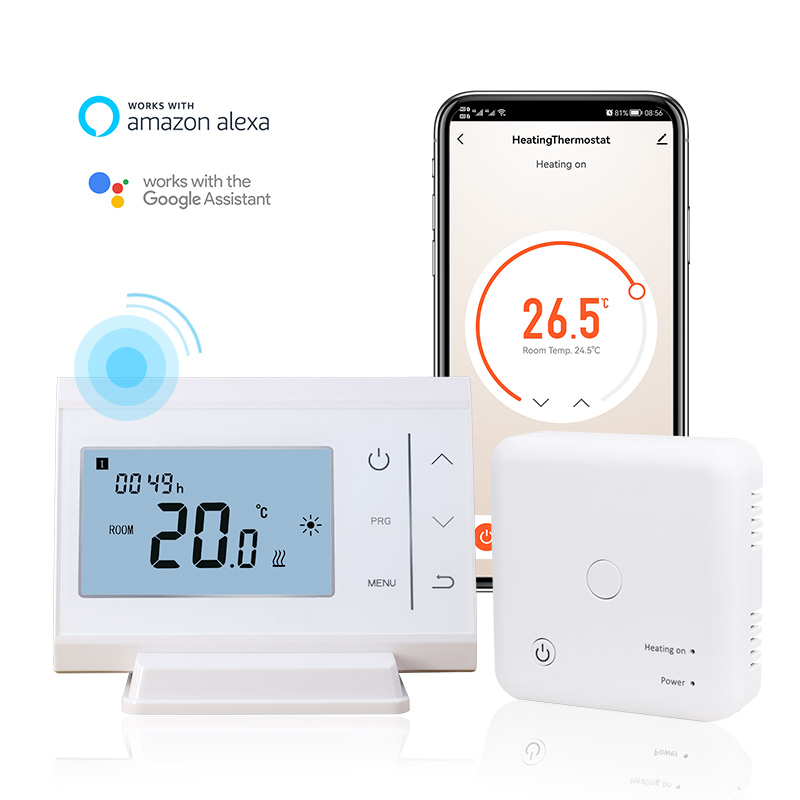
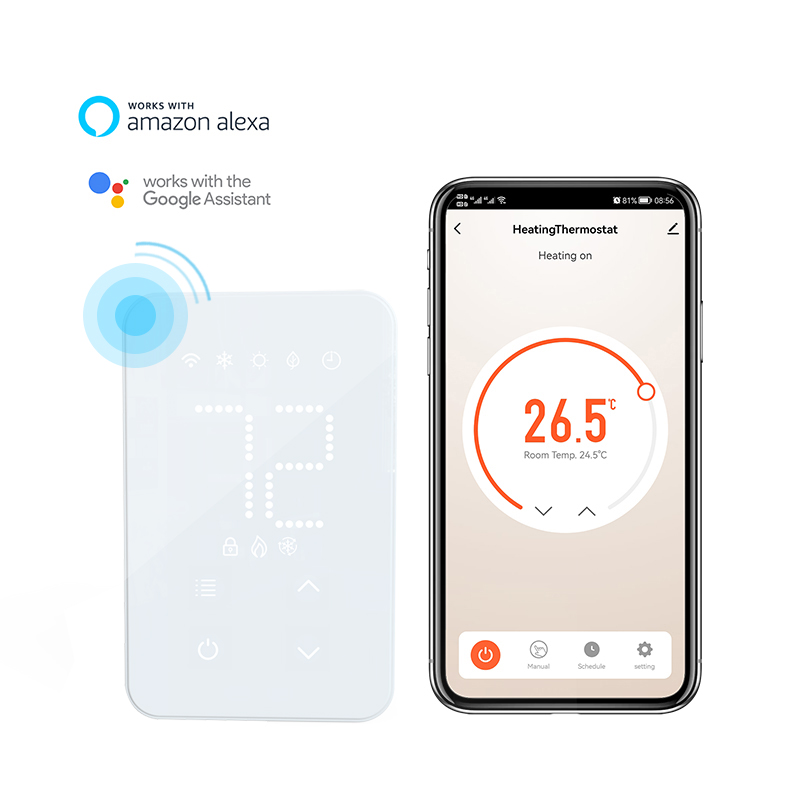
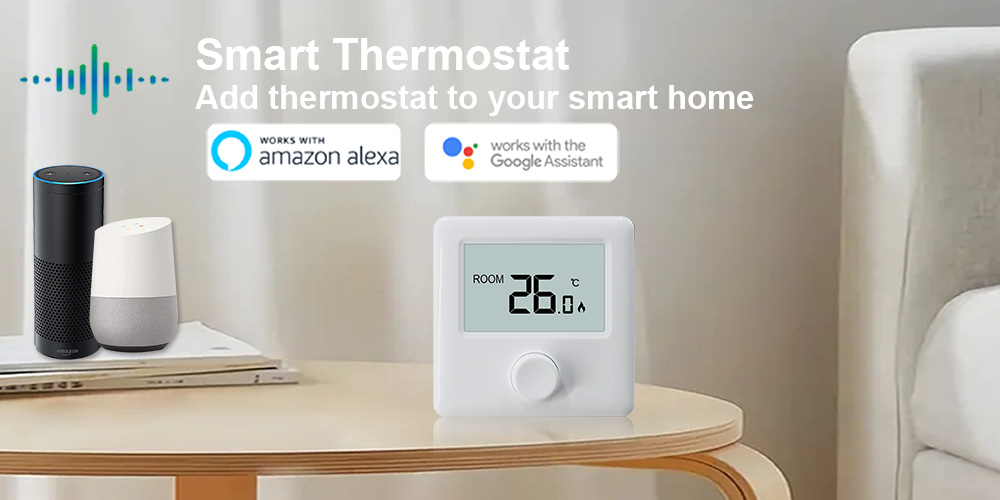
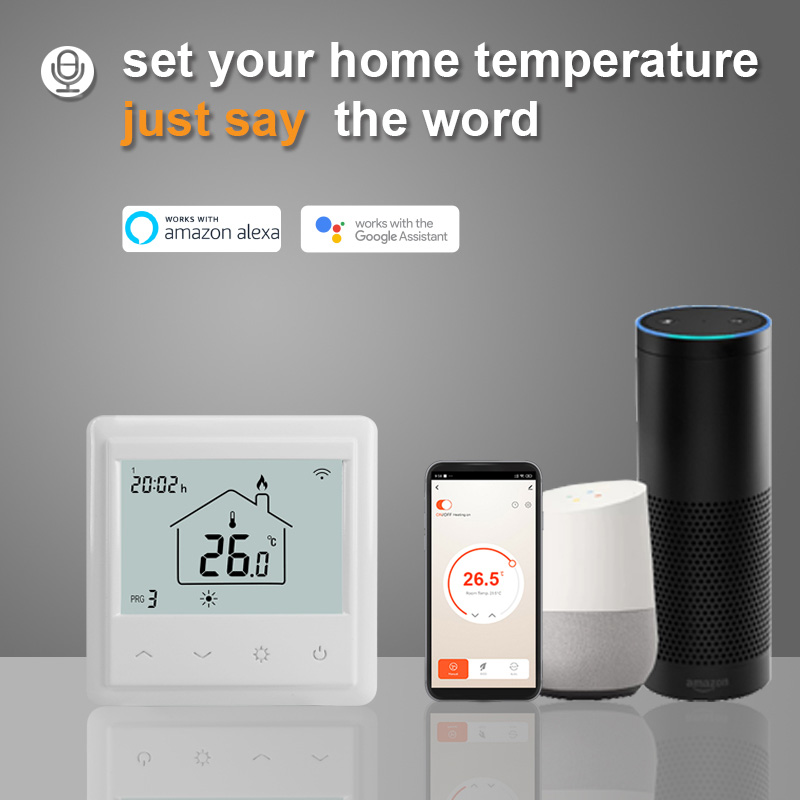
With technological advancements, many plug-in thermostats now go beyond basic temperature regulation. Some models support scheduling, remote access, and voice control through integrated communication modules.
From a functional perspective, smart plug-in thermostats still follow the same fundamental sensing and comparison logic. The difference lies in the added software layer, which allows users to adjust temperature settings via mobile apps or voice assistants. The thermostat updates its control parameters in real time and responds accordingly, providing a more convenient and personalized temperature management experience.
Typical Application Scenarios
Thanks to their straightforward yet effective operating principles, plug-in thermostats are well suited for spaces that require independent temperature control. Bedrooms, home offices, study rooms, and small commercial areas can all benefit from their ability to maintain stable temperatures while minimizing energy waste.
In environments where permanent installation is not practical, plug-in thermostats offer a simple solution that delivers both comfort and efficiency through standard electrical outlets.
Conclusion
From a technical standpoint, a plug-in thermostat is not a complex device. It is a practical temperature control tool built on accurate temperature sensing and automatic power regulation. By simplifying traditional thermostat systems and making them more modular, plug-in thermostats provide reliable performance while allowing room for smart upgrades.
For users seeking a cost-effective, flexible, and efficient way to manage indoor temperatures, understanding how plug-in thermostats work is an important first step toward smarter climate control.