
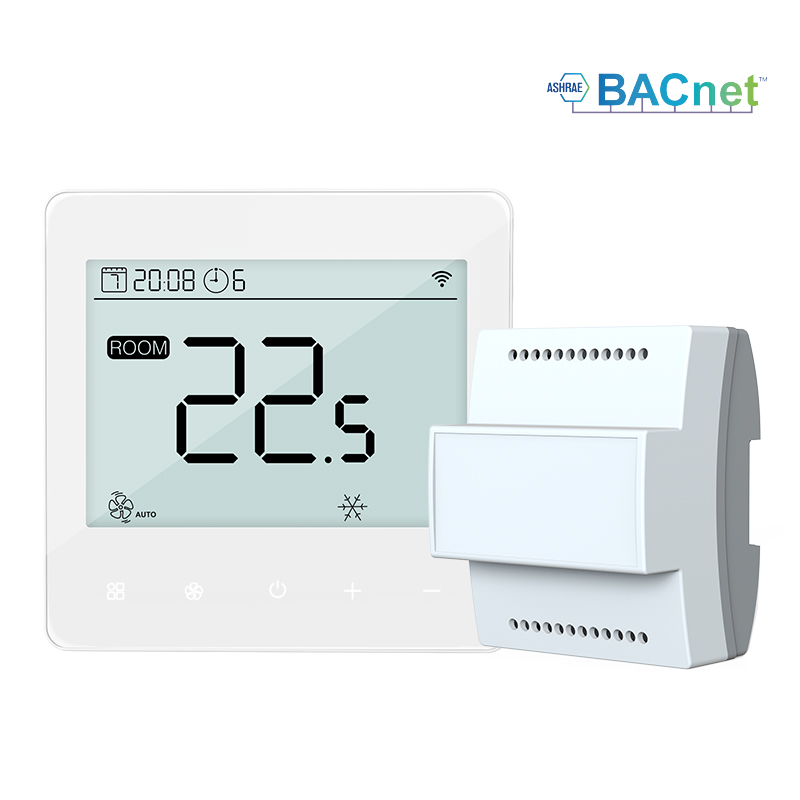
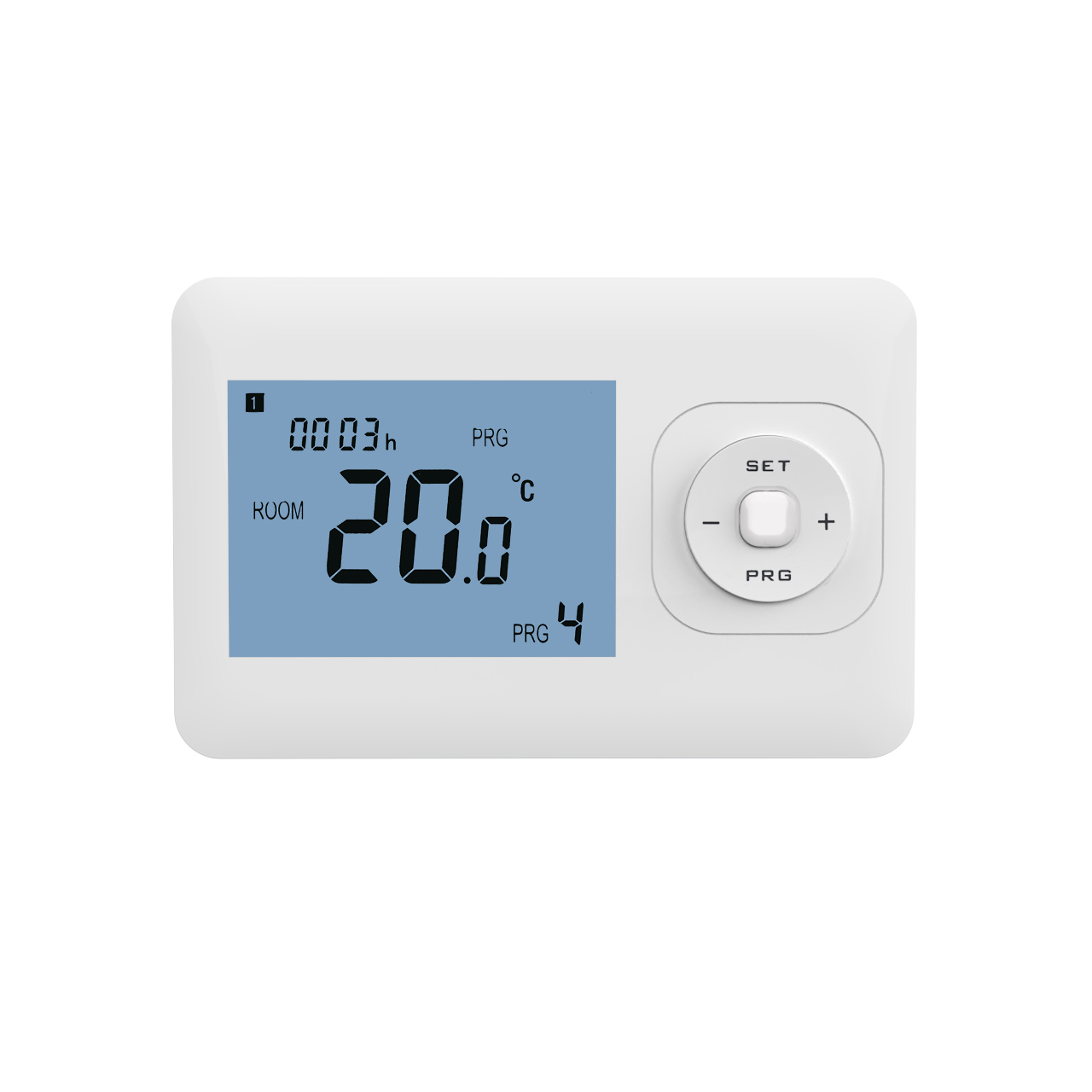
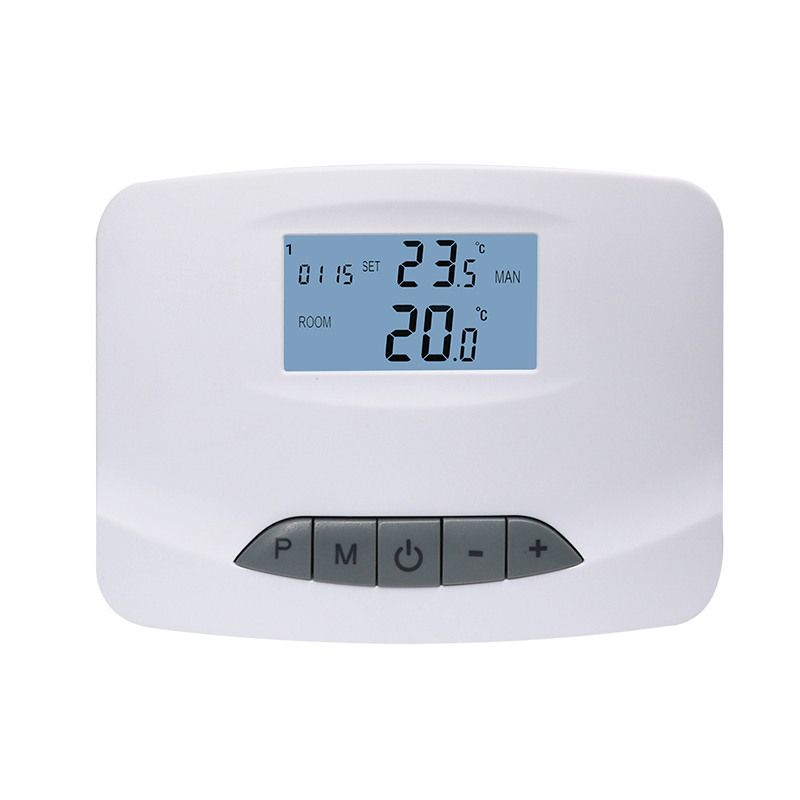
With the development of smart homes, the temperature control methods for electric floor heating systems have become increasingly diverse. Traditional wired thermostats are gradually being replaced or supplemented by wireless models. However, many users are still confused about the differences between wireless and wired electric floor heating thermostats. This article analyzes their distinctions in installation convenience, functionality, control stability, and user experience to help users make informed choices.
Installation Convenience Comparison
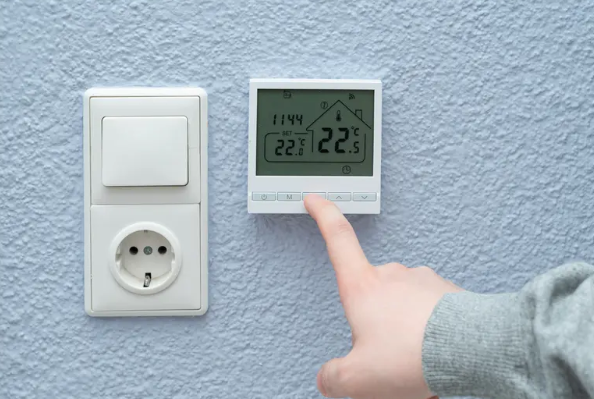
Wired thermostats require physical connections between the thermostat and the floor heating system’s control unit. While this ensures stable and reliable operation, installation requires careful pre-planning of wiring, wall chiseling, and connection work, resulting in higher labor costs and longer installation time.
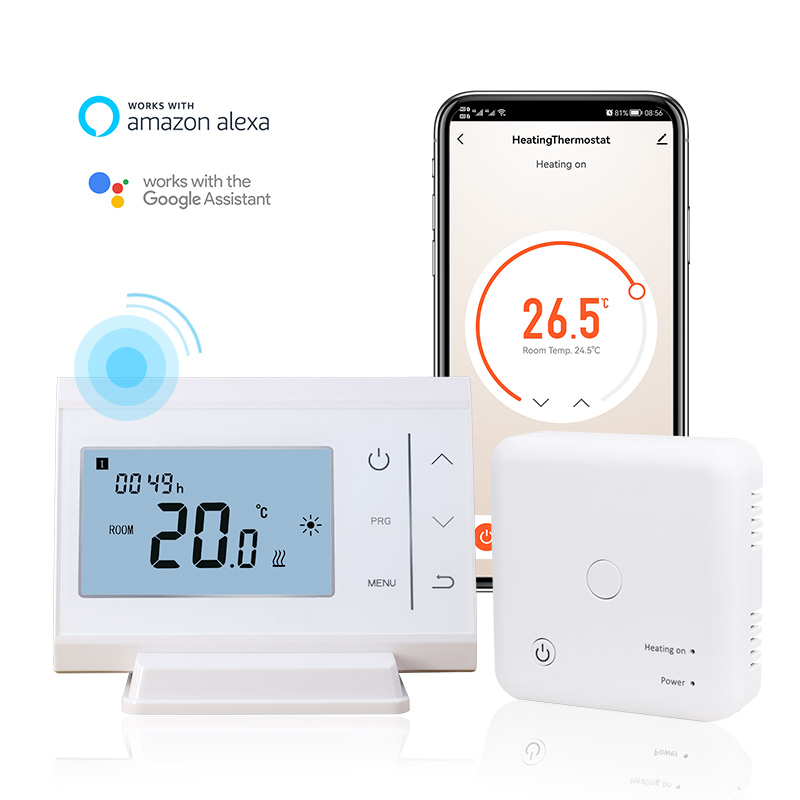
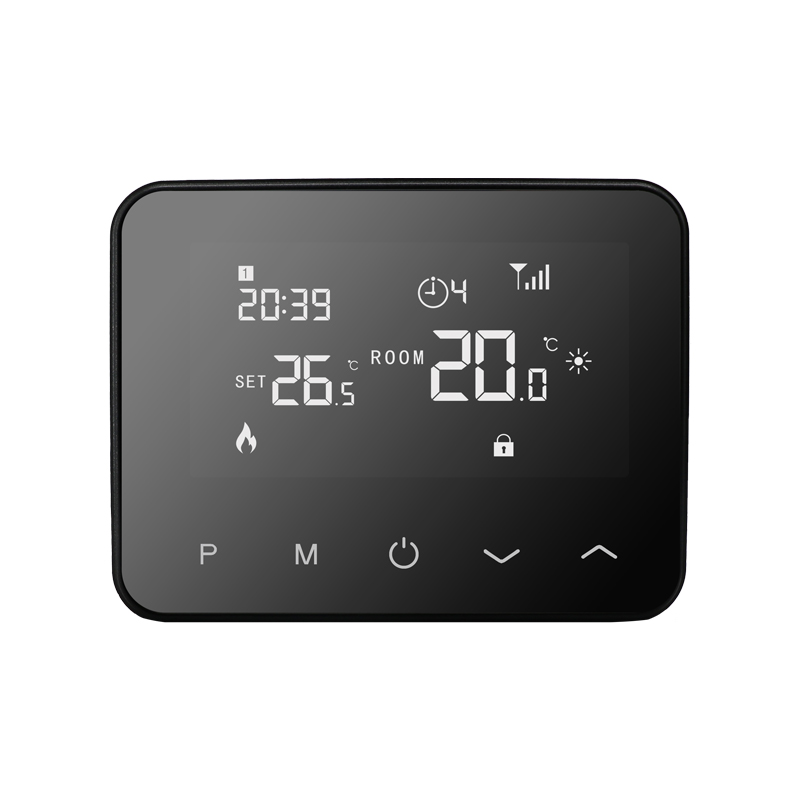
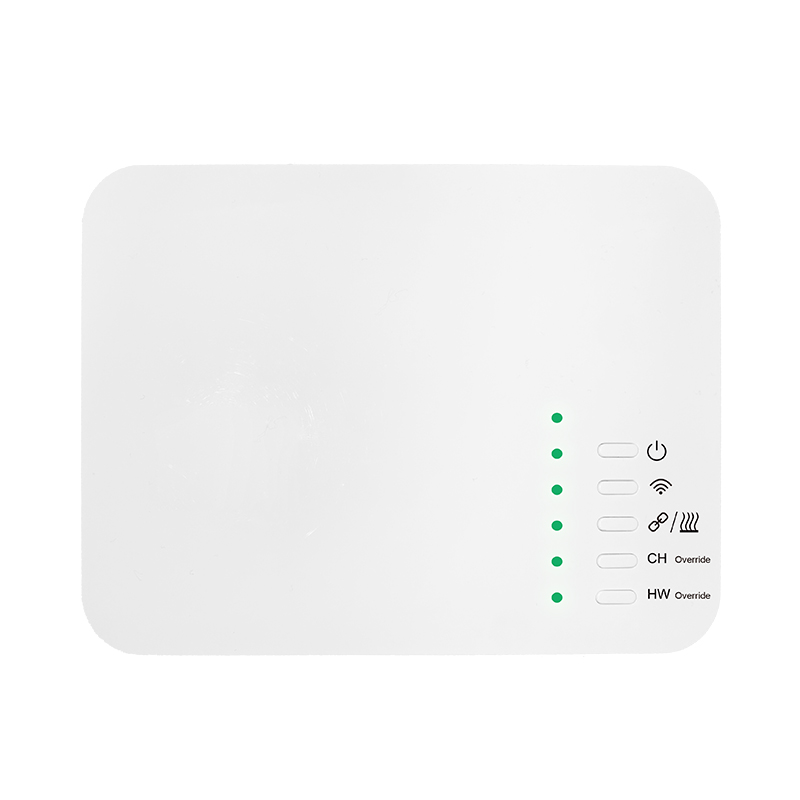
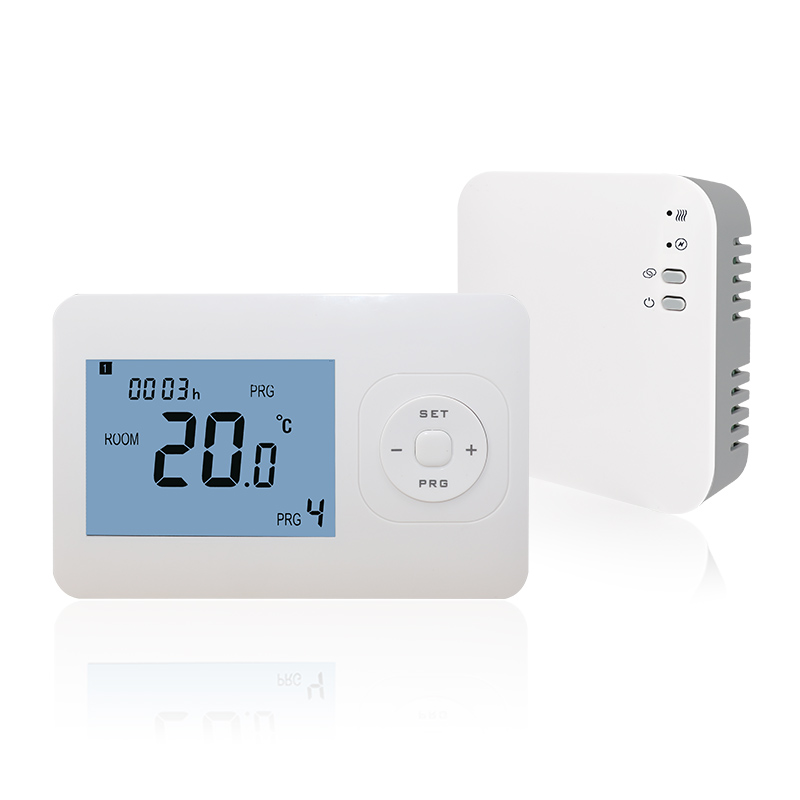
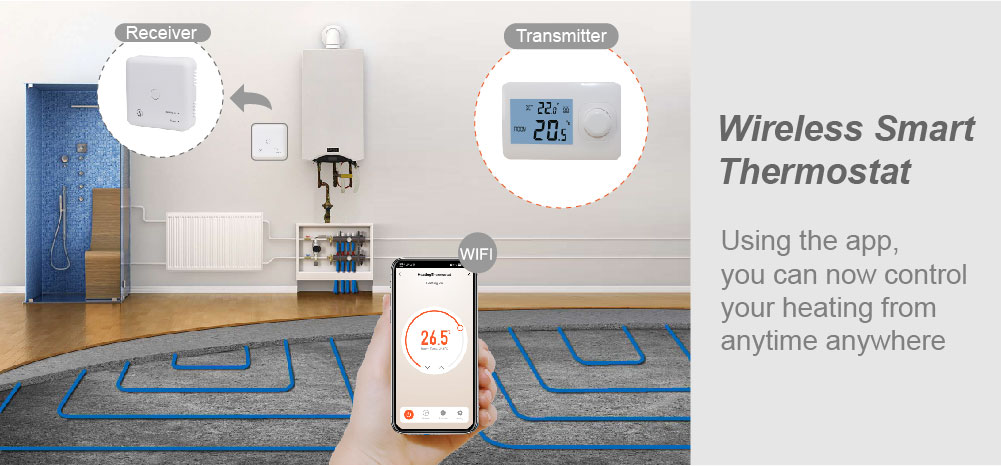
In contrast, wireless thermostats communicate with the controller or actuator via wireless signals, eliminating the need for extra wiring and greatly simplifying installation. This is especially beneficial for retrofitting already furnished homes, as users can install the thermostat at a suitable location without damaging walls or flooring.
Differences in Features
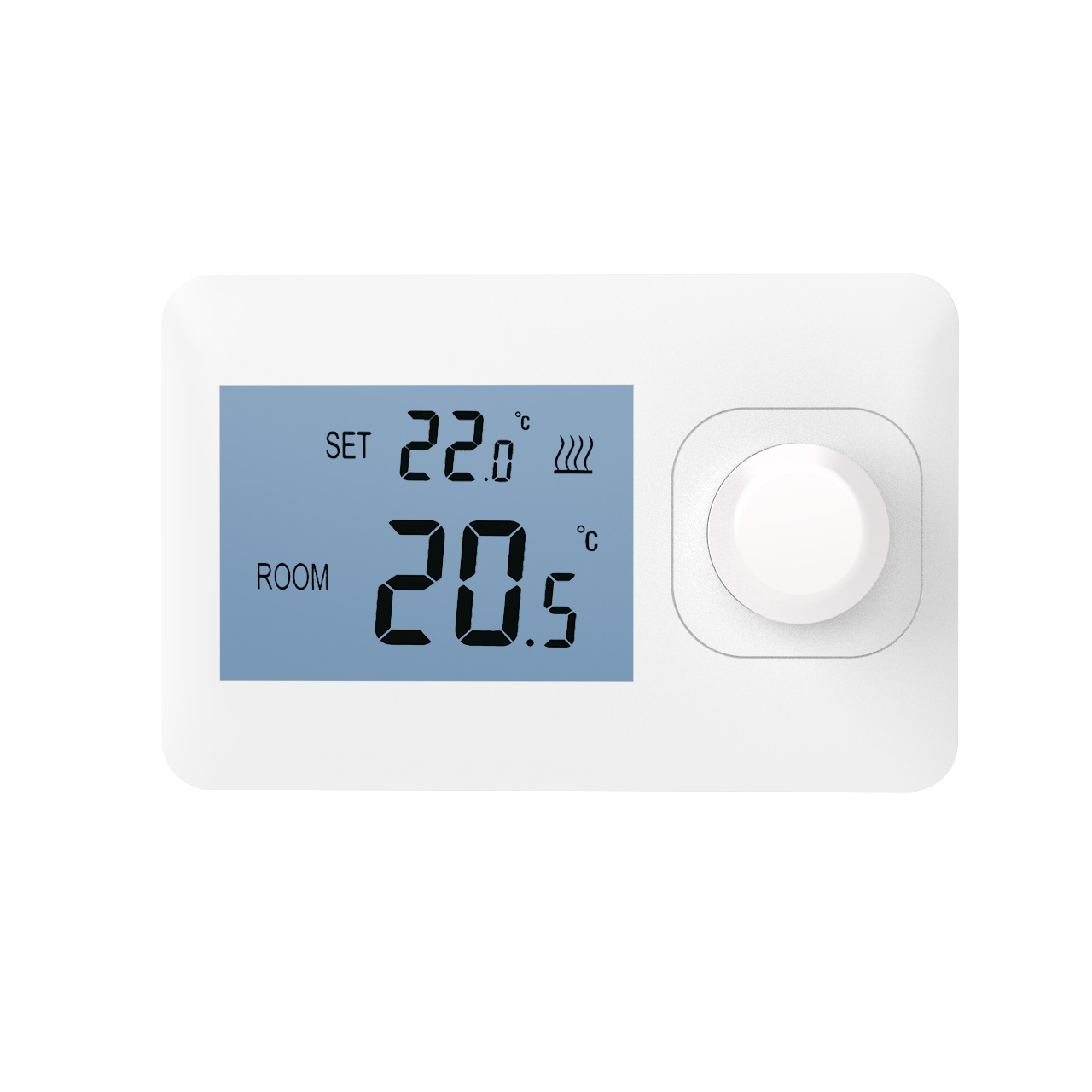
Wired thermostats typically offer basic functions such as temperature adjustment, scheduled on/off, and simple energy-saving modes. Signal transmission is direct, providing fast response and high precision. For large-scale central heating systems or scenarios requiring precise temperature control, wired thermostats remain irreplaceable.
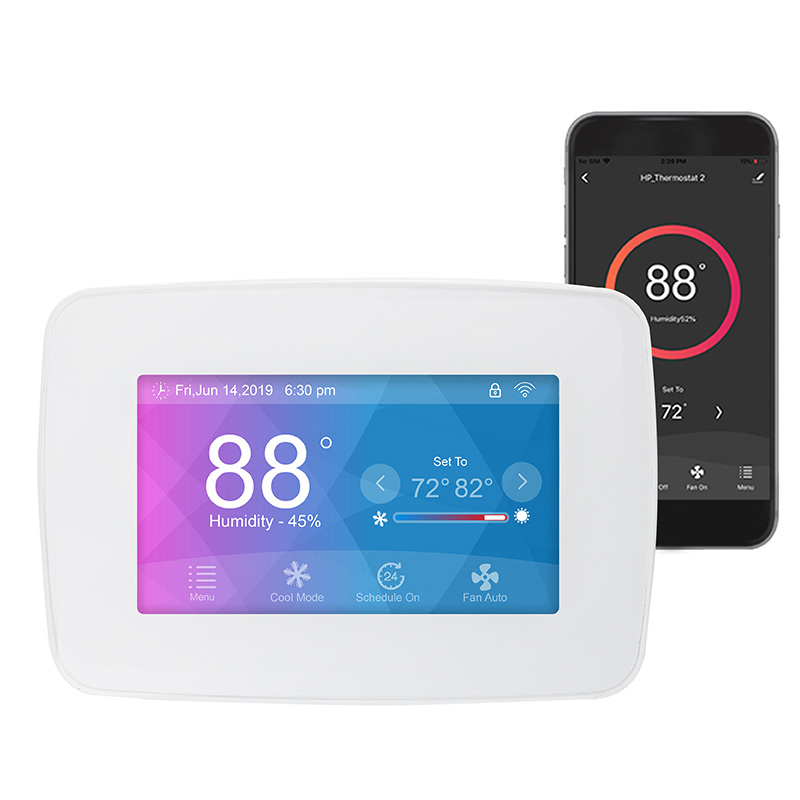
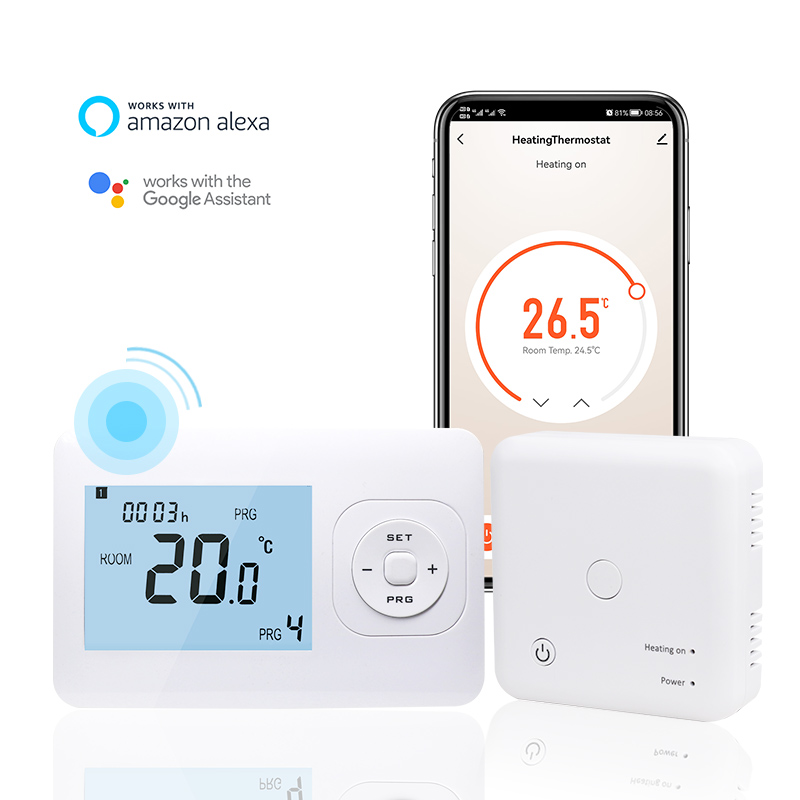
Wireless thermostats, however, provide greater flexibility. Many models support remote app control, smart scene integration, scheduling, and zone-specific management, allowing users to adjust temperatures via smartphone or voice assistant. In multi-room, multi-user smart home environments, wireless thermostats enable more convenient and personalized management.
Control Stability and Safety Comparison
Wired thermostats transmit signals directly and reliably, unaffected by wireless interference, making them suitable for scenarios demanding high system reliability. Wireless thermostats, while convenient to install, may occasionally experience delays or disconnections due to building structures, interference from other devices, or limited signal coverage.
To enhance stability, wireless thermostats often use encrypted communication protocols and may include signal repeaters or backup channels to ensure commands are reliably transmitted. Users should pay attention to communication technology and brand reliability when purchasing to ensure safe and stable operation.
User Experience and Flexibility
The main advantage of wireless thermostats lies in flexibility and smart features. Users can adjust temperatures remotely via smartphone without physically accessing the thermostat, and integrate the system with other smart devices to achieve automation, such as heating on arrival or energy-saving when away. Multi-room control and scene modes provide a smarter, more convenient user experience.
Wired thermostats offer simple, fast responses and do not rely on batteries or wireless connectivity. For users who prefer traditional operation or require maximum stability, wired models remain an ideal choice.
Conclusion
Overall, wireless and wired electric floor heating thermostats each have distinct advantages. Wired thermostats excel in stability, fast response, and precision, suitable for scenarios demanding reliable and accurate control. Wireless thermostats shine in ease of installation, remote control, and smart functionality, ideal for retrofitted homes, smart home setups, and multi-room management. Choosing the right thermostat based on actual needs ensures both comfort and energy-efficient, convenient control.