
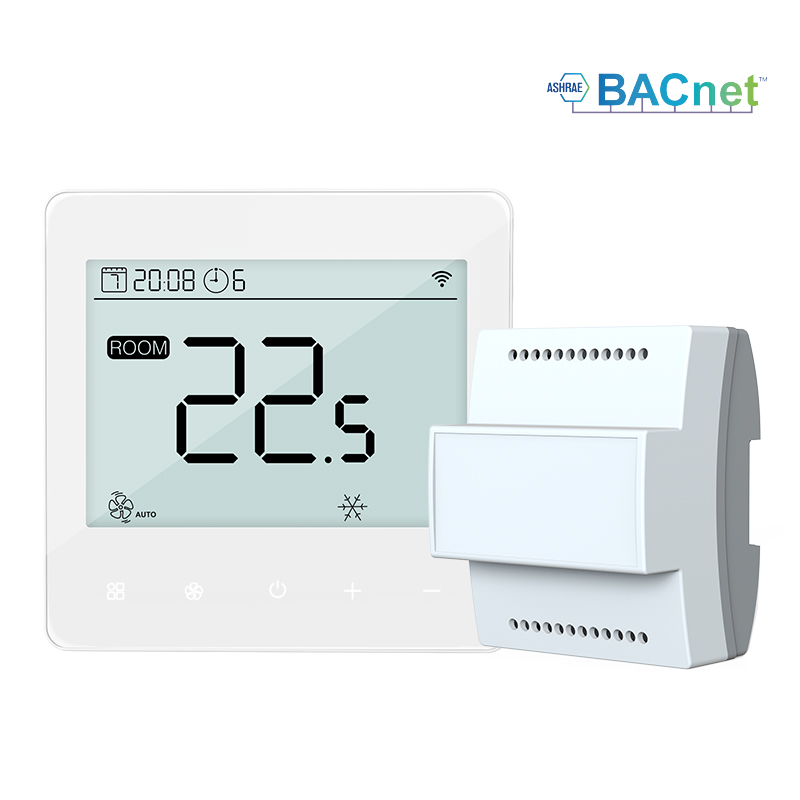
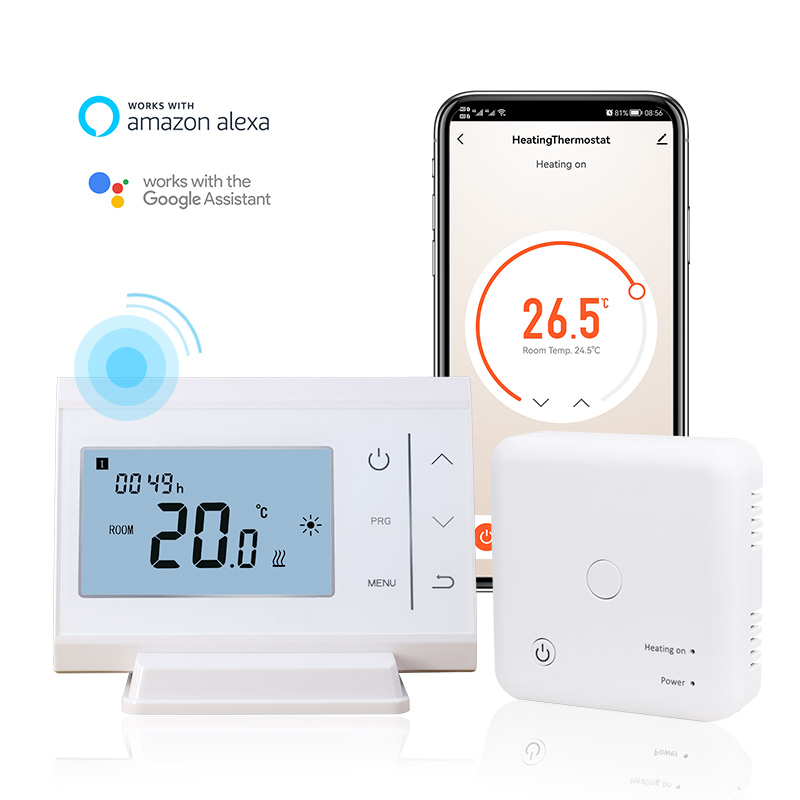
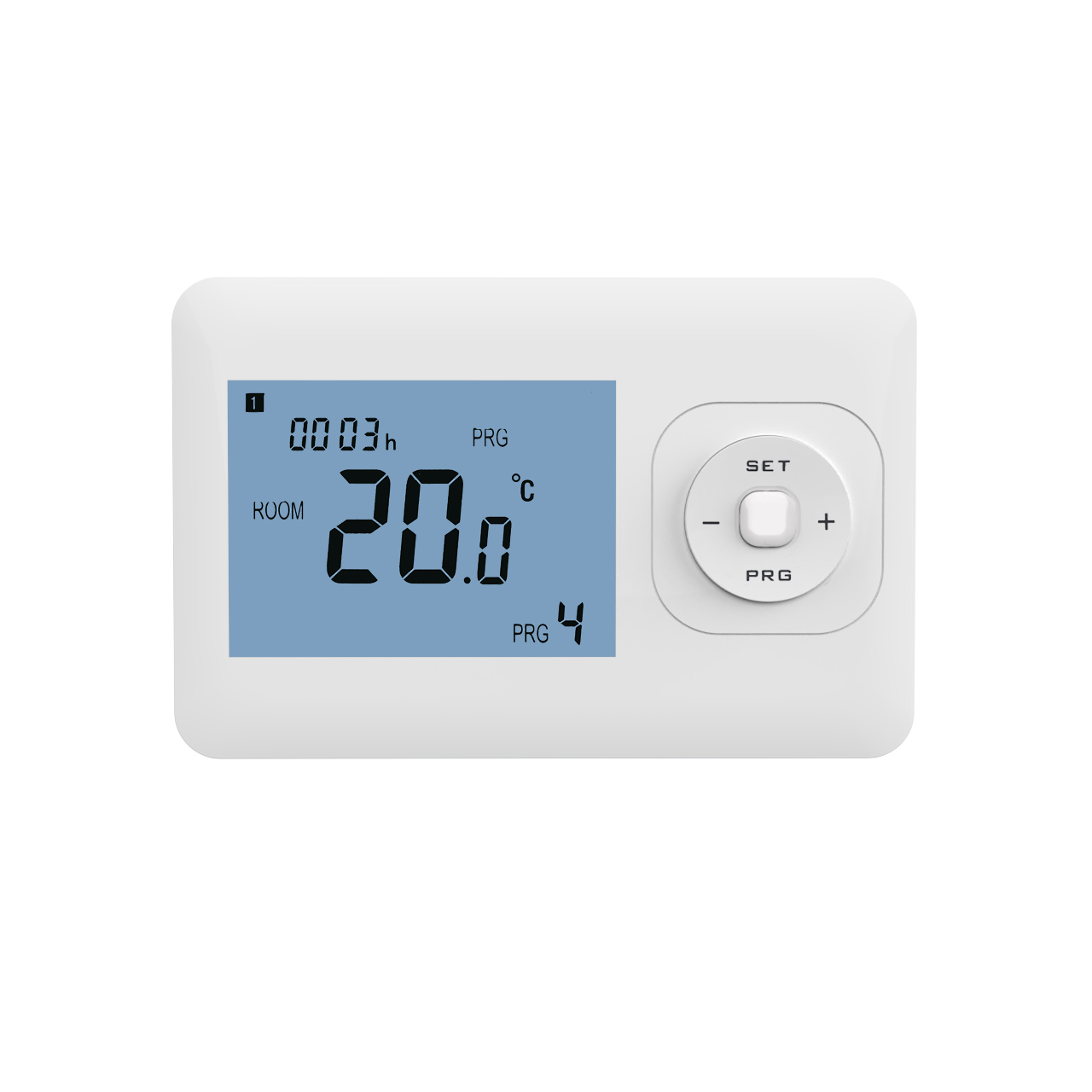
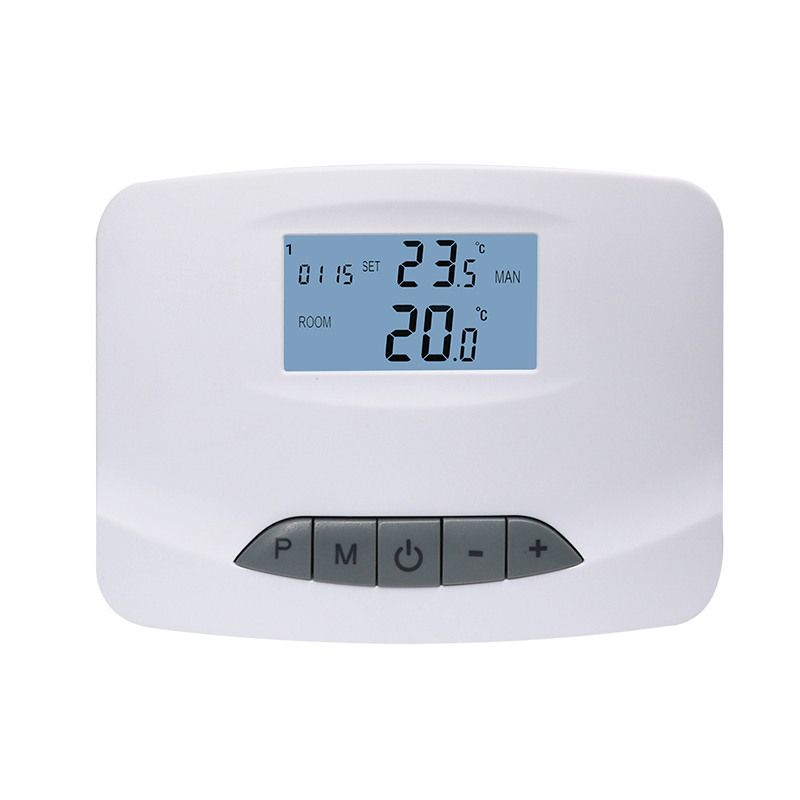
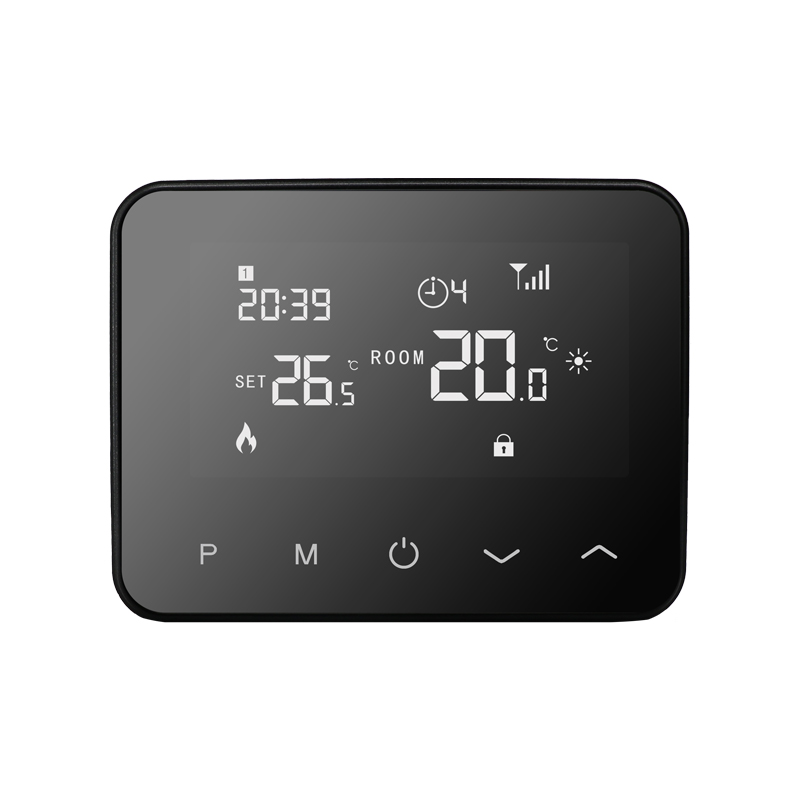
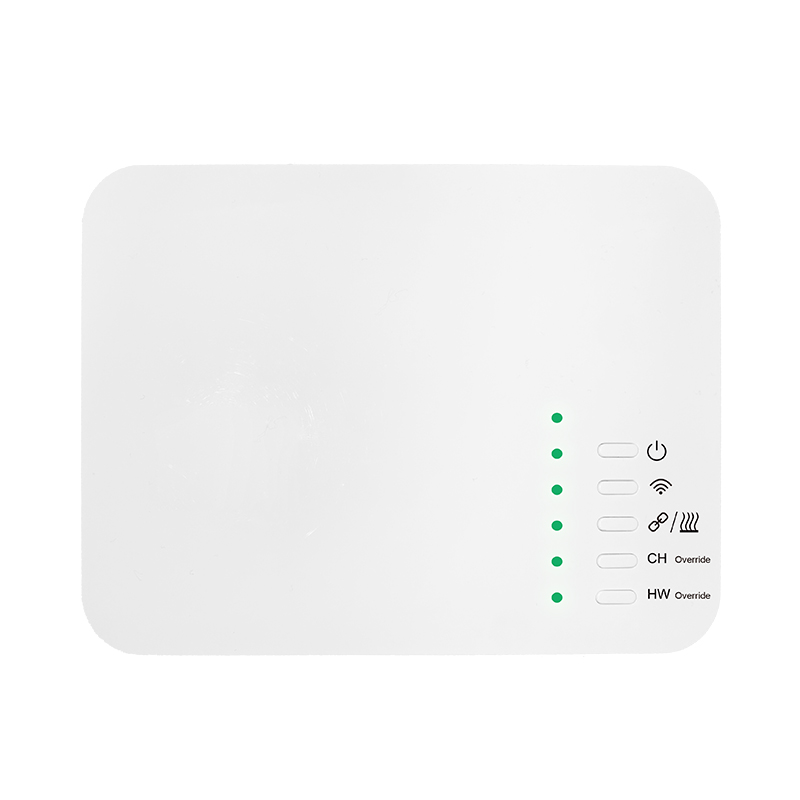
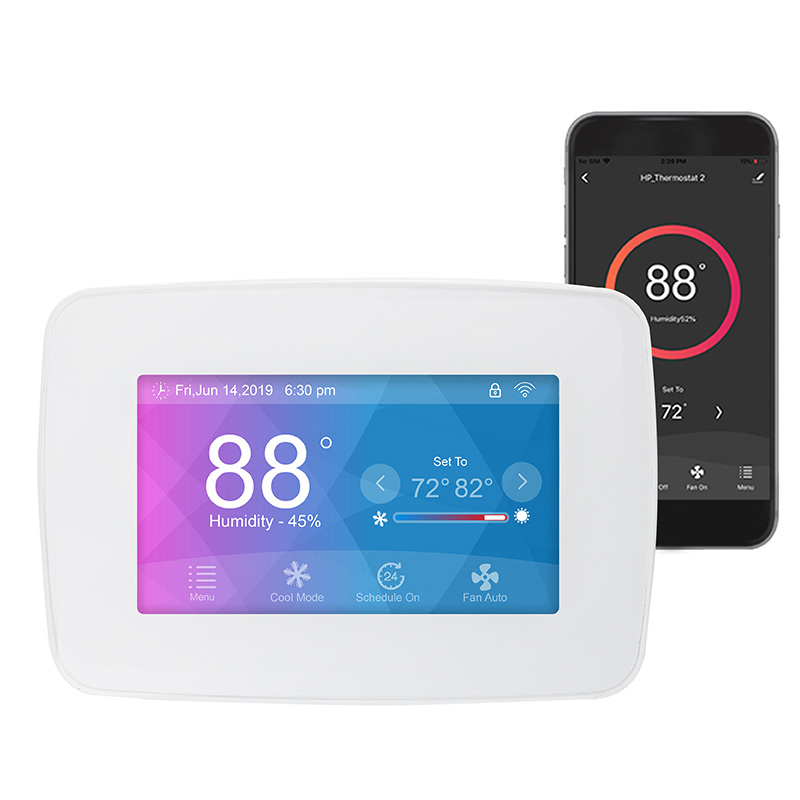
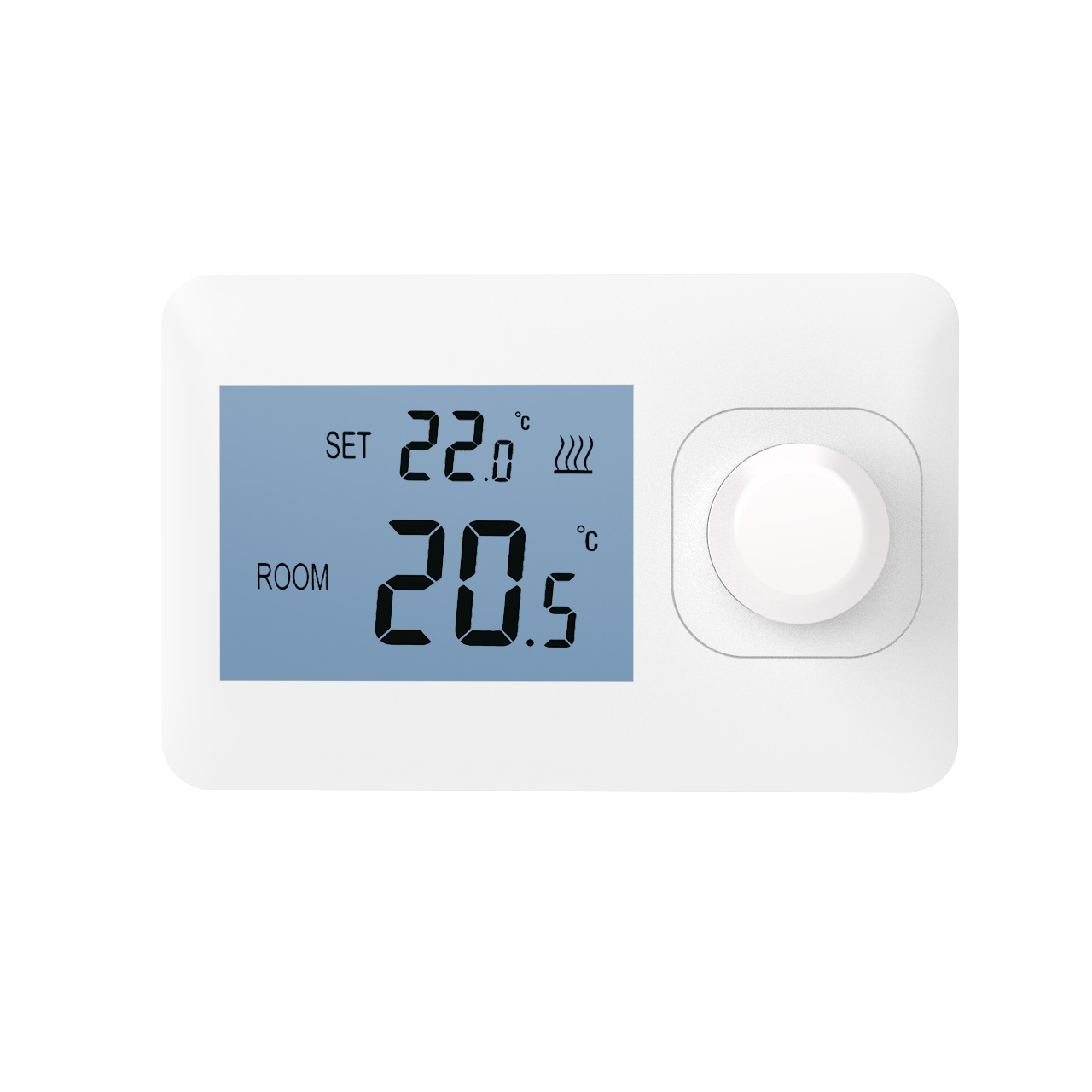
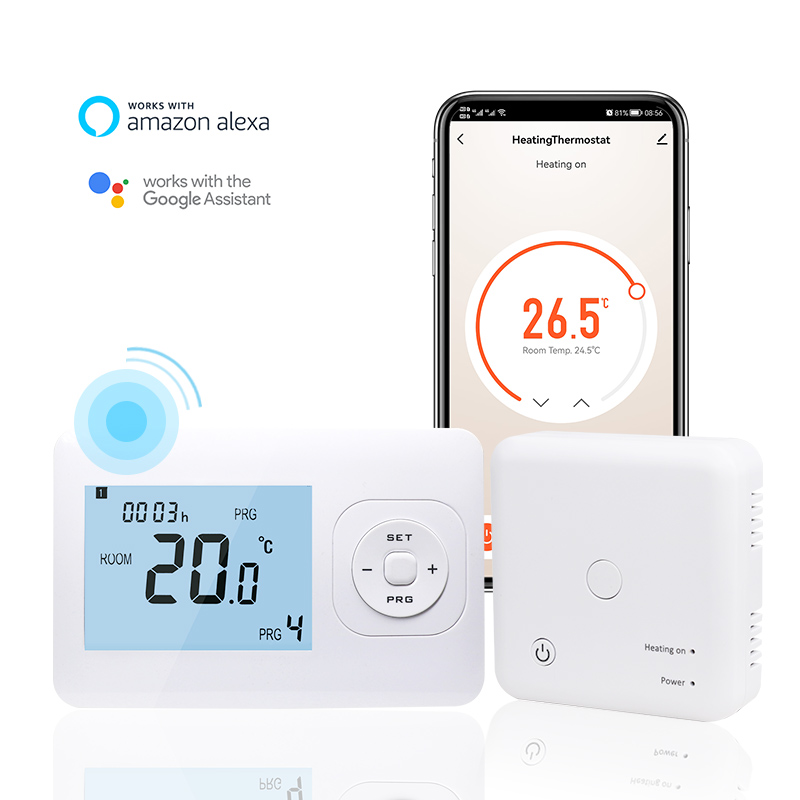
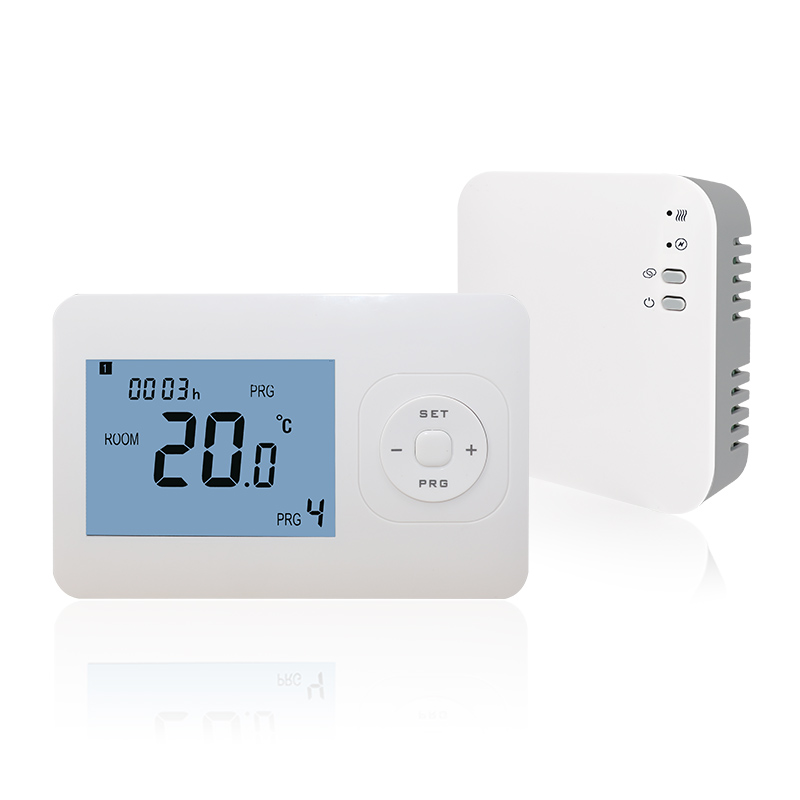
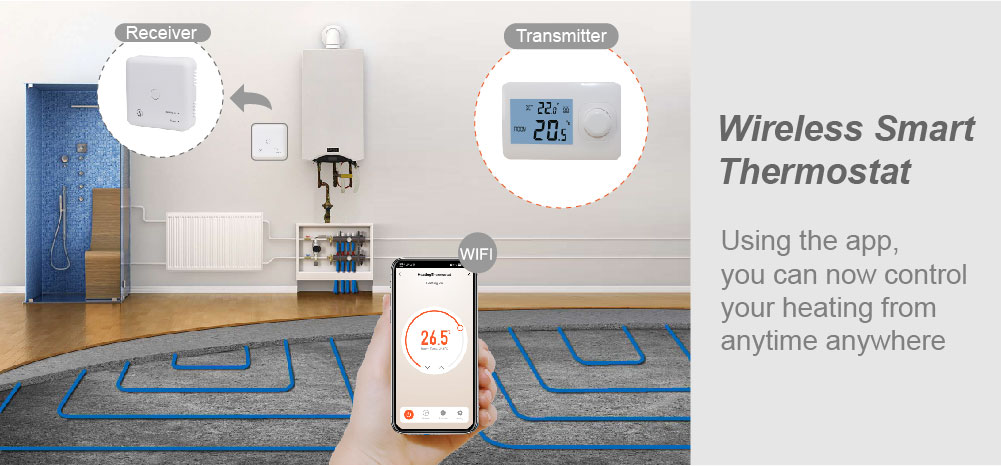
As a core temperature control component of a heating system, the power consumption of a boiler thermostat is not determined by a single factor, but is closely related to multiple dimensions such as equipment power, operating mode, building insulation performance, and user habits. In the frigid northern regions, a 100-square-meter house using a 10-kilowatt electromagnetic boiler paired with a smart thermostat, under conditions of good insulation and a set temperature of 20°C, can achieve an average effective heating time of 5-6 hours per day. At 0.5 yuan per kilowatt-hour, the daily daily cost is approximately 15-18 yuan, and the total cost for the heating season is approximately 1200-1400 yuan. This data reveals the dynamic characteristics of thermostat power consumption—it is not only a function of technical parameters but also a product of the interaction between environment and user behavior.

From an equipment perspective, the power matching of the thermostat directly affects energy efficiency. If the boiler power is severely imbalanced with the heating area, for example, using a 10-kilowatt unit to serve a 200-square-meter space, the water temperature will consistently fail to reach the target, causing the unit to operate at full power continuously, resulting in a daily power consumption of up to 240 kilowatt-hours. Conversely, a properly matched 15kW electromagnetic boiler in a 150-square-meter residence, through intelligent temperature control, achieves a “heating-standby” cycle, keeping daily power consumption below 30 kWh. This difference stems from the thermostat’s precise temperature control capability: when the water temperature reaches the set value, the device automatically switches to a low-power standby mode, avoiding unnecessary energy consumption. Taking actual data from a residential community in Beijing as an example, using an electric boiler with intelligent start-stop function reduces daily operating time by 30% compared to traditional fixed-frequency equipment, resulting in a 27% reduction in electricity costs. The key lies in reducing energy loss during standby.
Building insulation performance is a hidden variable affecting thermostat energy consumption. In some residences in Northeast China, a “thermal shield” constructed with 0.5-meter-thick walls, triple-layer vacuum glass, and external wall insulation reduces indoor heat load demand to 65-75W/㎡, a 30% reduction compared to the national standard. Under these conditions, the daily operating time of a 10kW boiler can be shortened to 4 hours. Combined with peak-valley electricity pricing policies, heating season electricity costs are 18% lower than in Shandong province. Buildings with poor insulation, even using the same equipment, experience a more than 40% increase in energy consumption due to faster heat loss and the need for frequent thermostat activation. This contrast highlights the importance of building energy-saving retrofits in reducing thermostat operating costs—for every 10% improvement in building insulation, the average daily operating time of the thermostat can be reduced by 0.8-1.2 hours.
User habits constitute a flexible variable in energy management. Office workers can use a smart app to set a time-sharing temperature control strategy of “morning preheating – daytime insulation – nighttime heating,” reducing the average daily operating time of the equipment to 6 hours, saving 60% energy compared to 24-hour constant temperature mode. Businesses can use heat storage tanks to store heat during off-peak hours at night and release it for heating during the day, combined with precise thermostat temperature control, reducing electricity costs to 55% of the traditional method. These examples demonstrate that the energy-saving potential of thermostats depends not only on hardware performance but also on the deep application of smart control functions by users. For example, lowering the indoor temperature setpoint by 1°C can reduce energy consumption by 5-8%; and by rationally utilizing building thermal inertia, turning off heating equipment one hour in advance can still maintain a comfortable temperature for 2-3 hours.
At the technological iteration level, modern thermostats are optimizing energy consumption through the Internet of Things (IoT) and AI algorithms. The new generation of adaptive thermostat systems integrates outdoor temperature sensors, indoor heat load calculation modules, and user behavior learning functions to dynamically adjust the heating cycle and power output. By analyzing the temperature change curve over the past 72 hours, this system predicts the heat demand for the next 24 hours, thus starting heating 0.5-1 hour in advance, avoiding frequent start-stop cycles caused by temperature fluctuations. Real-world testing data shows that such systems save 15-22% more energy than traditional thermostats and can control indoor temperature fluctuations within ±0.5°C, significantly improving comfort while reducing energy consumption.
The power consumption of boiler thermostats is essentially the result of a dynamic balance between technology, environment, and user behavior. By scientifically matching equipment power, strengthening building insulation, optimizing usage habits, and applying intelligent technologies, users can completely control heating energy consumption within a reasonable range. Driven by the “dual carbon” goals, thermostats are evolving from simple temperature control tools into energy management platforms, and their energy-saving potential will continue to be released. With the improvement of building energy efficiency standards and the popularization of intelligent control technology, the energy consumption per unit area of thermostats is expected to be reduced by more than 30% compared with the current level in the future, providing key support for building a green and low-carbon heating system.