
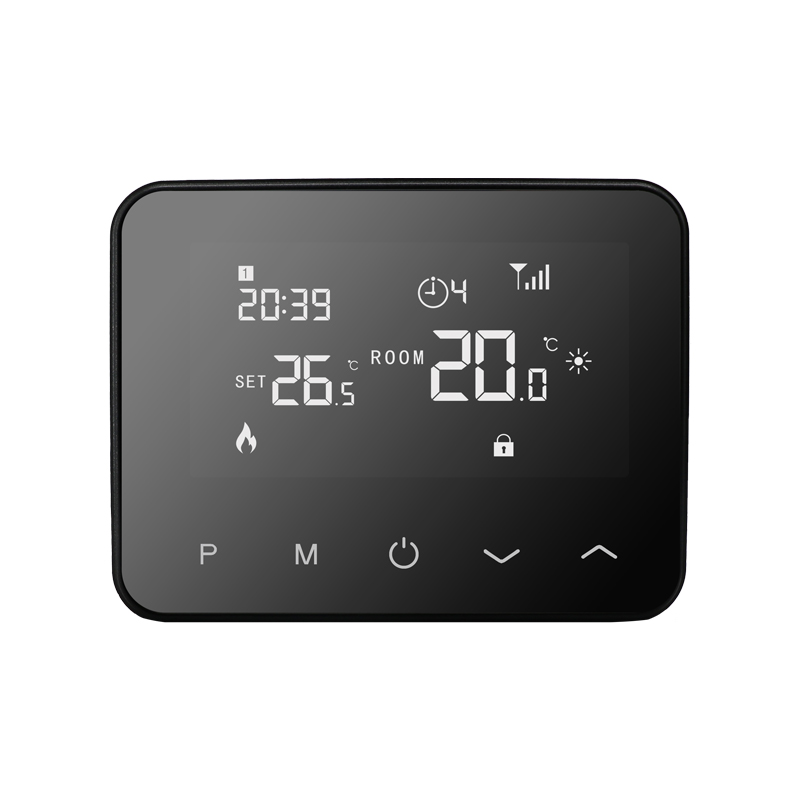
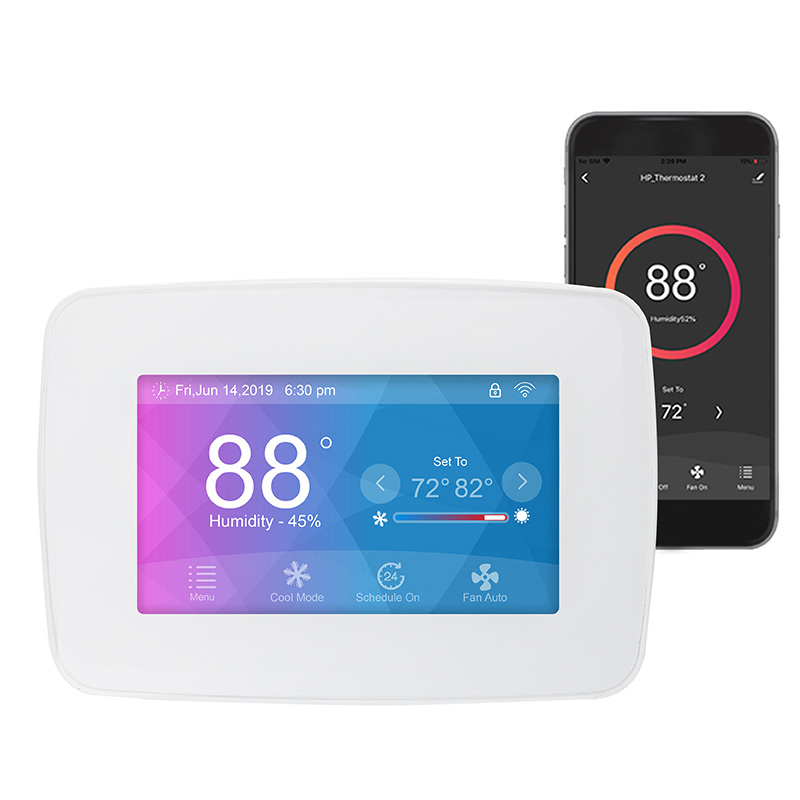
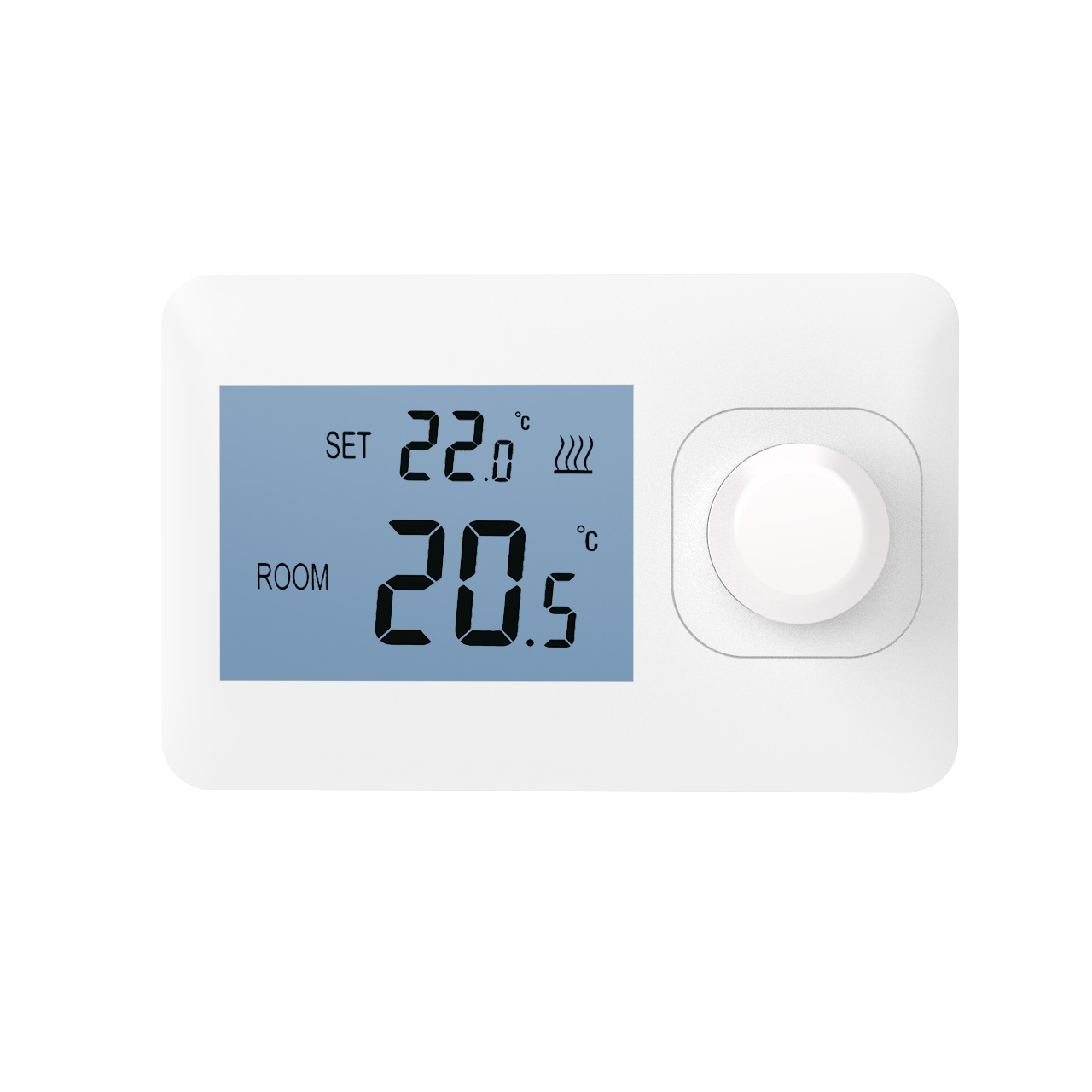
In central air conditioning systems, fan coil unit (FCU) thermostats are often regarded as simple control accessories. In reality, they have a significant impact on system operating conditions and long-term reliability. With proper selection and correct configuration, FCU thermostats do not shorten the lifespan of HVAC systems—in fact, they can help extend equipment life and reduce failure rates. This article analyzes whether FCU thermostats affect air conditioning system lifespan from technical and practical perspectives.
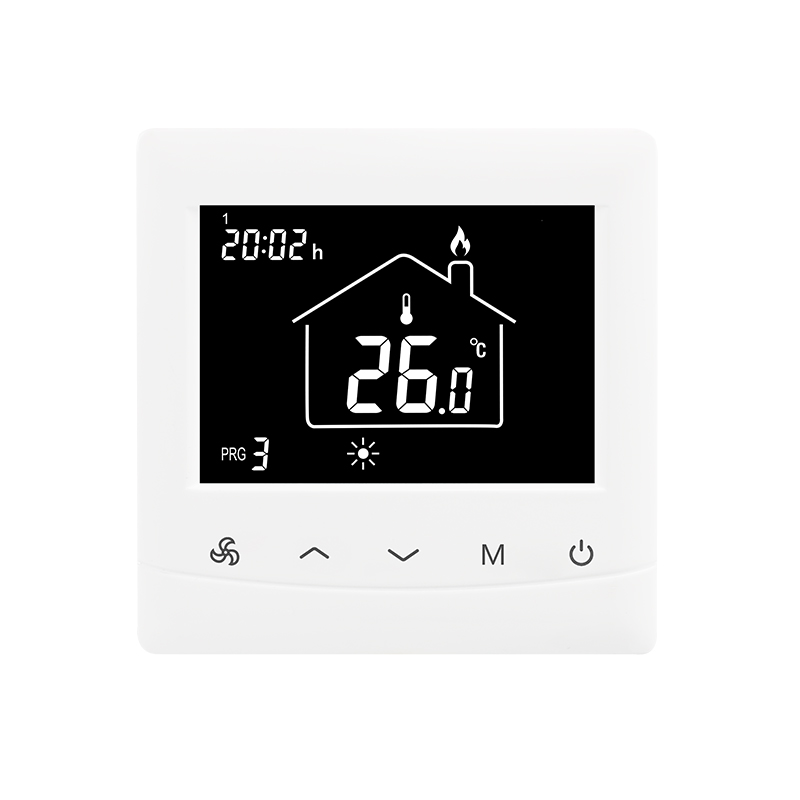
The Core Function of FCU Thermostats
FCU thermostats are responsible for controlling the on/off status of fan coil units, fan speeds, and water valve operation. Their main functions include:
Real-time indoor temperature sensing
Comparing actual temperature with the setpoint
Automatically adjusting fan operation based on temperature deviation
Controlling motorized or solenoid valves to regulate chilled or hot water flow
These control actions help HVAC systems operate efficiently under appropriate load conditions.
How Proper Thermostat Control Extends System Lifespan
1. Reducing Mechanical Stress from Frequent Start-Stop Cycles
Without effective control, fan coil units may run continuously at high load or experience frequent on/off cycling. High-quality thermostats incorporate temperature deadband and start-delay functions that help reduce:
Mechanical wear on fan motors
Electrical aging caused by frequent switching
Excessive actuation of control valves
This significantly extends the service life of motors, valves, and electrical components.
2. Optimizing Operating Conditions and Preventing Overload
Thermostats dynamically adjust fan speed and valve opening based on actual room conditions, keeping fan coil units within an optimal operating range. This prevents long-term overload that could lead to:
Motor overheating
Accelerated bearing wear
Increased risk of component failure
Stable operating conditions are essential for long-term system reliability.
Potential Negative Effects from Improper Use
While FCU thermostats themselves do not shorten HVAC system lifespan, improper use can create negative outcomes:
1. Incorrect Thermostat Selection
A thermostat that does not match the fan coil unit’s voltage, power rating, or control logic may cause abnormal operation and potential equipment damage.
2. Unreasonable Parameter Settings
Setting temperature deadbands too narrow or frequently changing fan speeds manually can increase cycling frequency and accelerate component wear.
3. Poor Product Quality and Control Stability
Low-quality thermostats may suffer from inaccurate temperature sensing, short relay lifespan, or unstable control logic, indirectly affecting HVAC system reliability.
Positive Impact of Smart FCU Thermostats on System Longevity
With advances in building automation, modern FCU thermostats offer intelligent features such as:
Automatic multi-speed fan control
Scheduled operation and night setback modes
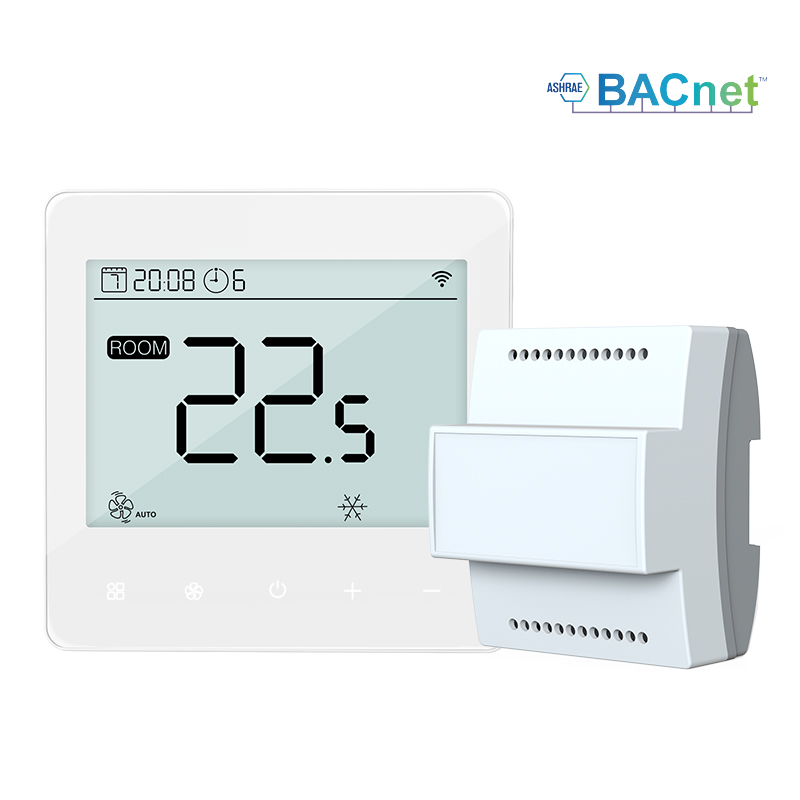
Support for Modbus, BACnet, and other communication protocols
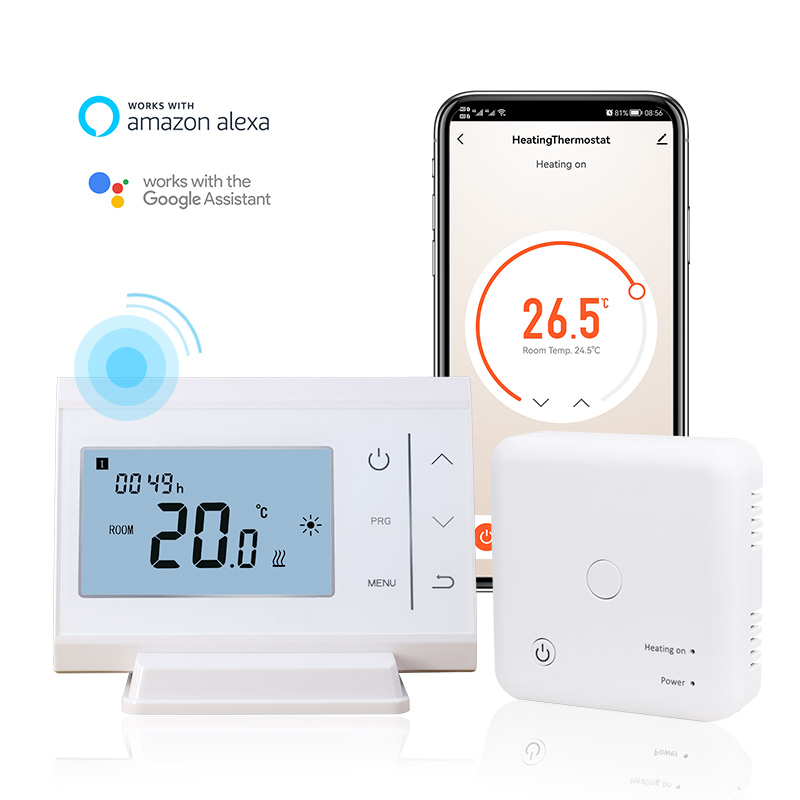
Remote monitoring and fault alarms
These features enable smoother, more predictable system operation and reduce human error, contributing positively to overall system lifespan.
Best Practices for Protecting HVAC Systems with FCU Thermostats
To maximize the benefits of thermostats, consider the following recommendations:
Select thermostats that are compatible with the fan coil unit specifications
Configure appropriate temperature deadbands and control modes
Avoid extreme temperature settings or frequent manual overrides
Perform periodic inspections to ensure accurate sensor readings and stable operation
With proper management, FCU thermostats serve as effective protectors of HVAC equipment.
Conclusion
Fan coil unit thermostats do not reduce the lifespan of air conditioning systems. On the contrary, when properly selected, configured, and maintained, they help reduce equipment wear, optimize operating conditions, and extend overall system service life. For building projects focused on long-term stability and energy efficiency, investing in high-quality FCU thermostats is a smart and cost-effective decision.