
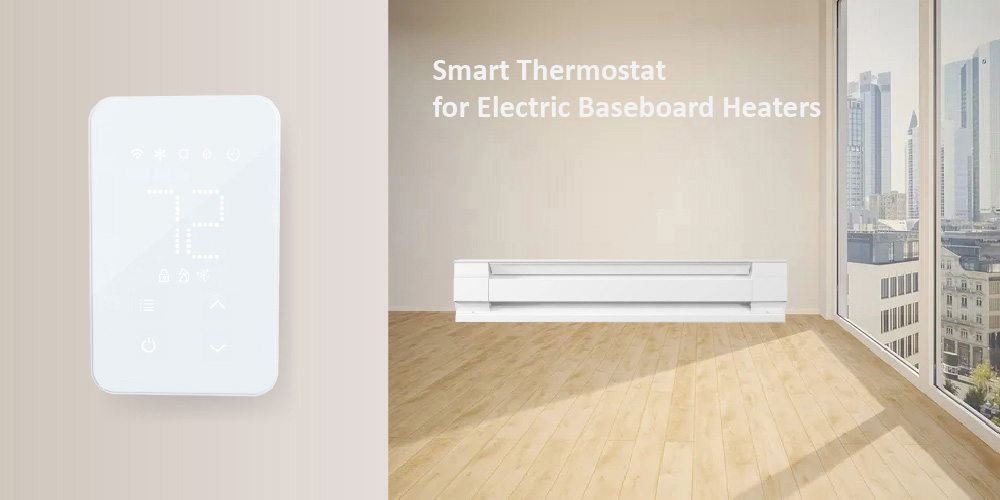
In modern residential and commercial buildings, energy consumption from HVAC systems has become an increasing concern. Heating and cooling equipment often accounts for a large portion of total energy use, and the thermostat, as the control center of the system, plays a crucial role in determining how efficiently the system operates. Due to their stability and precise control, 24V thermostats are widely used, leading many users to question whether they offer a noticeable energy-saving effect for HVAC systems.
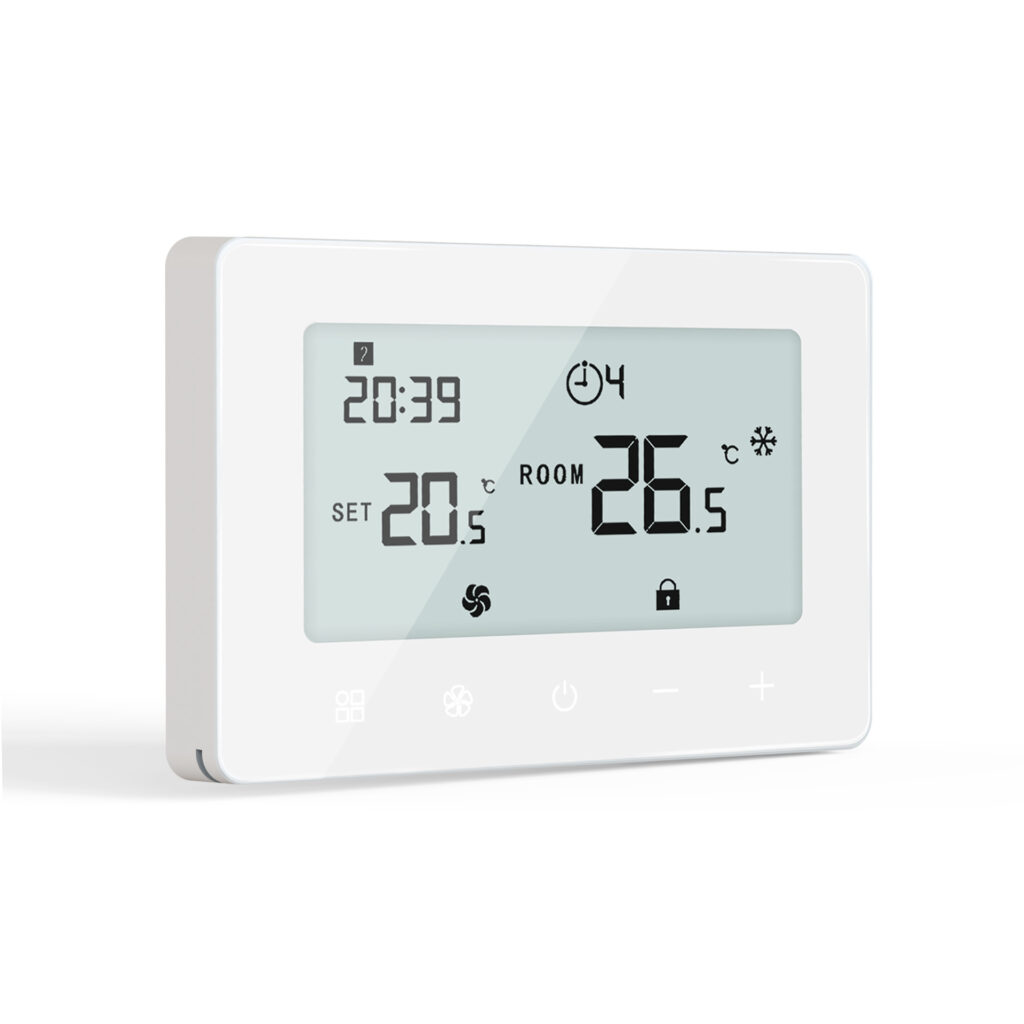
The Role of a 24V Thermostat in HVAC Systems
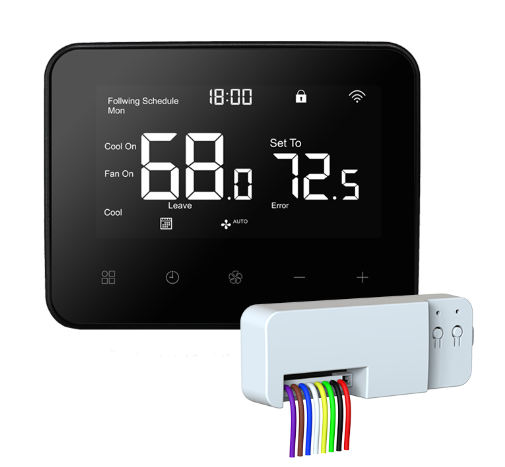
A 24V thermostat controls HVAC equipment through low-voltage signals, making operation safer and more reliable than high-voltage control methods. While the thermostat itself does not consume significant energy, it influences overall energy usage by managing when and how heating and cooling systems operate. Effective temperature control logic forms the foundation of HVAC energy efficiency, and a 24V thermostat serves as a key component in executing that logic.
How Precise Temperature Control Affects Energy Savings
Energy waste in HVAC systems often results from large temperature swings or frequent on-off cycling. A 24V thermostat offers stable temperature sensing and accurate control, allowing the system to make small adjustments within a defined range rather than overcorrecting.
This level of precision supports energy efficiency in several ways:
- Reducing repeated energy use caused by excessive heating or cooling
- Lowering the amount of time equipment runs under high load
- Maintaining consistent indoor temperatures and limiting manual adjustments
When HVAC systems operate more smoothly, energy efficiency naturally improves.
Energy Efficiency Benefits with Multi-Stage HVAC Systems
Many 24V thermostats support multi-stage heating and cooling, making them well suited for advanced HVAC equipment. This staged operation plays an important role in energy management. Instead of running at full capacity whenever temperature changes occur, the system adjusts output gradually based on actual demand.
This approach helps to:
- Prevent frequent full-power startups
- Extend the lifespan of HVAC components
- Reduce long-term energy consumption and maintenance needs
When properly matched with compatible equipment, a 24V thermostat allows these energy-saving advantages to become more apparent.
Energy Optimization Through Programmable Features
Many 24V thermostats include programmable or scheduling functions that contribute to better energy control. Users can set different temperature levels for various times of the day, ensuring the HVAC system reduces output during periods of low occupancy or inactivity.
This time-based control strategy minimizes unnecessary energy use while maintaining comfort during active hours. Over time, automated scheduling often proves more consistent and efficient than manual adjustments.
How Installation and Usage Habits Influence Energy Performance
The energy-saving potential of a 24V thermostat also depends on proper installation and sensible usage. Placement in areas exposed to direct sunlight or unusual airflow can cause inaccurate temperature readings, reducing control efficiency. Additionally, frequent or drastic changes to temperature settings can weaken the thermostat’s ability to manage energy effectively.
Better results can be achieved by:
- Setting stable temperature ranges that reflect real comfort needs
- Avoiding frequent short-term adjustments
- Periodically checking thermostat performance
These practices help ensure that a 24V thermostat delivers its intended energy-saving benefits.
A 24V thermostat is not an energy-saving device by itself, but its role in HVAC system control has a significant impact on overall energy consumption. Through precise temperature regulation, multi-stage coordination, and programmable scheduling, a 24V thermostat helps reduce energy waste and improve system efficiency. When installed correctly and used thoughtfully, it offers clear energy-efficiency benefits for HVAC systems, making it a practical option for users seeking a balance between comfort and energy performance.