





In today’s pursuit of comfortable home heating, radiator thermostatic valves have become a popular choice for many home renovations and heating system upgrades due to their precise temperature control and energy efficiency. However, many consumers have a misconception that radiator thermostatic valves are suitable for all radiators. Is this really the case?
Heating System Type: The Key Threshold for Compatibility
The type of heating system plays a decisive role in whether a radiator thermostatic valve can achieve its ideal effect on radiators. Common heating systems include two-pipe systems and single-pipe systems, and the requirements for thermostatic valves differ significantly between the two.
Two-pipe systems are the ideal “stage” for radiator thermostatic valves. This type of system uses independent supply and return water pipes, allowing each radiator to be adjusted independently. In this case, a high-resistance two-way thermostatic valve is an excellent choice. Its design closely matches the hydraulic characteristics of a two-pipe system, ensuring that the flow in other branches does not interfere with the adjustment process, thus ensuring precise temperature control for each radiator. For example, in dual-pipe systems of centralized heating in northern regions, high-resistance valves effectively handle pressure fluctuations, preventing temperature runaway due to pressure changes and maintaining a comfortable indoor temperature.
Adaptation to single-pipe systems is more complex. In traditional single-pipe parallel-flow systems, water flows in one direction. If a standard thermostatic valve is installed directly, downstream radiators will experience insufficient heat due to insufficient flow. In this case, a low-resistance two-way or three-way valve with a bypass pipe design is necessary. The three-way valve adjusts the flow rate to vary within the 0-100% range, while the bypass pipe compensates for the flow in the opposite direction, maintaining the system’s hydraulic balance. However, the quality of three-way valves varies, and some products are prone to leakage due to poor sealing. Therefore, it is recommended to prioritize imported brands that have passed EN215 certification to ensure safe use.
Material and Manufacturing Details: Affecting Long-Term Stable Operation
Besides system compatibility, the materials and manufacturing processes of the radiator thermostatic valve directly affect its service life and reliability. For the valve body material, nickel-plated brass is the mainstream choice. It boasts excellent corrosion resistance, adapting to water environments with a pH of 4.0-9.5, effectively preventing valve stem jamming caused by rust and ensuring long-term stable valve operation.
The actuation force of the internal spring in the valve core is also crucial. The high-quality spring, made of stainless steel, quickly resets even after prolonged periods of closure, preventing flow interruption due to adhesion and ensuring the valve’s normal regulating function.
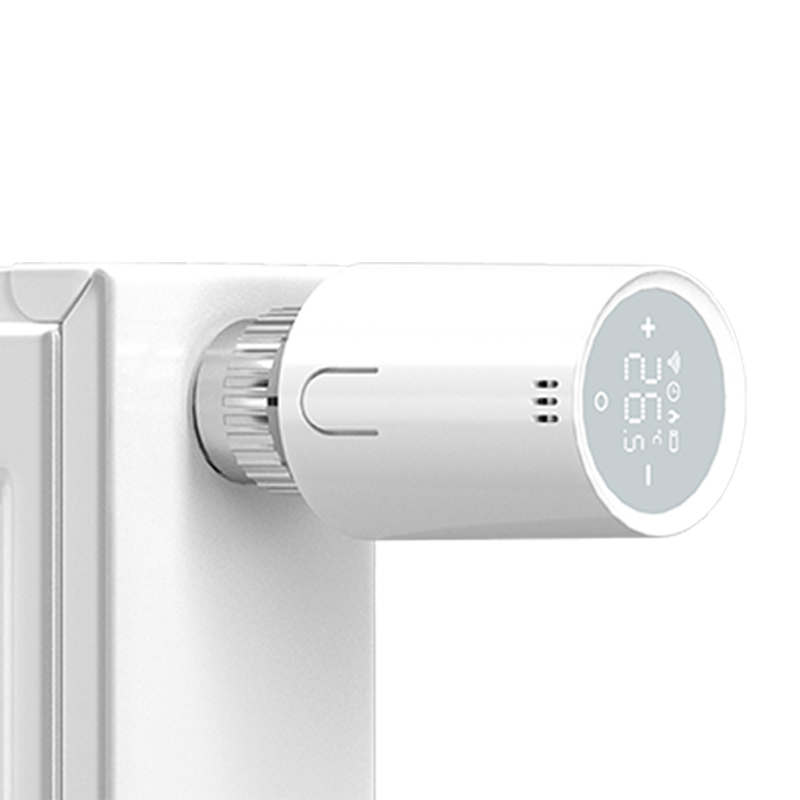
As the sensing element, the type of medium used affects the response speed of the temperature sensor. Liquid temperature sensors (such as those filled with methanol or toluene) are the mainstream in the domestic market due to their small size and short response time; steam temperature sensors react faster but require extremely high sealing, resulting in less use in China. Furthermore, the installation location of the temperature sensing element is also important. Built-in temperature sensors must be installed horizontally to prevent measurement deviations caused by gravity; if the radiator is obstructed by curtains or close to a heat source, an external temperature sensor should be used, extending the sensing distance through a capillary tube to ensure accurate temperature measurement.
Scientific Selection and Installation: Following the “Golden Rule”
To fully utilize the efficiency of thermostatic radiator valves, scientific selection and standardized installation are essential.
System matching is the primary principle. New buildings can directly select valves according to design specifications; for older systems, hydraulic calculations must be performed before renovation to determine the required resistance type and specifications. For example, for single-pipe systems with bypass pipes, the flow splitting coefficient ω must be calculated to ensure ω ≥ 30%, avoiding regulation failure due to insufficient flow.
Differential pressure control is crucial. If the system differential pressure exceeds the thermostatic valve’s maximum allowable value (typically 0.1 – 0.12 MPa), a self-regulating differential pressure control valve must be installed on the riser or at the inlet to prevent noise or malfunction due to overpressure.
Installation details determine success or failure. Thermostatic valves should be installed horizontally at the radiator inlet, avoiding obstruction by radiator covers or curtains. A 60-mesh filter should be installed at the front end to prevent impurities such as welding slag from clogging the valve core. Before installation, adjust the thermostatic handle to the maximum opening (graduation 5) and then tighten the nut to ensure sufficient initial flow.
Radiator thermostatic valves are not universally applicable accessories; their compatibility requires comprehensive consideration of system type, material manufacturing process, and installation details. Through scientific selection and standardized installation, users can not only achieve precise room temperature control but also reduce energy consumption by 10%-20%, making the heating system both comfortable and economical. In today’s pursuit of a high-quality life, choosing a truly suitable radiator thermostatic valve is undoubtedly a wise choice for creating an ideal home environment.