
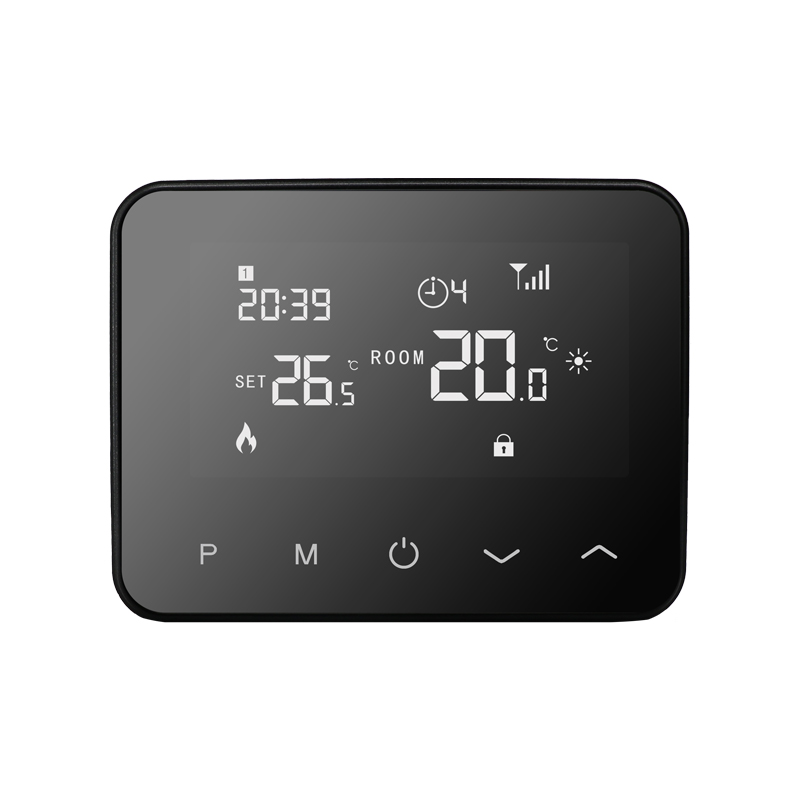
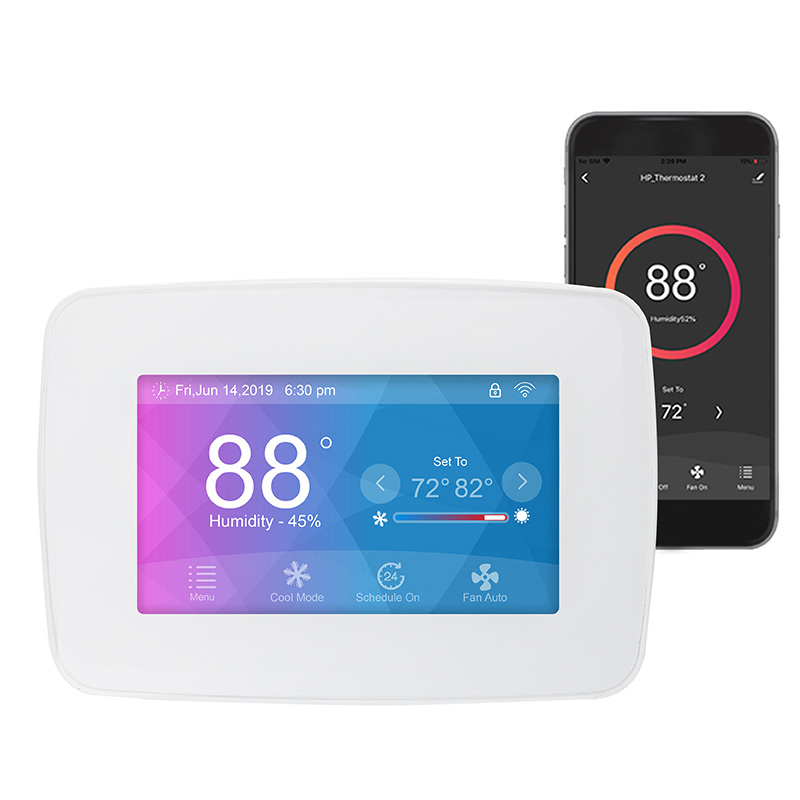
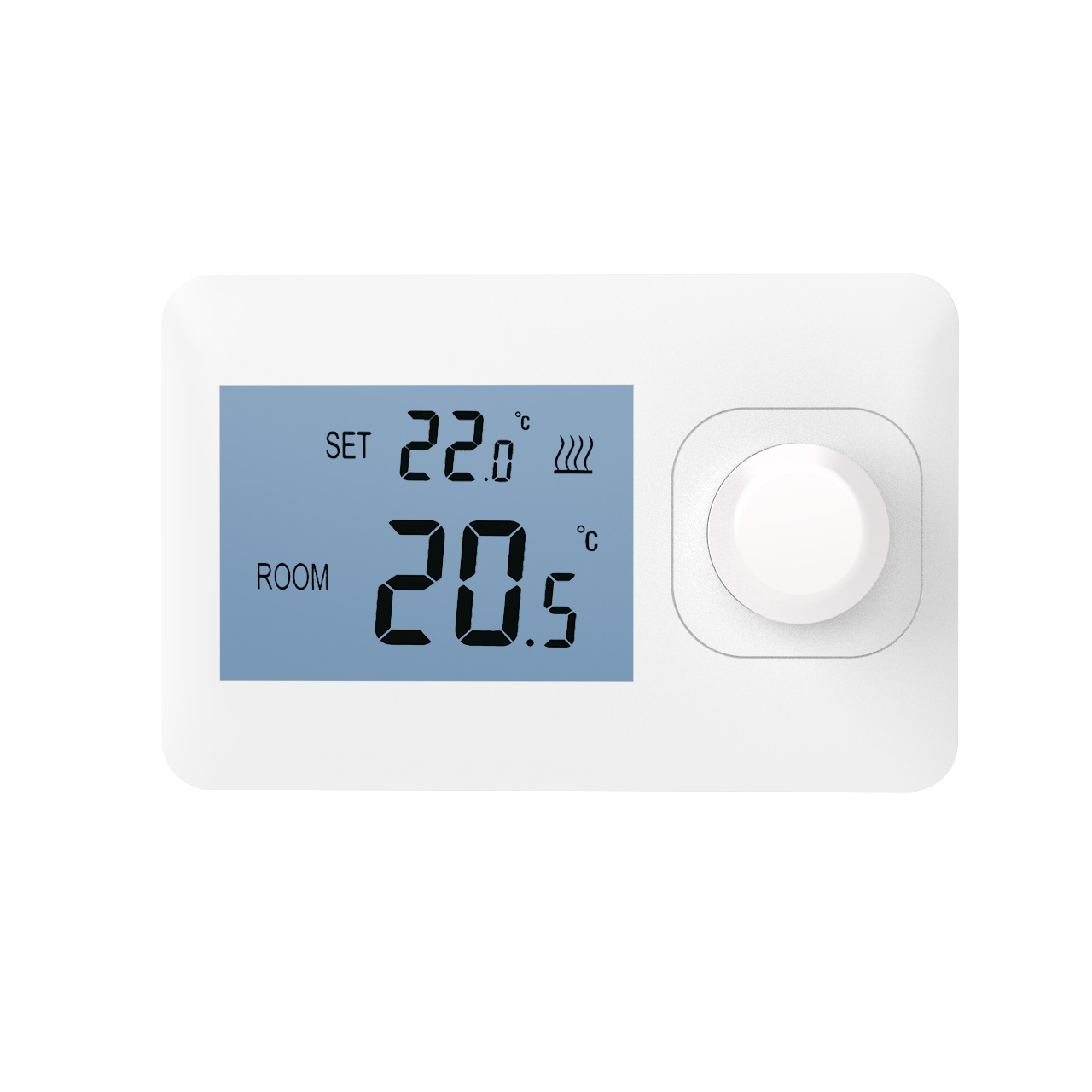
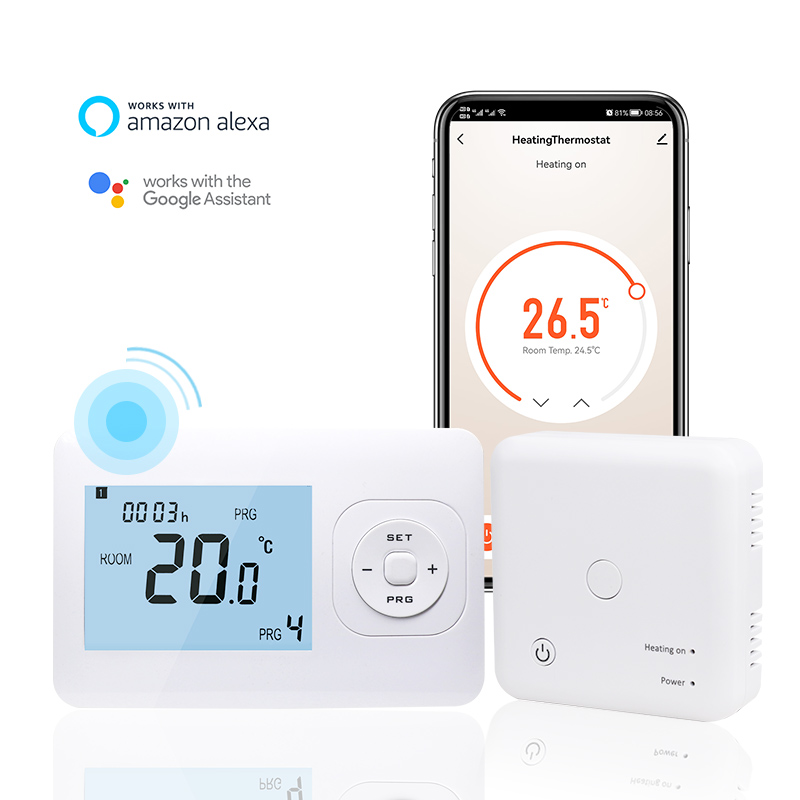
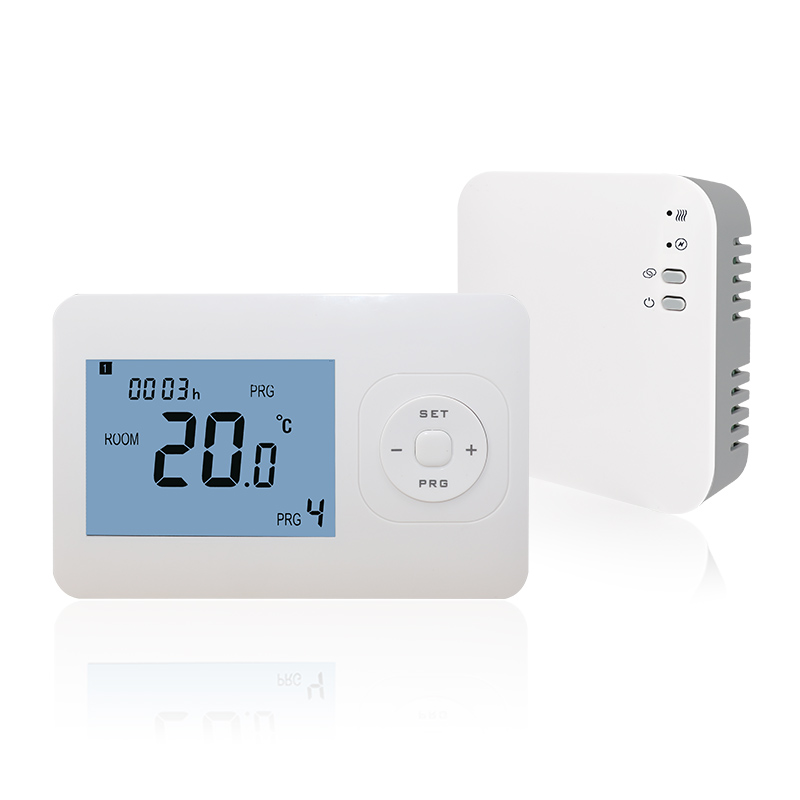
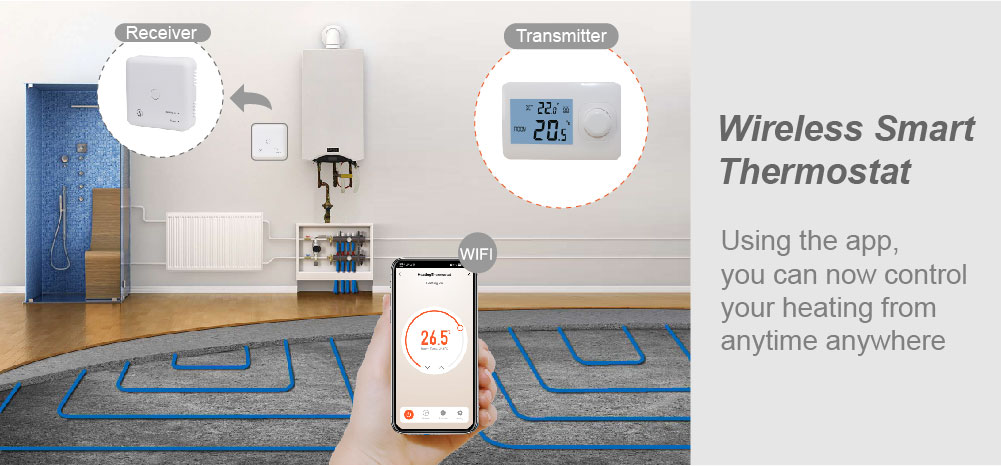
With the increasing popularity of smart home concepts, smart thermostats, as an important component, are gradually entering more and more households. Many consumers, when considering installation, have questions: Does installing a smart thermostat really save energy? The answer is yes; it not only has significant energy-saving effects but also brings many conveniences to the home.

The key to the energy-saving capabilities of smart thermostats lies in their powerful intelligent sensing and learning functions. Equipped with high-precision sensors, it can accurately sense indoor and outdoor temperature, humidity, and human activity in real time. These sensors act like sensitive “antennae,” promptly feeding back environmental information to the device. Simultaneously, the artificial intelligence algorithm integrated into the smart thermostat acts like an experienced “energy manager,” accurately grasping the user’s lifestyle habits and temperature preferences through learning and analyzing vast amounts of historical data. For example, it knows the user’s wake-up time in the morning, bedtime at night, and temperature requirements at different times of day. When the user’s lifestyle changes, the algorithm can quickly adjust to adapt to new needs. Based on this sensed information and learned habits, the smart thermostat automatically adjusts the operating status of air conditioners, heaters, and other equipment. When users require a comfortable temperature, the device is activated in advance to ensure the indoor temperature reaches the ideal state. When users are not home or do not need a high temperature, the device automatically reduces power or even shuts down, avoiding energy waste.
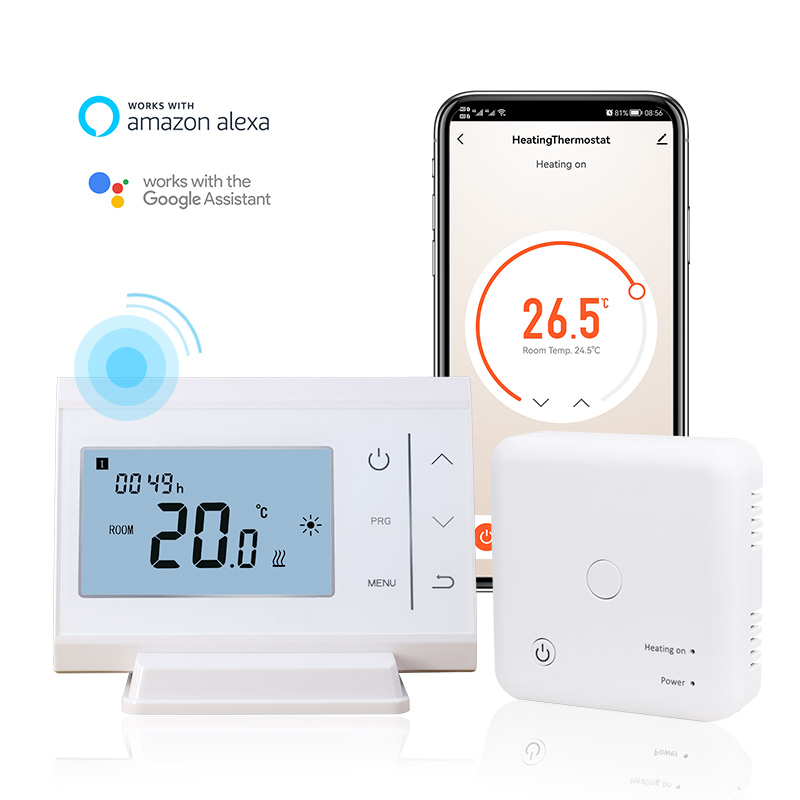
The energy-saving effect of smart thermostats is evident in several aspects. From a daily usage perspective, working professionals spend most of their daytime hours away from home. If a traditional thermostat runs continuously, it results in significant energy waste. However, the remote control function of a smart thermostat allows working professionals to easily turn off heating or cooling devices in their homes via a mobile app while commuting, and turn them back on before leaving get off work to enjoy a comfortable temperature upon arrival, while saving energy. For the elderly, who are more vulnerable and sensitive to temperature changes, the thermostat’s temperature control function maintains a stable indoor temperature, preventing sudden temperature fluctuations. It also allows for timed on/off switching, lowering the temperature before bedtime and raising it before waking up, ensuring sleep quality while saving energy.
From a data perspective, while energy-saving data from different institutions and brands varies, they all demonstrate its energy-saving effect. Energy Star certified smart thermostats can save an average of 8% on energy when heating or cooling, saving a household about $50 on bills annually. Niester claims that using their smart thermostats can save 10% to 12% on heating and 15% on cooling energy, averaging $131 to $145 in utility savings per year. Ecoby estimates energy savings of up to 26%. The U.S. Department of Energy also states that simply lowering the thermostat temperature by 7 to 10 degrees Fahrenheit from the typical setting for 8 hours a day can save 10% on heating and cooling energy, and smart thermostats make this process even more convenient and efficient.
Furthermore, smart thermostats can integrate with other smart home devices to further enhance energy efficiency. For example, they can work with smart curtains to block heat in summer and allow sunlight in winter, reducing reliance on manual heating and cooling; or they can integrate with smart door locks to automatically adjust the temperature to energy-saving mode when the homeowner leaves, and pre-set it to a comfortable state upon returning home.
Installing a smart thermostat can indeed effectively save energy. With its intelligent sensing, learning capabilities, and integration with other devices, it significantly reduces energy consumption while meeting users’ comfort needs, saving families money and contributing to environmental protection. As technology continues to advance and become more widespread, smart thermostats are expected to become standard equipment in every household, leading to a greener and smarter lifestyle.