
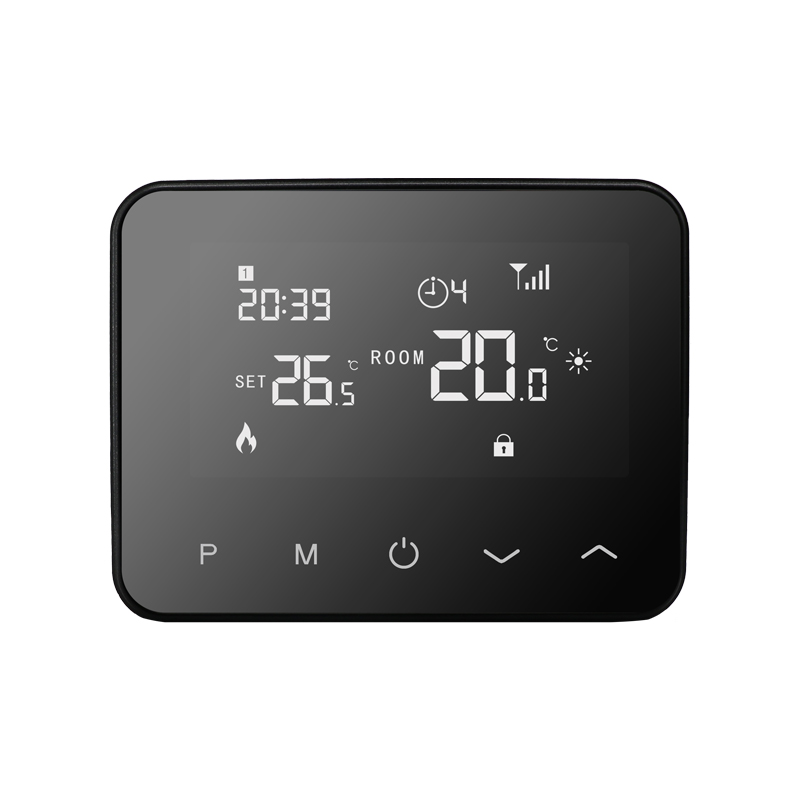
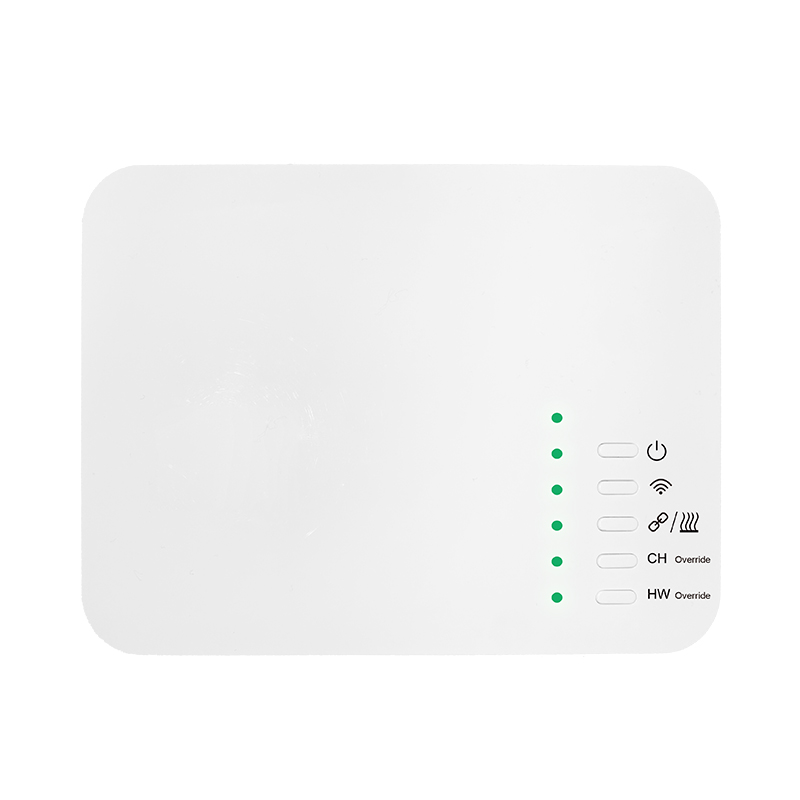
Whether a boiler thermostat needs to be connected to the internet essentially depends on the user’s comprehensive consideration of the device’s functionality, usage scenarios, and intelligent requirements. With the deep penetration of IoT technology, connectivity has evolved from an “optional configuration” to a core selling point of high-end thermostats. However, its necessity is not absolute; rather, it depends on the user’s priorities regarding convenience, energy efficiency management, and operational efficiency. From personalized temperature control in home scenarios to centralized operation and maintenance in industrial fields, connectivity is redefining the operating logic of boiler systems through data interaction and intelligent algorithms.

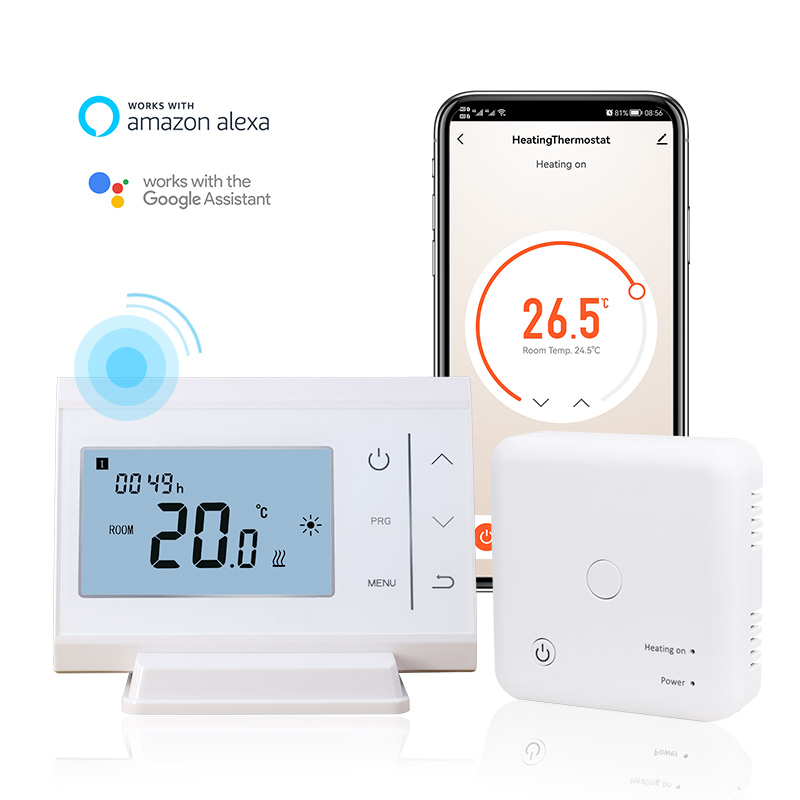
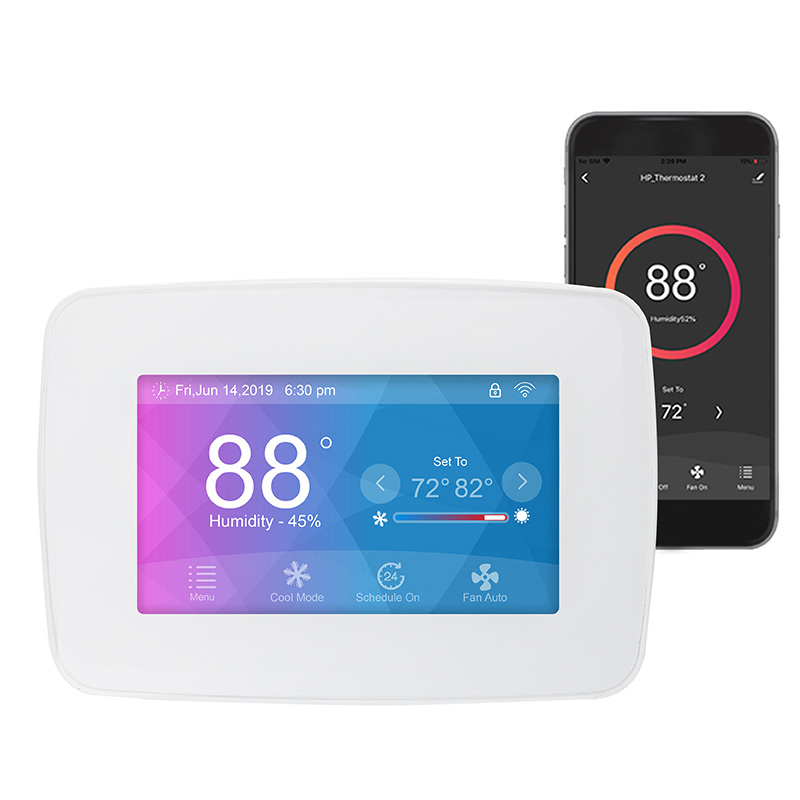
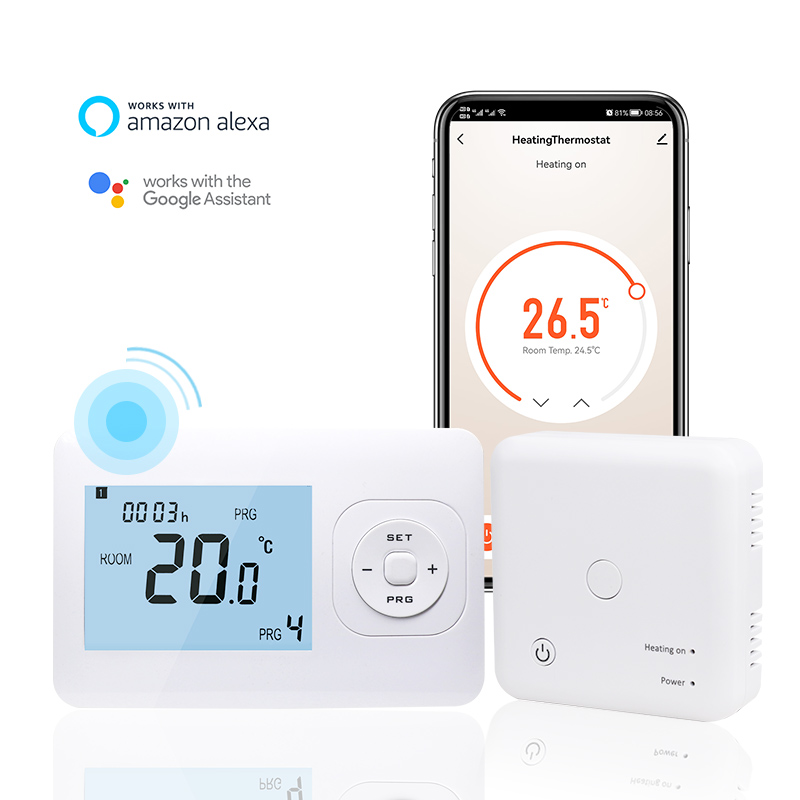
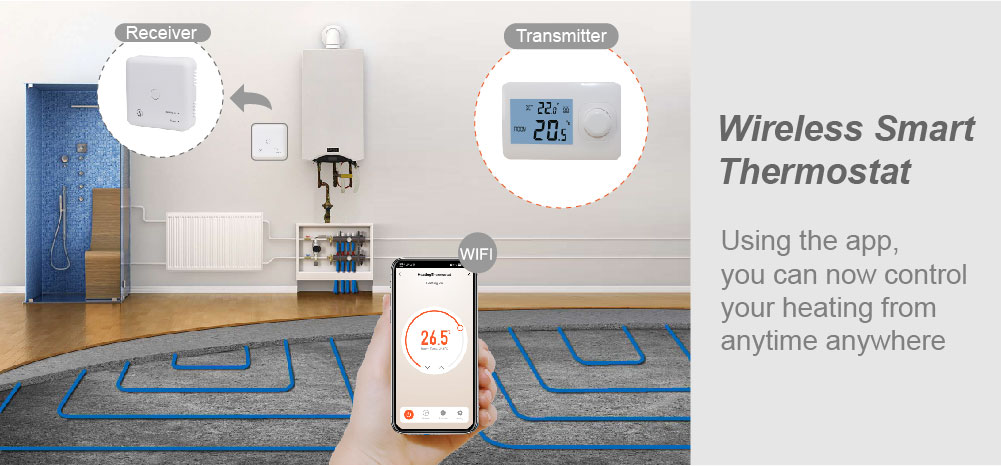
In home scenarios, the value of connectivity lies in the “seamless” intelligent experience. Taking a WiFi-enabled thermostat as an example, users can preset temperature curves for different time periods via a mobile app: automatically lowering the room temperature during the day on weekdays to save energy, and preheating before leaving get off work to ensure comfort upon arrival; if the user forgets to adjust the temperature while away from home, the geofencing function can automatically detect the phone’s location, and the thermostat switches to energy-saving mode when the user is more than the set distance from home. This “proactive adaptation” intelligent logic stems from the device’s continuous learning of user behavior data—by analyzing historical temperature adjustment records, the system can predict user needs and optimize heating strategies in advance. Furthermore, the connectivity feature supports energy consumption statistics and optimization suggestions. Users can view daily and weekly energy usage data and adjust their usage habits based on the energy-saving solutions provided by the app. Long-term use can reduce heating costs by 10%-15%. For families seeking a higher quality of life, the connected thermostat is not only a temperature control tool but also a key node in the smart home ecosystem. It can be linked with devices such as fresh air systems and smart curtains to achieve one-click control of the entire house environment.
In commercial and industrial scenarios, the core value of connectivity shifts to centralized operation and maintenance management. Taking hotel heating systems as an example, connected thermostats can seamlessly connect with the central control system to achieve unified temperature scheduling across multiple floors and areas: maintaining 22°C on high-occupancy floors and automatically lowering the temperature to 18°C on low-occupancy floors, ensuring guest comfort while avoiding energy waste. More importantly, connectivity enables remote fault diagnosis—when the thermostat detects abnormal temperature fluctuations or communication interruptions, it can immediately send an alarm to the management backend. Maintenance personnel can locate the problem without having to troubleshoot each issue individually, significantly reducing repair time. For restaurants and offices, the programming modes of networked thermostats (such as weekday and weekend time-sharing control) can help businesses optimize energy consumption strategies and reduce operating costs. The networking needs of industrial boilers focus more on “predictive maintenance”—by collecting data such as burner exhaust temperature, oil level, and residual oxygen content, the system can analyze equipment operating status trends, provide early warnings of potential faults, and avoid production losses caused by sudden shutdowns. For example, a chemical company reduced its boiler failure rate by 30% and reduced annual maintenance costs by 2 million yuan through a networked temperature control system.
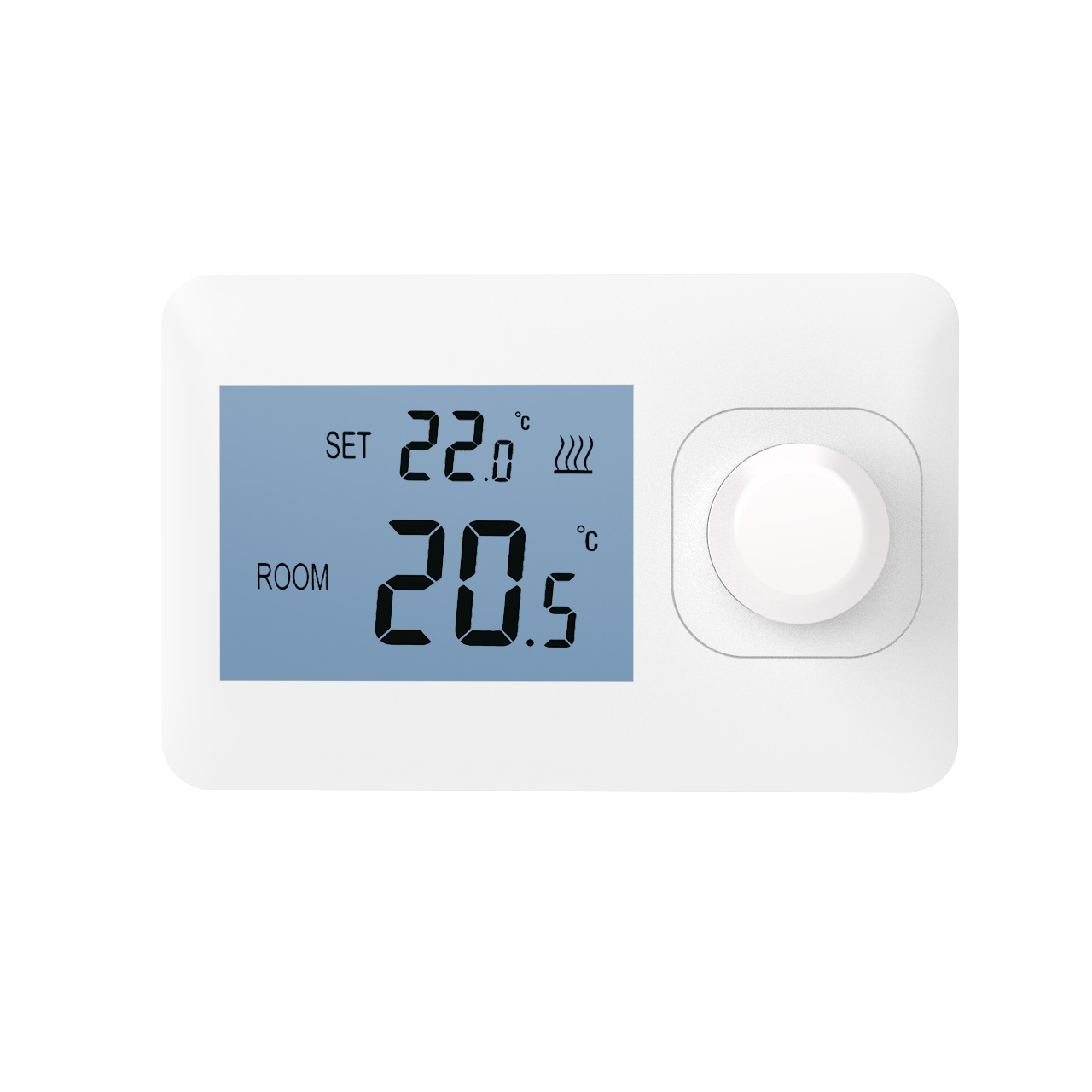
The necessity of networking ultimately depends on the depth to which users can extract the “value of data.” For ordinary household users, non-networked thermostats are sufficient if only basic temperature control is required; however, for users seeking a smart experience and precise energy management, networking can unlock greater value. Commercial and industrial users need to weigh “networking costs” against “operational efficiency”—although initial investment in gateway equipment and cloud platform services is required, in the long run, remote monitoring, fault warnings, and data analysis functions can significantly reduce manual inspection costs and improve equipment utilization. With the widespread adoption of technologies such as 5G and edge computing, the data transmission stability and response speed of networked thermostats have significantly improved, eliminating user concerns about control failures caused by network latency or disconnections.
From simple temperature adjustment to intelligent energy management, the networking capabilities of boiler thermostats are reshaping the way heating systems operate. Whether it’s personalized comfort in a home or centralized operation and maintenance in the industrial sector, networking technology provides users with more efficient, reliable, and economical solutions through data interaction and intelligent algorithms. For users, choosing whether to connect to the network should not be about blindly following technological trends, but rather about finding the optimal balance between convenience and cost based on their own needs, usage scenarios, and budget. This user-centric product design philosophy is the core driving force behind the evolution of boiler thermostats from “functional devices” to “intelligent terminals.”