
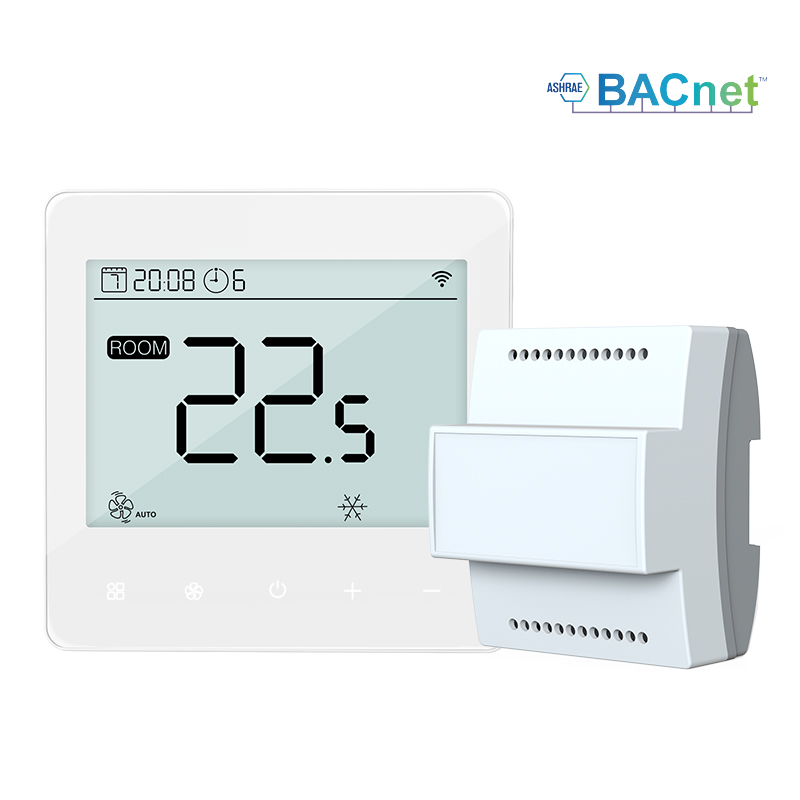
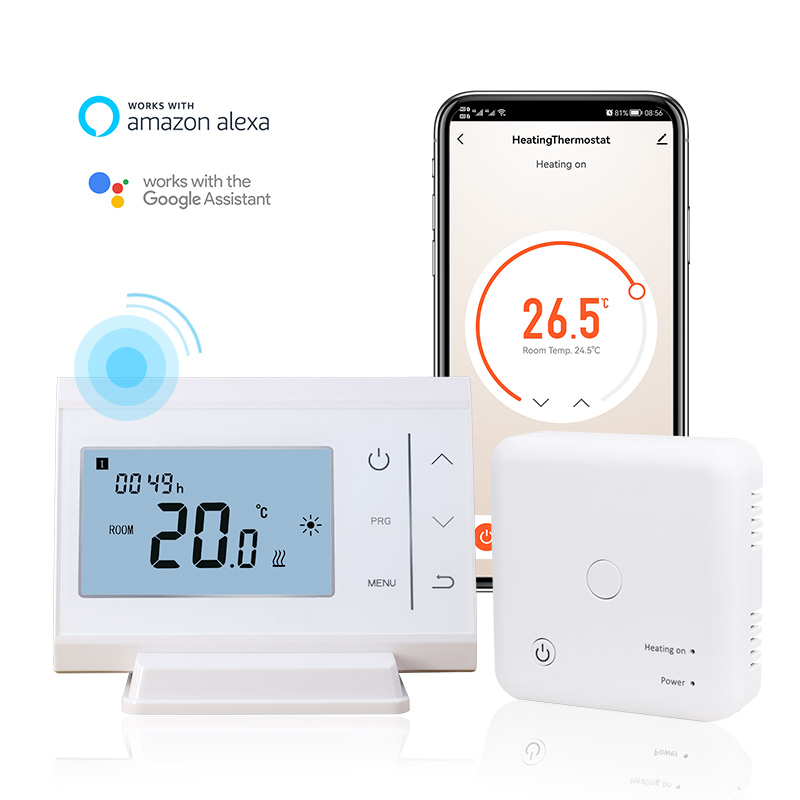
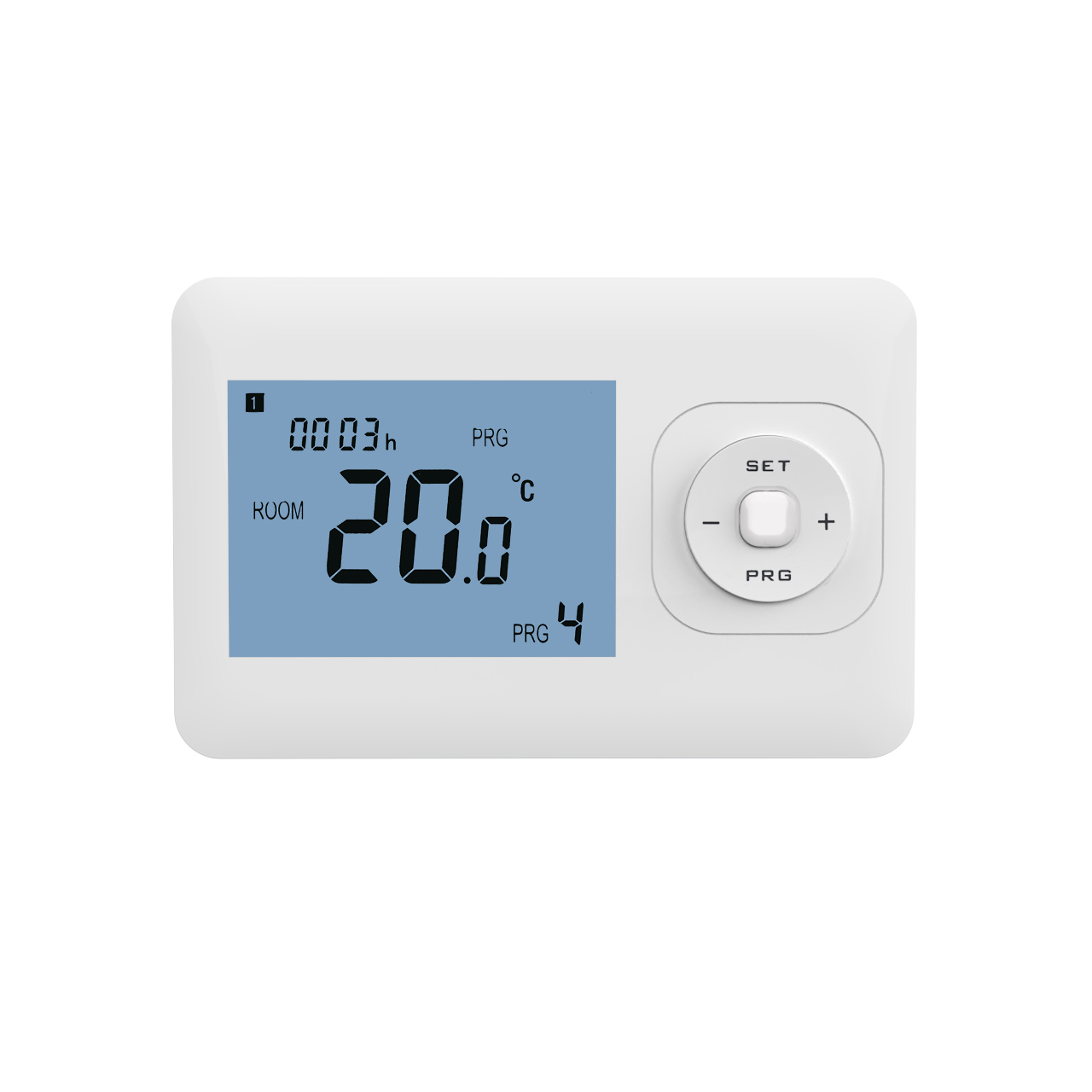
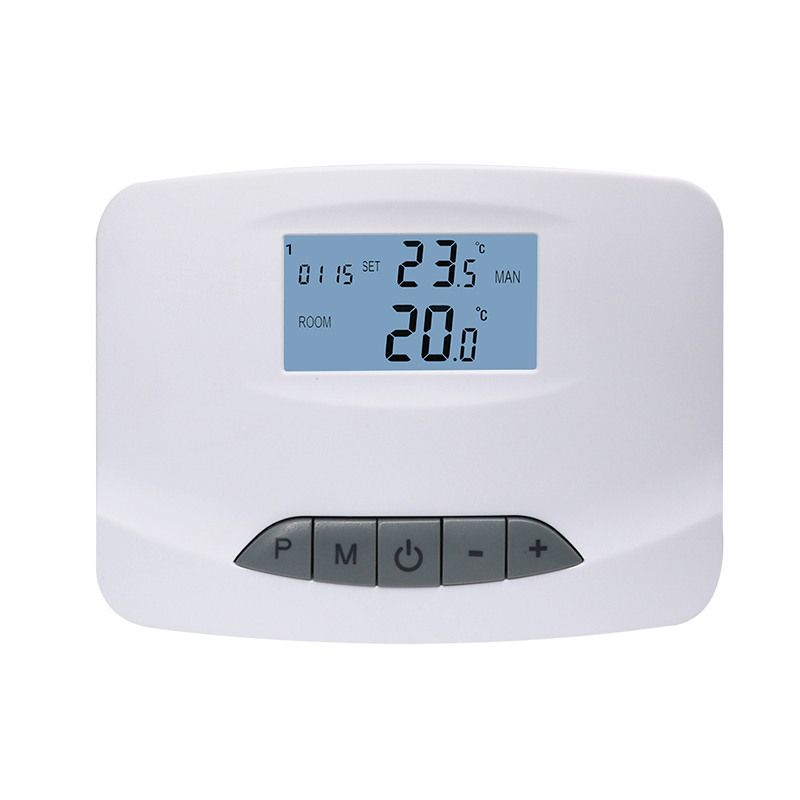
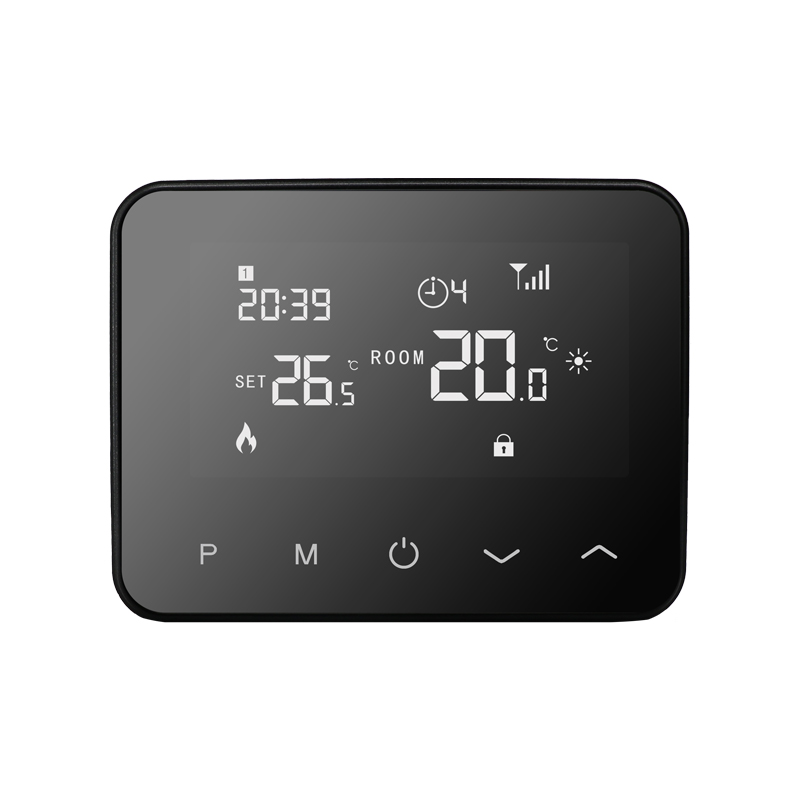
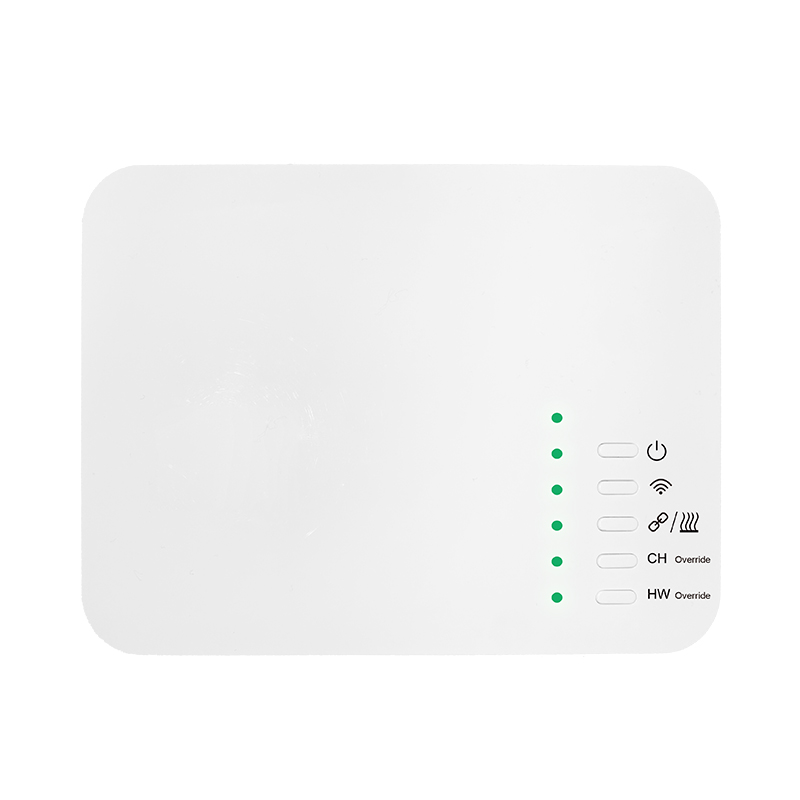
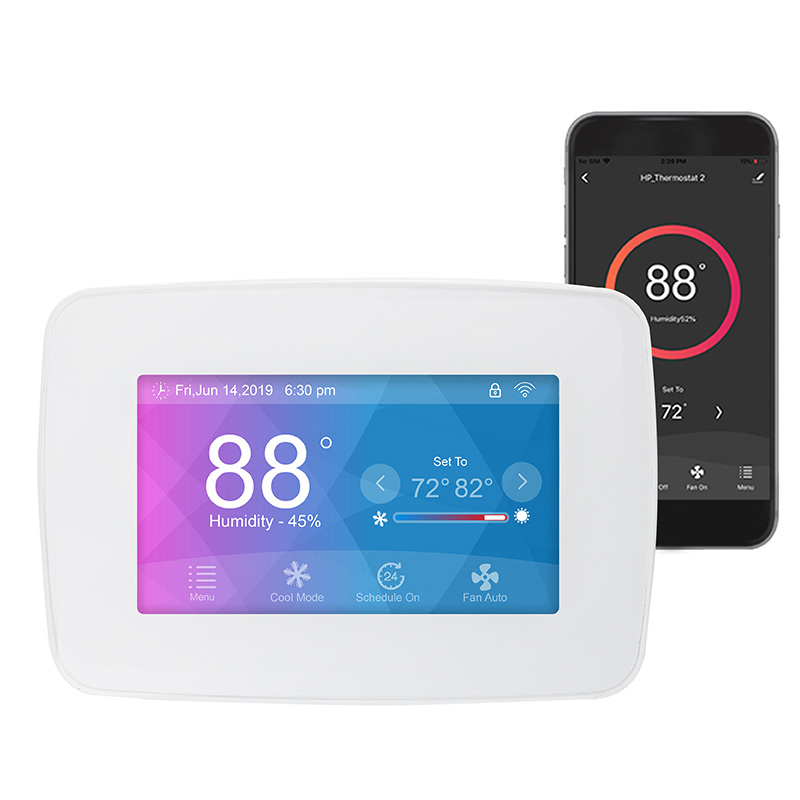
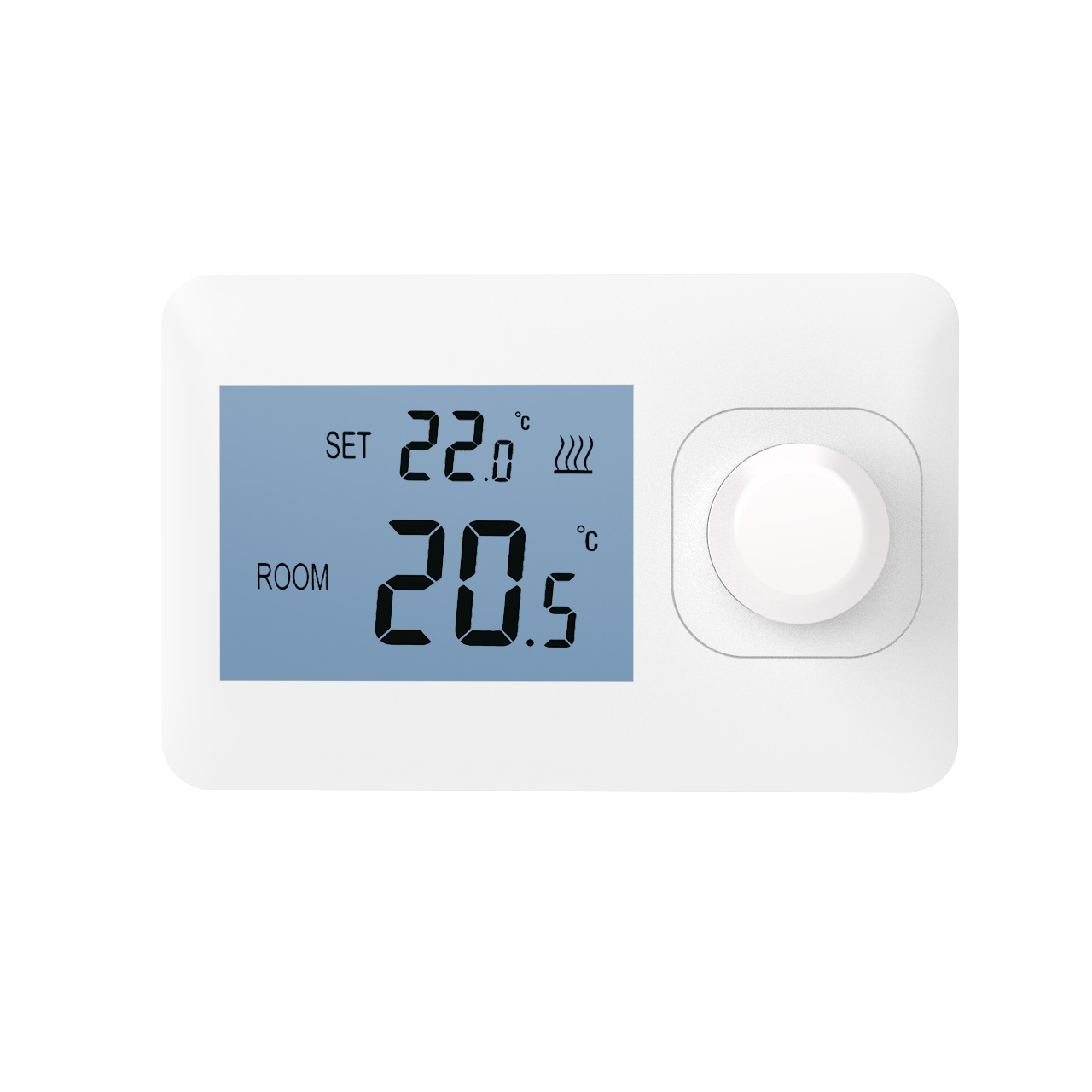
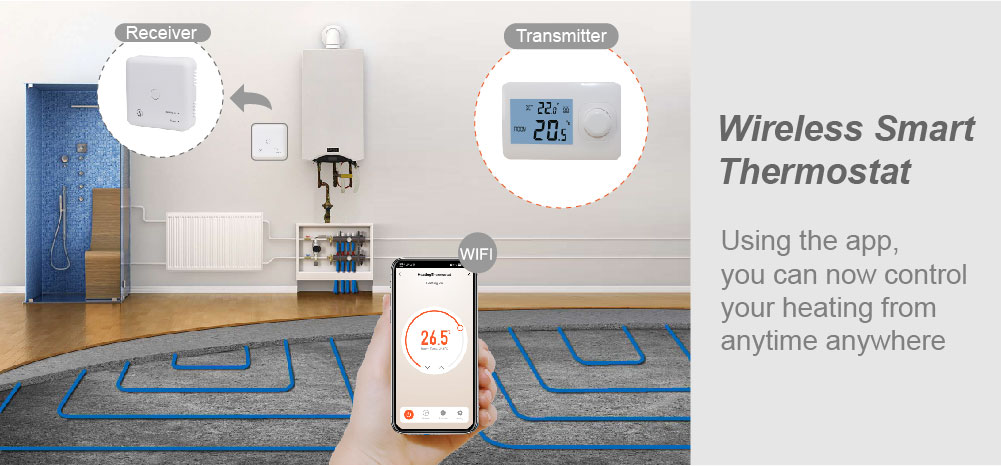
In an electric underfloor heating system, the thermostat not only regulates indoor temperature but also plays a critical role in electrical safety and system stability. Proper thermostat installation directly affects the service life, energy efficiency, and safe operation of the entire heating system. Therefore, paying close attention to installation details is essential to ensure safe and reliable performance.
Choose an Appropriate Installation Location
The installation location of an electric underfloor heating thermostat has a significant impact on temperature accuracy and user safety. The thermostat should be mounted in an area with good air circulation where it can accurately reflect the room’s ambient temperature. Locations exposed to direct sunlight, near doors and windows, or close to other heat-generating appliances should be avoided. Improper placement may cause incorrect temperature readings, frequent system cycling, and increased electrical risks.
Ensure Proper Power Supply and Wiring
As an electrical device, the thermostat requires strict compliance with wiring and power supply standards. Before installation, confirm that the supply voltage matches the thermostat’s rated specifications to prevent damage or safety hazards. During wiring, live, neutral, and load wires must be correctly identified and securely connected. Loose connections, poor contacts, or exposed conductors can lead to overheating and electrical failures. Using certified cables and connectors is strongly recommended to reduce potential safety risks.
Do Not Overlook Temperature Sensor Installation
The floor temperature sensor is a key component of the electric underfloor heating thermostat, and its installation directly affects temperature control accuracy and system safety. The sensor is typically embedded within the floor and placed inside a protective conduit between heating cables to prevent direct contact with heating elements. Improper sensor placement or lack of protection may cause sensor damage due to excessive heat, leading to temperature control failure or overheating risks.
Implement Effective Waterproof and Moisture Protection
In humid environments such as bathrooms and kitchens, waterproof and moisture-proof measures are especially important. Before installation, ensure that the thermostat’s protection rating is suitable for the intended environment. Sealing the wiring box and cable entry points helps prevent moisture from entering the internal circuitry. Without adequate protection, moisture can cause short circuits, leakage currents, and other serious safety hazards.
Perform Thorough Testing and Commissioning
After installation, comprehensive inspection and testing should be carried out to verify that the thermostat display, buttons, and temperature control functions are operating correctly. During initial power-up, observe the system closely for abnormal heating, unusual noises, or alarm indications. Proper parameter settings and operating modes help prevent prolonged high-load operation and enhance overall system safety.
Conclusion
Overall, installing an electric underfloor heating thermostat involves much more than simple wiring. It is a critical task that affects electrical safety, temperature accuracy, and long-term system stability. From installation location and wiring to sensor placement and moisture protection, every detail matters. Adhering to proper installation standards and conducting careful inspections ensures a safe, reliable, and comfortable underfloor heating experience.