
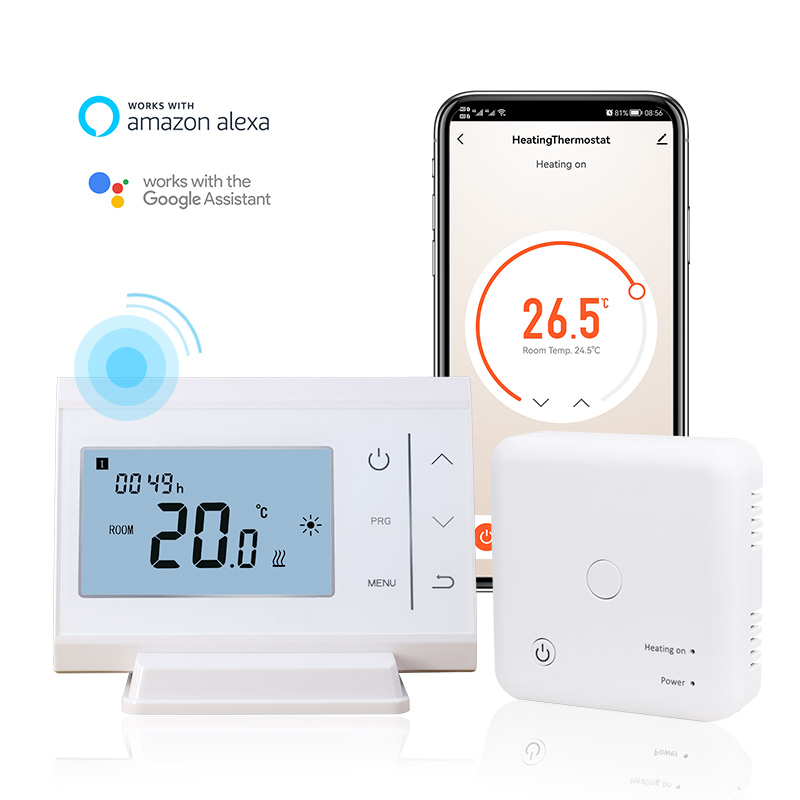
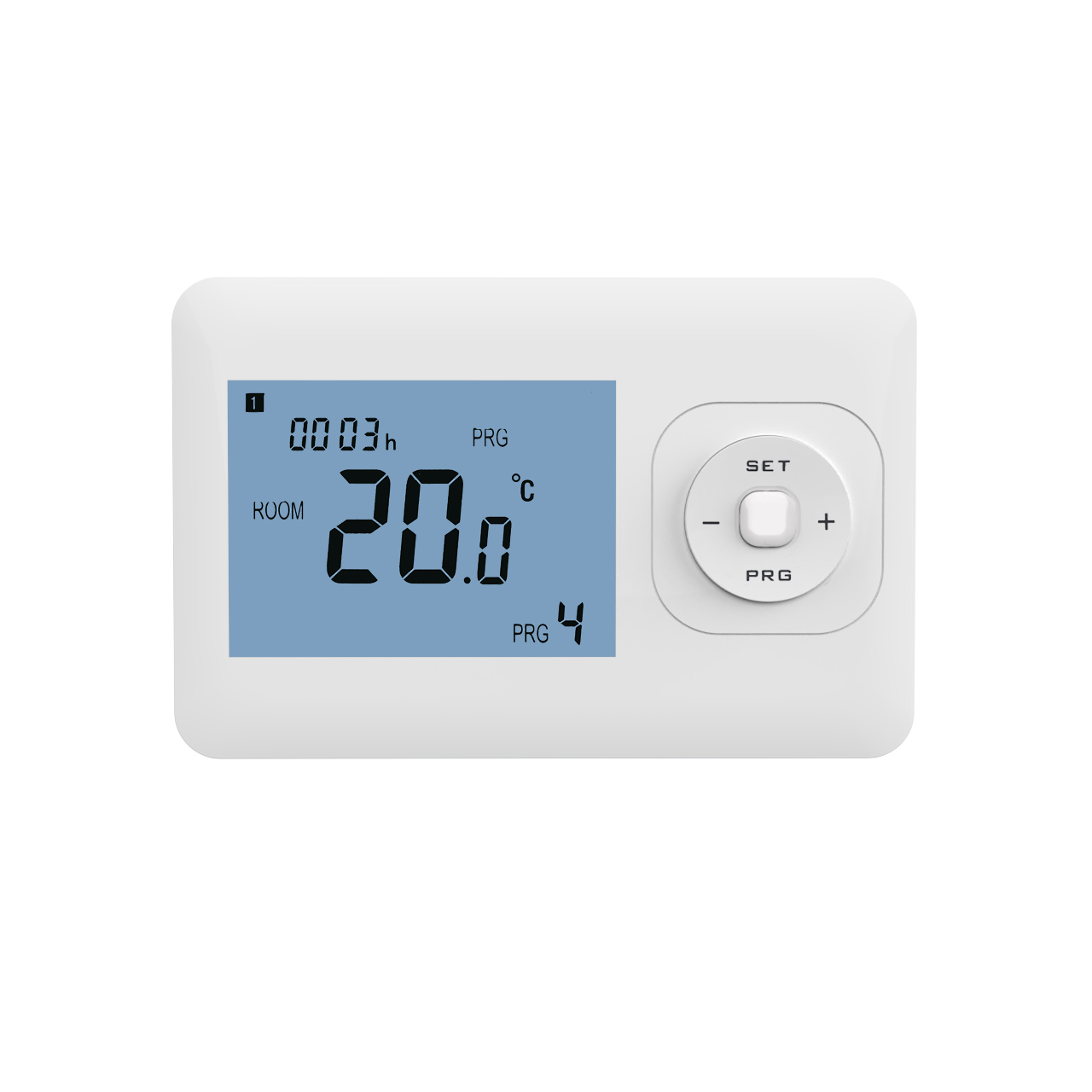
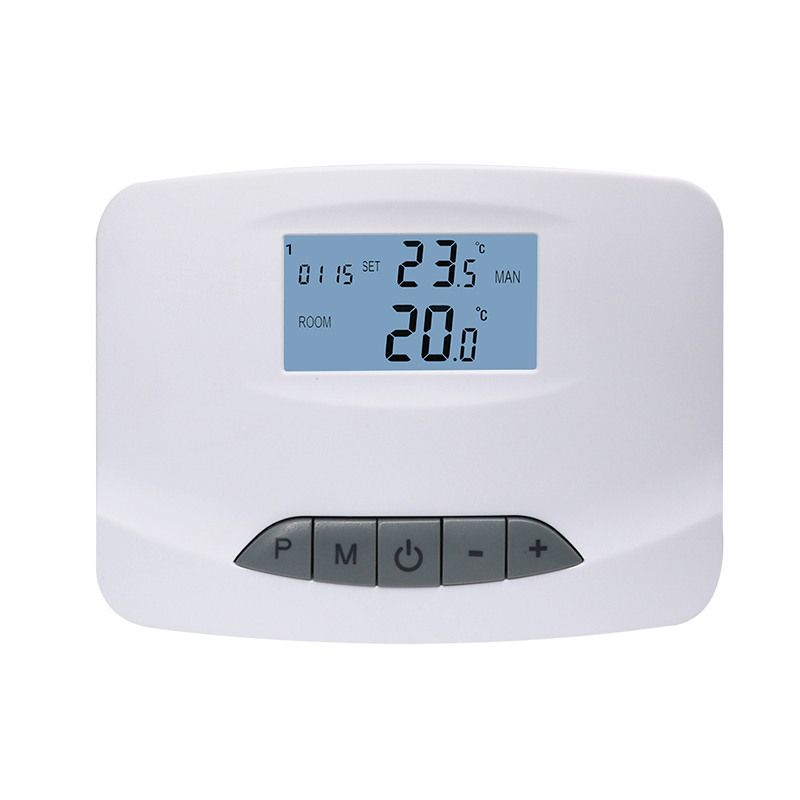
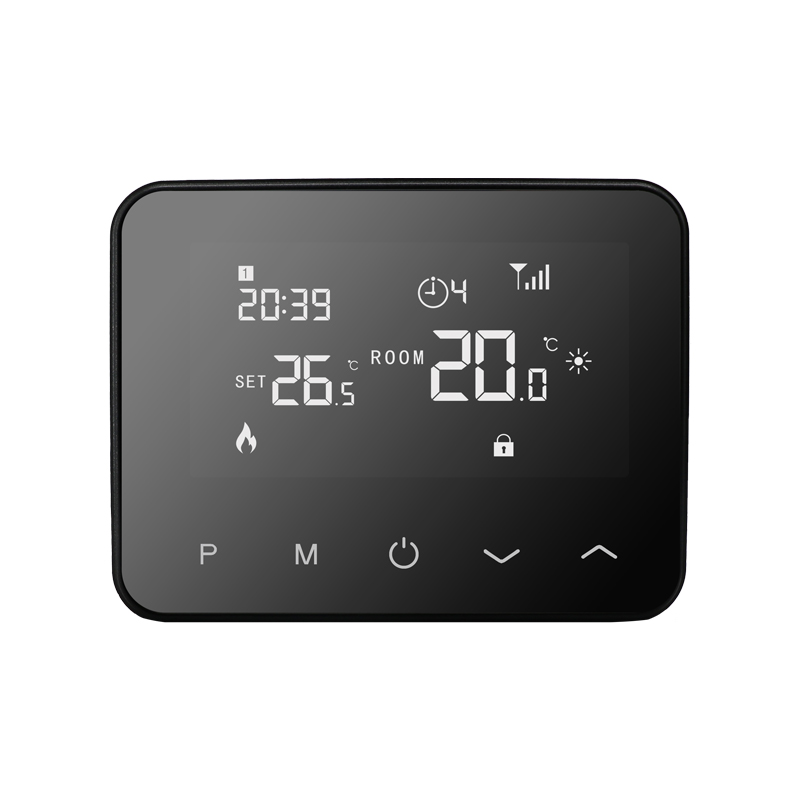
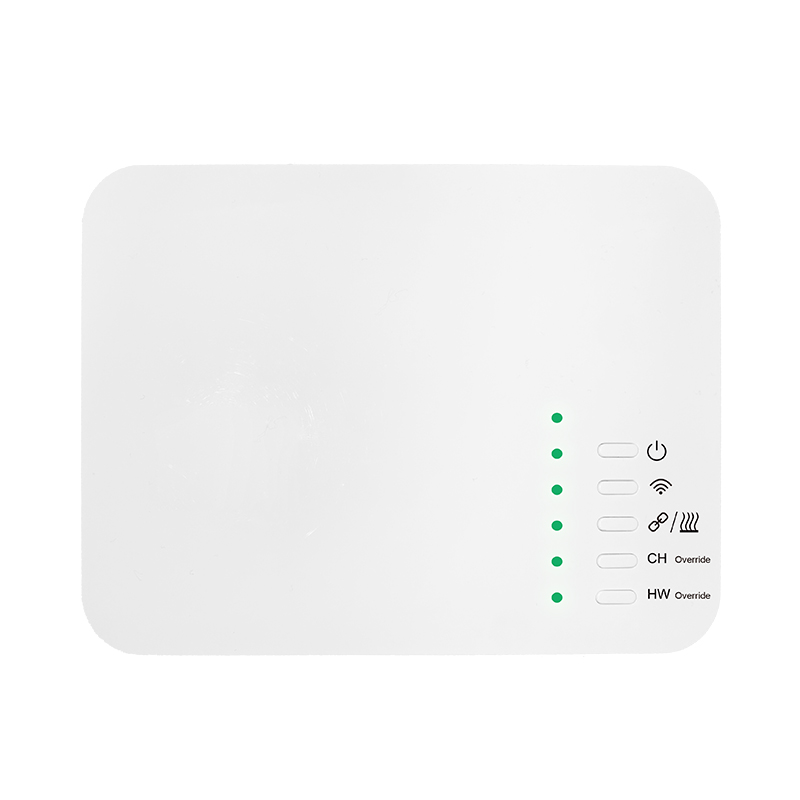
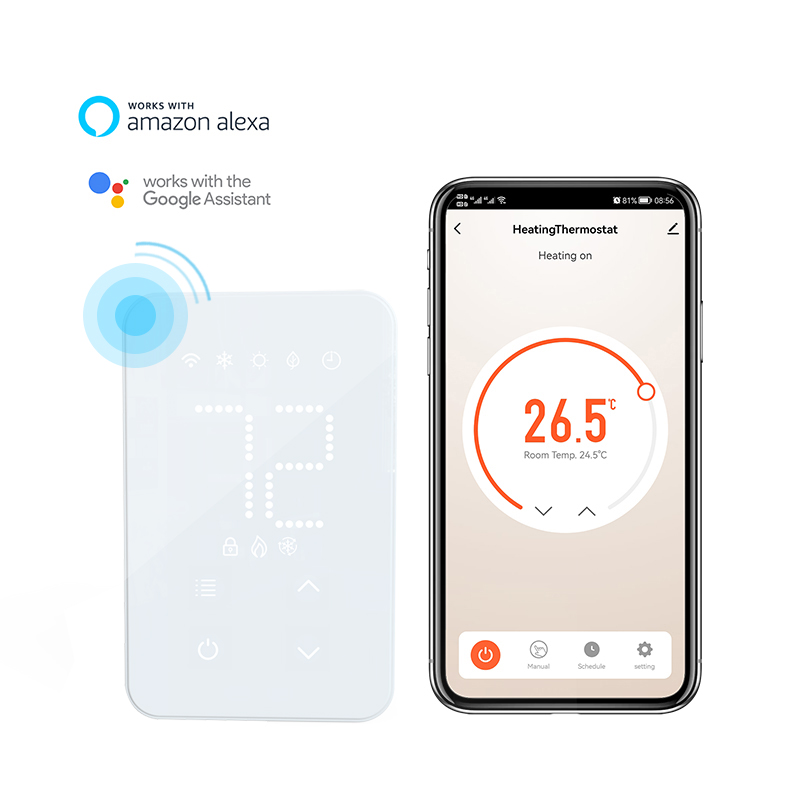
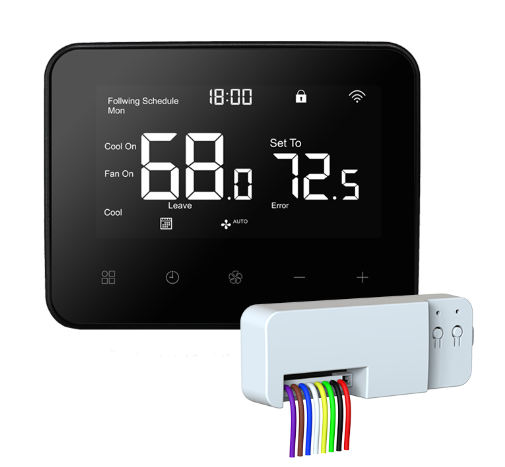
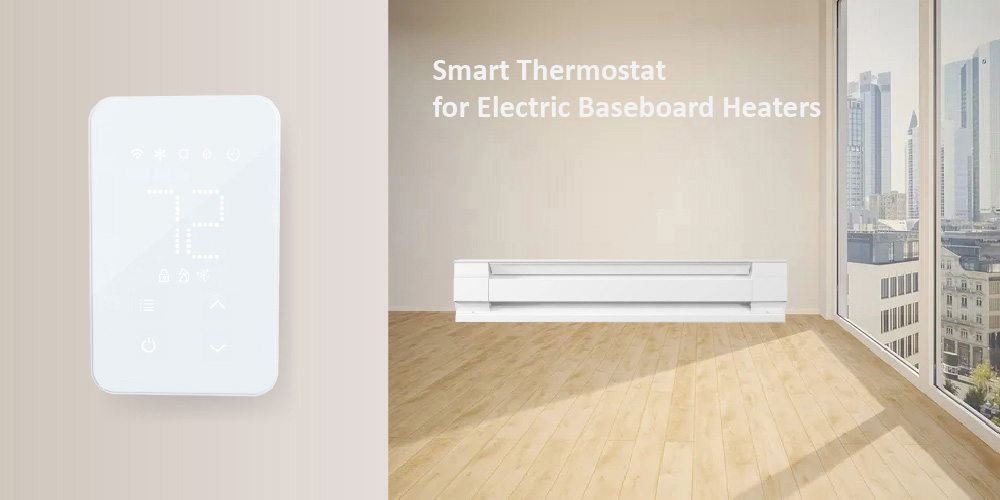
As winter temperatures drop, the demand for heating in homes and offices rises sharply. Traditional heating methods often result in energy waste and high electricity bills, while plug-in thermostats offer a smarter, more efficient solution. This article explores how plug-in thermostats perform in winter heating, focusing on energy-saving principles, practical usage strategies, and optimization tips.
How Plug-In Thermostats Save Energy
Plug-in thermostats are devices that plug directly into an outlet. They monitor room temperature with built-in sensors and automatically turn connected appliances on or off based on the desired temperature. Key energy-saving advantages include:
Precise temperature control: Automatically adjusts appliance power according to room temperature changes, preventing overheating or overcooling and reducing wasted energy.
Smart on/off control: Reduces unnecessary energy use by automatically lowering power or shutting off appliances when the room is unoccupied.
Timer and zone settings: Allows users to schedule heating times and temperatures for different areas, providing heat only when and where needed.
Energy-Saving Performance in Winter
Lower electricity bills
By setting a reasonable temperature (typically 18–22℃ / 64–72℉), plug-in thermostats adjust heating power automatically, preventing continuous high-power operation throughout the day or night, which helps reduce electricity costs.
Reduce overheating and energy waste
Without a thermostat, heaters may run at high power for extended periods due to large indoor-outdoor temperature differences. Plug-in thermostats maintain a stable indoor temperature within a comfortable range while minimizing unnecessary energy output.
Optimize multi-room heating
Some plug-in thermostats offer zone control, allowing different temperatures for different rooms. For example, living rooms and bedrooms can have customized temperature settings, ensuring comfort while reducing overall energy consumption.
Strategies to Maximize Energy Efficiency
Set reasonable temperatures: Winter room temperatures should generally remain between 18–22℃ for comfort and energy savings.
Use timer functions: Lower the temperature or turn off heaters when rooms are unoccupied or during sleep hours.
Maintain stable usage: Avoid frequent manual adjustments and rely on smart mode to improve efficiency.
Combine with energy-saving measures: Close doors and windows, use thick curtains, and wear appropriate clothing to reduce heat loss and lower thermostat workload.
Smart Advantages for Winter Heating
Compared to traditional manual heating, plug-in thermostats offer clear benefits:
Automatic temperature adjustment ensures comfort while saving energy
On-demand heating prevents appliances from running unnecessarily
Timer and zone control optimize overall energy consumption
These features enhance heating efficiency while achieving both economic and environmental benefits.
Conclusion
Winter heating affects both comfort and energy costs. Plug-in thermostats, with precise temperature control, timer management, and zone strategies, effectively reduce energy waste and demonstrate strong energy-saving performance. When used properly and combined with basic energy-saving measures, plug-in thermostats make winter heating both warm and efficient, saving electricity while supporting environmental sustainability.