
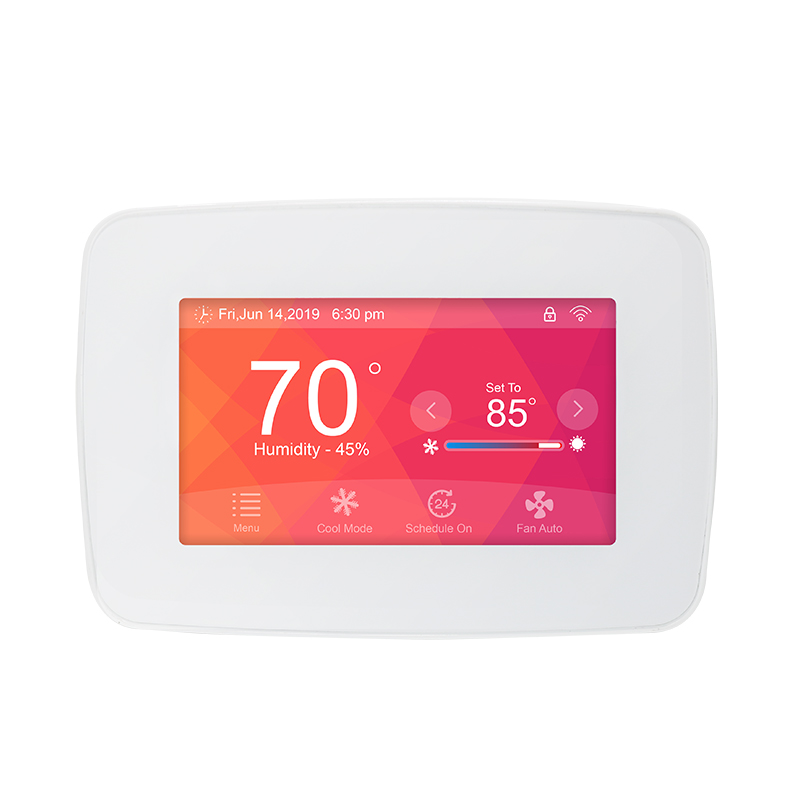
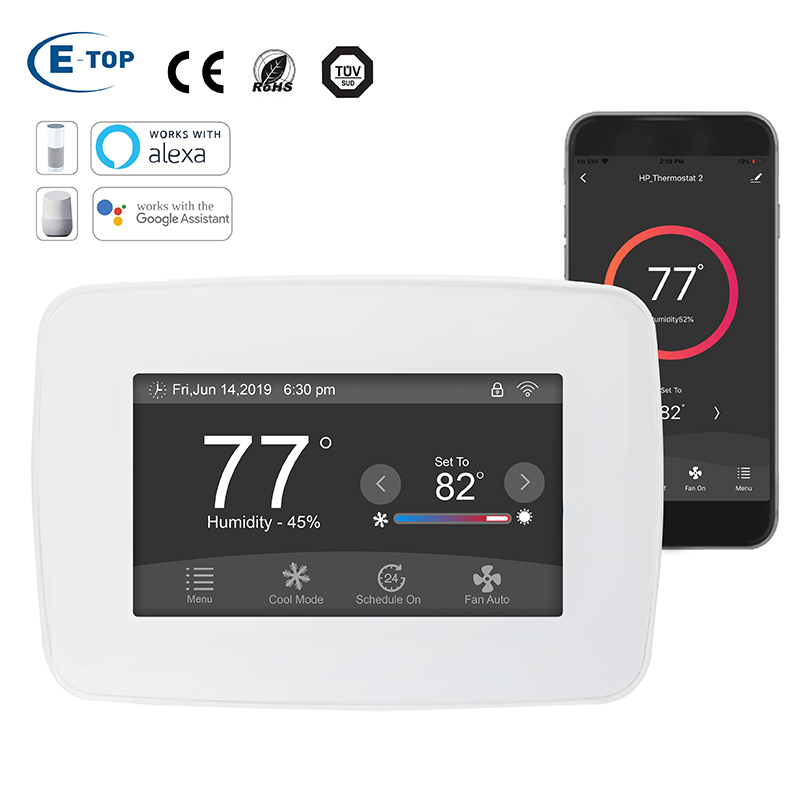
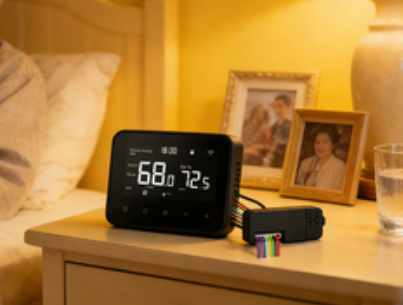
With the continuous development of smart home technology, more households are adopting smart electric floor heating systems. As the core control device of these systems, smart electric floor heating thermostats play a vital role in improving heating efficiency, reducing energy consumption, and enhancing indoor comfort. Compared with traditional thermostats, smart electric floor heating thermostats significantly increase home heating efficiency through precise control and intelligent management.
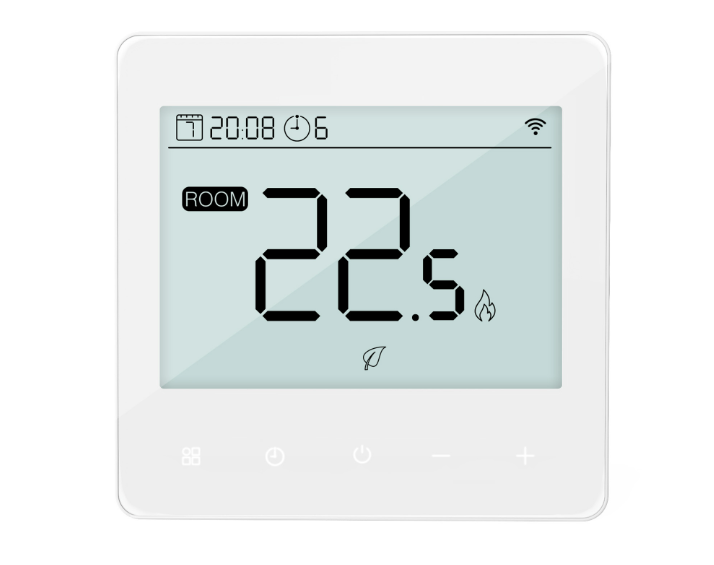
Precise Temperature Control Reduces Energy Waste
One of the key advantages of smart electric floor heating thermostats is their ability to control temperature accurately. Equipped with high-precision sensors, these thermostats monitor both room air temperature and floor temperature in real time, preventing frequent reheating caused by large temperature fluctuations. As the system approaches the target temperature, the thermostat automatically reduces heating output, minimizing unnecessary energy use and ensuring a stable and efficient heating process.
Smart Scheduling Optimizes Heating Time
Home heating efficiency depends not only on temperature control but also on heating duration. Smart electric floor heating thermostats support multi-period scheduling, allowing users to plan heating times based on daily routines. For example, the system can automatically start heating before waking up or returning home and reduce output when the home is unoccupied. This on-demand heating approach avoids long periods of continuous operation, significantly reducing energy waste and improving overall efficiency.
Remote Control Enhances Flexibility
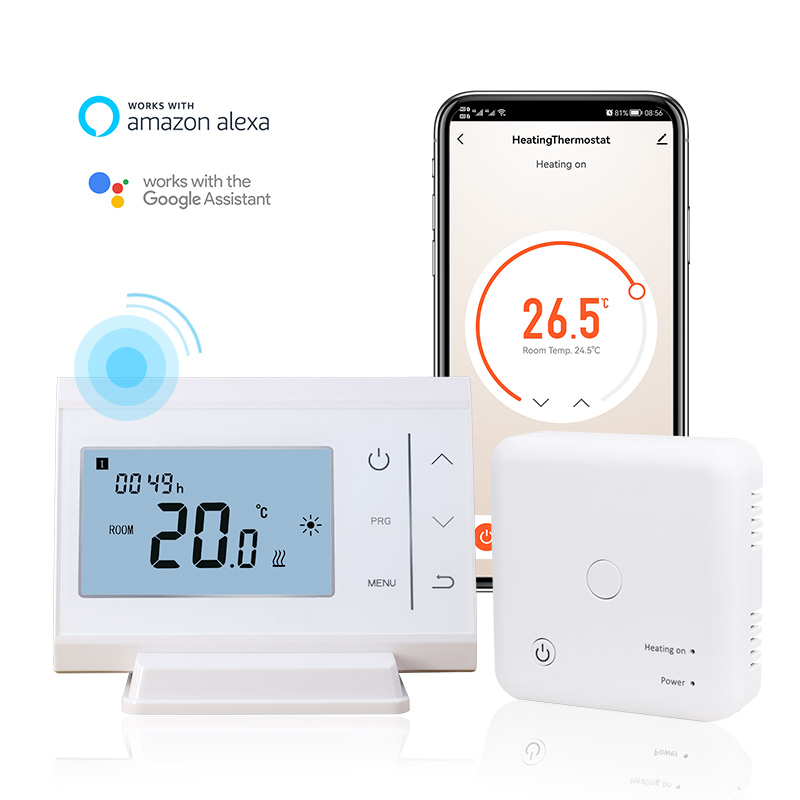
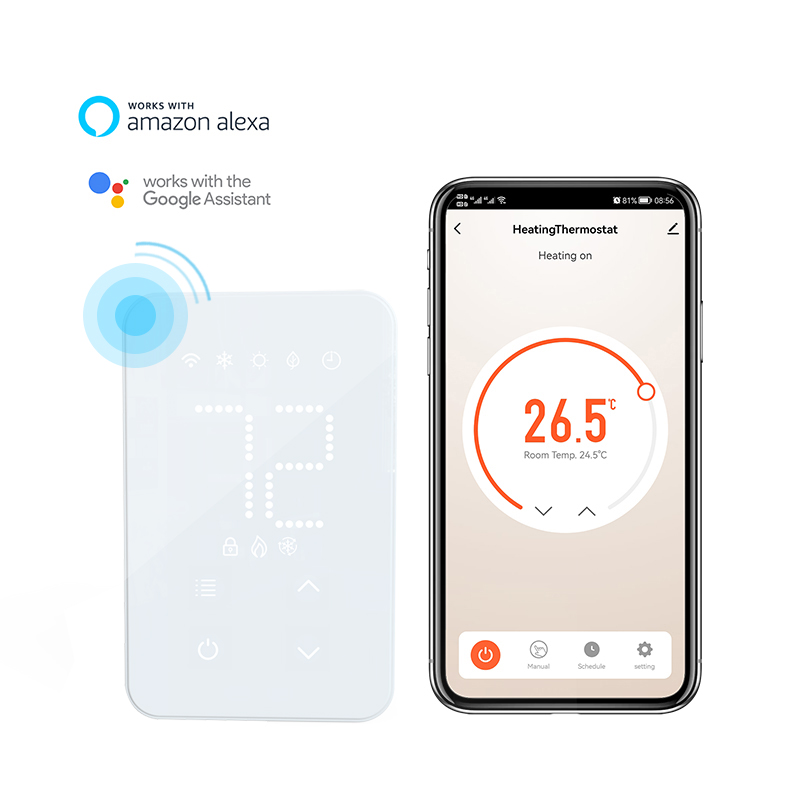
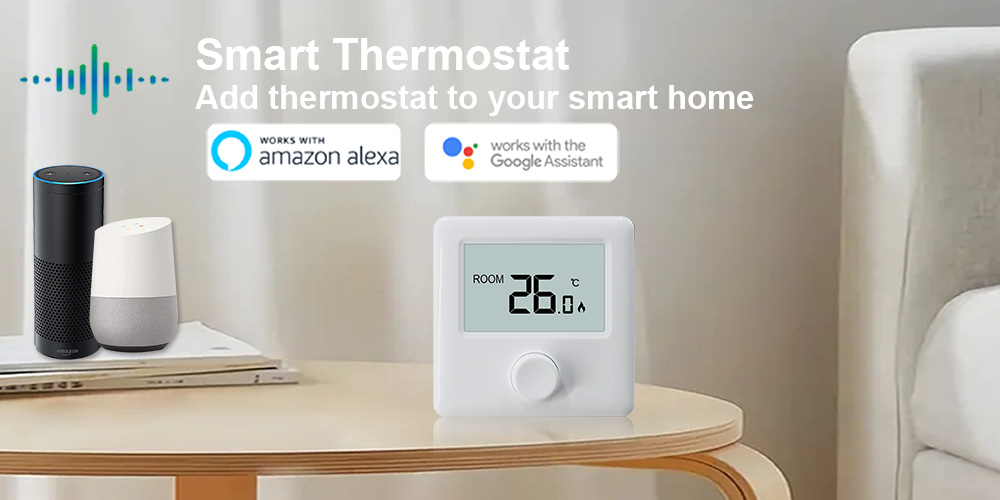
Through Wi-Fi connectivity and mobile apps, smart electric floor heating thermostats enable remote control from anywhere. Users can adjust indoor temperature or turn the heating system on and off even when away from home. This flexible control helps prevent unnecessary energy consumption caused by forgotten settings while ensuring comfortable temperatures when needed, making energy use more targeted and efficient.
Learning Algorithms Enable Intelligent Adjustment
Some smart electric floor heating thermostats feature learning algorithms that adapt to user habits and historical usage data. By analyzing heating response times, indoor temperature changes, and user preferences, the system can start or delay heating automatically. This prevents both overheating and insufficient heating, optimizing energy consumption while maintaining comfort and continuously improving heating efficiency.
Zoned Control Improves Overall Energy Performance
In multi-room households, heating requirements vary from one space to another. Smart electric floor heating thermostats support zoned temperature control, allowing each room to be set independently. Frequently used areas can maintain comfortable temperatures, while less-used rooms operate at lower settings. This targeted heating strategy reduces overall energy consumption and ensures a more efficient distribution of heating energy throughout the home.
Data Feedback Helps Optimize Usage
Smart electric floor heating thermostats often include energy monitoring and usage reports. By reviewing daily or monthly energy consumption data, homeowners can better understand their heating patterns and adjust temperature settings accordingly. This data-driven approach makes it easier to identify more efficient heating strategies and continuously improve energy efficiency.
Conclusion
Overall, smart electric floor heating thermostats enhance home heating efficiency through precise temperature control, intelligent scheduling, remote access, learning algorithms, and zoned heating. They reduce energy waste while maintaining a high level of comfort, ultimately lowering heating costs. For households seeking efficiency, sustainability, and smart living, using smart electric floor heating thermostats is an effective way to achieve more efficient and comfortable home heating.