






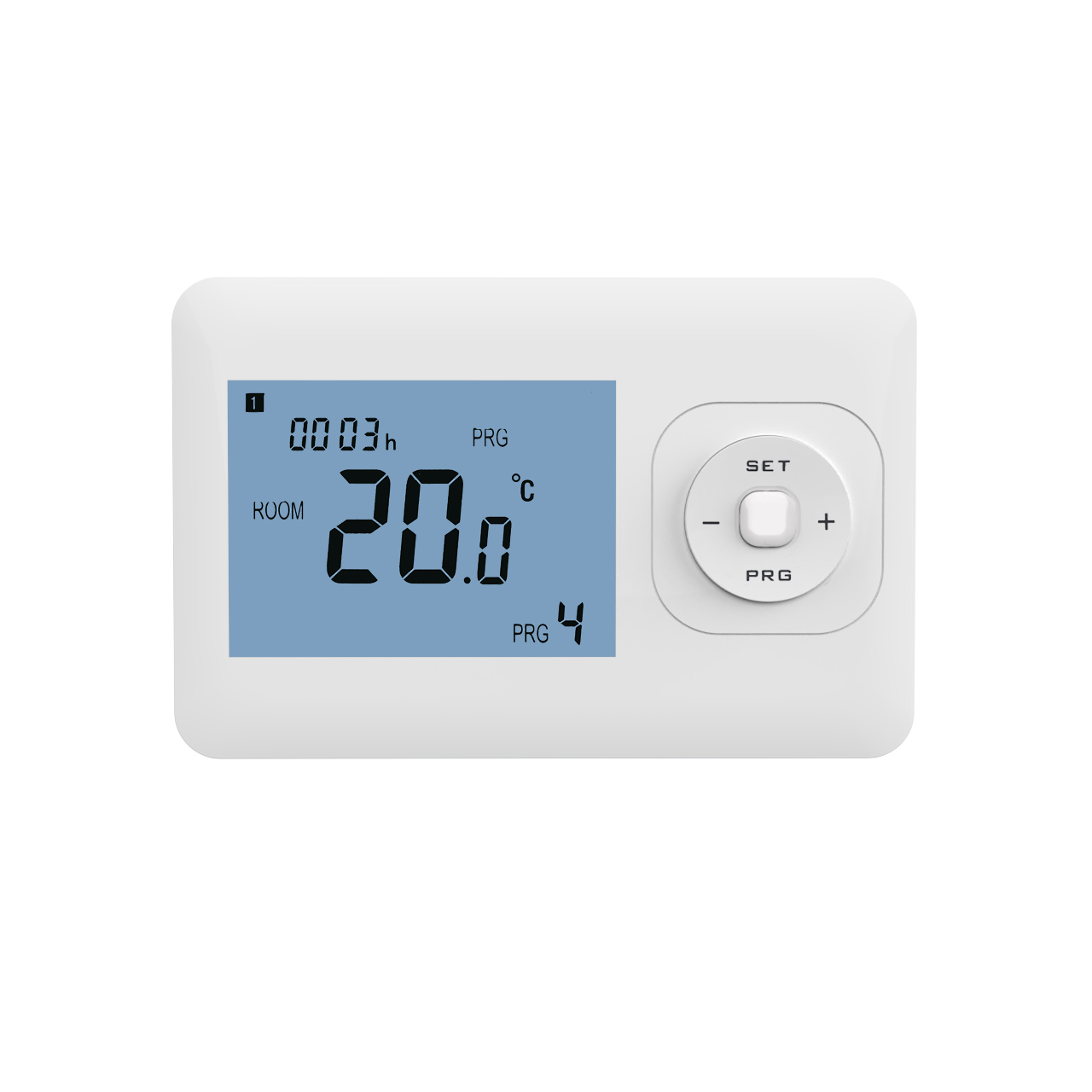
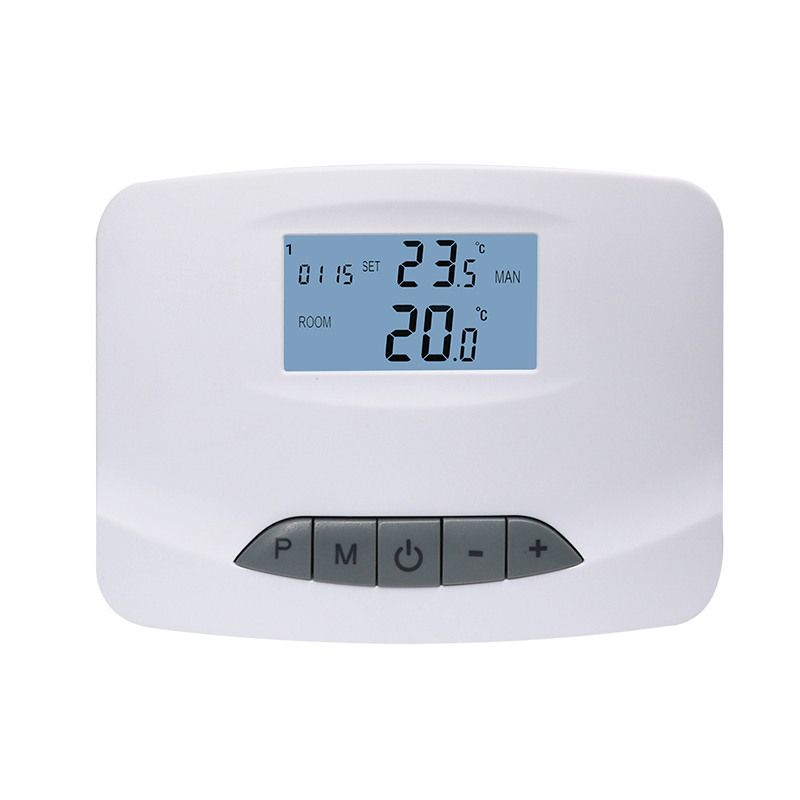
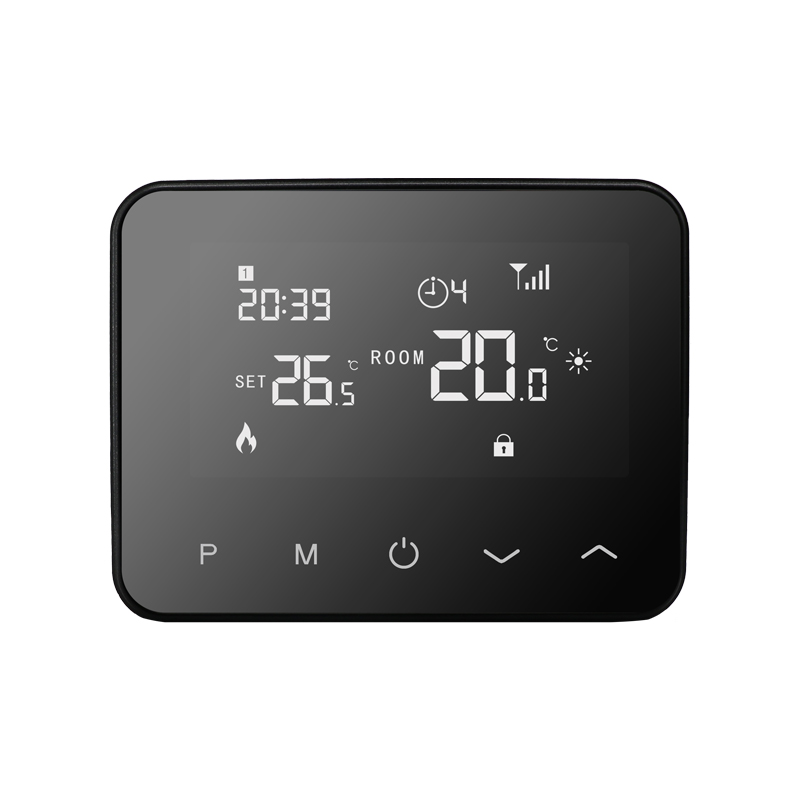
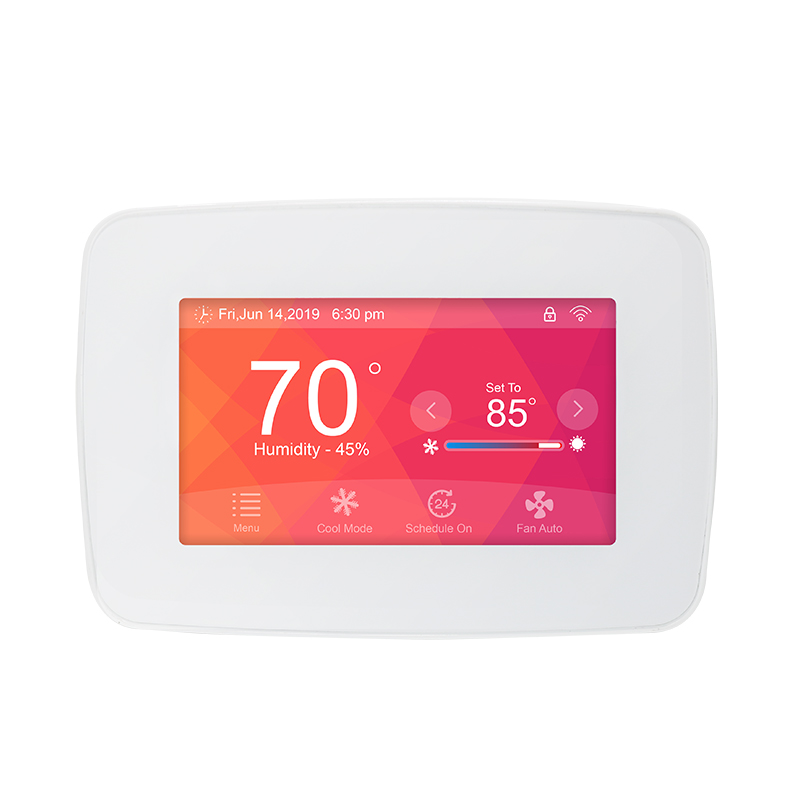
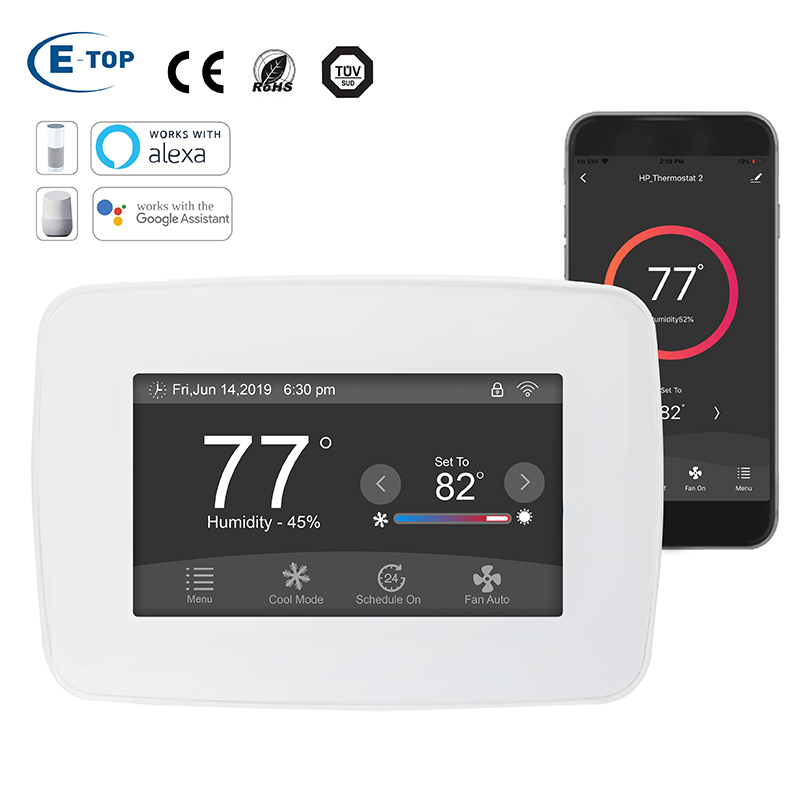
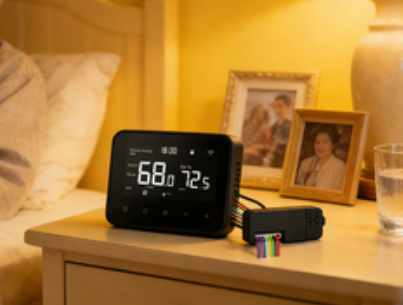
PTAC heat pump systems are widely used in hotels, apartments, dormitories, nursing homes, and office buildings due to their independent control, easy installation, and simple maintenance. Each room is equipped with a separate unit and a corresponding thermostat for independent adjustment and billing. This approach not only improves flexibility but also aids in energy management. However, in actual projects, many people often only focus on selecting the air conditioning unit, neglecting the importance of the thermostat. In fact, the thermostat is the “control center” of the entire system, directly affecting equipment performance, comfort, and energy consumption. An inappropriate thermostat selection may lead to problems such as functional mismatch, unstable control, complex operation, or even malfunction.
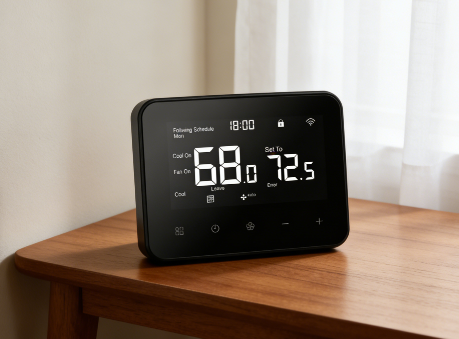
Selecting Based on System Type
The first step in selection is to confirm the type of air conditioning system used. Different systems have different functional requirements for thermostats; incorrect matching can lead to control failure. It is necessary to clarify whether the equipment is a cooling-only system, a heating-only system, or a dual-purpose system with a heat pump. If it is a heat pump system, it is also necessary to confirm whether it includes an auxiliary heating device. Thermostats must support corresponding control logic to achieve normal switching and operation. For example, only thermostats supporting heat pump mode can coordinate the control between cooling, heating, and auxiliary heating. Only when the system type and thermostat function are consistent will subsequent use be smooth.
Focus on Control Levels
After determining system compatibility, the number of control levels on the thermostat should be a key consideration. The more reasonable the number of control levels, the more stable the temperature regulation.It is recommended to choose a model that supports multi-stage heating and multi-stage cooling, such as two-stage heating and two-stage cooling (2H/2C). This tiered control method automatically selects different operating levels based on indoor temperature differences, rather than simply turning all on or off. This maintains temperature stability and reduces frequent compressor starts, thereby reducing energy consumption and equipment wear. Multi-stage control is very practical for locations requiring long-term operation.
Confirm Power Supply and Wiring Methods
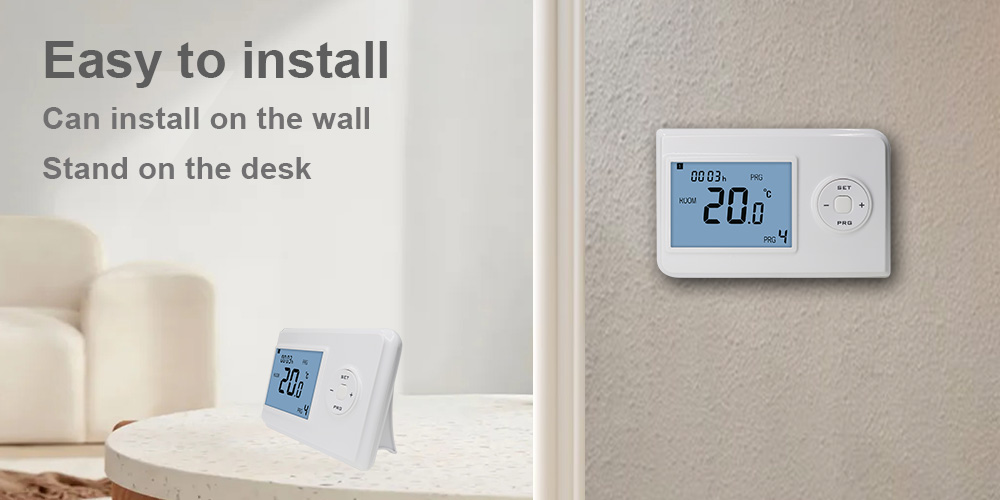
The power supply method and wiring conditions of the thermostat are also crucial considerations during selection. Some models use battery power, while others require a fixed power supply. In commercial or centralized management scenarios, it is recommended to choose a thermostat with a C-line power supply. A more stable and continuous power supply supports features such as always-on screen, wireless connectivity, and smart control, avoiding the hassle of frequent battery replacements. It’s also crucial to confirm in advance that the site has the necessary wiring conditions to ensure smooth installation.
Consider the Installation Environment and Usage Scenarios
Different usage scenarios place different requirements on thermostats. For home use, basic functions are sufficient; however, in hotels, apartments, or dormitories, durable, stable, and easy-to-manage products are more necessary. For example, thermostats in public places should have anti-misoperation designs, limit the temperature adjustment range to avoid energy waste, have durable buttons and casings to withstand high-frequency use, and have clear displays for easy operation by various users. Choosing the appropriate model based on the actual environment can reduce future maintenance work.
Is Smart Functionality Necessary?
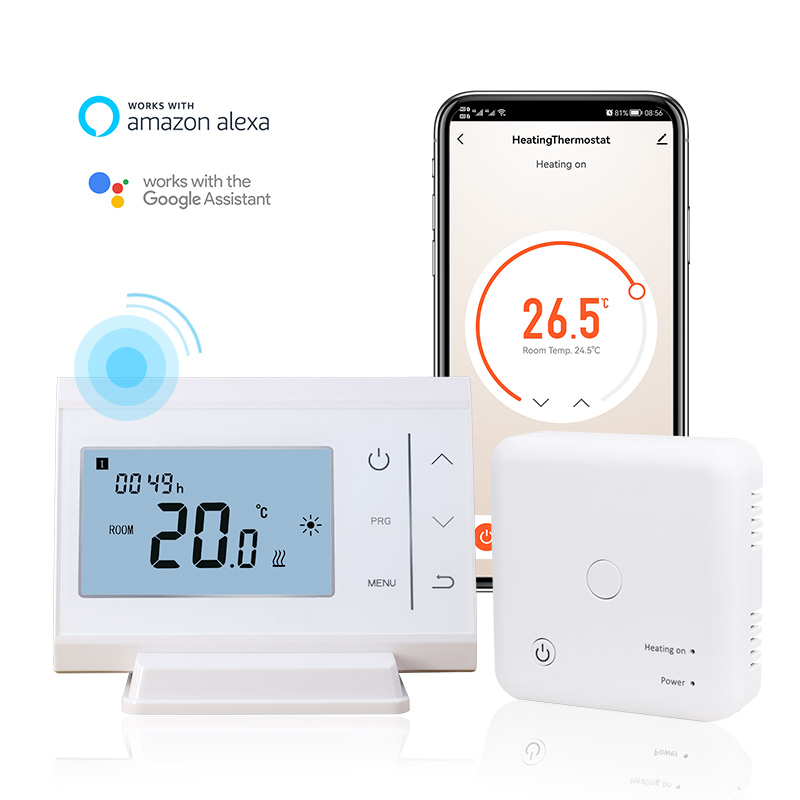
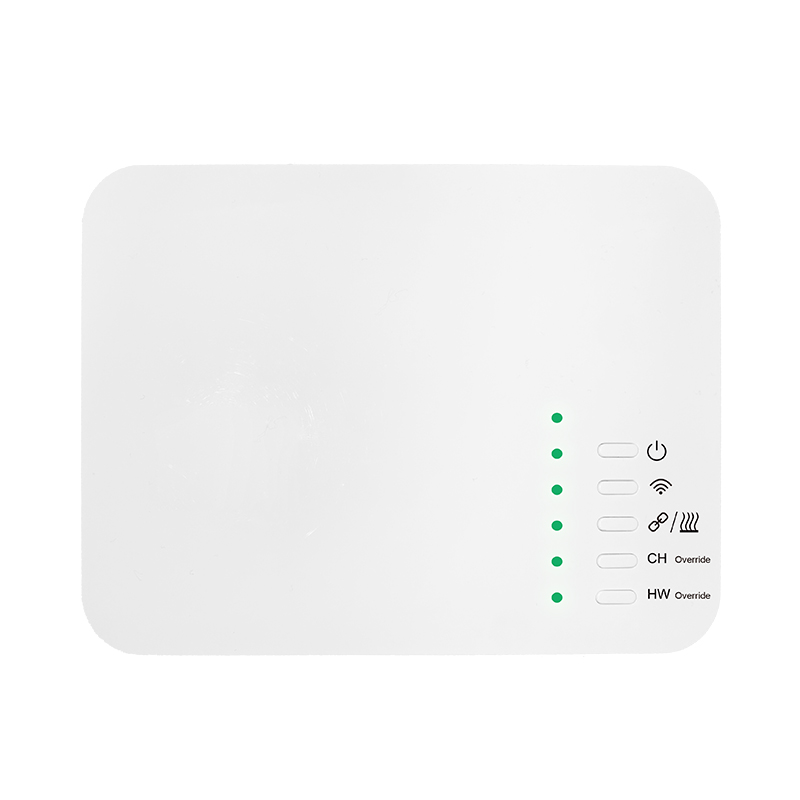
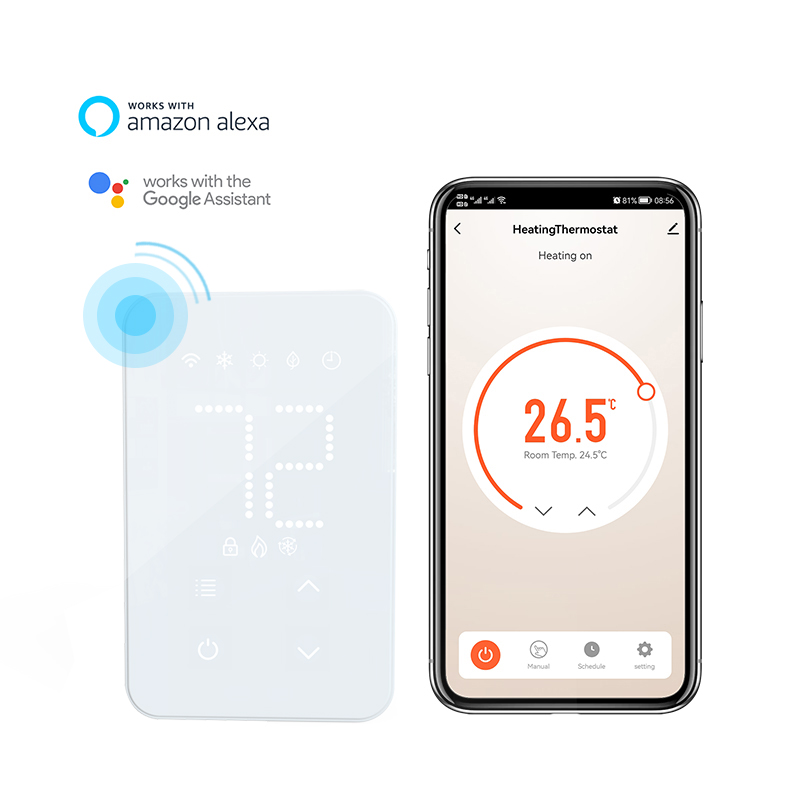
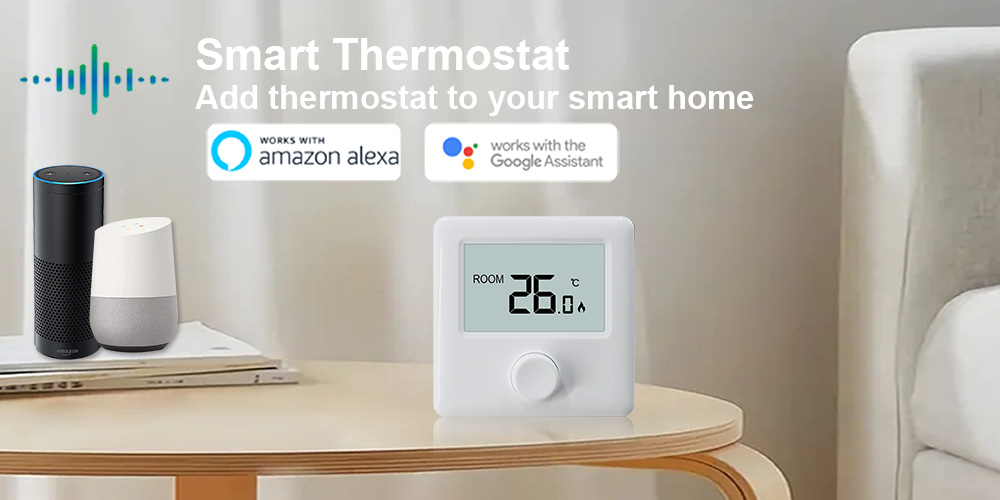
With the development of smart homes and intelligent management, more and more PTAC heat pump thermostats are incorporating Wi-Fi and remote control functions. Users can adjust the temperature via a mobile application or control it via voice assistant. If the project requires remote management, centralized control of multiple rooms, or improved ease of use, a smart thermostat with wireless or network connectivity can be selected. These types of products facilitate unified monitoring of operational status, improving management efficiency. However, for simple, independent use, a basic model can be chosen to reduce costs. Whether intelligent functions are needed should be determined based on actual requirements.
Brand and Stability Considerations
Although thermostats are small, they operate frequently over extended periods, and malfunctions directly impact the room’s user experience. Therefore, product quality and stability are crucial considerations when selecting a model. It is recommended to choose established brands and market-proven models to ensure accurate control and reliable operation. Also, pay attention to after-sales service and technical support for easy maintenance and replacement later. Stable and durable products often save more costs in the long run.
Selecting a PTAC heat pump thermostat requires comprehensive consideration of multiple factors, including system compatibility, control levels, power supply, installation environment, intelligent requirements, and product stability, rather than just appearance or price. Only by choosing the right thermostat can the PTAC heat pump system achieve its intended performance, providing comfort, energy savings, and stable operation. A scientific and reasonable selection approach can reduce future malfunctions and maintenance burdens, improving overall efficiency. Although the thermostat is small, it is a crucial component of the entire system. Taking the selection process seriously is an important foundation for ensuring the normal operation of the air conditioning system.