
In building types requiring extensive guest room management, such as hotels, apartments, dormitories, and retirement communities, energy consumption remains one of the most difficult and easily overlooked aspects of operating costs. Air conditioning and heating equipment often account for 40%–60% of a building’s total electricity consumption. If control methods are rudimentary, even with efficient equipment, significant waste can occur due to issues like prolonged idling, continuous operation in unoccupied rooms, and extreme temperature settings. Therefore, the true determinant of energy consumption is not solely compressor performance or cooling capacity, but rather the sophistication of the control system.
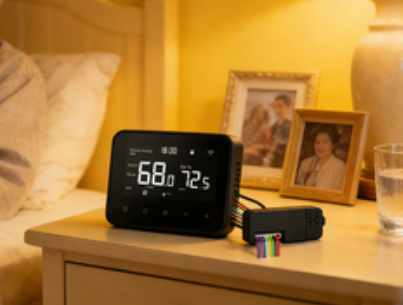
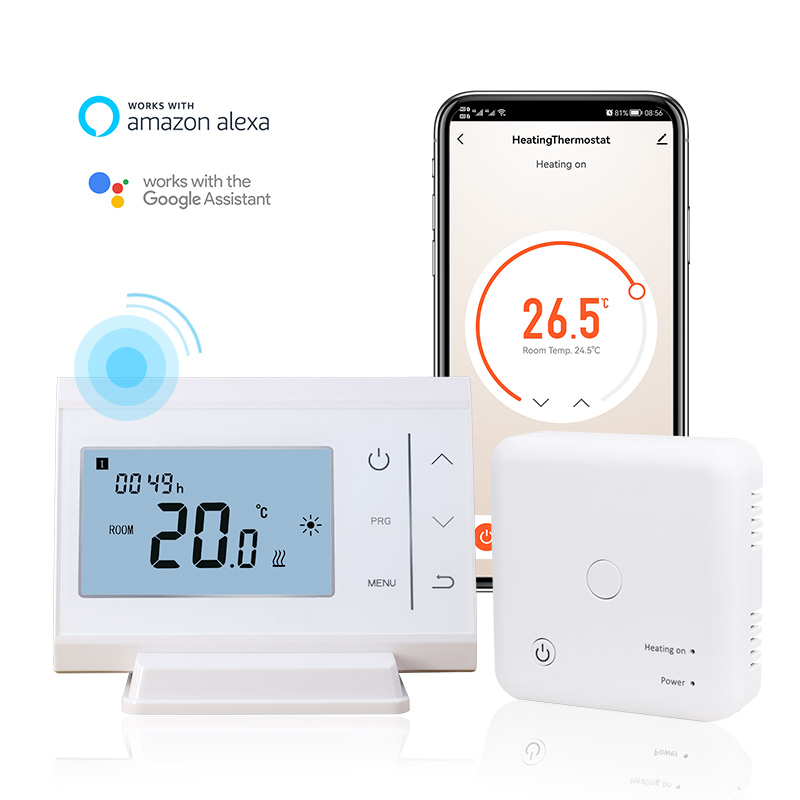
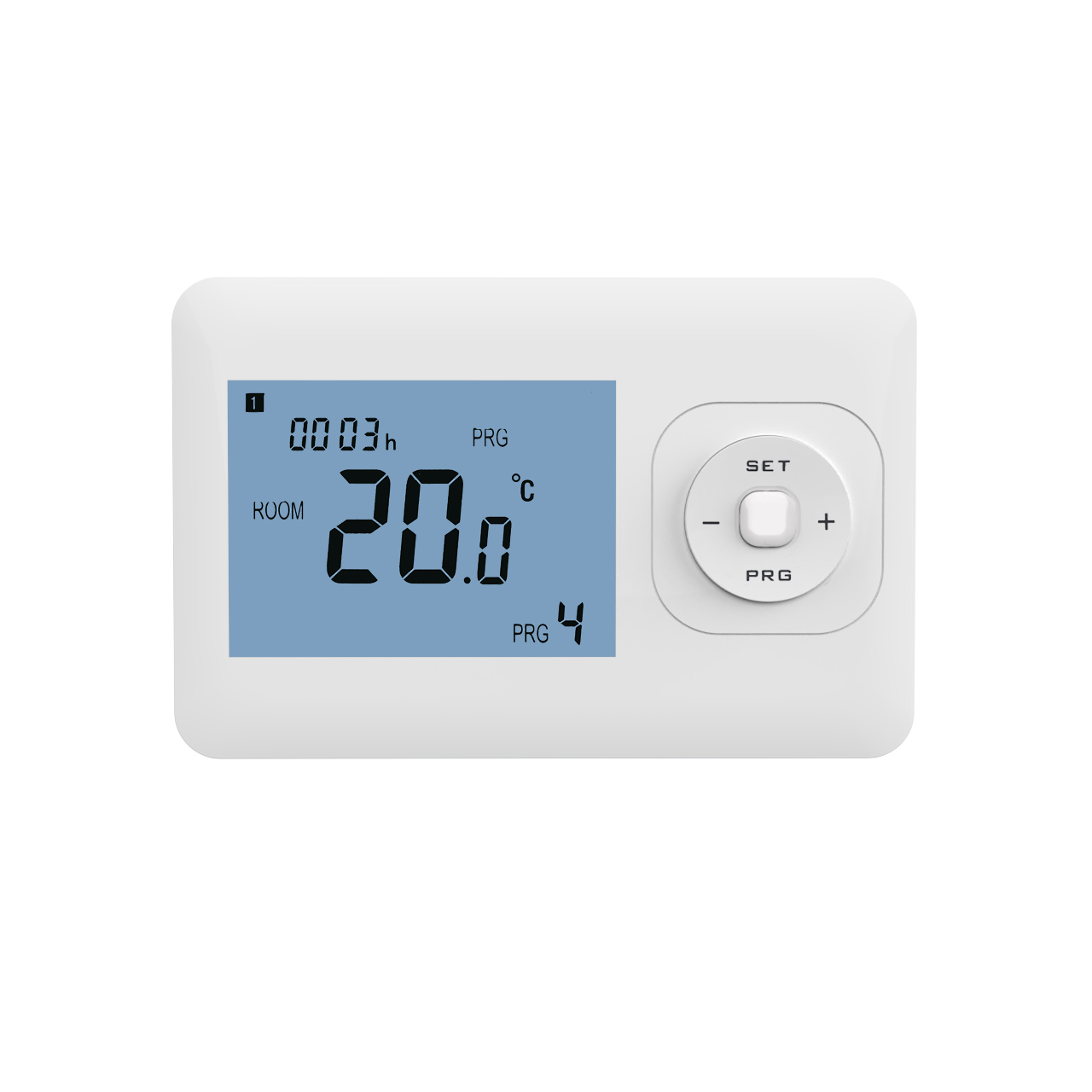
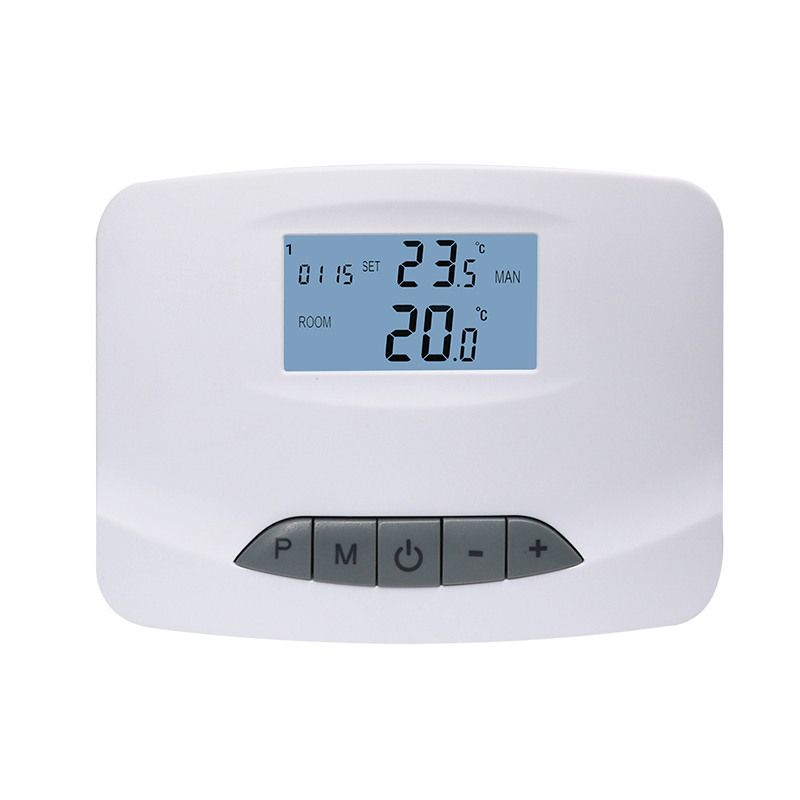
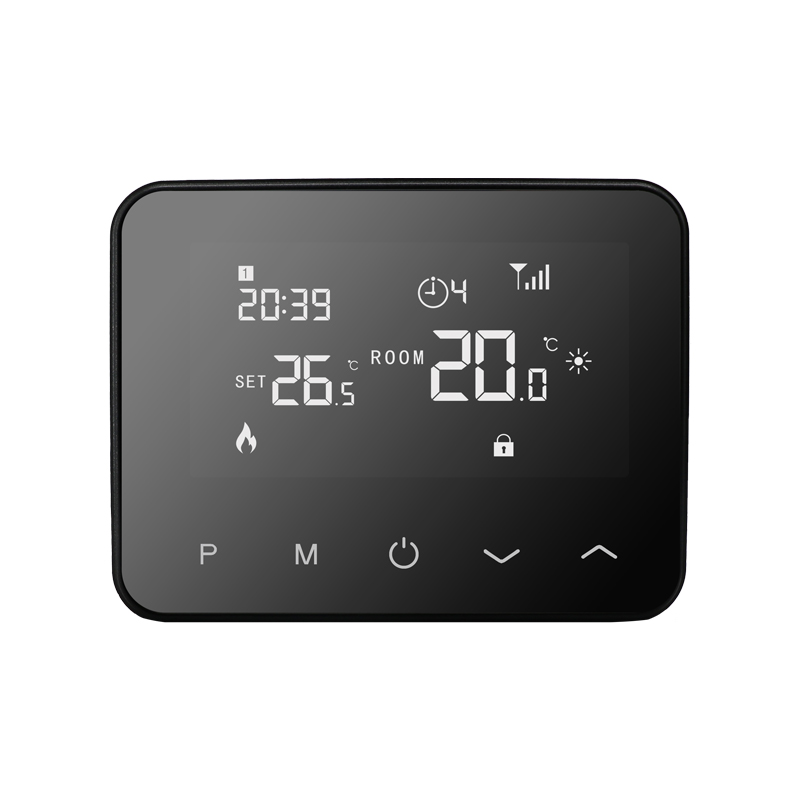
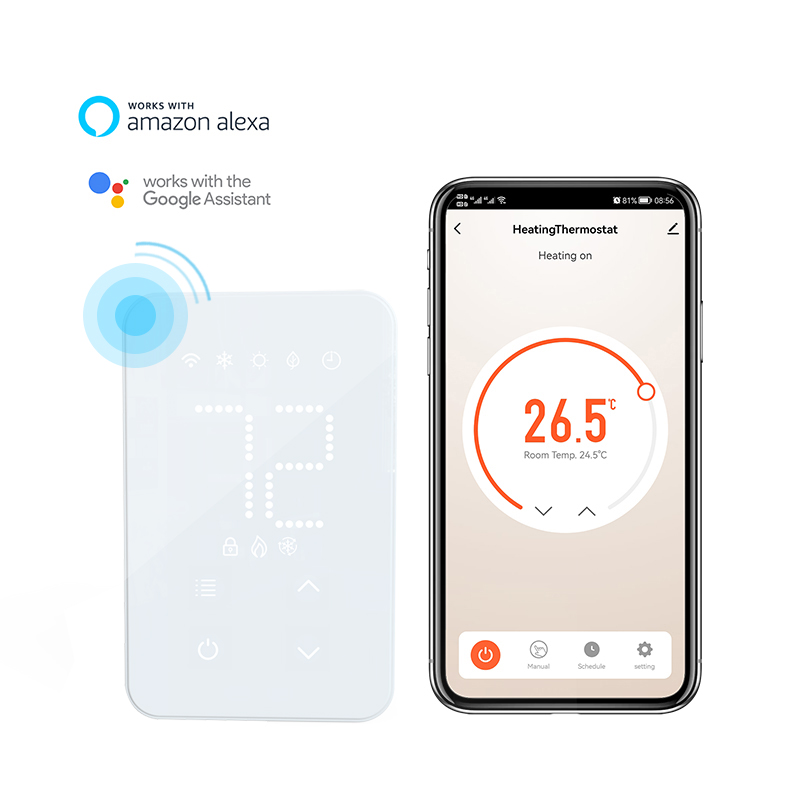
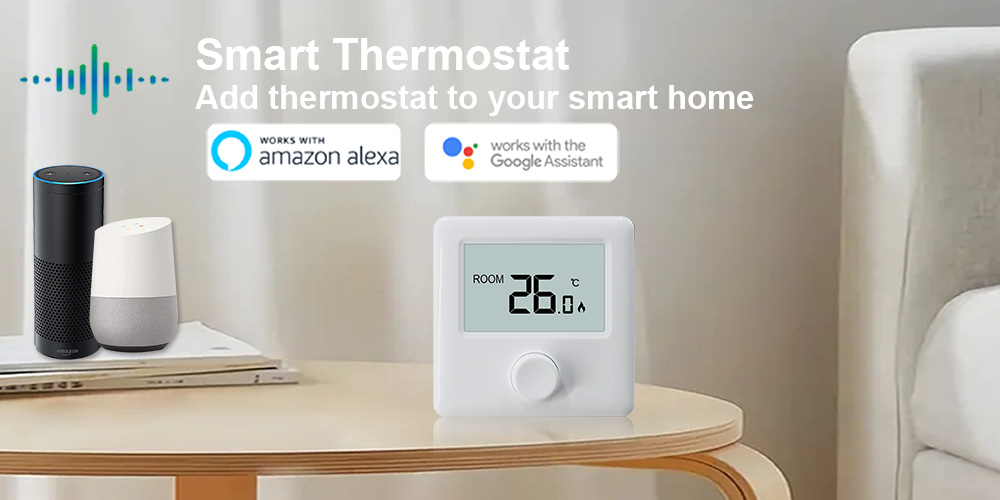
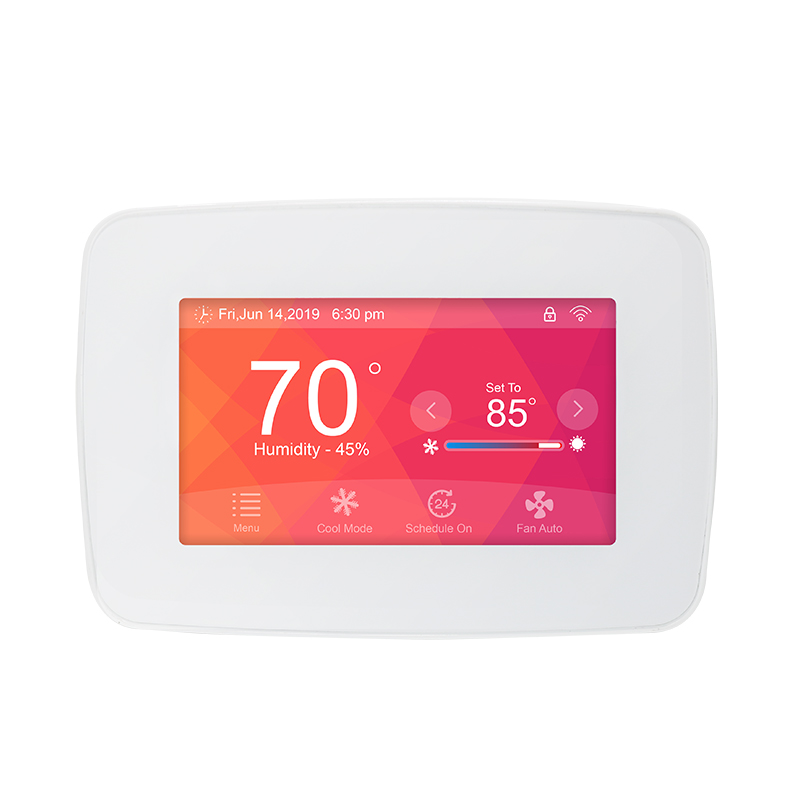
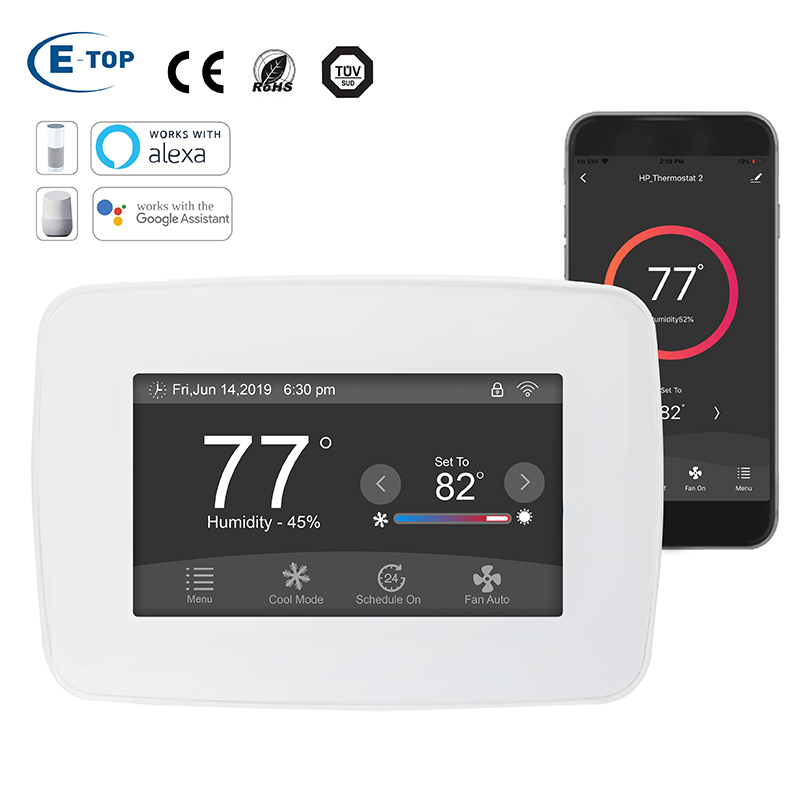
Against this backdrop, more and more managers are recognizing the importance of PTAC heat pump thermostats. It’s not just a simple temperature control panel, but rather a room-level energy management terminal. By independently controlling each guest room’s start/stop, temperature limits, status feedback, and backend coordination, hotels can shift from “building-wide operation” to “on-demand operation,” significantly reducing ineffective energy consumption. Compared to the traditional centralized air conditioning control model, PTAC heat pump thermostats offer advantages in finer granularity, faster response, and less waste.
Independent Control
Traditional central heating systems typically operate an entire floor or area simultaneously when turned on. Even if only a few rooms are occupied, the remaining empty rooms passively consume cooling or heating.
PTAC systems are characterized by “one unit per room, one control per unit”:
· Individual on/off switch for each room
· Individual temperature settings
· No mutual interference.
This reduces the granularity of energy use from “large area” to “single room.” Only the space actually in use consumes electricity, naturally reducing large-scale ineffective operation.
Energy Saving When Unoccupied: Automatic Standby Mechanism
Much energy waste stems from a simple problem: the air conditioning is still running when guests are not present.
PTAC thermostats typically support:
· Door card-linked power off
· Human presence detection standby
· Timed shutdown
· Low-power heat preservation mode
When a room is unoccupied, the system automatically enters energy-saving mode, maintaining only the base temperature instead of running at full load. This “shut down when people leave” operating principle can significantly reduce energy consumption in vacant rooms, especially effective for hotels with fluctuating occupancy rates.
Temperature Limitation: Preventing Extreme Energy Consumption
Some guests habitually set the temperature to the lowest or highest setting, such as 16℃ in summer and 30℃ in winter. Such extreme settings cause the compressor to operate at full load for extended periods, leading to a rapid increase in electricity bills.
PTAC thermostats allow for remote setting of:
·Minimum cooling temperature
·Maximum heating temperature
·Comfortable range
Managers can lock the range within an energy-saving zone, such as 24-26℃.
This ensures comfort while avoiding unnecessary high energy consumption.
From a management perspective, this is one of the most direct and effective energy-saving methods.
Heat Pump Efficiency
Compared to traditional electric heating, the core advantage of heat pumps lies in “transferring heat” rather than “generating heat.”
Electric heating: 1 kWh ≈ 1 unit of heat
Heat pump: 1 kWh ≈ 3-4 units of heat
This means that during winter heating, a PTAC heat pump can achieve the same effect with less electricity. When a hotel has hundreds of rooms, this efficiency difference is amplified, resulting in significant long-term energy cost savings.
Individual Room Metering
Precise management relies heavily on data support.Many PTAC thermostats can be integrated into management systems to achieve:
·Individual room electricity consumption statistics
·Usage time recording
·Operational status feedback
·Anomaly alarms
Management personnel can clearly see which rooms consume high electricity and which equipment is malfunctioning, allowing for timely optimization or maintenance. With data, energy saving no longer relies on experience but can be quantified for decision-making.
Reducing Centralized Losses
Central air conditioning has a hidden problem: pipeline transportation losses.
Cooling or heating energy is gradually lost during long-distance transmission, requiring pumps and fans to operate continuously, which itself consumes a significant amount of electricity.
PTAC is installed directly on the exterior wall of the room:
·No long ducts
·No large pumps
·No centralized air ducts
Cooling and heating are generated and used locally, reducing energy losses in intermediate links and structurally improving overall energy efficiency.
How to Reduce Hidden Energy Consumption?
Equipment aging or malfunctions can also lead to increased energy consumption, such as decreased compressor efficiency, clogged filters, and insufficient airflow.
The advantages of PTAC (Personalized Thermal Accelerator) are:
·Simple maintenance
·Quick replacement in case of failure
·Independent maintenance for individual units.
When the efficiency of a single unit decreases, it can be addressed promptly without affecting the entire system. Maintaining continuous high-efficiency operation is itself a long-term energy-saving method.
From an overall operational perspective, the significance of PTAC thermostats for energy management lies not only in improved equipment efficiency but also in changing energy usage patterns through “decentralized control.” It breaks down the previously extensive centralized cooling and heating system into independently manageable units, allowing every kilowatt-hour of electricity to more effectively serve actual needs. For businesses like hotels with a large number of rooms and fluctuating occupancy rates, the advantages of this refined control are particularly evident: empty rooms consume no electricity, staff are available to operate the system, temperatures are not excessive, and equipment efficiency is high, reducing energy waste from multiple levels.
At the same time, the data feedback and back-end management capabilities provided by the thermostat upgrade energy management from experience-based judgment to visualized decision-making. Managers can monitor the operating status in real time, promptly identify anomalies, and prevent the long-term accumulation of hidden losses. Furthermore, the higher heating efficiency of heat pumps themselves and the reduced transmission losses from localized cooling and heating systems create a complete energy-saving closed loop in actual operation. Therefore, the heat pump PTAC thermostat is not simply a temperature control tool, but a key node in the building energy-saving system. Through independent control and precise management of each room, it helps operators effectively reduce overall electricity costs, improve energy utilization, and achieve more stable and controllable energy consumption.