
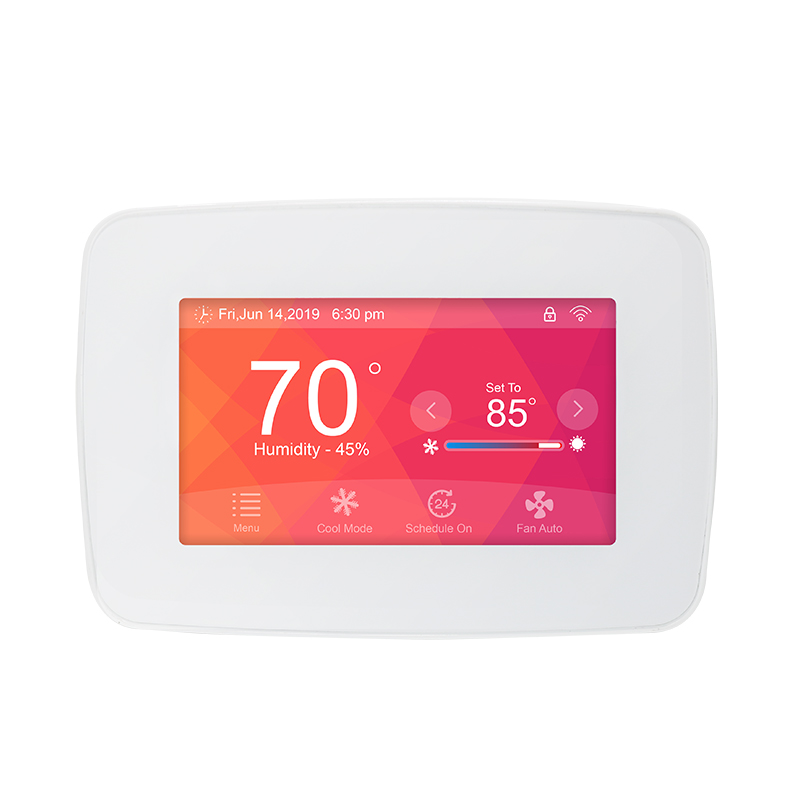
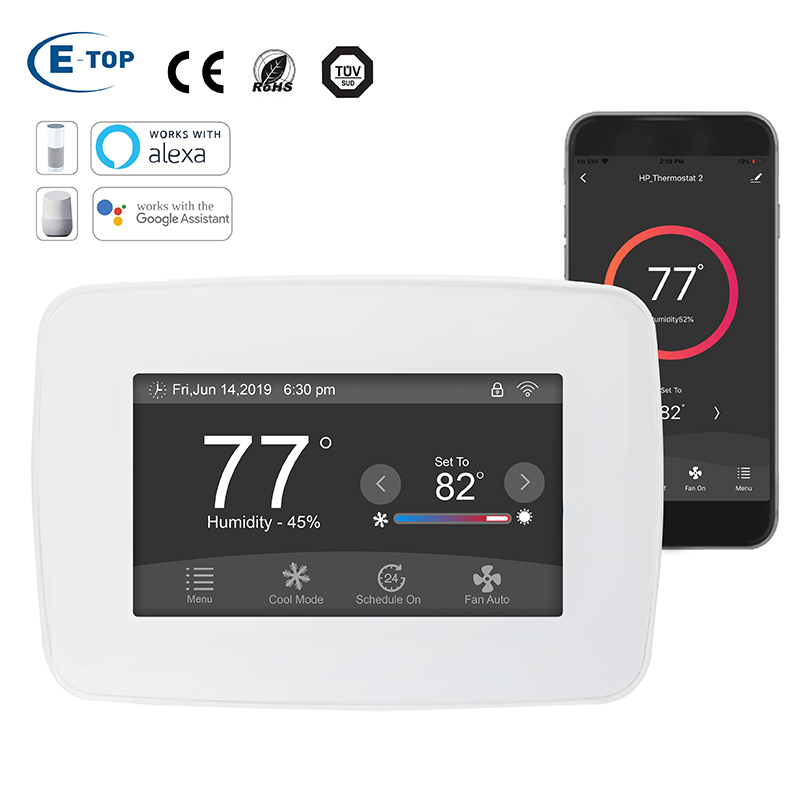
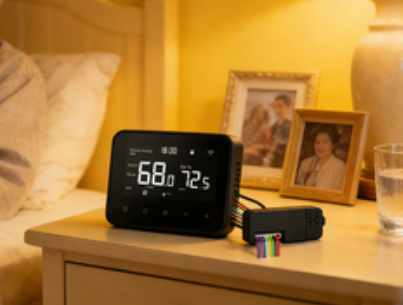
With the continuous improvement of building energy-efficiency standards and rising expectations for indoor comfort, plug-in thermostats are being adopted more widely in residential, commercial, and engineering projects. Compared with traditional mechanical or basic temperature control devices, plug-in thermostats have made significant progress in control accuracy, functional integration, and user experience. Their development direction has also become increasingly clear.
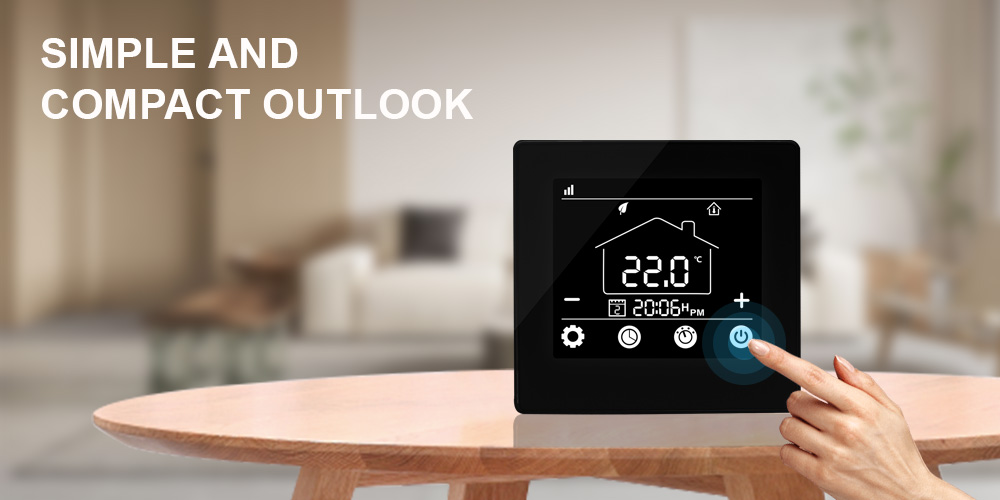
Continuous Improvement in Temperature Control Accuracy
Early plug-in thermostats mainly met basic on/off control requirements and offered limited ability to manage temperature fluctuations. In recent years, advances in sensor technology and control algorithms have enabled much more accurate temperature detection and regulation. Improved temperature stability not only enhances indoor comfort but also reduces frequent equipment cycling, helping lower energy consumption and extend system service life.
Digitalization and Intelligence as Mainstream Trends
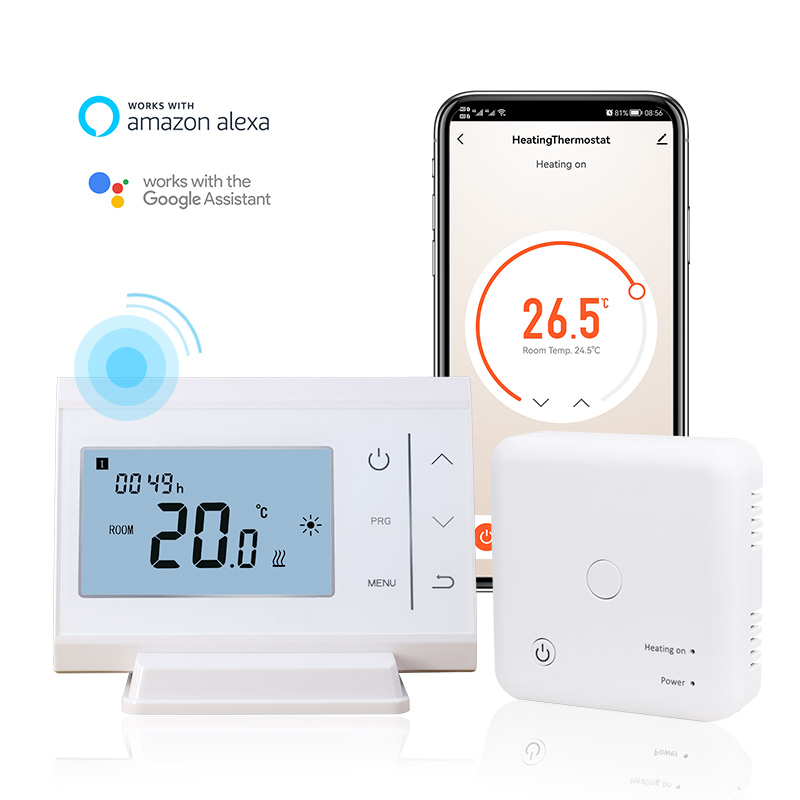
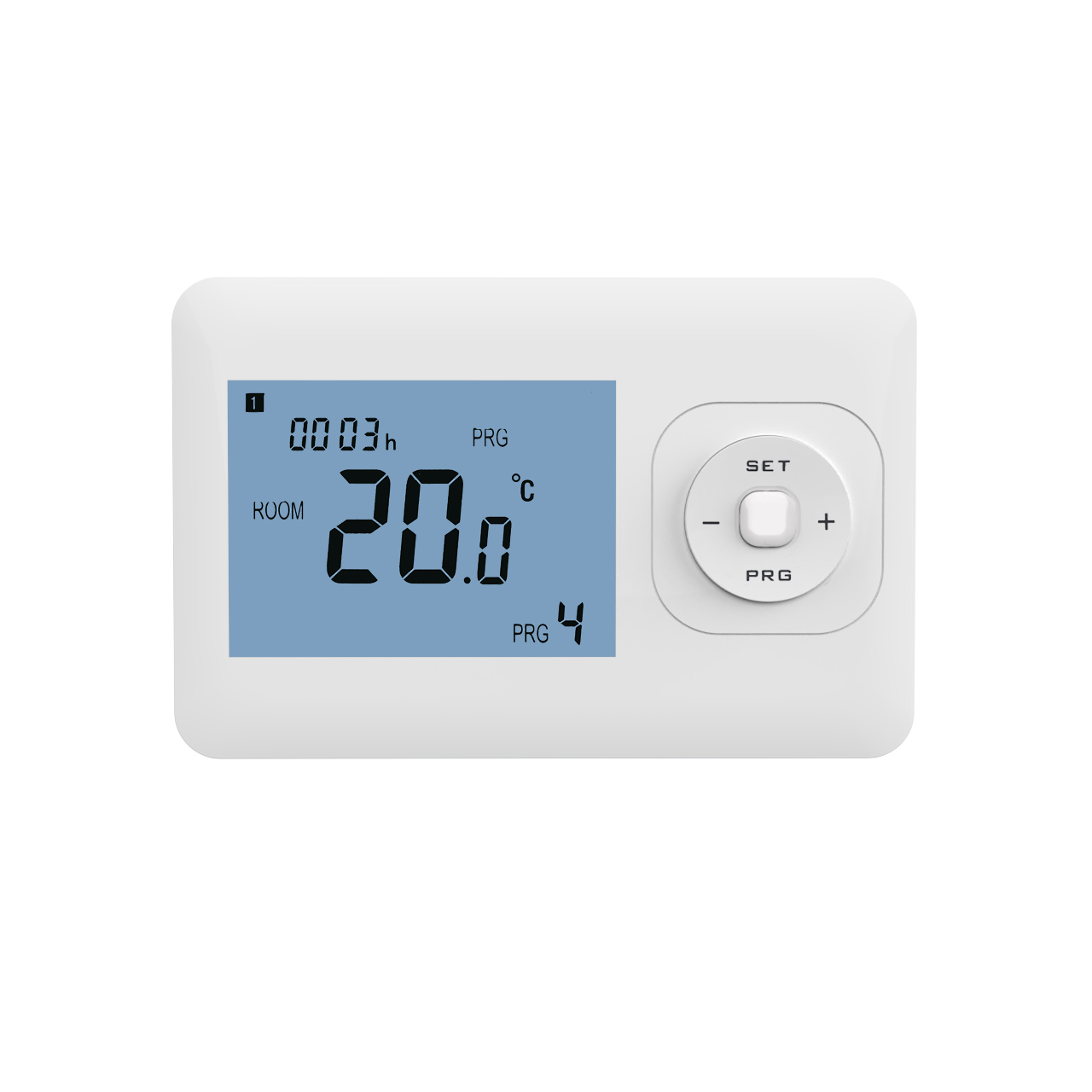
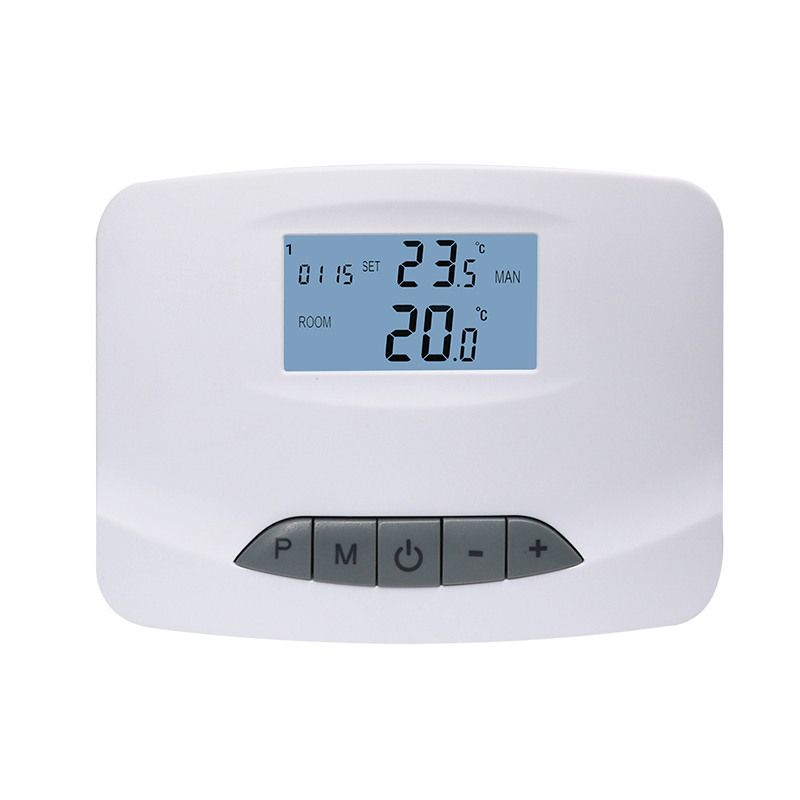
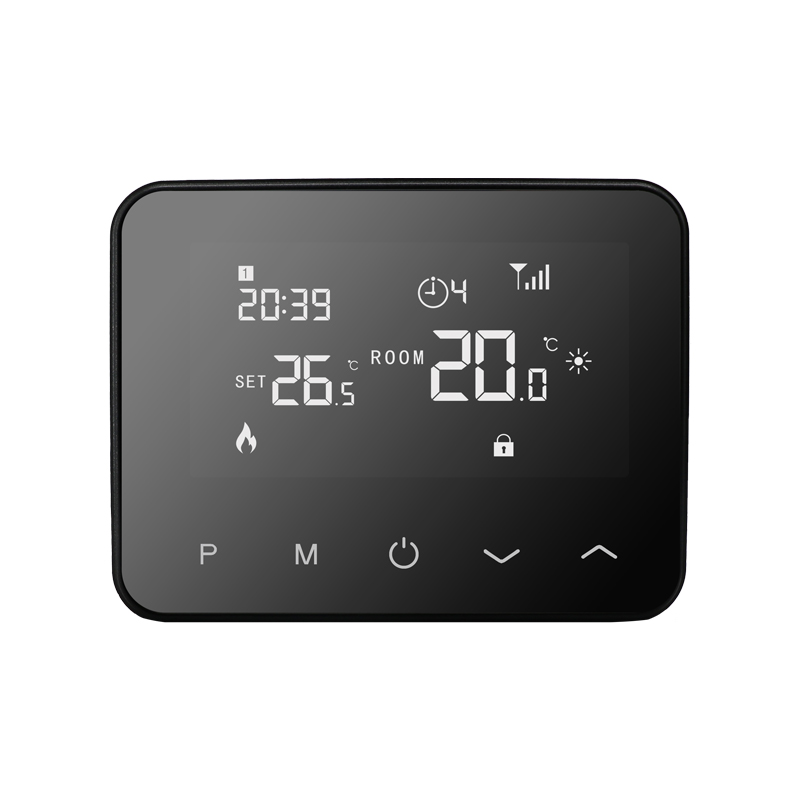
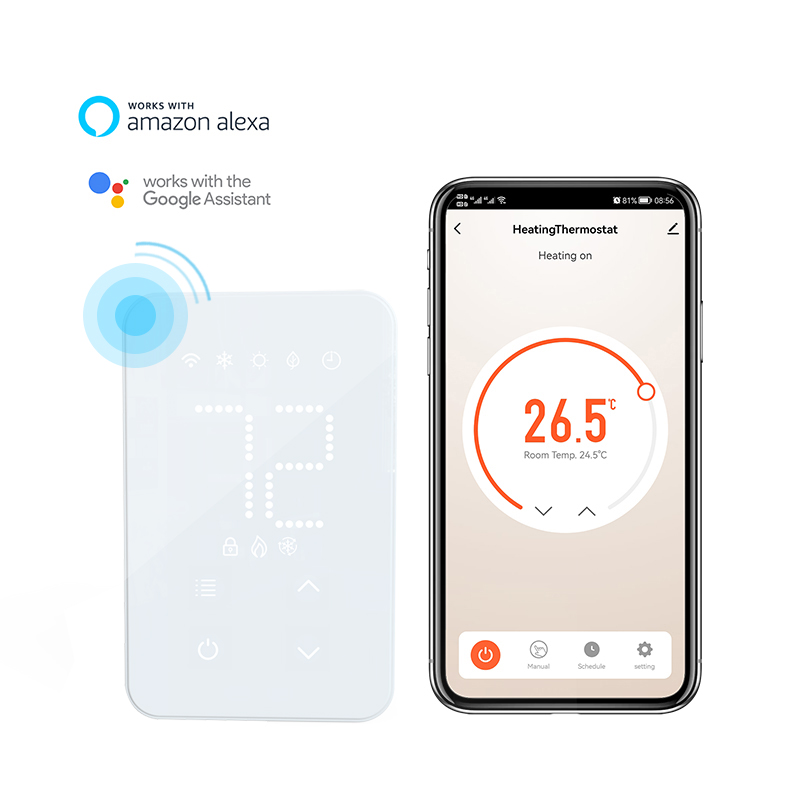
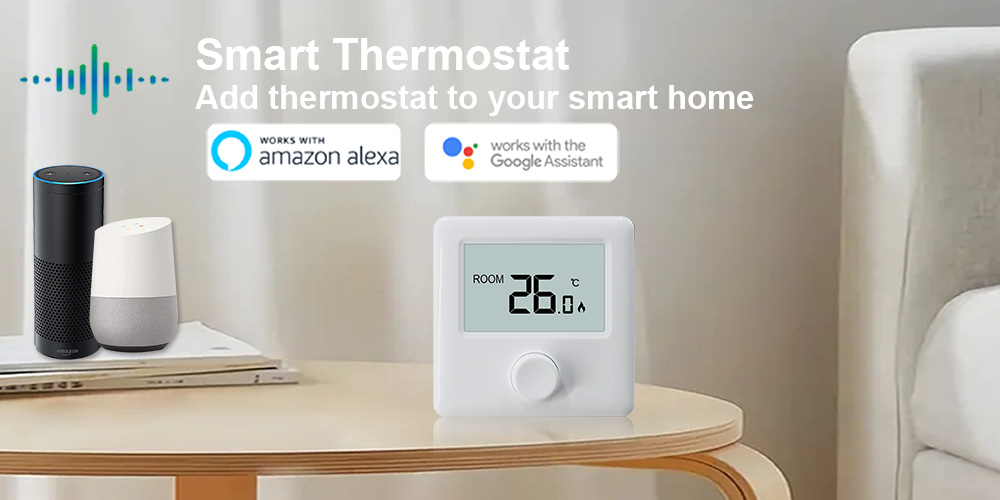
Plug-in thermostats are gradually evolving from simple control devices into intelligent terminals. Digital displays, touch interfaces, and visualized parameters have become standard features. Some models now support scheduling, operating-mode switching, and basic self-learning functions, allowing temperature control logic to better reflect real usage patterns. This trend improves usability while creating more opportunities for system optimization.
Enhanced Compatibility with HVAC Systems
In engineering applications, plug-in thermostats must work with various HVAC systems, including fan coil units, electric floor heating, and zoned heating solutions. One notable trend is the growing emphasis on compatibility with multiple system types, control methods, and operating modes. Improved compatibility simplifies product selection and installation, which is especially valuable for contractors and system integrators.
Stronger Focus on Energy Efficiency
Energy efficiency has become a core design objective for plug-in thermostats. By optimizing control logic and operating strategies, thermostats can reduce unnecessary energy use while maintaining comfort. Some products now emphasize time-based control, standby power optimization, and the use of operational data to support long-term energy savings. This trend is particularly significant in commercial buildings and public facilities.
Gradual Enhancement of Communication and Centralized Control Capabilities
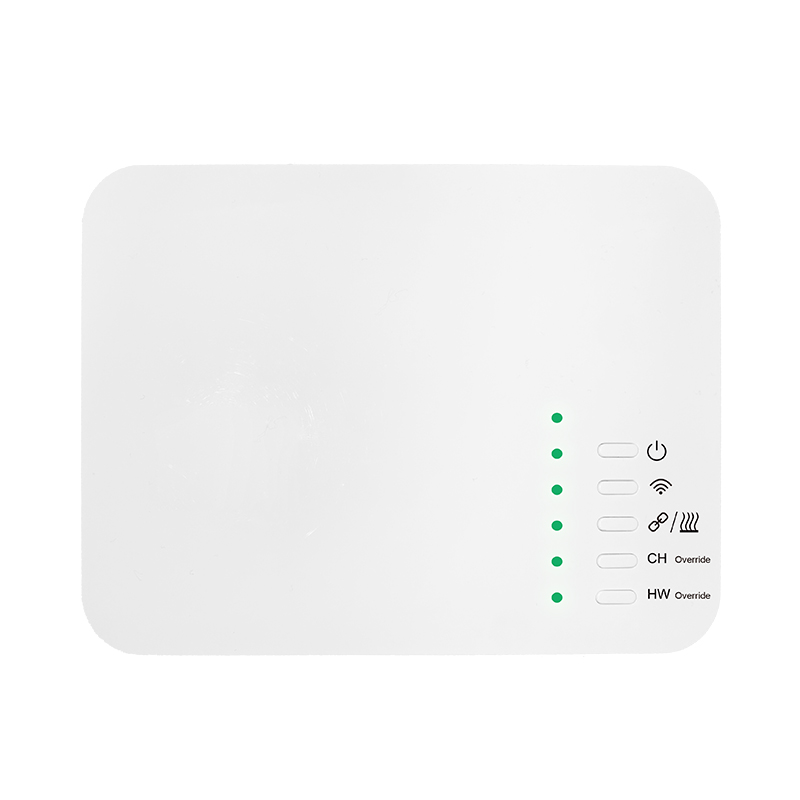
As demand for building automation and centralized management increases, plug-in thermostats are increasingly designed to support networking and centralized control. Certain models now include basic communication interfaces that allow integration into centralized management systems, enabling unified monitoring and control across multiple zones. As a result, thermostats are becoming integral components of broader building control systems rather than standalone devices.
Greater Emphasis on User Experience and Reliability
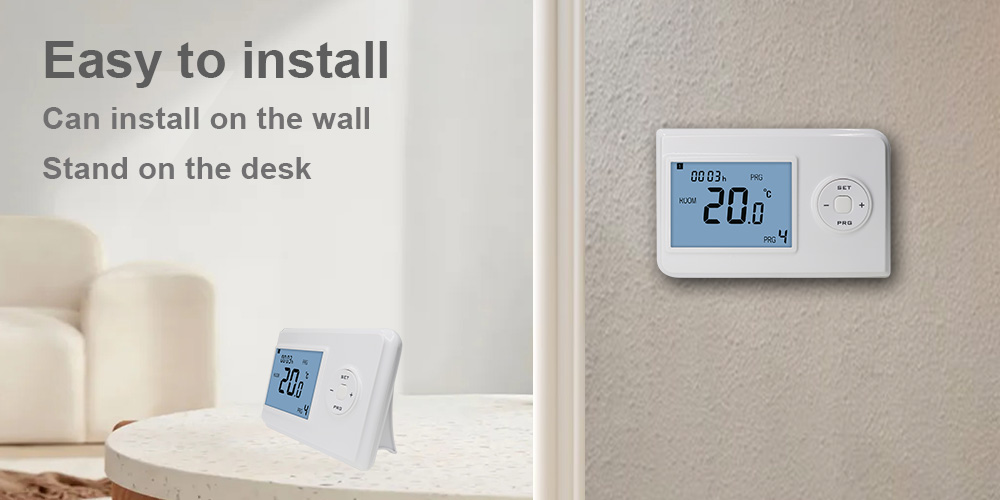
Design optimization is another clear trend in plug-in thermostats. Cleaner interfaces, more intuitive operation, and improved structural reliability are key directions for product development. At the same time, durability and long-term stability remain top priorities, especially in continuous-operation and demanding environments, where reliability directly affects performance and market acceptance.
Conclusion: Clear Trends and Expanding Application Prospects
Overall, plug-in thermostats are evolving toward higher accuracy, greater intelligence, improved energy efficiency, and deeper system integration. Their functionality and value continue to grow across both residential and engineering applications. As technology matures and use cases expand, plug-in thermostats are expected to play an increasingly important role in future building climate control systems.