






In the cold winter, the stability and comfort of the heating system directly affect our quality of life. While traditional radiator thermostatic valves can achieve basic temperature control, they have significant shortcomings in terms of intelligence and convenience. With the rapid development of IoT technology, wireless radiator thermostatic valves, with their advantages of remote control and precise adjustment, are gradually becoming the first choice for modern home heating upgrades. So, what exactly makes wireless radiator thermostatic valves so “good”? Can they truly solve the pain points of traditional valves? This article will provide an in-depth analysis.
Limitations of Traditional Thermostatic Valves: Why the Need for Upgrades?
Traditional radiator thermostatic valves are mostly mechanical designs, relying on a thermostat to sense temperature changes and adjust the flow rate by expanding or contracting the valve core. While this structure is simple and reliable, it has two major problems: First, limited adjustment accuracy. The thermostat’s response speed is slow and easily affected by ambient temperature, leading to large fluctuations in room temperature; second, limited functionality. They only support basic temperature settings and cannot achieve time-based or zone-based control, let alone remote operation. For example, traditional valves are clearly inadequate if users want to turn on the heating before leaving get off work or adjust the temperature according to different room usage habits. Furthermore, in older heating systems, the hydraulic balance problem of traditional valves is also prominent, easily causing a temperature difference where “nearby rooms are hotter than far rooms.”
Breakthrough of Wireless Thermostatic Valves: A Perfect Fusion of Intelligence and Convenience
The advent of wireless thermostatic valves for radiators has completely revolutionized traditional temperature control. Its core advantages are reflected in three main aspects:
I.Remote Control, Flexible Operation
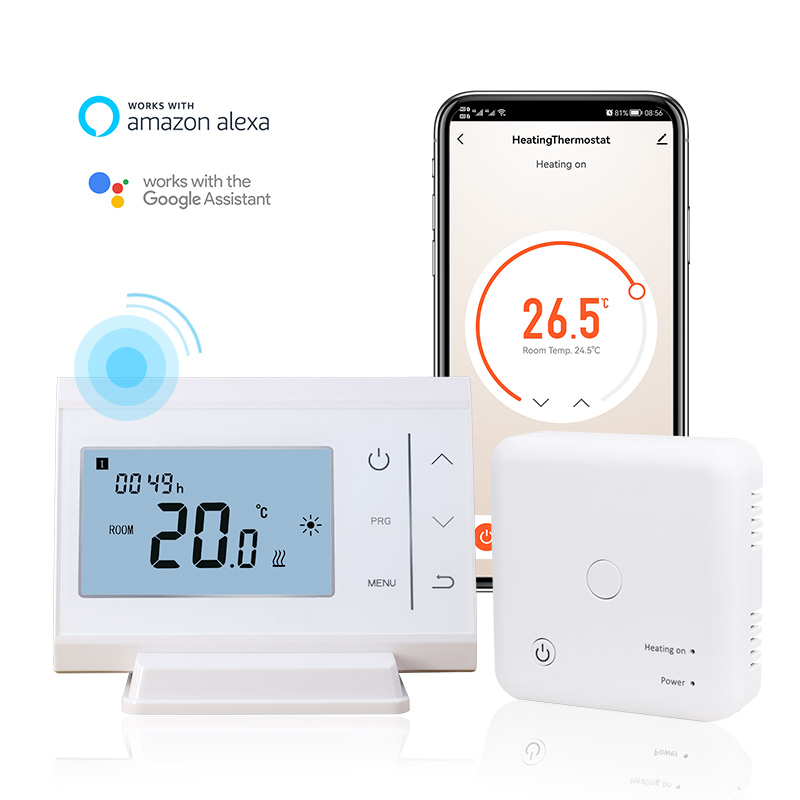
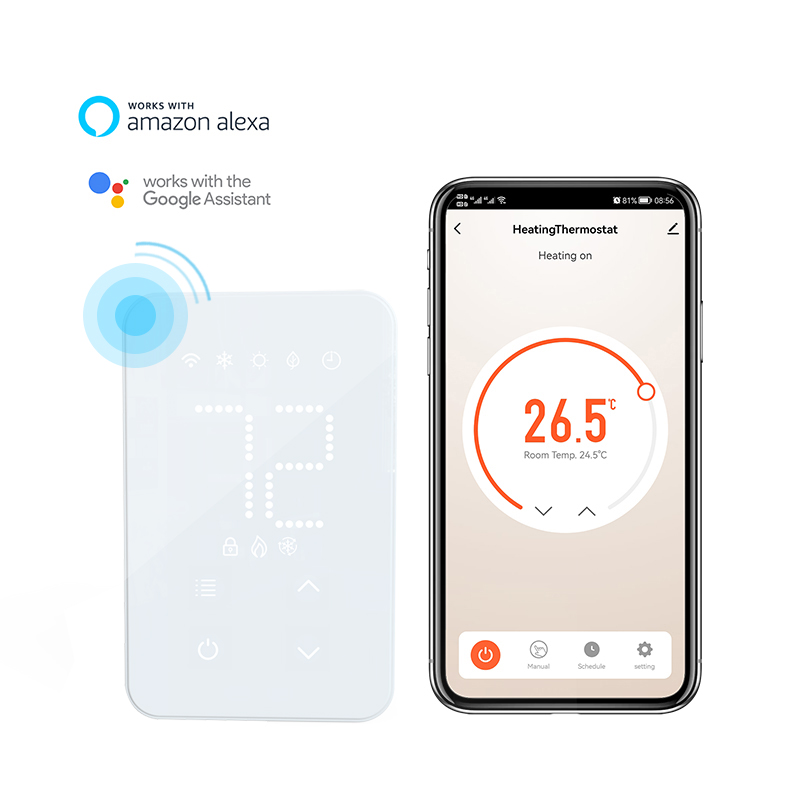
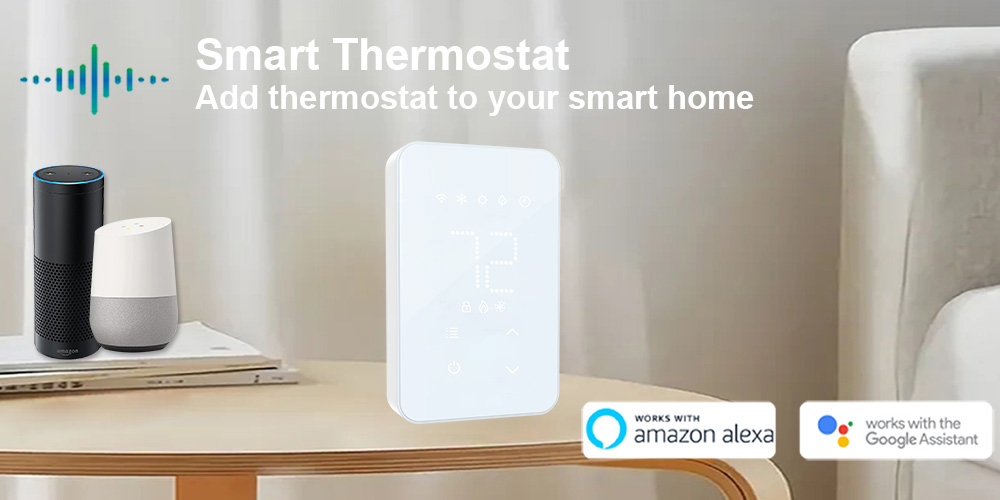
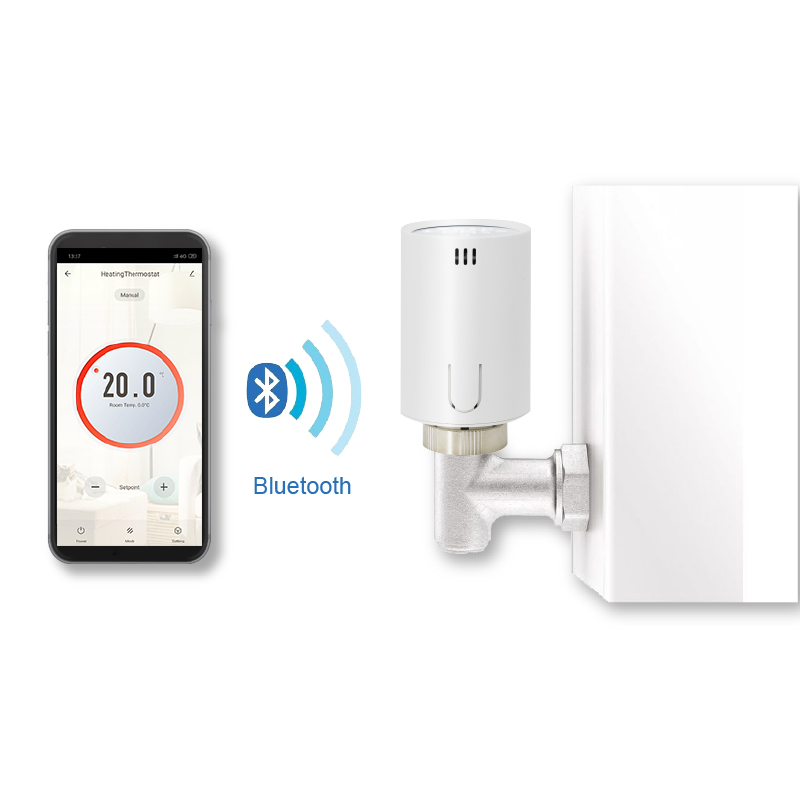
Through a built-in wireless module (such as Wi-Fi, Zigbee, etc.), users can remotely adjust the valve opening via a mobile app or smart speaker. Whether it’s preheating the room, temporarily adjusting the temperature, or checking real-time energy consumption data, it can all be done with a single click. For example, commuters can turn on the living room heating via the app on their way home, enjoying warmth upon arrival; they can also remotely close the valve while traveling, avoiding energy waste.
II. Precise Adjustment, Enhanced Comfort
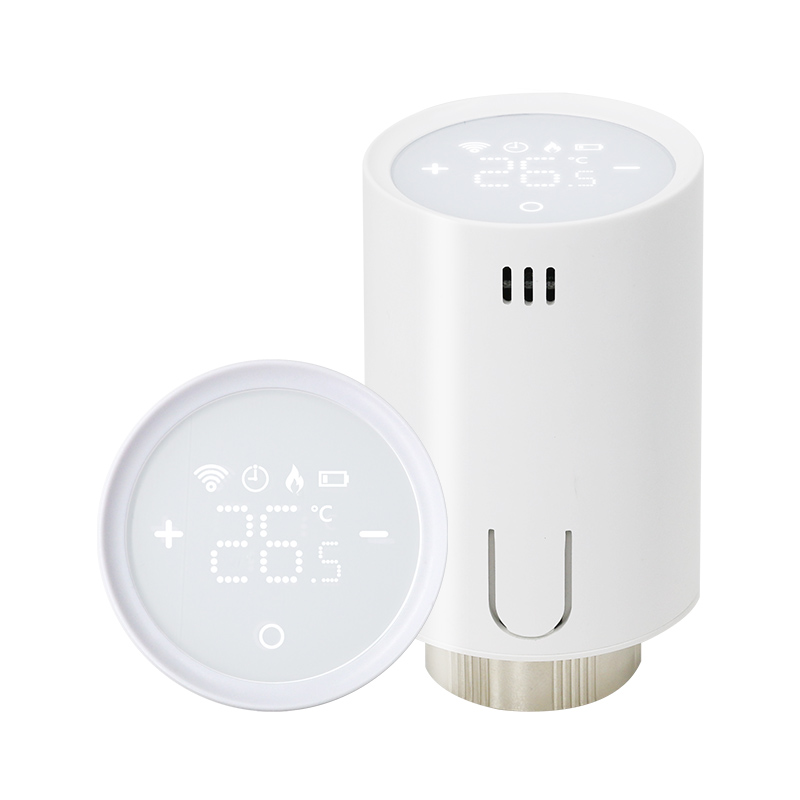
The wireless valve is equipped with a high-precision temperature sensor and intelligent algorithms, which can monitor room temperature in real time and dynamically adjust the flow rate. Its temperature fluctuation range (i.e., the adjustment range of temperature fluctuation) is typically controlled within 0.5℃-1.0℃, far superior to the 1.5℃-2.0℃ range of traditional valves, effectively avoiding the discomfort of sudden temperature changes. Furthermore, some models support a “self-learning” function, automatically optimizing the temperature control strategy based on user habits to further enhance comfort.
III. Time-based and Zoned Control, Energy Efficient
The wireless system supports independent control of multiple rooms, allowing users to set personalized temperature programs for different areas. For example, the bedroom can be set to 18℃ at night, while the living room is kept at 22℃ during the day, meeting needs while reducing energy consumption. Statistics show that adopting time-based and zoned control can reduce household heating energy consumption by 15%-30%. Simultaneously, wireless valves can be linked with smart boilers and circulating pumps, adjusting the system’s operating status according to actual needs to further unlock energy-saving potential.
Installation and Compatibility: Worry-free Installation for Older Homes
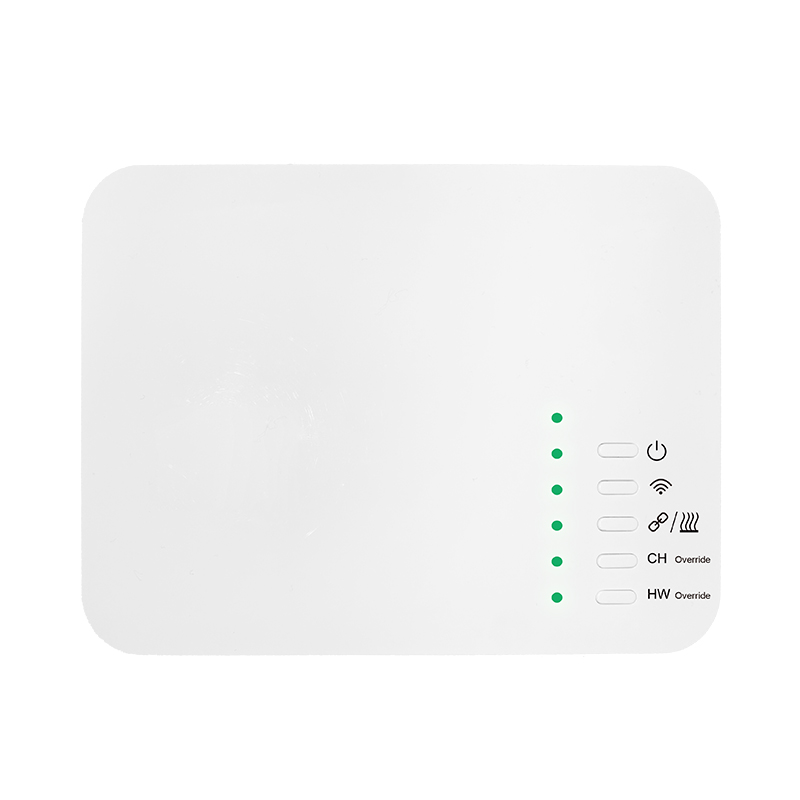
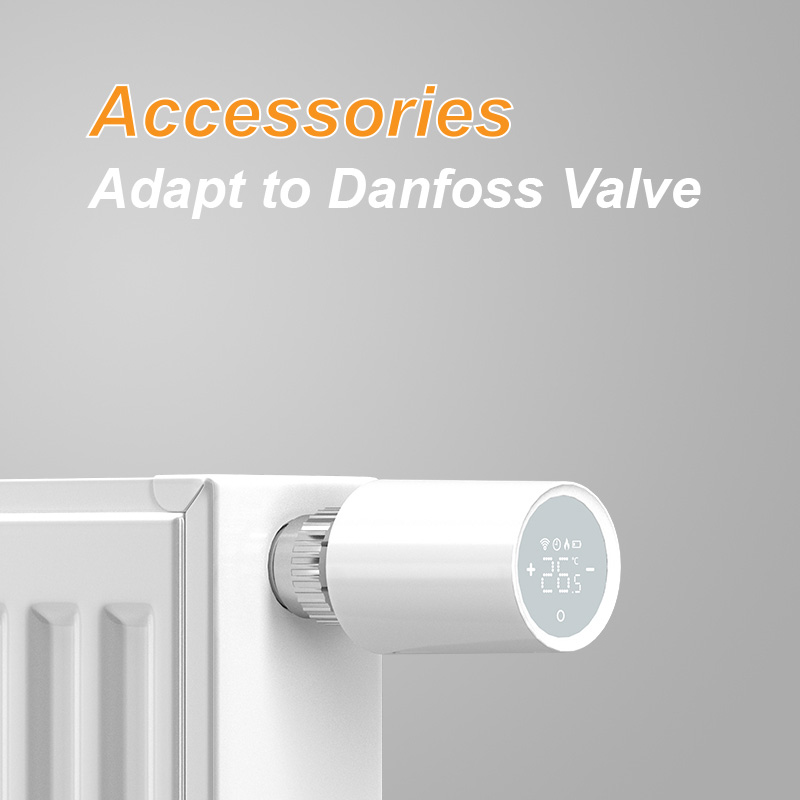
Many users worry about the complexity of wireless valve installation or incompatibility with older systems. In fact, modern wireless thermostatic valves are designed with this in mind: firstly, installation is simple. Most models use standard interfaces, allowing direct replacement of traditional valves without pipe modifications; secondly, they offer strong compatibility, supporting multiple voltages such as 24V and 220V, and adapting to common heating systems including dual-pipe and single-pipe systems with bypass pipes; thirdly, they offer flexible expansion. Through a gateway device, they can easily connect to smart home platforms, linking with devices such as smart curtains and air purifiers to create a whole-house smart ecosystem.
Wireless thermostatic radiator valves are not only an upgraded version of traditional valves, but also a key entry point for intelligent heating systems. With core advantages such as remote control, precise adjustment, and energy efficiency, they redefine winter home comfort. For modern families pursuing a quality lifestyle, choosing a wireless thermostatic valve is not only choosing a more convenient temperature control method, but also choosing a smarter and more environmentally friendly lifestyle. This winter, let wireless technology safeguard your warmth!