


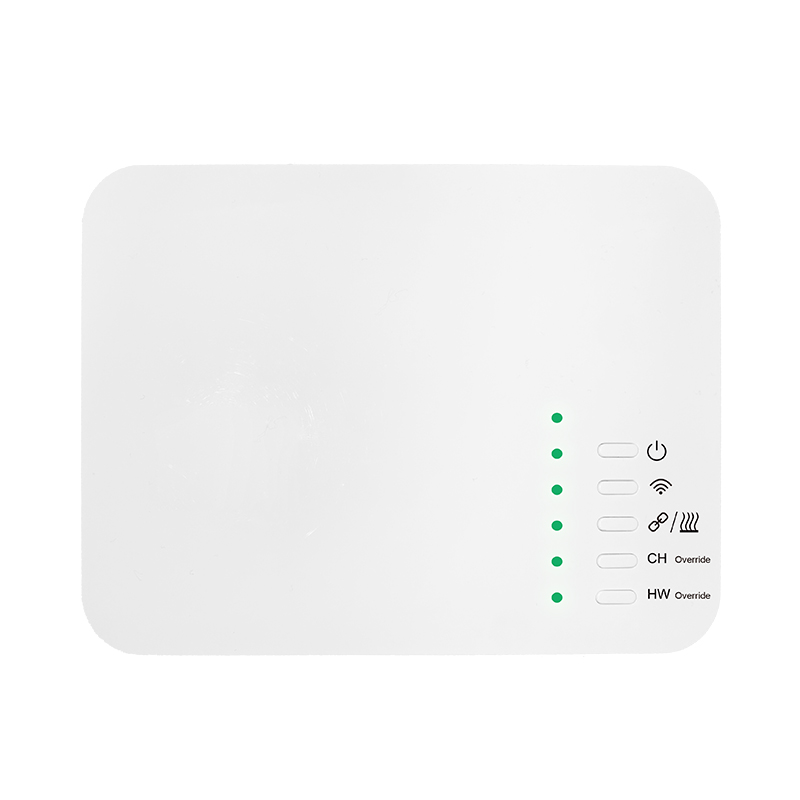





With the continuous development of intelligent buildings and people’s increasing pursuit of quality of life, building electrical systems are becoming increasingly complex. In traditional wiring methods, connecting various devices and cables is often cumbersome and time-consuming, increasing installation costs and impacting later maintenance and management. As one of the core devices in an electrical system, a wiring center provides an effective solution for simplifying wiring. Through centralized wiring and distribution, it significantly reduces wiring complexity and improves system safety, stability, and flexibility.
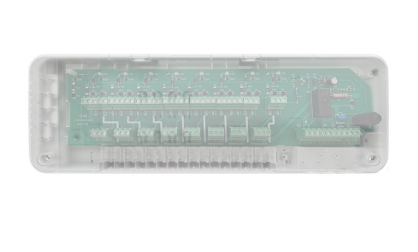
Reduced Wiring Complexity
Traditional wiring methods typically require multiple electrical devices to be wired individually, each requiring passage through different conduits and connection to its own switch, socket, or power point. This decentralized wiring method not only results in a large number of cables and joints but also increases construction difficulty and time. The use of a wiring center effectively centralizes cable access points, connecting multiple power points, switches, sockets, etc., to a single centralized wiring center. This significantly shortens the total wiring length and effectively controls the types and quantities of cables. Centralized wiring allows electricians to perform wiring more efficiently during installation, avoiding redundant wiring and tangled lines. This not only simplifies the construction process but also reduces human error. For example, if a problem occurs in a line, it can be inspected and repaired at the wiring center, avoiding the hassle of checking each line individually in traditional methods.
Improved Safety
The reduced complexity of wiring directly impacts system safety. Traditional wiring, with its numerous and tangled cables, easily leads to electrical faults such as short circuits and overloads. The wiring center, through unified access and management, provides a clearer layout. With all cables and connections concentrated in one place, it’s easy for construction and maintenance personnel to inspect, preventing hidden cable problems and wiring errors. Furthermore, the wiring center is equipped with necessary protective measures such as overload protection, leakage protection, and grounding protection. These measures effectively reduce safety hazards such as fires and electric shocks caused by electrical faults, improving the building’s electrical safety. By rationally designing the wiring center’s wiring method, potential dangers such as leakage and short circuits can be reduced, thus protecting residents’ lives.
Reduced Maintenance Costs
In traditional wiring methods, if a section of the line malfunctions, maintenance personnel need to spend a significant amount of time locating the fault. This type of maintenance process is often time-consuming and inefficient, and may even damage other lines. The centralized cabling method of a wiring center simplifies maintenance. If a problem occurs, maintenance personnel only need to locate the fault at the wiring center to quickly find and repair it. This centralized management not only shortens maintenance time but also reduces unnecessary line damage and repetitive inspections, lowering maintenance costs. Furthermore, wiring centers are typically designed with good scalability. When new equipment needs to be added or existing systems need to be modified, the wiring center can be easily adjusted without having to redo the entire electrical system. Compared to the cumbersome operation of traditional methods, wiring centers provide more flexibility for later maintenance and expansion, significantly improving system maintainability.
Enhancing System Flexibility and Scalability
A major problem with traditional cabling is its rigidity. Installation must consider future expansion, often resulting in overly conservative or redundant cabling schemes, increasing unnecessary costs. Wiring centers, on the other hand, can be flexibly configured according to actual needs to meet future expansion requirements. Whether it’s the integration of new equipment or system upgrades, wiring centers can avoid the hassle of redoing all the wiring in traditional cabling through simple adjustments and connections. For example, if a new socket or switch needs to be added to a room, the wiring center can easily rewire the area without large-scale demolition and rewiring. This flexibility not only reduces the cost of system upgrades but also avoids project delays and high reconstruction costs.
Simplified Design and Planning Process
In the electrical system design phase, traditional wiring methods require consideration of numerous complex factors, including cable routing, distribution, and protection measures. This not only makes the design work cumbersome but also increases the risk of design errors. The introduction of wiring centers simplifies the design process. Designers only need to plan the layout at the wiring center, designing appropriate cable access and power distribution points to effectively ensure the system’s rationality and efficiency. Wiring centers are typically equipped with standardized interfaces and modular designs, making system design more standardized. Designers can quickly select appropriate configurations based on the specific needs of the building, avoiding unforeseen technical difficulties encountered during complex wiring processes. This simplified design process not only improves design efficiency but also ensures the high quality and reliability of the electrical system.
Wiring centers bring many benefits to building electrical systems by simplifying the wiring process. From reducing wiring complexity to improving security and lowering maintenance costs, and enhancing system flexibility and scalability, the wiring center is undoubtedly an indispensable key device in modern buildings. It makes the building’s electrical system clearer, more stable, and easier to manage, while also providing greater convenience for later maintenance and expansion. With the development of intelligent buildings, the role of the wiring center in electrical cabling will become increasingly important; it not only simplifies the construction process but also lays a solid foundation for building safety and long-term development.