




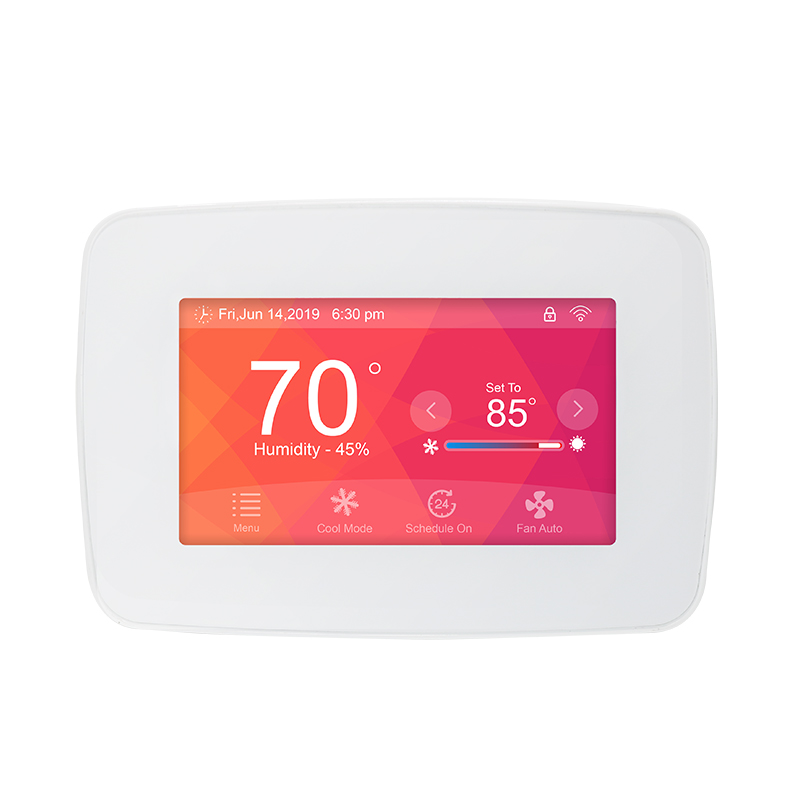
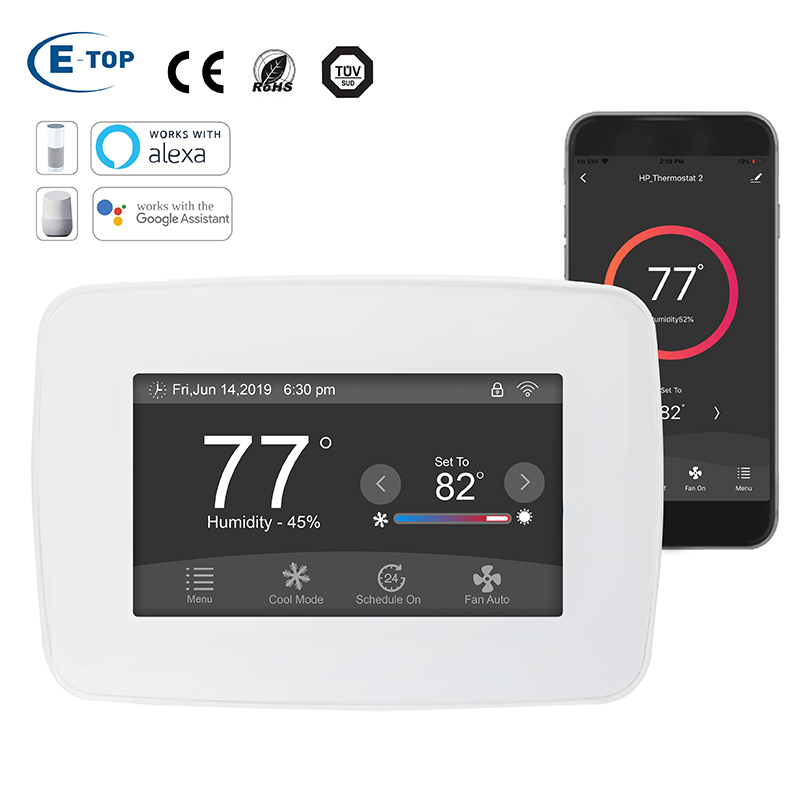

In northern regions with centralized heating, traditional radiators (such as cast iron radiators and steel finned radiators) were once the mainstay of home heating. While these radiators were known for their durability, they suffered from low thermal efficiency and difficulty in adjustment, leading to large fluctuations in indoor temperature and significant energy waste. With the shift in heating metering from “charged by area” to “charged by heat consumption,” the need for energy-saving retrofits of traditional radiators has become increasingly urgent. Thermostatic radiator valves, with their advantages of precise temperature control and energy saving, have become the “golden partner” for upgrading traditional radiators.
传统散热器的痛点与恒温阀的突破
Traditional radiators mostly use manual valve adjustment, requiring users to frequently operate them to maintain room temperature. However, due to limitations in valve precision, temperature fluctuations often exceed ±3℃. For example, cast iron radiators are prone to valve jamming due to sand buildup inside the radiator, leading to adjustment failure; steel finned radiators, due to their high thermal inertia, respond slowly to temperature changes. These problems not only reduce living comfort but also cause energy waste—studies show that manually adjusted heating systems consume 15%-20% more energy than thermostatic valve systems.
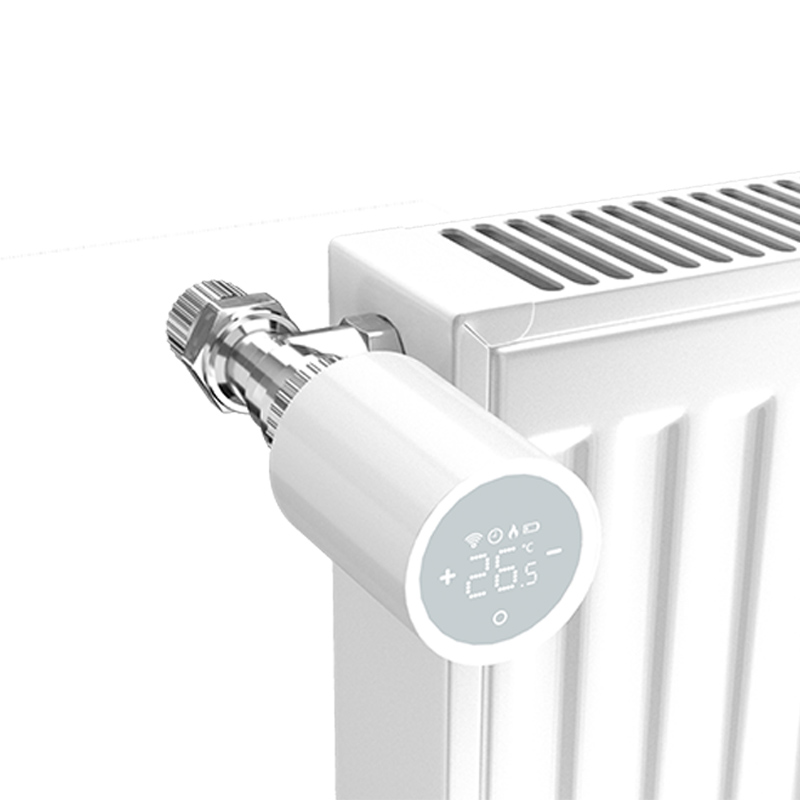
Radiator thermostatic valves achieve automatic adjustment through a built-in temperature sensor. When the room temperature rises, the medium inside the sensor (such as liquid methanol or paraffin) expands, pushing the valve stem to close the valve and reduce the hot water flow; when the room temperature drops, the medium contracts, the valve opens wider, and heating resumes. This process requires no manual intervention, and the proportional band (the range of room temperature change from fully open to fully closed) can be controlled within 0.5-2℃, ensuring that the room temperature remains constant within ±0.5℃ of the set value, completely solving the persistent problem of “overheating” and “overcooling” in old-style radiators.
Compatibility with older systems: Comprehensive coverage from dual-pipe to single-pipe systems
Old-style heating systems are mostly dual-pipe or single-pipe structures with bypass pipes, and radiator thermostatic valves are perfectly compatible with them. In a two-pipe system, a high-resistance two-way thermostatic valve can independently adjust the flow rate of each radiator, avoiding hydraulic imbalance caused by differences in pipe resistance. For example, after renovation, an older residential community adopted a two-pipe system with thermostatic valves, allowing users to adjust the temperature of their bedrooms and living rooms individually as needed, achieving “room-specific temperature control” and saving up to 18% in energy.
For single-pipe systems with bypass pipes, low-resistance two-way or three-way thermostatic valves are better choices. Three-way valves, through flow diversion coefficient adjustment (0-100% adjustable), ensure a dynamic balance between the flow rate entering the radiator and the flow rate in the bypass pipe, preventing individual radiator adjustments from affecting the entire pipeline. A renovation case in a northern city showed that after installing three-way thermostatic valves in a single-pipe system, the temperature difference between floors decreased from ±4℃ to ±1℃, and the user complaint rate dropped by 70%.
Renovation Practice: Selection, Installation, and Maintenance Key Points
The selection and installation of thermostatic valves are crucial for the renovation of old-style radiators. When selecting a thermostatic valve, the appropriate product should be chosen based on the system type (dual-pipe/single-pipe), radiator type (cast iron/steel), and water quality conditions (pH value, oxygen content). For example, in areas with poor water quality, it is recommended to choose a thermostatic valve with a nickel-plated brass valve body and a stainless steel valve stem, which has stronger corrosion resistance; for existing single-pipe systems, a three-way valve is preferable to ensure a flow diversion coefficient ≥30% and avoid insufficient flow.
During installation, the position of the thermostat directly affects the temperature control accuracy. Built-in thermostats should be installed horizontally in a well-ventilated area, avoiding obstruction by curtains or furniture; if the radiator is close to a heat source (such as a gas boiler), an external thermostat should be used, connected to the main valve body via a capillary tube to ensure accurate temperature sensing. In addition, for individual household heat metering systems, a filter (60 mesh) should be installed before each radiator group to prevent impurities from clogging the valves and extend their service life.
Energy Saving and Comfort Enhancement: Real User Feedback
A renovation case study of a 20-year-old residential community in Beijing is quite representative. The original system in this residential community used steel finned radiators with manual valves, leading to widespread complaints from residents that “the room temperature fluctuated wildly in winter, requiring frequent adjustments to clothing.” After the renovation, each radiator was equipped with a liquid-cooled thermostatic valve. Residents set the room temperature (usually 20-22℃) via a knob, and the system automatically adjusts the flow rate. After one heating season, the community’s average energy consumption decreased by 16%, and resident satisfaction increased from 65% to 92%. One resident stated, “Now I don’t need to touch the radiators to adjust the valves when I get home. The room temperature remains consistently at 21℃, and my child no longer complains of being cold while doing homework.”
The combination of thermostatic radiator valves and traditional radiators represents not only a technological upgrade but also a revolution in heating philosophy. It transforms “on-demand heating” from a slogan into reality, reducing heating costs for users and contributing to the achievement of carbon emission reduction goals. For the renovation of older residential communities or the design of heating systems for self-built houses, choosing a suitable thermostatic radiator valve is undoubtedly the optimal solution for improving comfort and energy efficiency.