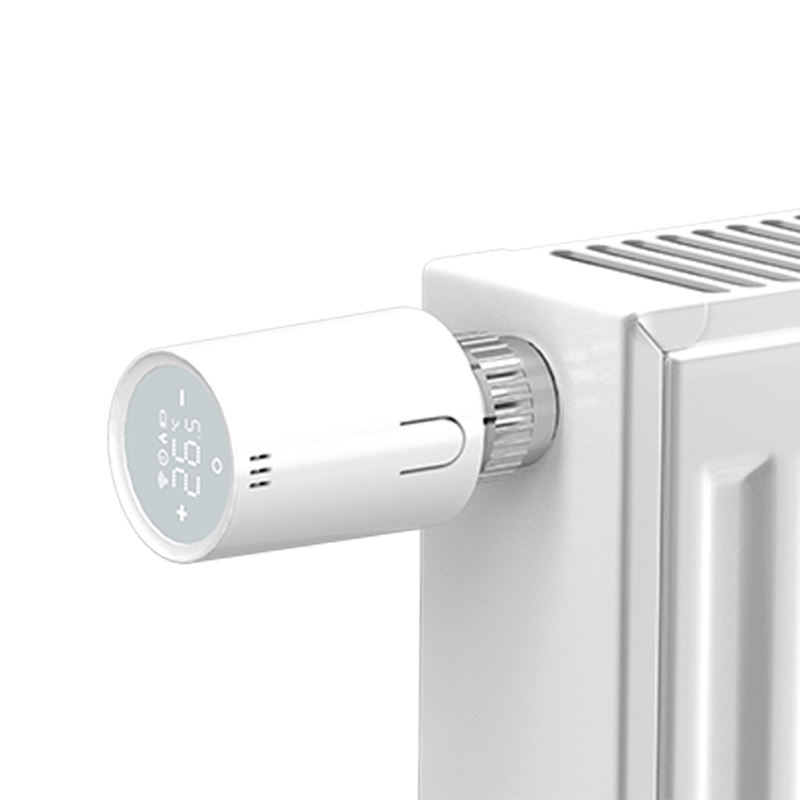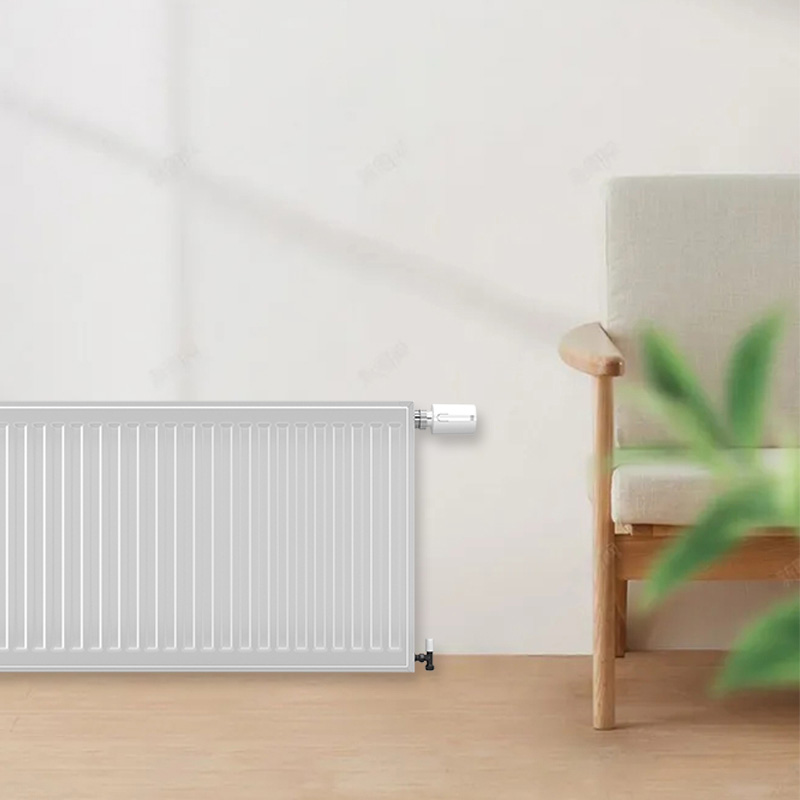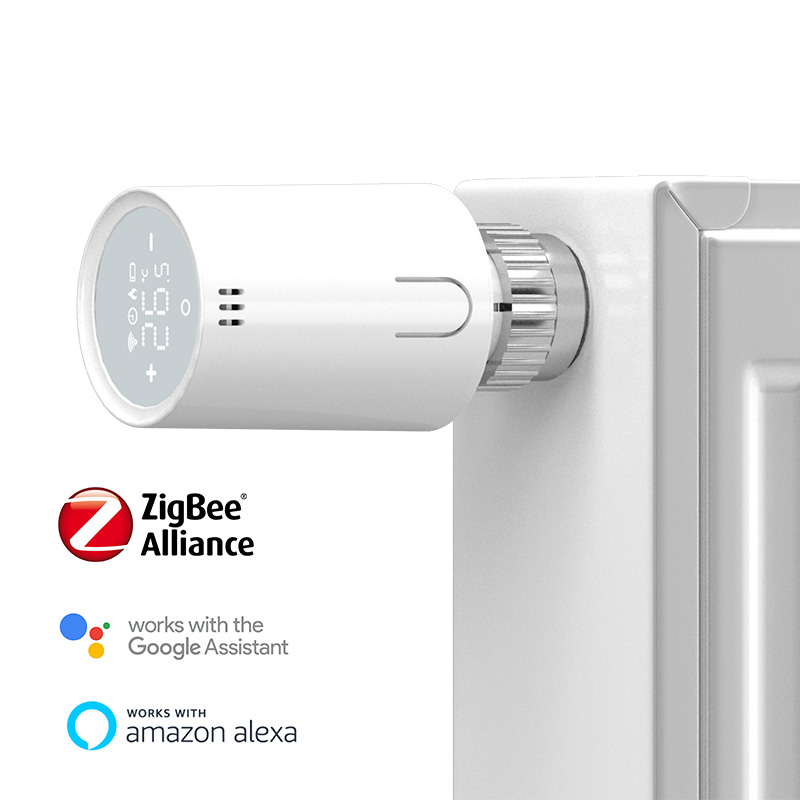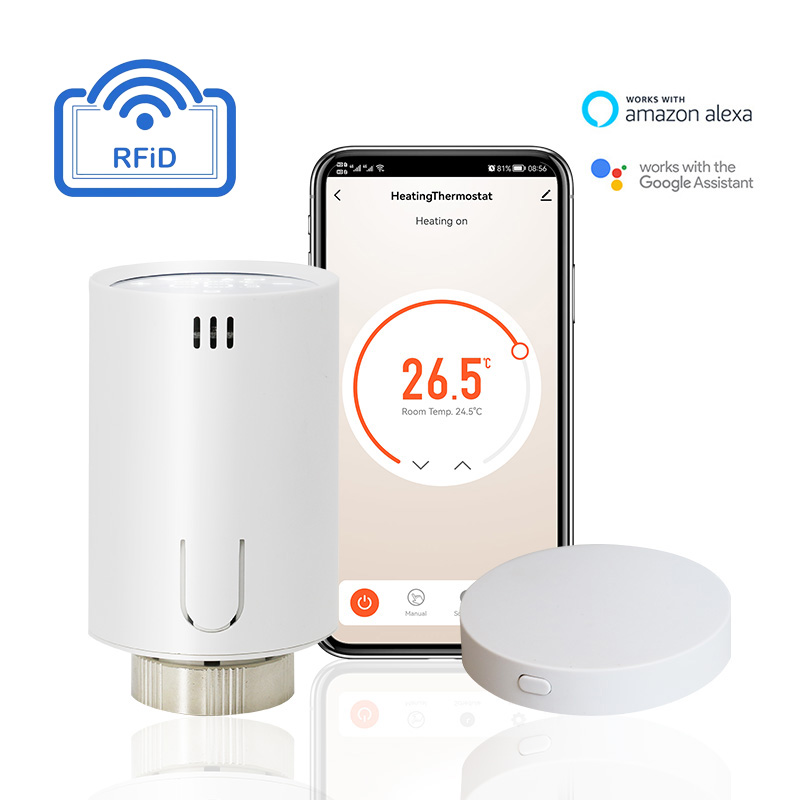






Radiator thermostatic valve

How to replace a Radiator Thermostatic Valve head?

Radiator thermostatic valve heads are core components for regulating room temperature. After prolonged use, problems such as valve head jamming, seal failure, or inaccurate temperature sensing may occur, leading to room temperature fluctuations or increased energy consumption. Replacing the valve head is an economical and effective way to solve these problems, eliminating the need to…

Read article
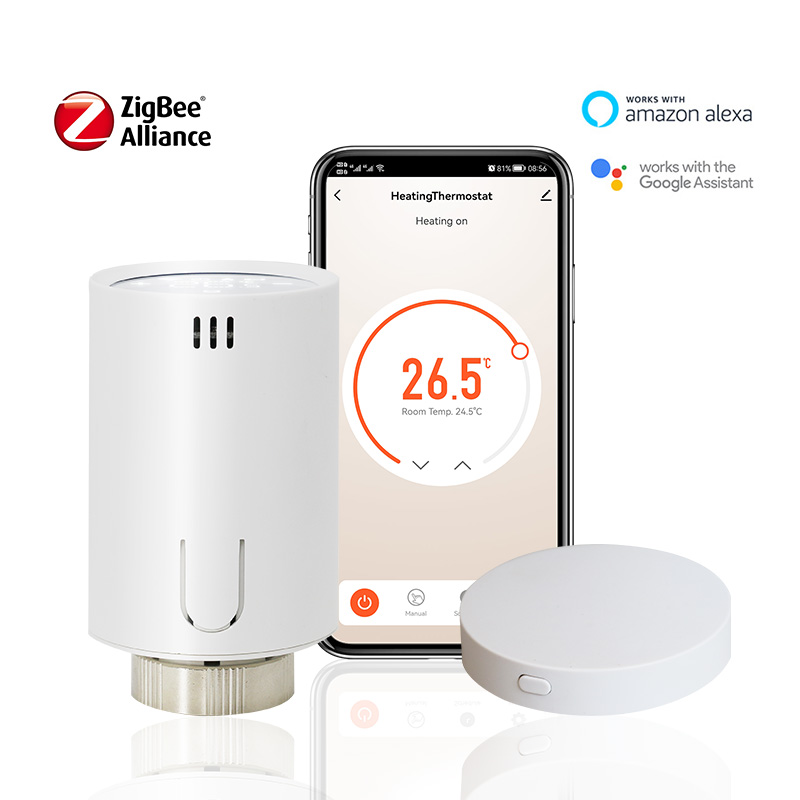
Does a Radiator Thermostatic Valve work on old radiators?

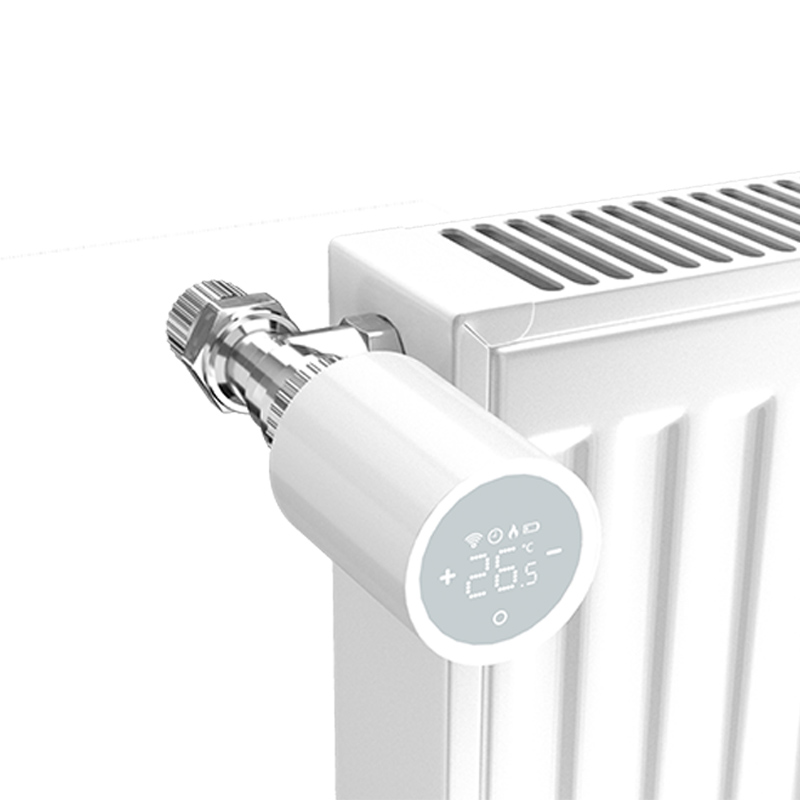
In northern regions with centralized heating, traditional radiators (such as cast iron radiators and steel finned radiators) were once the mainstay of home heating. While these radiators were known for their durability, they suffered from low thermal efficiency and difficulty in adjustment, leading to large fluctuations in indoor temperature and significant energy waste. With the…

Read article
Is a Radiator Thermostatic Valve smart home compatible?

In today’s rapidly developing smart home technology, home appliances are moving towards intelligence and convenience. As a key component of heating systems, radiator thermostatic valves are also keeping pace with the times, achieving deep compatibility with smart home systems and bringing users an unprecedented level of comfort. Compatibility: A Bridge Connecting the Traditional and the…

Read article
How to balance heating with Radiator Thermostatic Valves?

During winter heating season, significant temperature differences between floors in the same building and uneven heating in different areas of the same room are common occurrences. Traditional heating systems rely on manual valve adjustments, which are ill-suited to dynamically changing heating demands, leading to both energy waste and decreased comfort. Radiator thermostatic valves, through intelligent…

Read article
Can a Radiator Thermostatic Valve reduce dampness?

In damp living environments, people are often troubled by problems such as condensation on walls and mold on furniture. While traditional heating systems can raise room temperature, they struggle to precisely control humidity balance. The emergence of thermostatic radiator valves has not only revolutionized indoor temperature control but also demonstrated unique value in improving humidity…

Read article
Does a Radiator Thermostatic Valve work with heat pumps?

When a cold wave sweeps in from the north, bringing sub-zero temperatures, and the damp, chilly south sends shivers down your spine, a highly efficient and energy-saving heating system becomes a necessity for every household. However, traditional heating methods often fall into the dual predicament of “temperature imbalance” and “soaring energy consumption”: the living room…

Read article
How accurate is a Radiator Thermostatic Valve sensor?

In the cold winter, radiator thermostatic valves act as the “smart brain” of home heating, accurately sensing changes in room temperature and automatically adjusting the hot water flow to maintain a comfortable indoor temperature. The core of this intelligent control is the temperature sensor hidden within the valve body. The accuracy of the sensor directly…

Read article
Are wireless Radiator Thermostatic Valves better?

In the cold winter, the stability and comfort of the heating system directly affect our quality of life. While traditional radiator thermostatic valves can achieve basic temperature control, they have significant shortcomings in terms of intelligence and convenience. With the rapid development of IoT technology, wireless radiator thermostatic valves, with their advantages of remote control…

Read article