
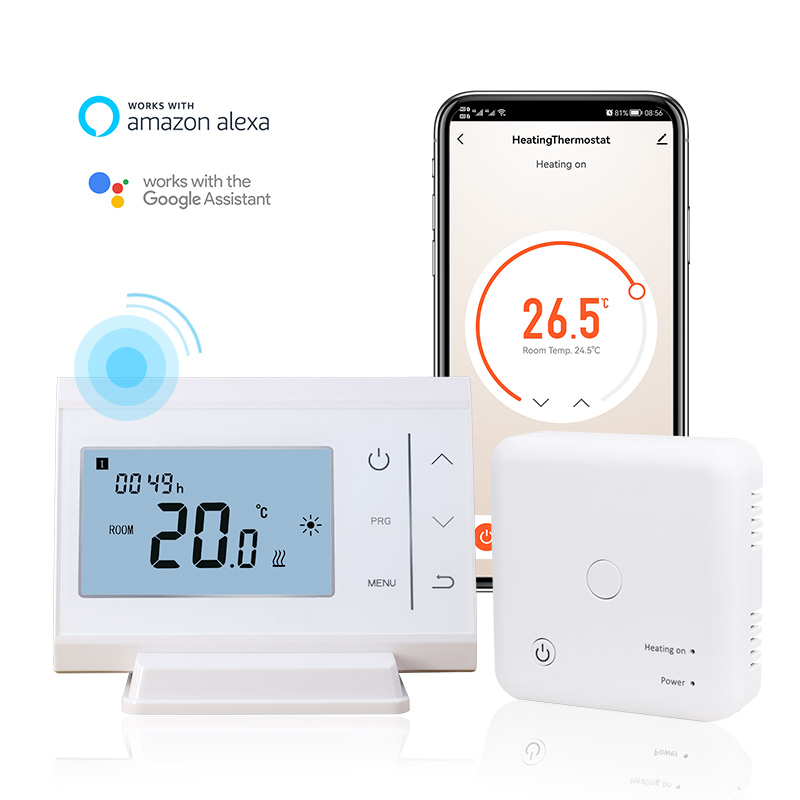
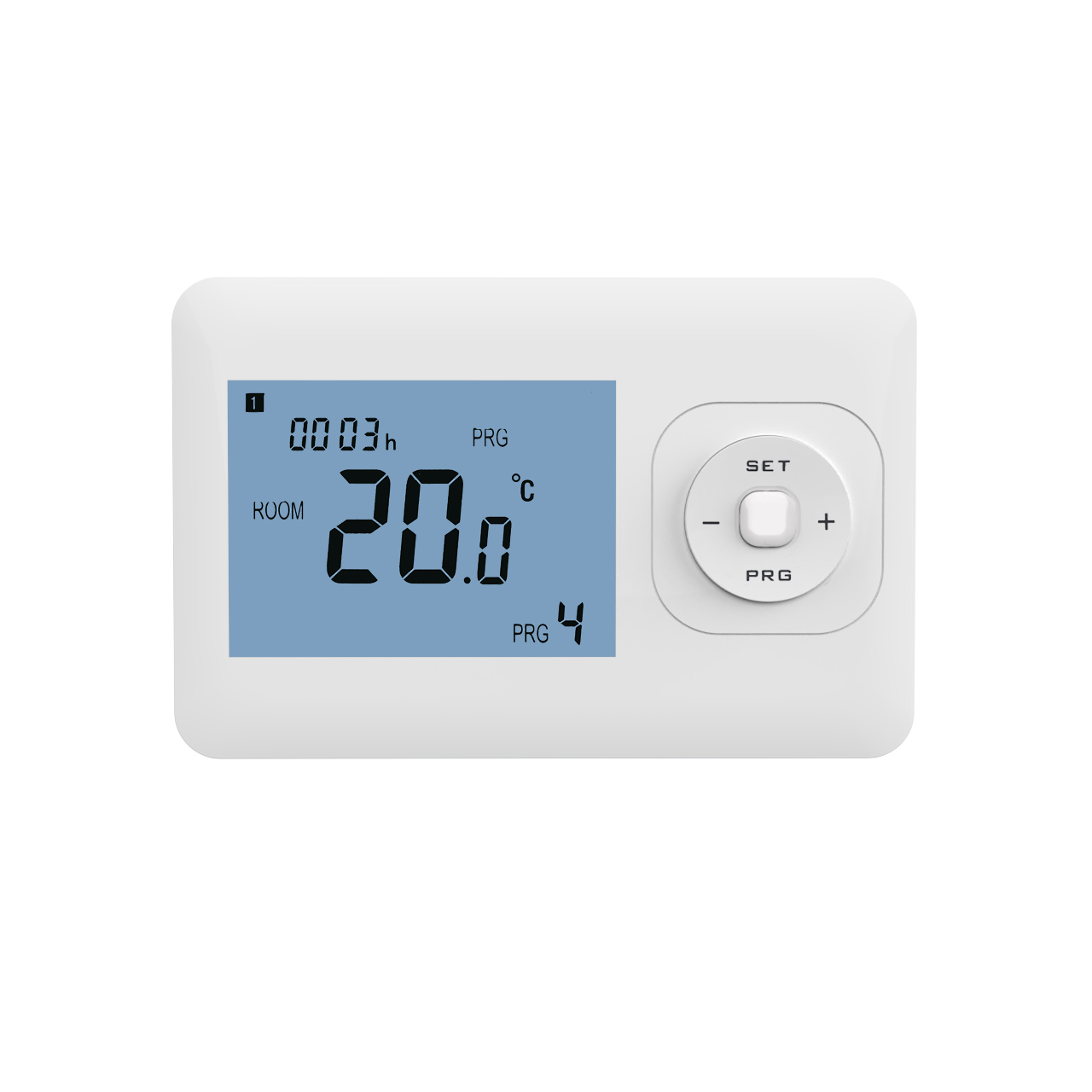
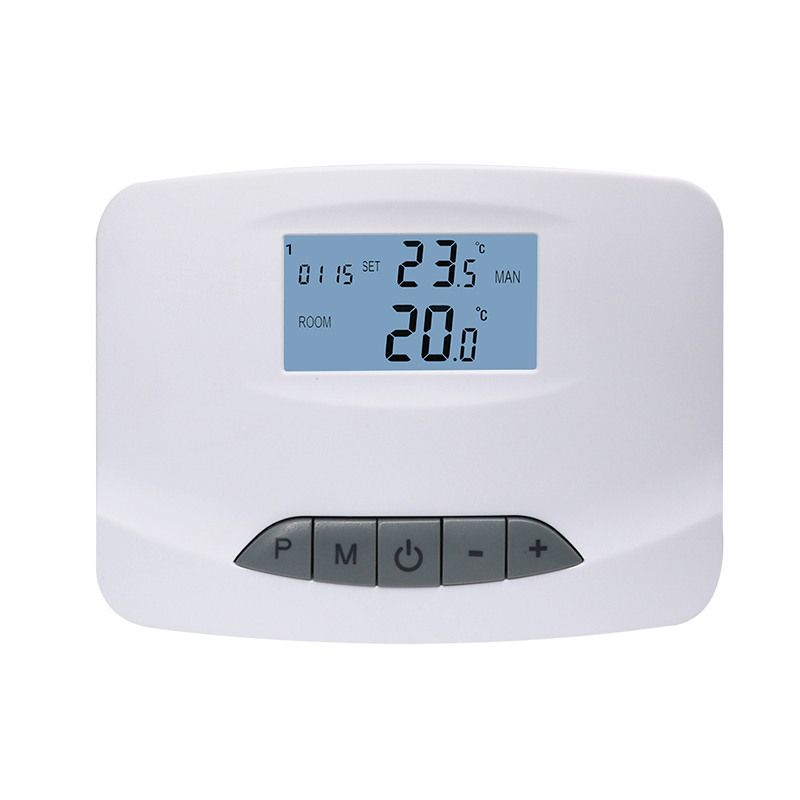
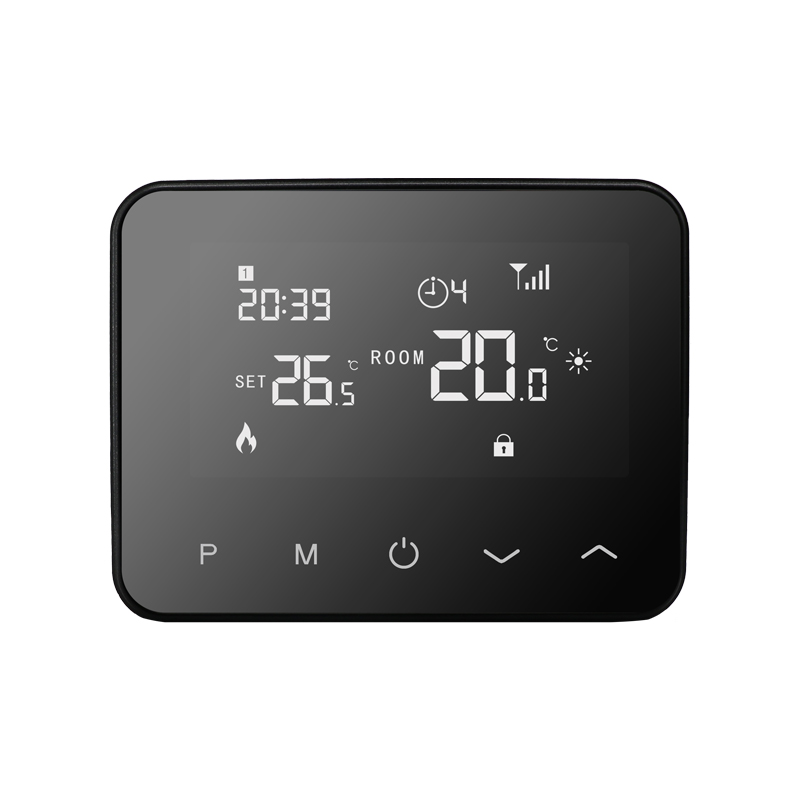
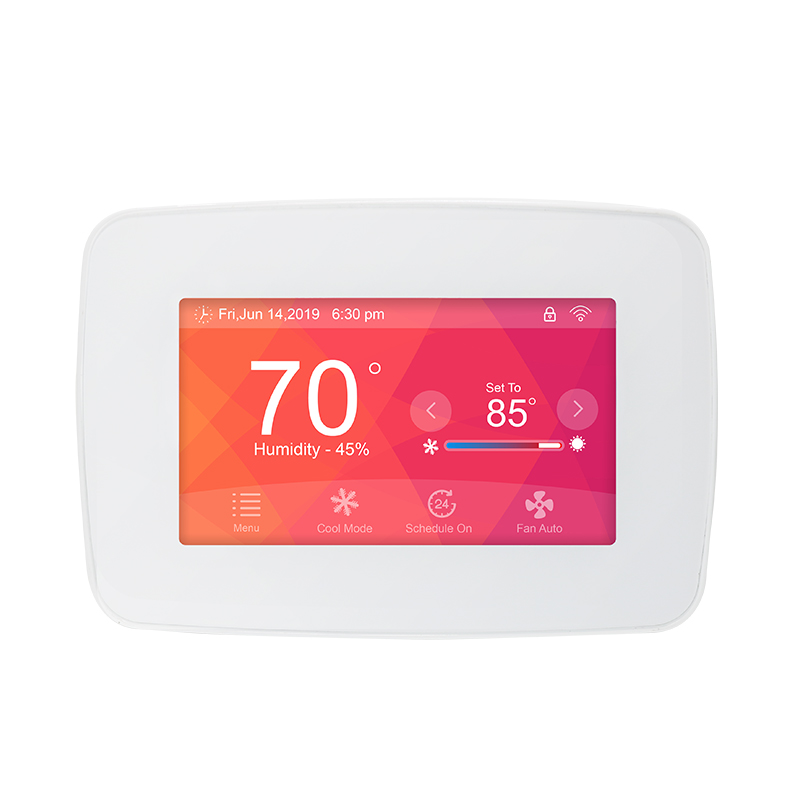
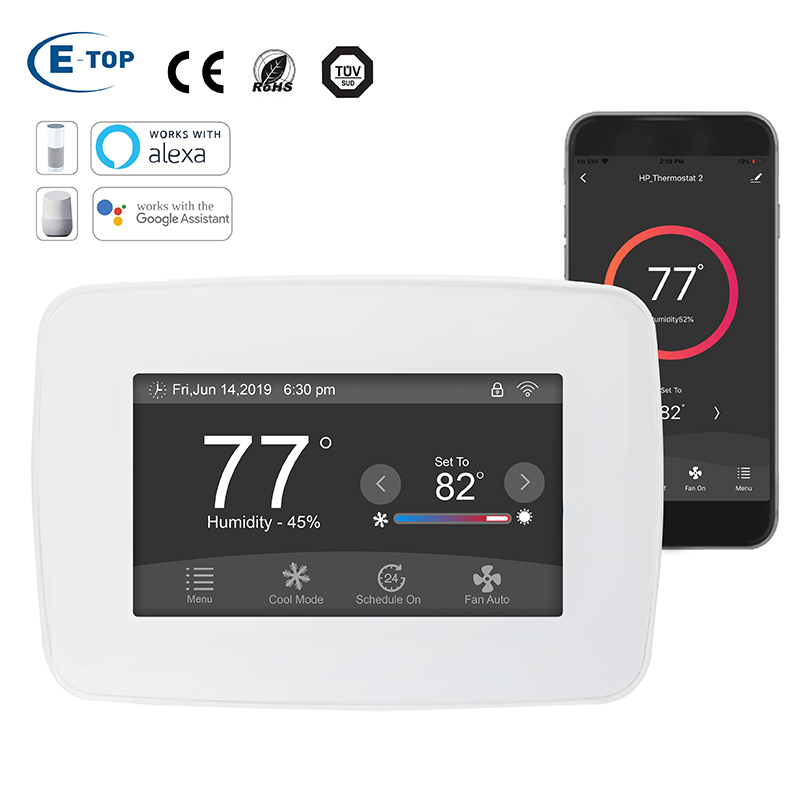
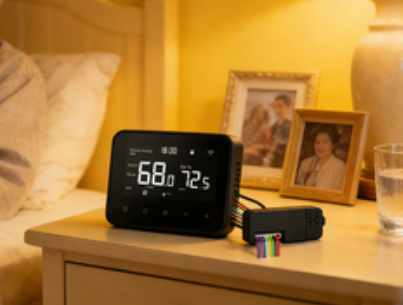
A 24V thermostat is a widely used and well-established control option in HVAC systems. It’s more than just a wall panel for setting temperature—it acts like the “command center” that controls how your air conditioner runs. After upgrading to a 24V thermostat, many households notice more stable indoor temperatures, smoother system operation, and easier day-to-day control. The key advantages of a 24V thermostat include improved safety, strong compatibility, better temperature stability, support for energy-saving schedules, and flexible upgrade options.
Safer Low-Voltage Control for Everyday Use
One major advantage of a 24V thermostat is that it operates on low-voltage control signals. Compared with high-voltage control systems, it is safer for home use and reduces potential electrical risks during daily operation or maintenance. Low-voltage control is also more reliable over long-term use, and troubleshooting is usually easier, helping reduce hidden safety concerns.
More Stable Temperature Control for Better Comfort
A 24V thermostat often provides smoother and more consistent temperature regulation. It helps keep the indoor temperature closer to your set point, reducing the uncomfortable “too cold, then too warm” swings. With steadier temperatures, the room feels more comfortable, sleep quality can improve, and it’s especially beneficial for households with children or older family members. For HVAC systems, less temperature fluctuation usually means more efficient and healthier operation.
Smoother HVAC Operation with Less Short Cycling
Frequent on-and-off cycling can reduce comfort and put extra strain on the compressor. A 24V thermostat makes it easier to maintain a more balanced run cycle, helping the system avoid unnecessary restarts just to correct temperature swings. With smoother operation, noise levels often feel lower, temperature changes feel more natural, and the system stays in a better working condition.
Supports Energy-Saving Features for Better Power Control
Many 24V thermostats come with useful energy-saving features such as scheduling, timers, and eco modes. These functions help your air conditioner reduce output during times when strong cooling or heating isn’t needed, which can lower wasted energy. For office workers and people who spend a lot of time outside the home, these features make energy management much easier and more consistent.
- Common energy-saving advantages include:
- Scheduling options for automatic temperature adjustments
- Away mode to reduce energy use when no one is home
- Night-time temperature control for more comfortable, efficient sleep
Temperature range settings to prevent overcooling or overheating
Strong Compatibility with Many HVAC Systems
A 24V thermostat is commonly used in central air conditioning, ducted systems, heat pumps, and many other HVAC setups. Because the wiring standards are mature and widely supported, it’s easier to find compatible models when upgrading or replacing. This strong compatibility helps prevent common issues like “it doesn’t fit” or “the functions don’t work,” making upgrades more reliable.
High Expandability for Future Upgrades
Another big advantage of a 24V thermostat is its flexibility for future expansion. If you want to upgrade to smart temperature control, integrate home automation, or add more control modules later, a 24V system is easier to expand. Compared with basic thermostats that only adjust temperature, a 24V setup works more like a scalable platform that can grow with your needs.
More Control Options for Easier Daily Use
Many 24V thermostats support more convenient control methods beyond basic buttons. The easier it is to operate, the more likely you are to actually use the features that improve comfort and efficiency.
Common convenience advantages include:
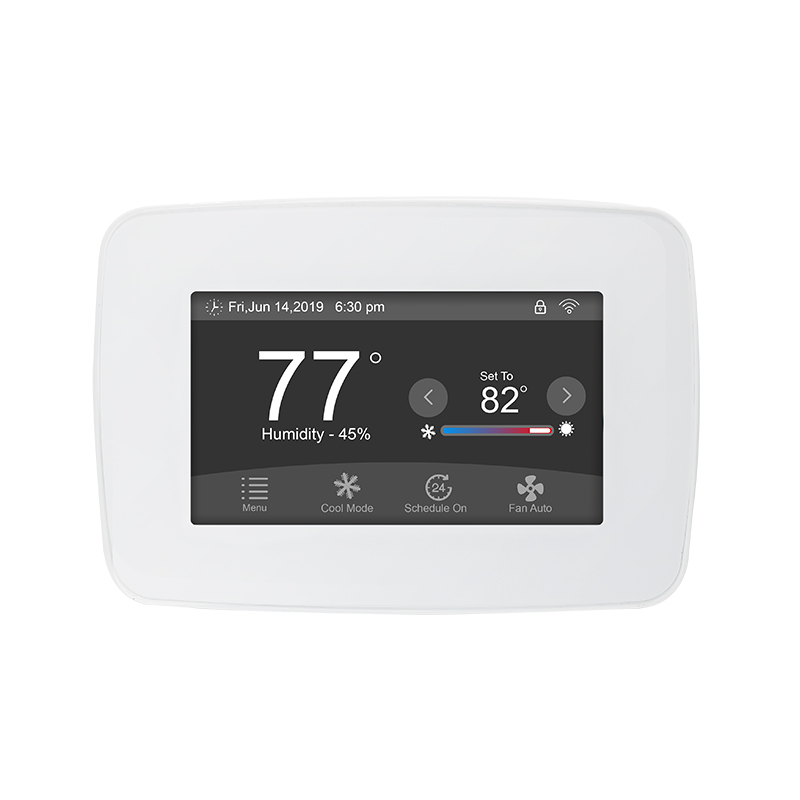
- Touchscreen displays for clearer information
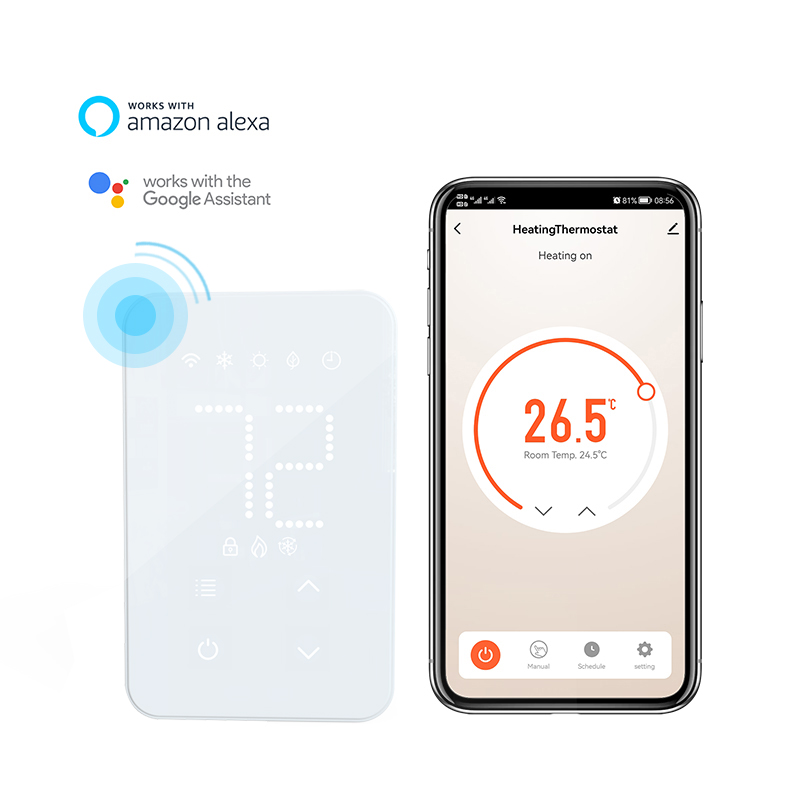
- Mobile app remote control for easy adjustments while away
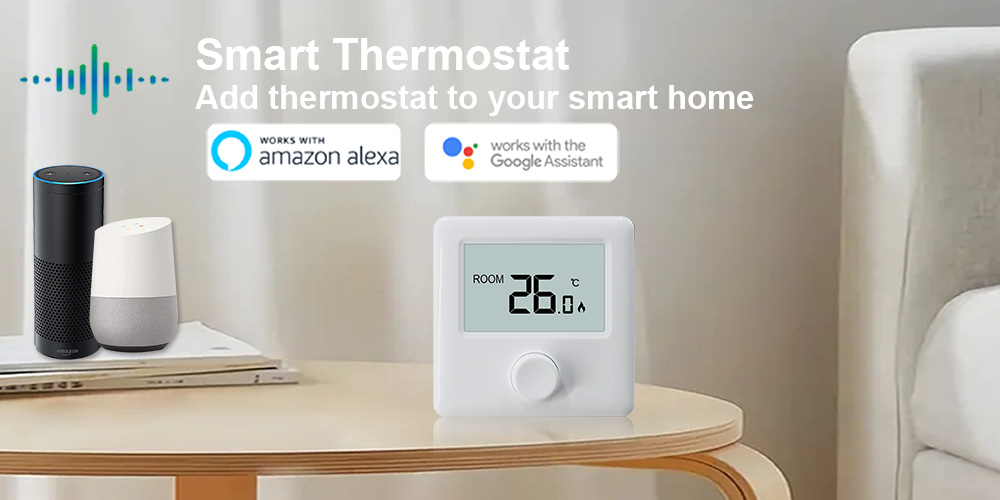
- Voice assistant integration for hands-free control
- System status displays for quick mode and temperature checks
Better System Monitoring and Easier Maintenance
Some 24V thermostats offer features like operation history, error alerts, and filter reminders. This makes it easier to monitor system performance and maintain your HVAC system on time. Many comfort issues aren’t caused by major equipment failure, but by clogged filters, weak airflow, or poor temperature settings. A thermostat that provides clear reminders and system information can help you fix small issues early and keep your system running efficiently.
Conclusion
The advantages of a 24V thermostat are clear: safer low-voltage control, more stable temperature regulation, smoother HVAC operation, built-in energy-saving features, strong compatibility, high expandability, more convenient control options, and better system monitoring. For households looking to make their HVAC system easier to use, more efficient, and more comfortable, upgrading to a 24V thermostat can be a smart and cost-effective improvement. As long as you choose a compatible model and install it correctly, the upgrade often delivers noticeable results.