
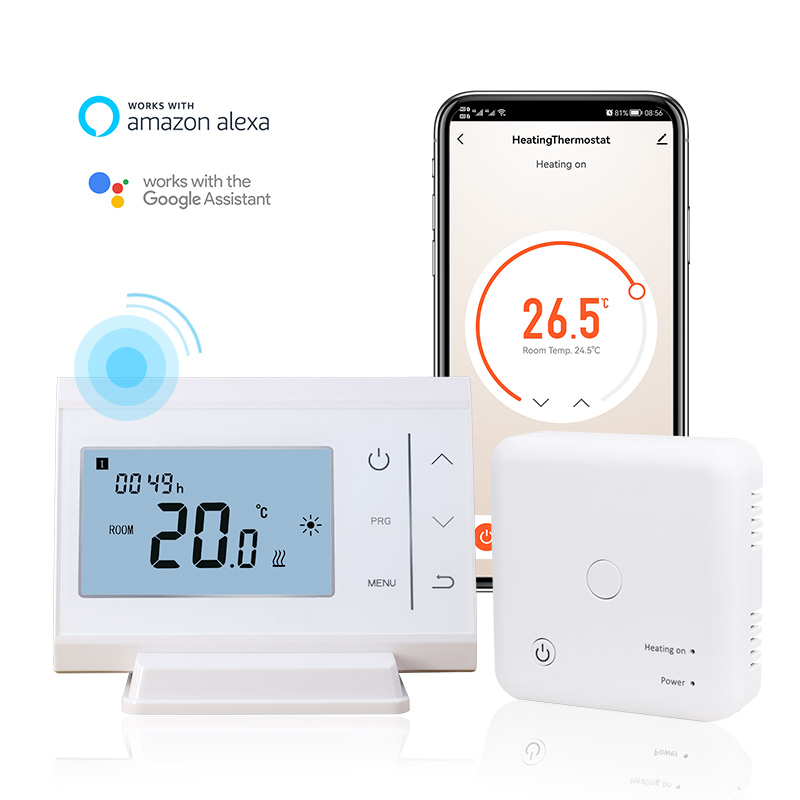
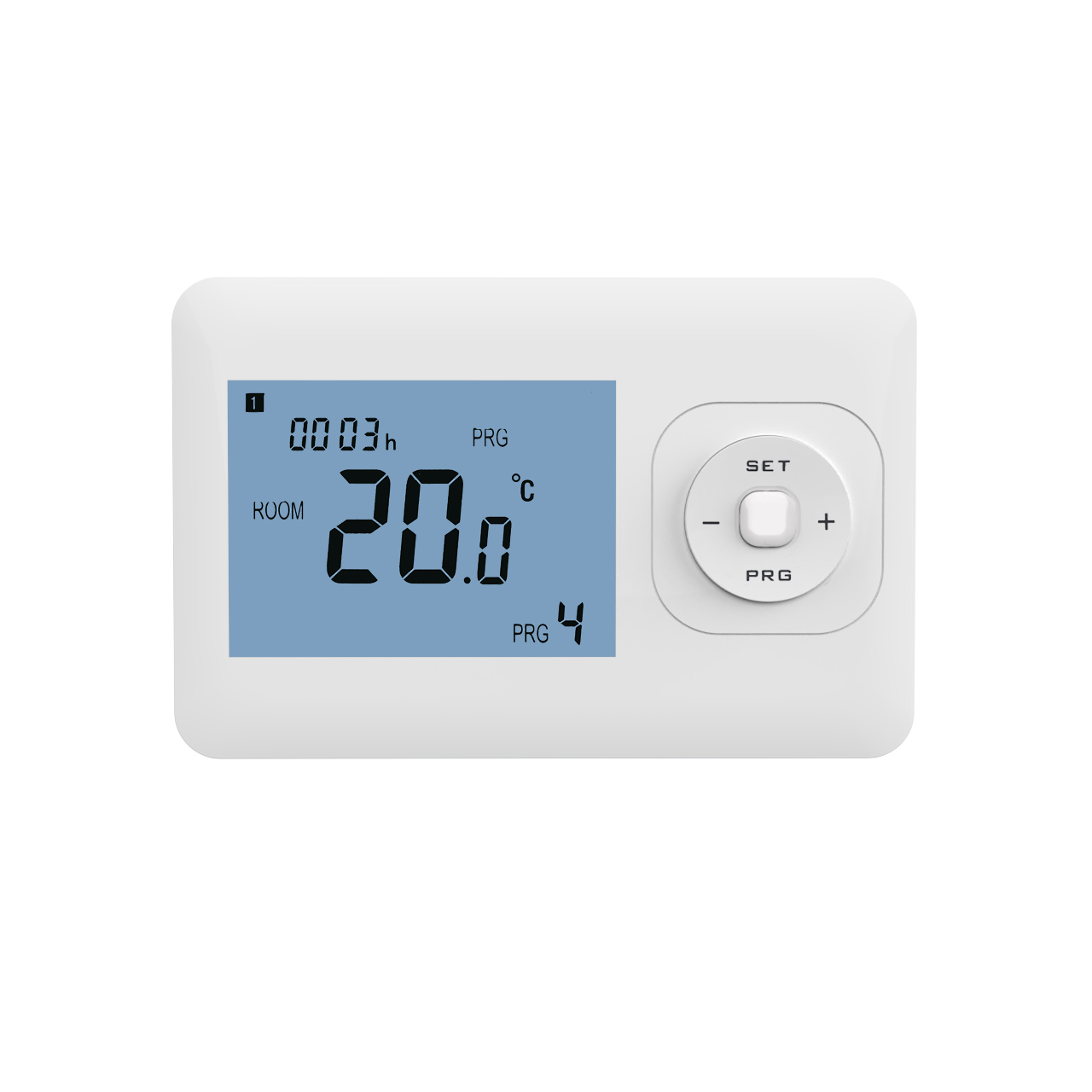
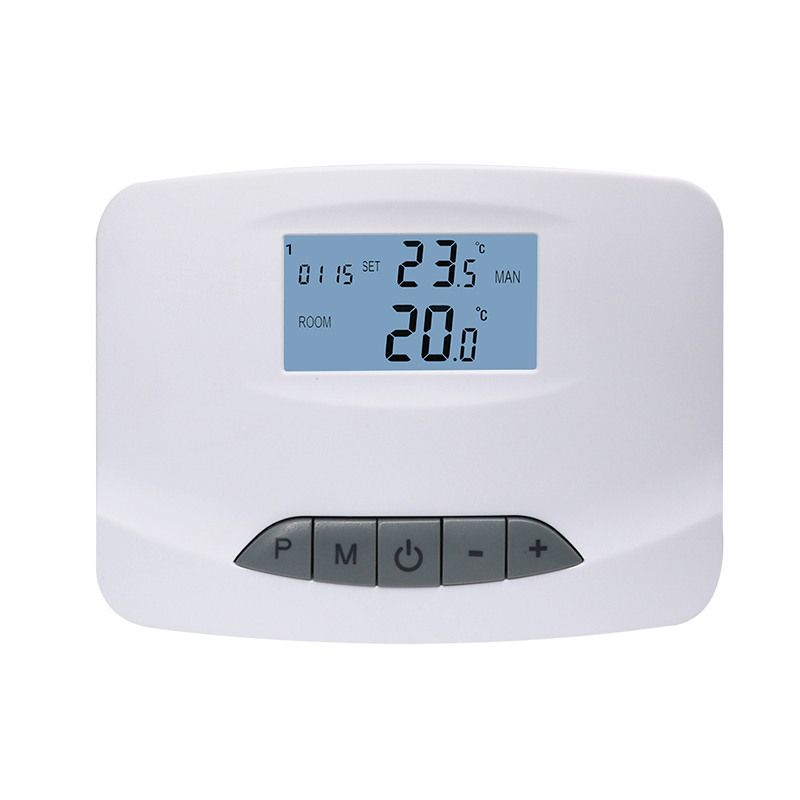
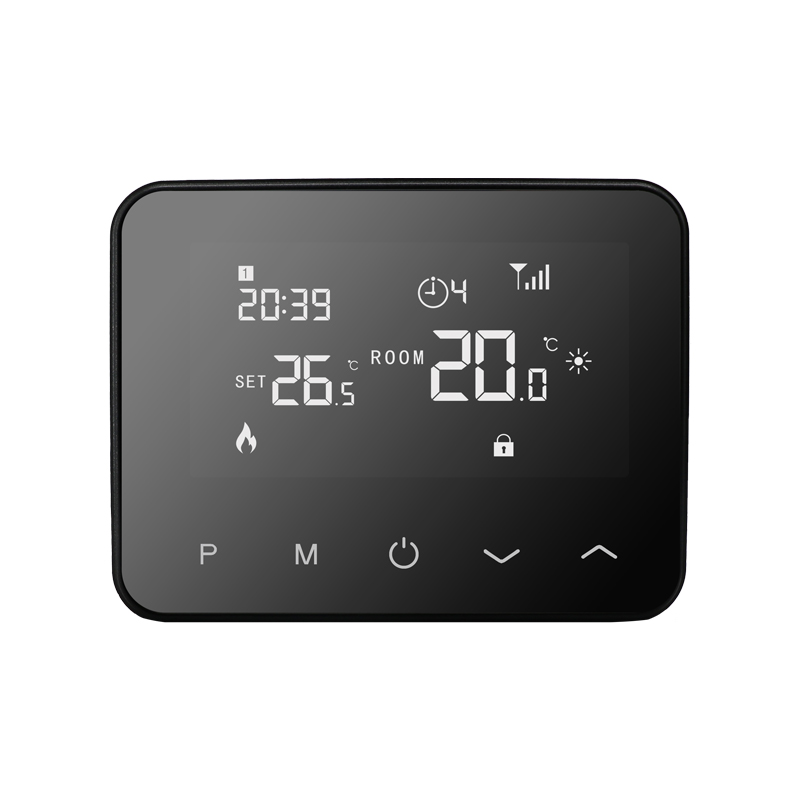
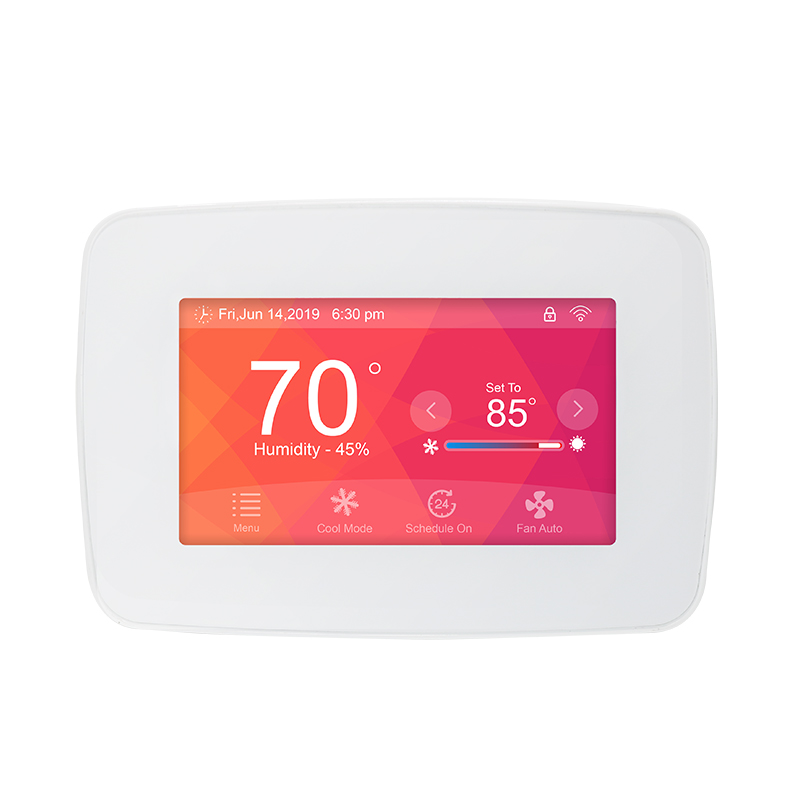
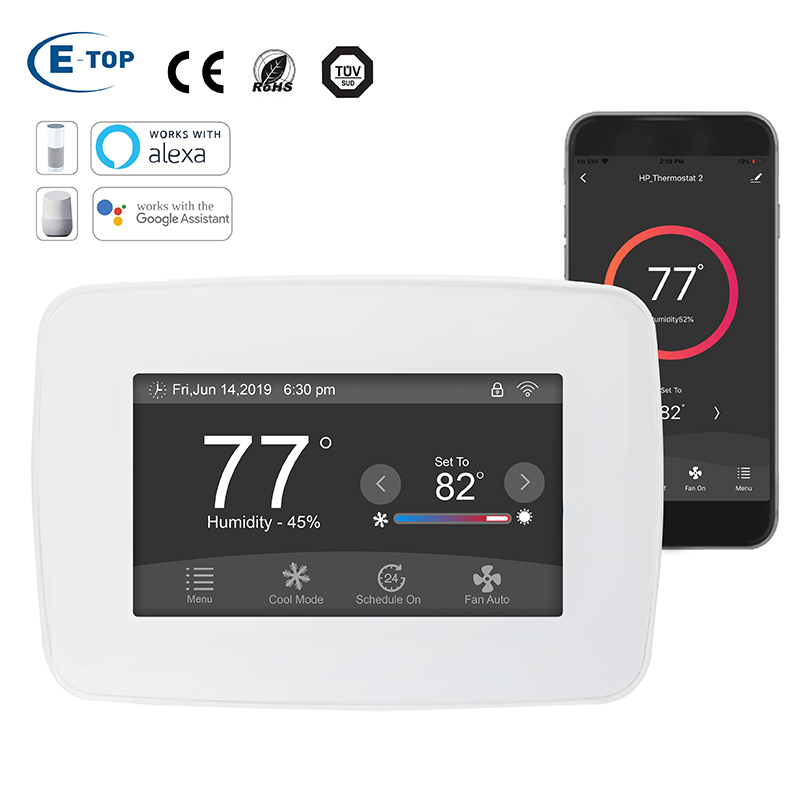
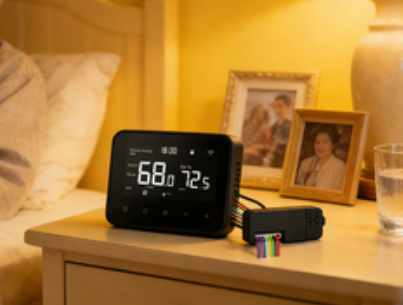
As smart home ecosystems continue to mature, voice control has become an important way for users to interact with their devices. In the field of temperature control, plug-in thermostats that support Alexa are attracting increasing attention. Compared with traditional thermostats that rely solely on buttons or touch interfaces, these devices offer clear advantages in convenience, system integration, and overall user experience.
Voice Control Delivers Greater Convenience
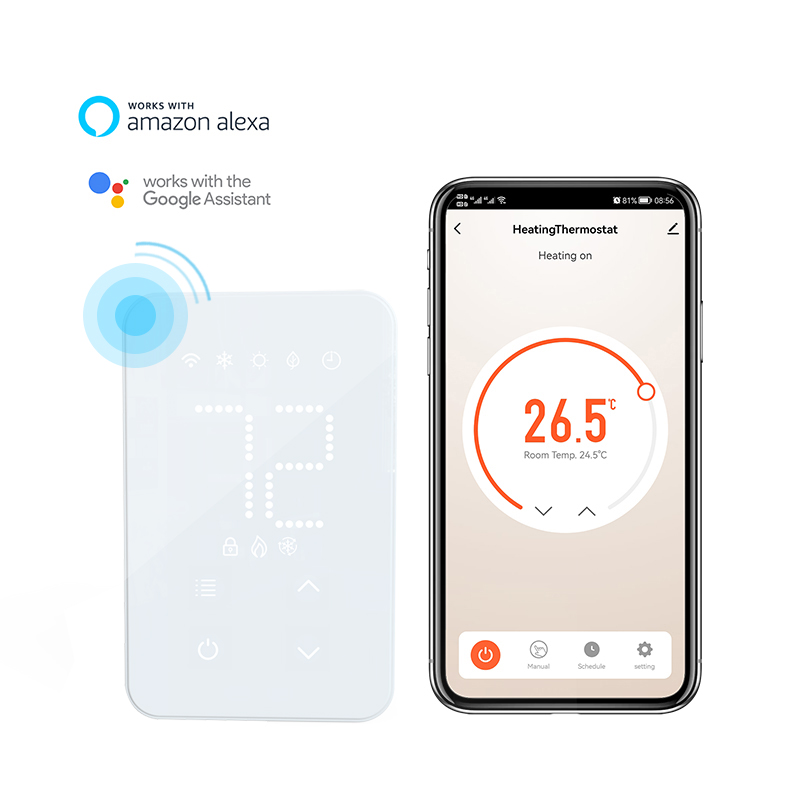
Plug-in thermostats that support Alexa allow users to adjust temperature settings, change operating modes, and perform other common actions through simple voice commands. There is no need to approach the device for manual operation, which is especially useful when hands are occupied or mobility is limited. This natural and intuitive interaction lowers the barrier to use and significantly improves everyday comfort.
Improved Integration Within Smart Home Systems
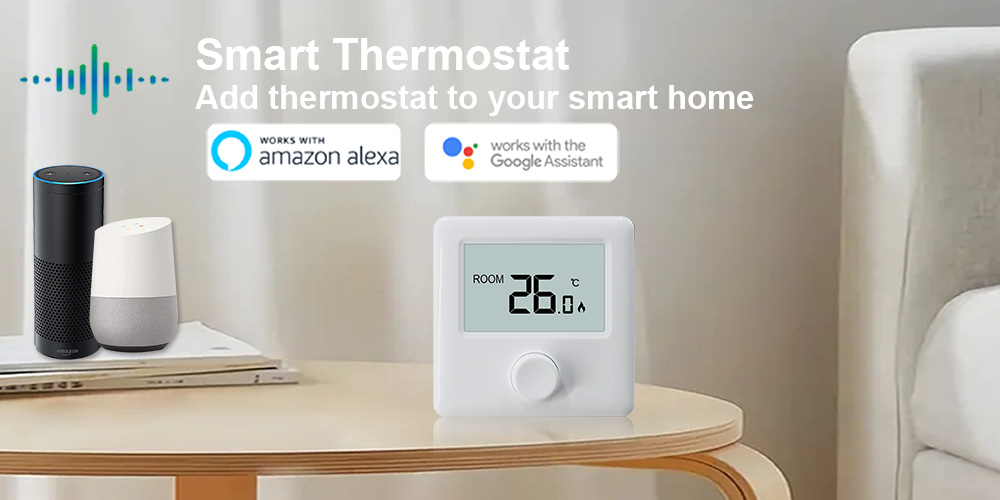
As a mature voice assistant platform, Alexa can work seamlessly with a wide range of smart home devices. Once a plug-in thermostat is connected to the Alexa ecosystem, it can be integrated with smart lighting, curtains, sensors, and other devices to create coordinated scenarios. For example, indoor temperature can be adjusted automatically based on time, environmental changes, or user commands, enabling more comprehensive and intelligent environmental control.
More Flexible Remote and Scene-Based Control
Alexa-compatible thermostats typically support network connectivity, making remote temperature management easy. Users can adjust settings before arriving home or after leaving, ensuring a comfortable environment when needed. In addition, Alexa’s scene and routine features allow thermostat control to be embedded into daily life patterns, such as “home,” “away,” or “sleep” modes, aligning temperature management more closely with real usage habits.
Better Support for Energy Optimization
The combination of voice control and intelligent scenes makes it easier for users to adjust temperatures appropriately, reducing unnecessary energy consumption caused by inconvenient manual operation. In some applications, thermostats can automatically switch to energy-saving modes based on predefined logic, preventing extended operation at high power levels. Over time, this intelligent control approach helps improve overall energy efficiency.
Enhanced Future Compatibility and Scalability
Choosing a plug-in thermostat that supports Alexa means benefiting from a broader and continuously evolving ecosystem. As the Alexa platform receives updates and new features, compatible thermostats can also gain additional capabilities through software upgrades. This scalability extends product lifespan and reduces the need for frequent replacements driven by technology changes.
Suitable for a Wide Range of Applications
Alexa-enabled plug-in thermostats are well suited not only for residential use but also for small commercial spaces, offices, and short-term rental properties. Voice control simplifies management and reduces manual intervention while enhancing user experience. For users who value convenience and intelligent control, these thermostats offer strong practical advantages.
Conclusion
Overall, plug-in thermostats that support Alexa offer significant advantages in ease of use, system integration, energy management, and future expandability. As voice interaction becomes increasingly embedded in daily life, these thermostats are set to play an important role in smart homes and modern building environments, delivering a more natural and efficient approach to temperature control.