
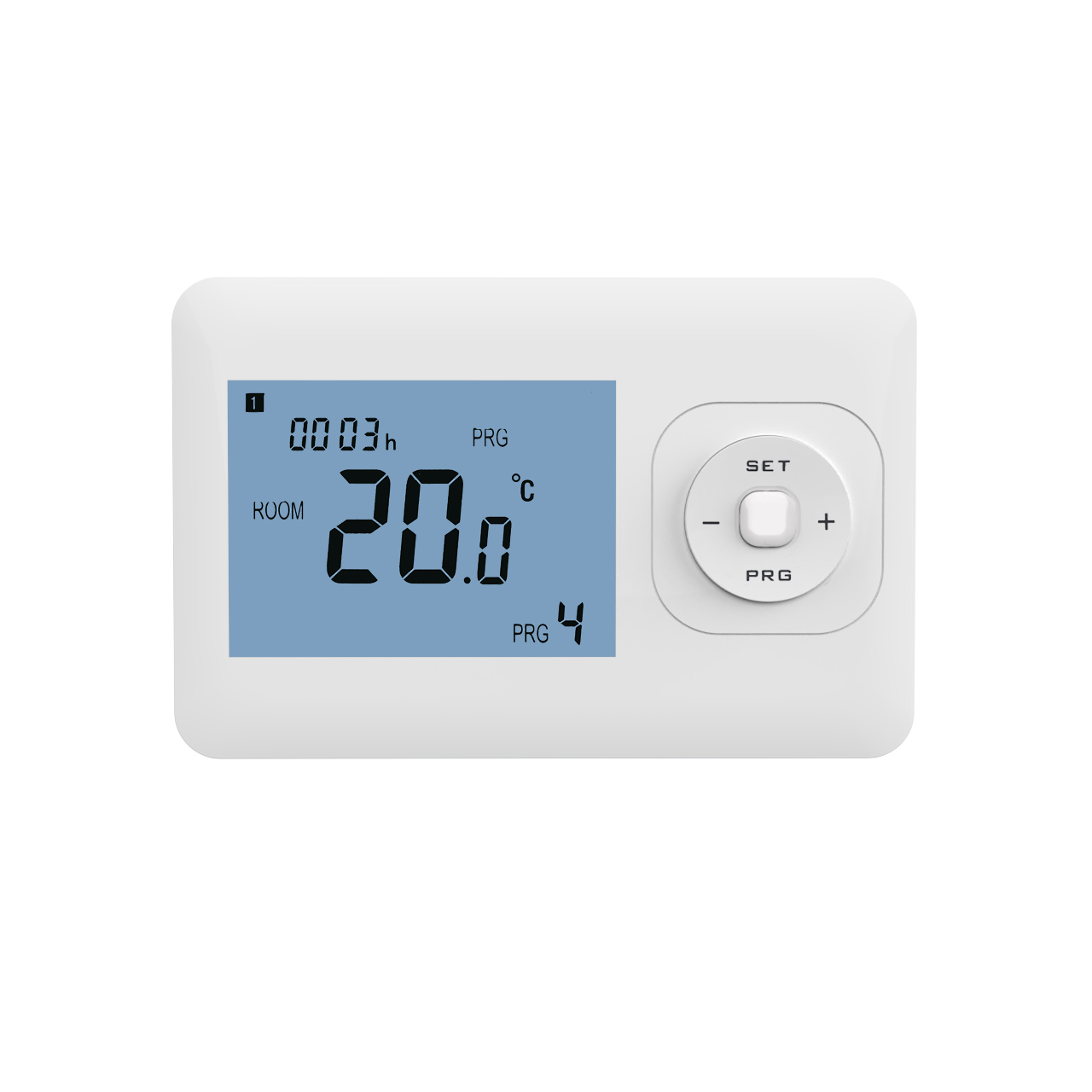
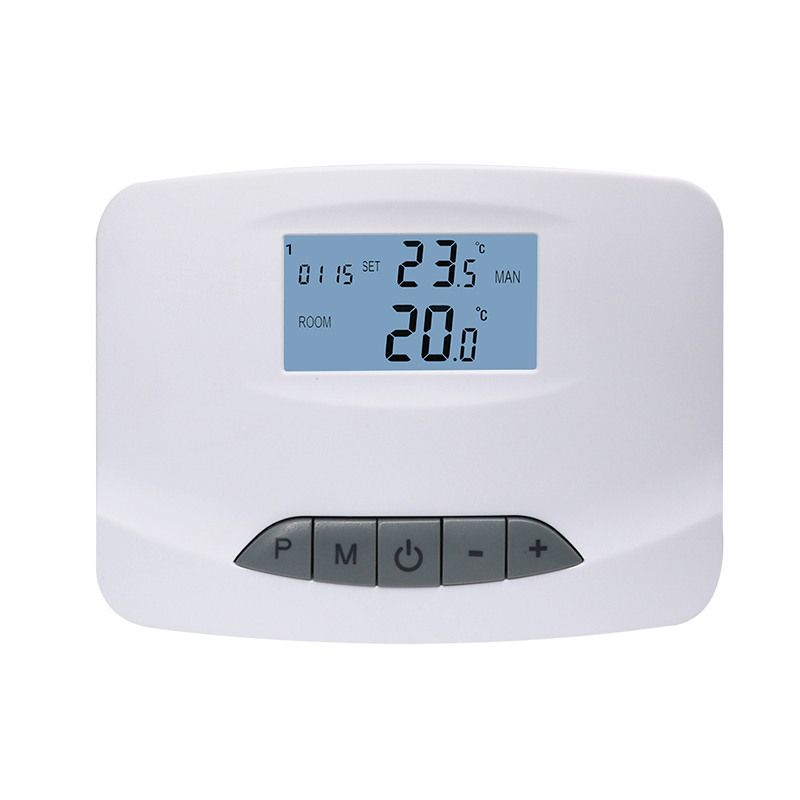
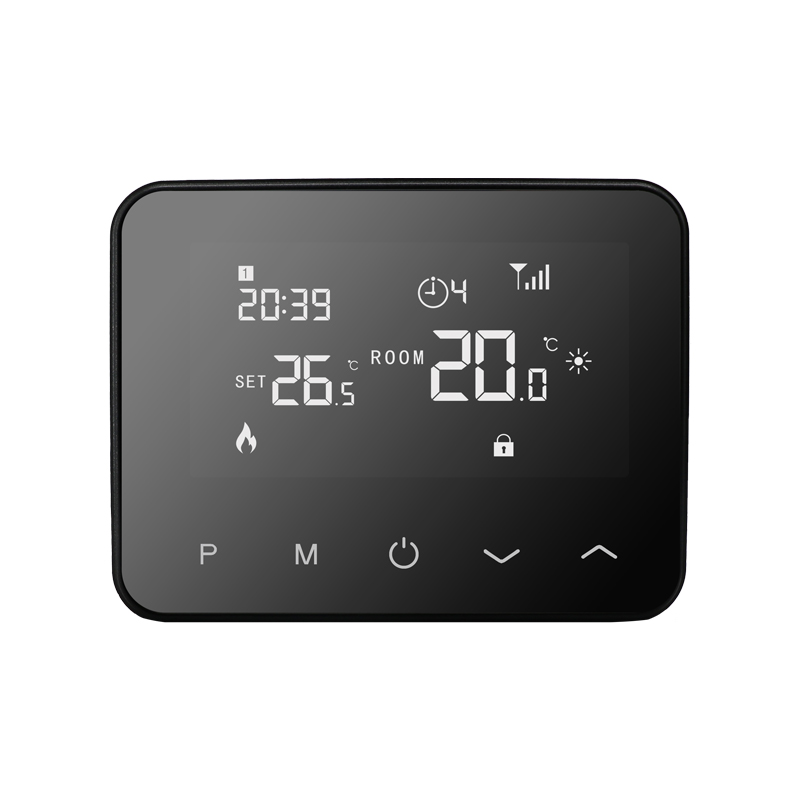
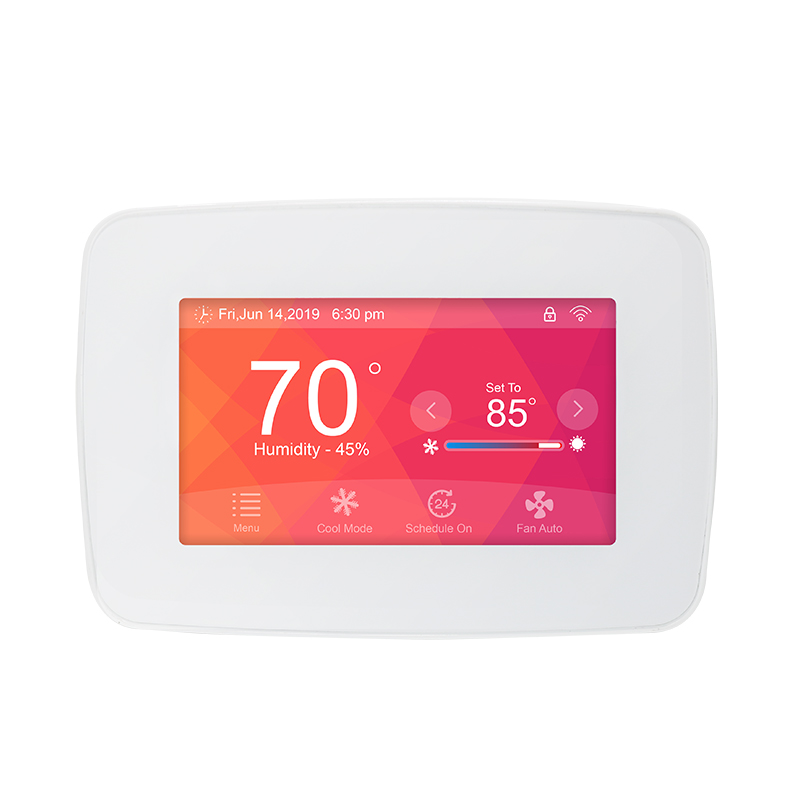
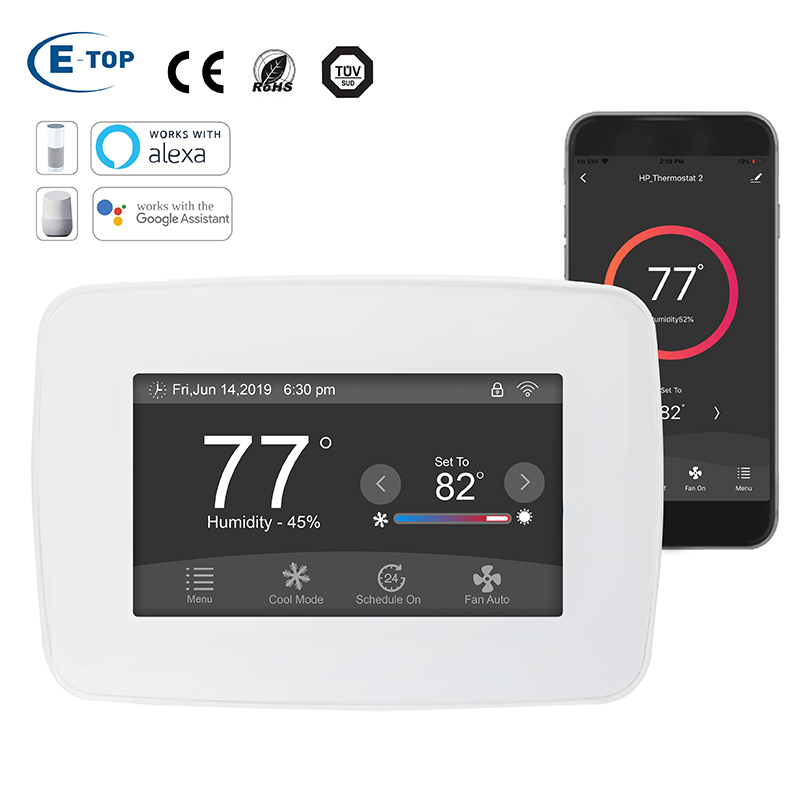
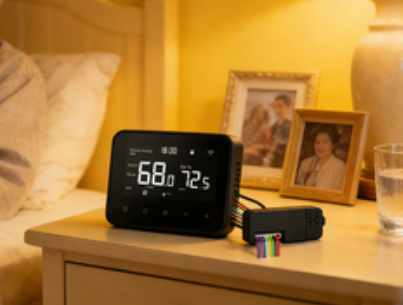
With the rise of smart homes and the increasing demand for precise temperature control, plug-in thermostats have gradually gained popularity. Compared to traditional wall-mounted thermostats, these devices are known for their “plug-and-play, flexible deployment” features and are widely used in electric heaters, underfloor heating zones, and temporary heating scenarios. To determine the practicality of a plug-in thermostat, the key lies in its core functions. Below, we will systematically analyze the main features of plug-in thermostats from a practical use perspective.
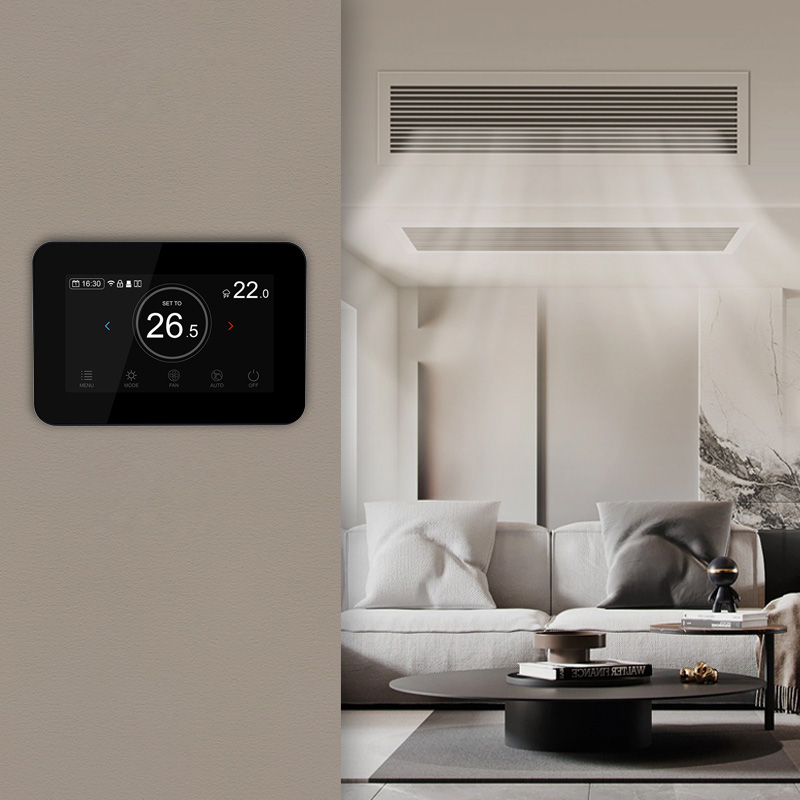
Precise Temperature Sensing and Control
Temperature sensing capability is the fundamental and most critical function of plug-in thermostats. Through built-in high-sensitivity temperature sensors, the thermostat can continuously monitor the ambient temperature and provide feedback to the control system. When the actual temperature deviates from the preset value, the device automatically controls the power on/off, ensuring that heating or cooling devices operate within the desired range. This closed-loop control mechanism not only improves comfort but also prevents large temperature fluctuations.
Plug-and-Play Power Control
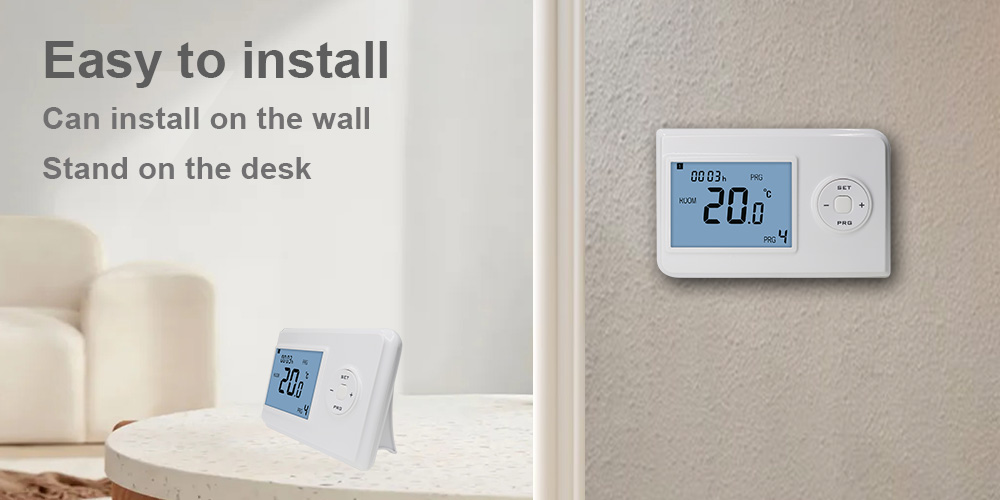
Unlike wall-mounted thermostats that require wiring installation, plug-in thermostats are powered directly through a socket and control the connected devices via their output ports. This design allows users to quickly upgrade their temperature control system without modifying existing electrical circuits, making it especially suitable for rental homes or spaces where temporary temperature control is needed. For electric heaters, oil-filled radiators, and wall-mounted boilers, this feature greatly enhances flexibility.
Temperature Setting and Operational Mode Management
Modern plug-in thermostats typically offer multiple temperature settings, allowing users to adjust the target temperature according to the season, time of day, or personal preferences. Additionally, some models feature different operating modes, such as constant temperature mode, energy-saving mode, or freeze protection mode. In colder seasons, the freeze protection mode ensures a minimum safe temperature to prevent pipes or equipment from freezing, while the energy-saving mode reduces energy consumption by minimizing frequent on/off cycles.
Timer and Program Control Features
Timer control is one of the important additional functions of plug-in thermostats. By setting specific on/off times, the device can automatically operate at designated periods, such as pre-heating in the morning or lowering the temperature at night. This programmatic control not only improves comfort but also prevents unnecessary operation, achieving energy savings. For households with regular schedules, this feature is particularly useful.
Safety Protection and Fault Detection
In prolonged use and frequent on/off cycles, safety is paramount. Plug-in thermostats typically include overload protection, over-temperature protection, and power failure memory functions. When abnormal current or device malfunctions are detected, the system automatically cuts off the power to prevent potential risks. These safety features not only extend the lifespan of the thermostat but also enhance overall electrical safety.
Energy Consumption Management and Optimization
Energy efficiency is one of the key reasons why users opt for plug-in thermostats. Through precise temperature control and intelligent on/off logic, the device reduces unnecessary heating time, thereby lowering overall energy consumption. Some thermostats even offer usage logs to help users understand their consumption habits and optimize usage for better efficiency. This “visible energy savings” is particularly important in the context of rising energy costs.
Compatibility and Expandability
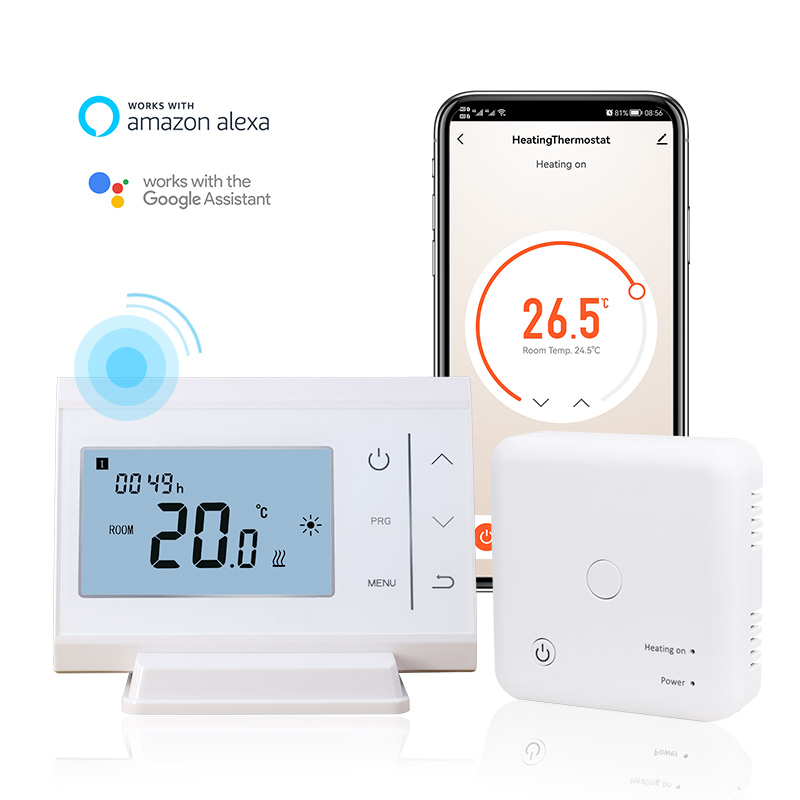
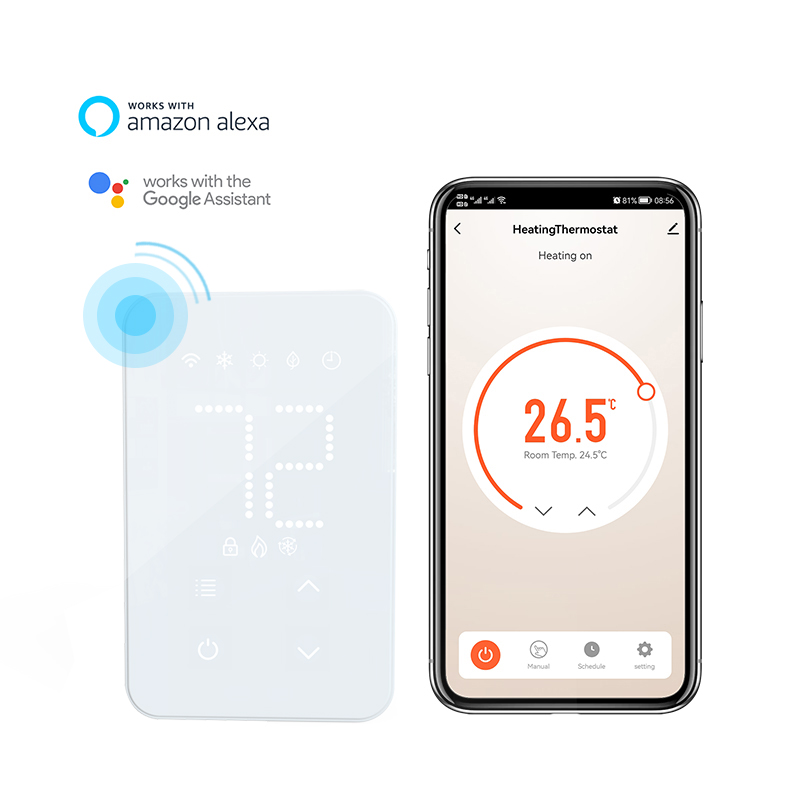
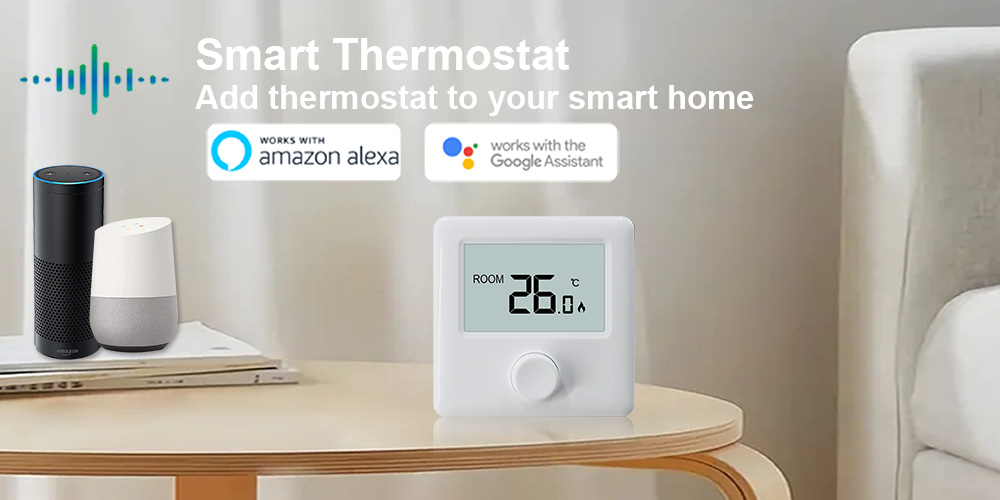
A high-quality plug-in thermostat usually boasts excellent compatibility, adapting to various electric heating or temperature control devices. Additionally, some products support integration with smart home systems, enabling remote control or voice commands. While not all users require advanced integration, good expandability certainly leaves room for future upgrades.
Conclusion
In summary, the core functions of plug-in thermostats revolve around precise temperature control, flexible power management, safety protection, and energy optimization. These thermostats provide a highly cost-effective temperature control solution for homes and small commercial spaces, with the advantages of easy installation and practical functionality. When selecting a product, evaluating these core functions is often more important than merely focusing on appearance or price, as it ensures a better long-term user experience.