
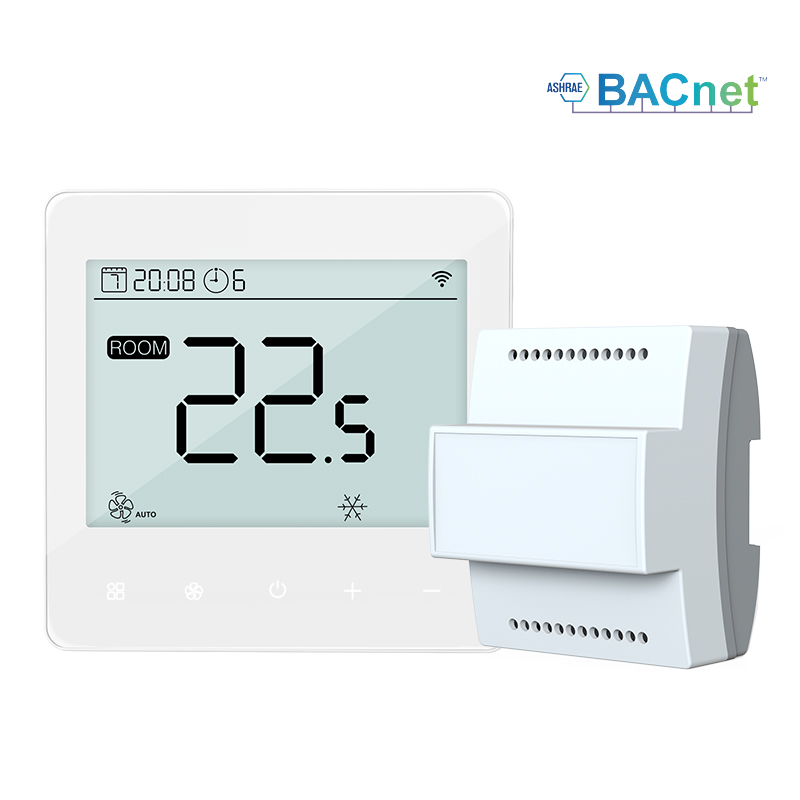
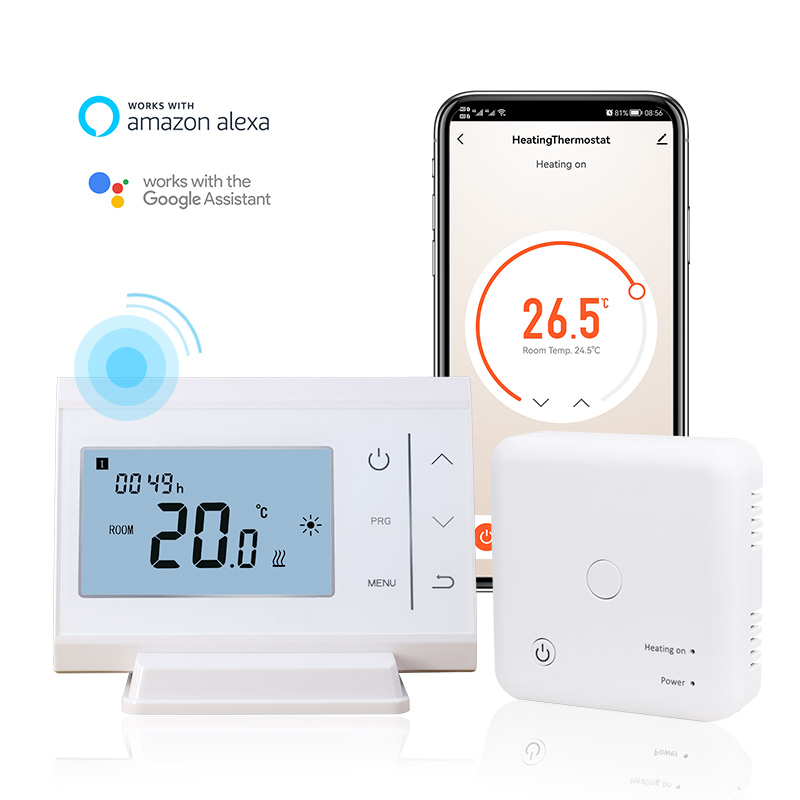
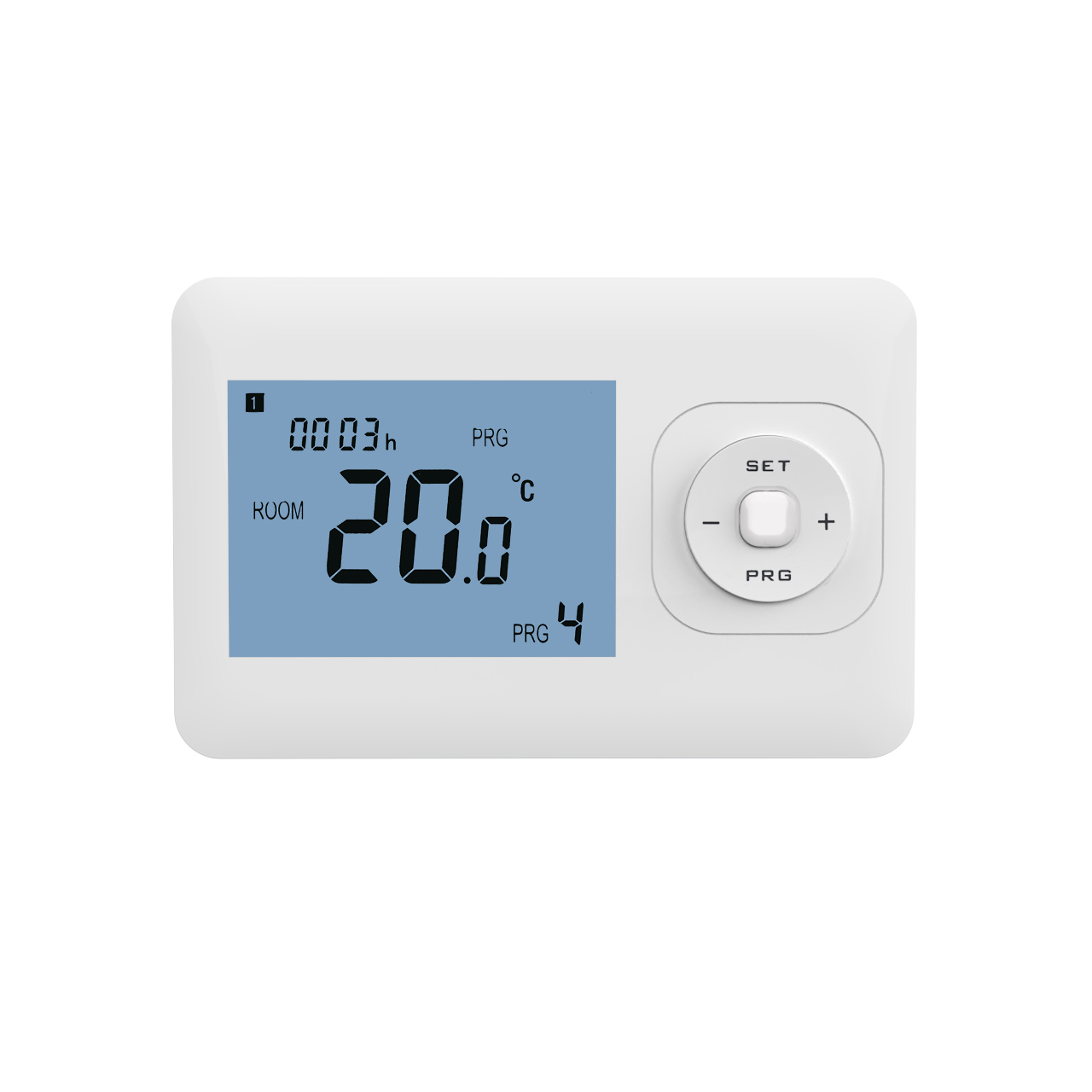
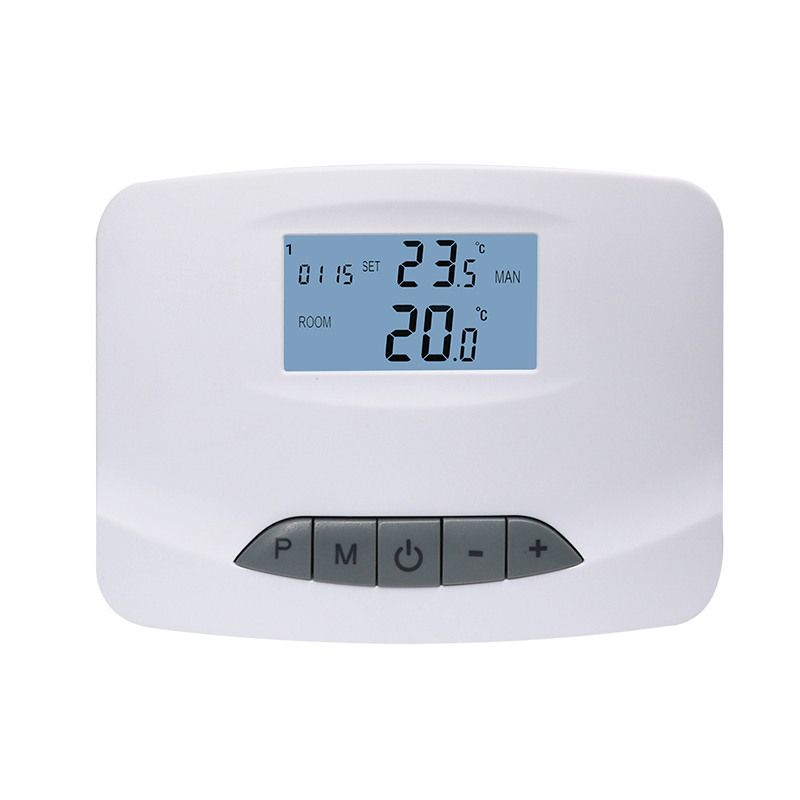
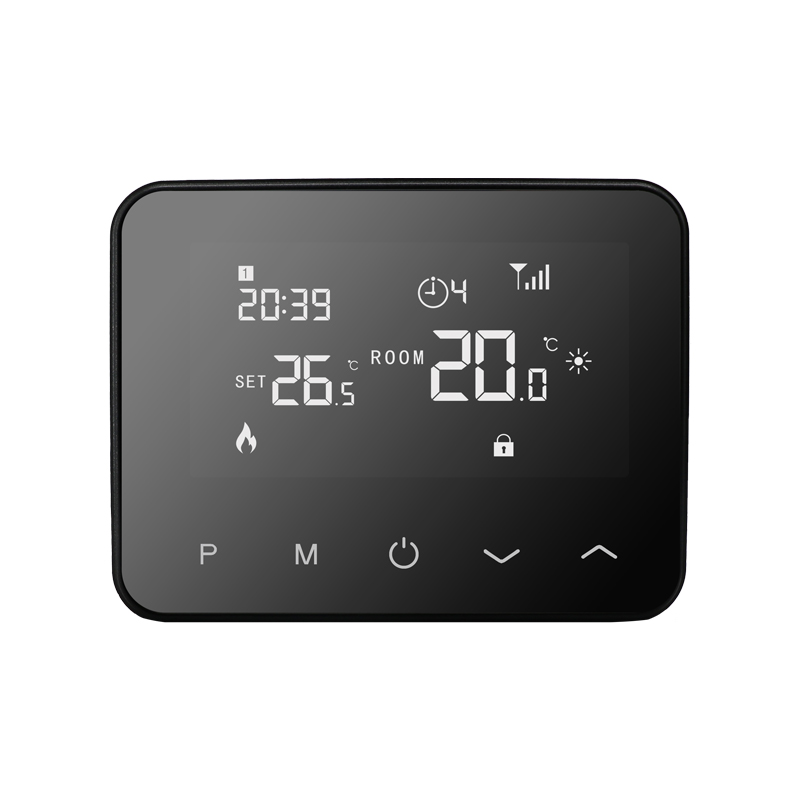
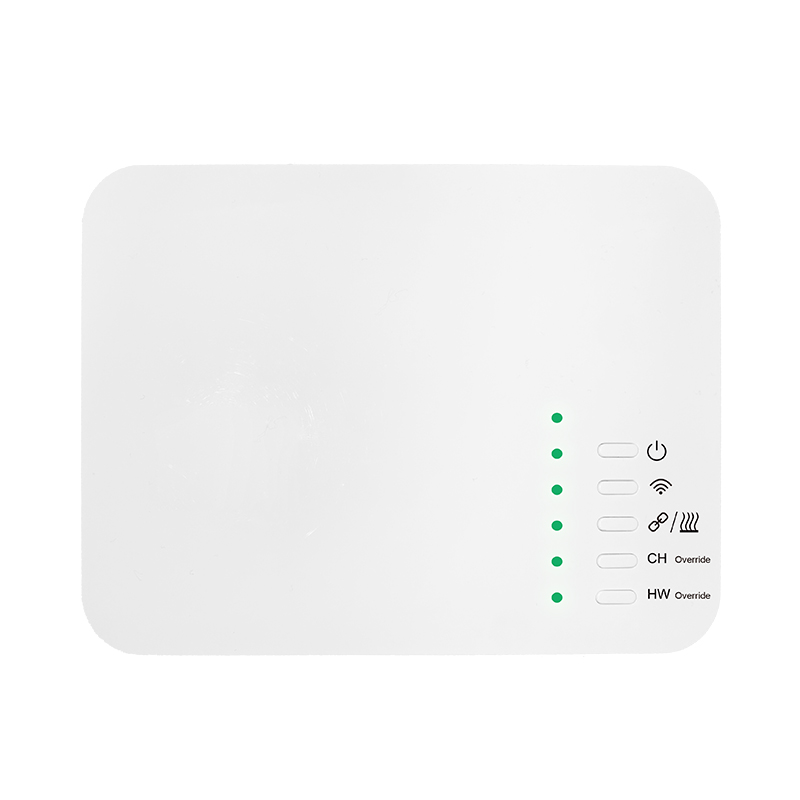
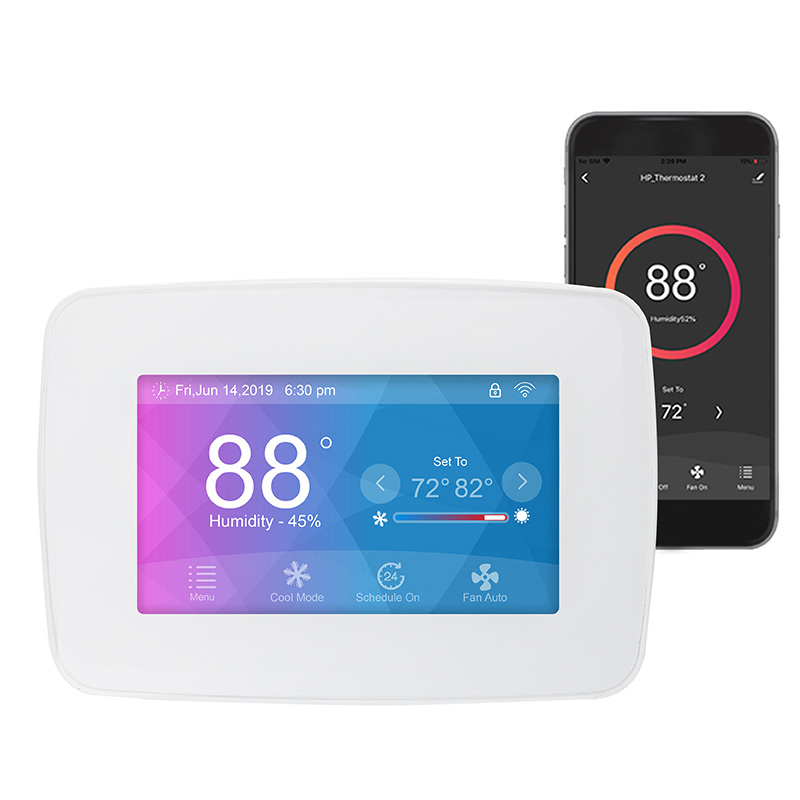
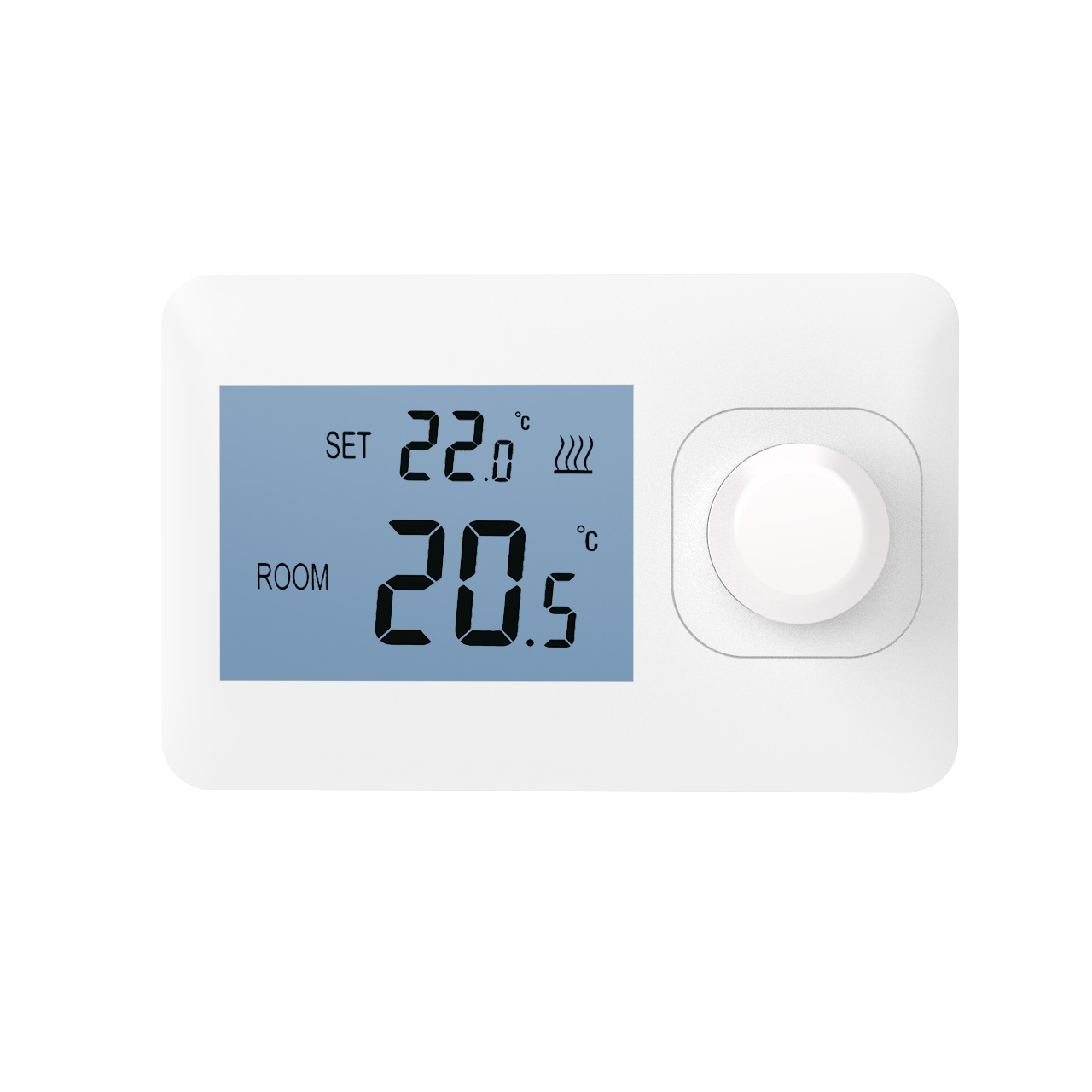
In modern building HVAC systems, fan coil thermostats (FCU Thermostats) are the core devices for achieving indoor temperature comfort and energy-efficient control. With the rise of building automation and smart buildings, selecting a thermostat that supports Modbus or BACnet protocols allows seamless integration with a Building Management System (BMS), improving management efficiency and energy savings. This guide provides a comprehensive reference on thermostat selection, protocol compatibility, and practical applications.
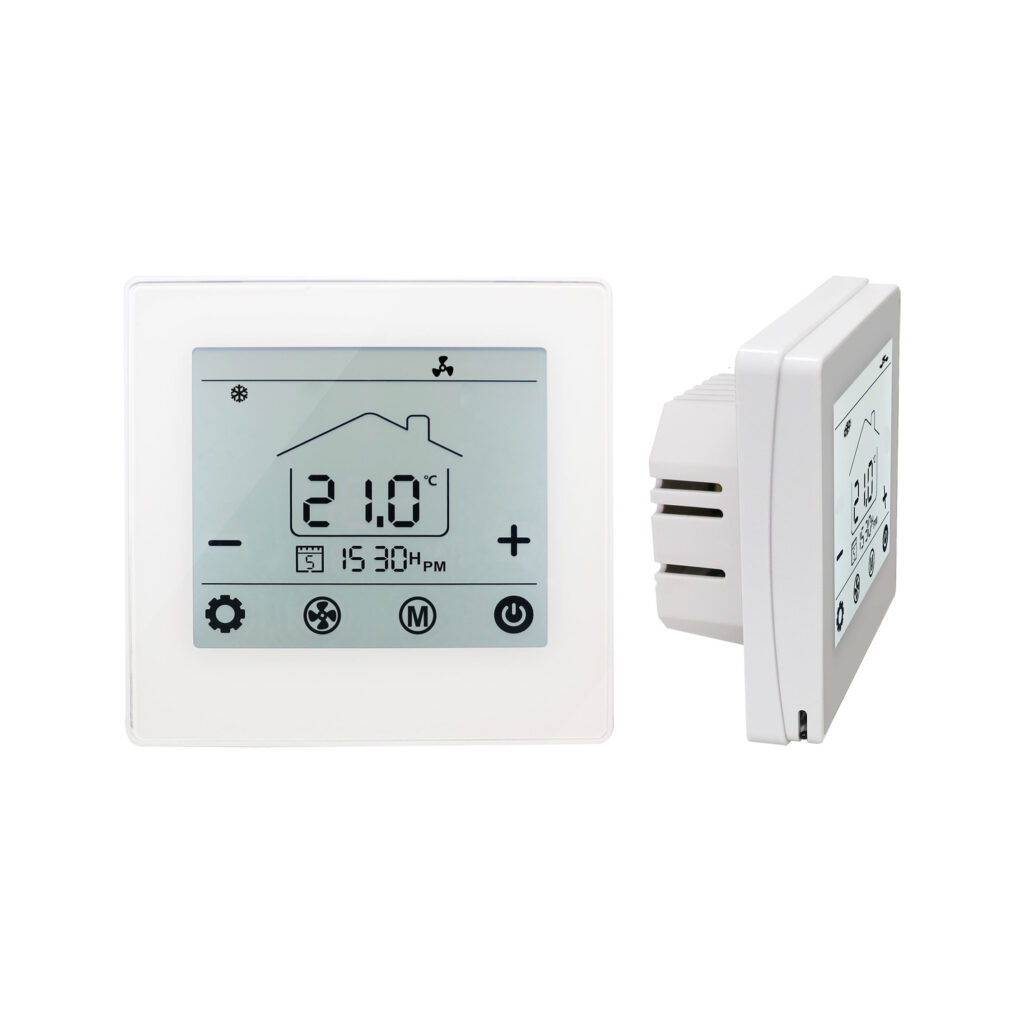
Key Factors for Selecting a Fan Coil Thermostat
When choosing a thermostat, users should focus on the following core factors:
Protocol Compatibility
Modbus is a widely used serial communication protocol, suitable for device-to-device data transfer and remote control.
BACnet is an international standard for building automation systems, ideal for integrating devices from multiple brands.
Choosing a thermostat that supports both protocols ensures system scalability and long-term compatibility.
Control Functions
The thermostat should provide temperature control, fan speed adjustment (low/medium/high/auto), and operating mode selection (cooling/heating/auto).
Programmable features (such as 7-day/4-period scheduling) can further improve energy efficiency.
Sensors and Interfaces
The thermostat should support internal temperature sensors and optional external sensors to improve temperature control accuracy.
Digital or analog output compatibility ensures seamless integration with different FCU systems.
Modbus and BACnet Compatibility Explained
1. Modbus Compatibility
Modbus is known for simplicity and reliability. Thermostats using Modbus connect to a BMS via RS-485 bus, enabling remote temperature read/write, fan control, and status monitoring. Key advantages include:
Real-time temperature and system data acquisition.
Easy configuration and maintenance, suitable for single-building or small-scale systems.
2. BACnet Compatibility
BACnet is an international standard protocol widely used in large-scale building automation. Thermostats supporting BACnet can:
Integrate with lighting, security, and energy management systems.
Enable cross-brand device communication and centralized control.
Provide advanced alarms and event management features.
3. Choosing the Right Compatibility
For smaller systems or single-building applications, a Modbus thermostat may suffice.
For complex systems involving multiple brands or deep BMS integration, a thermostat supporting both Modbus and BACnet is recommended to ensure long-term scalability.
Practical Applications and Installation Considerations
Hotels and Office Buildings
Zoning control and programmable schedules improve comfort and energy savings.
Modbus/BACnet-compatible thermostats can be integrated into a BMS for centralized remote management.
Installation Considerations
Install the thermostat in a well-ventilated area, away from direct sunlight.
Ensure proper connections; RS-485 or BACnet network wiring should avoid interference and signal loss.
Verify protocol settings and addresses during commissioning to ensure proper communication with the BMS.
Conclusion
Selecting a fan coil thermostat compatible with Modbus and BACnet ensures precise temperature control and fan regulation while enabling seamless integration with building automation systems. When choosing a thermostat, consider protocol compatibility, control functions, sensor support, and installation environment to meet both current and future needs. The right thermostat selection is a key step in building a smart, efficient, and energy-saving HVAC system.