
In new construction projects, HVAC system design is critical for ensuring indoor comfort, energy efficiency, and system reliability. Fan coil unit (FCU) thermostats are key control nodes in these systems, and their proper configuration directly affects temperature regulation and energy management. This article provides configuration recommendations for FCU thermostats in new projects, covering thermostat type selection, functionality matching, installation placement, and smart integration.
Selecting the Appropriate Thermostat Type
The first step in new construction projects is to select a thermostat type based on building type, usage, and HVAC system characteristics. Common FCU thermostat types include:
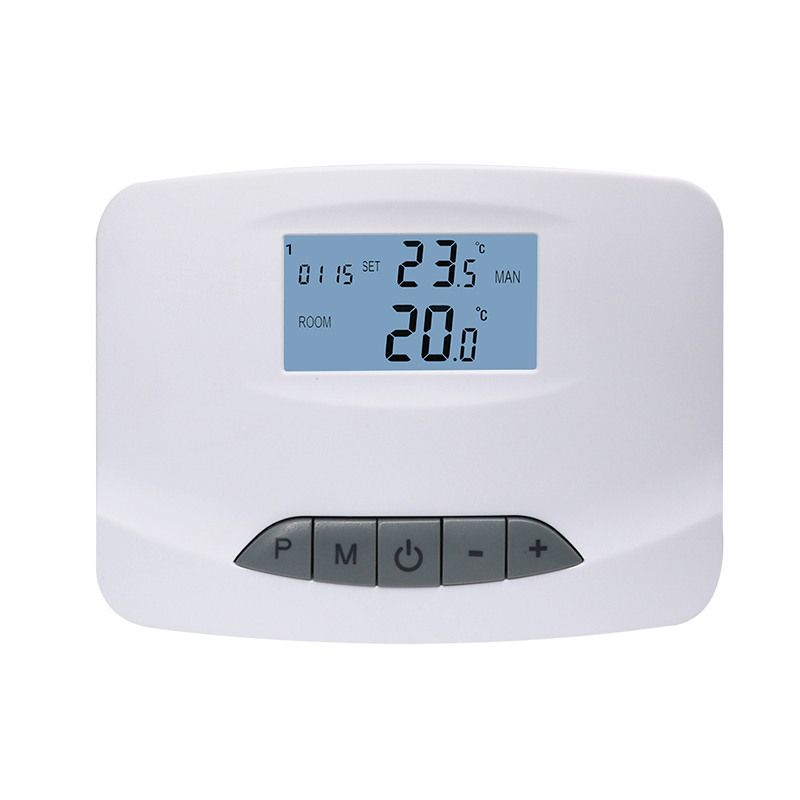
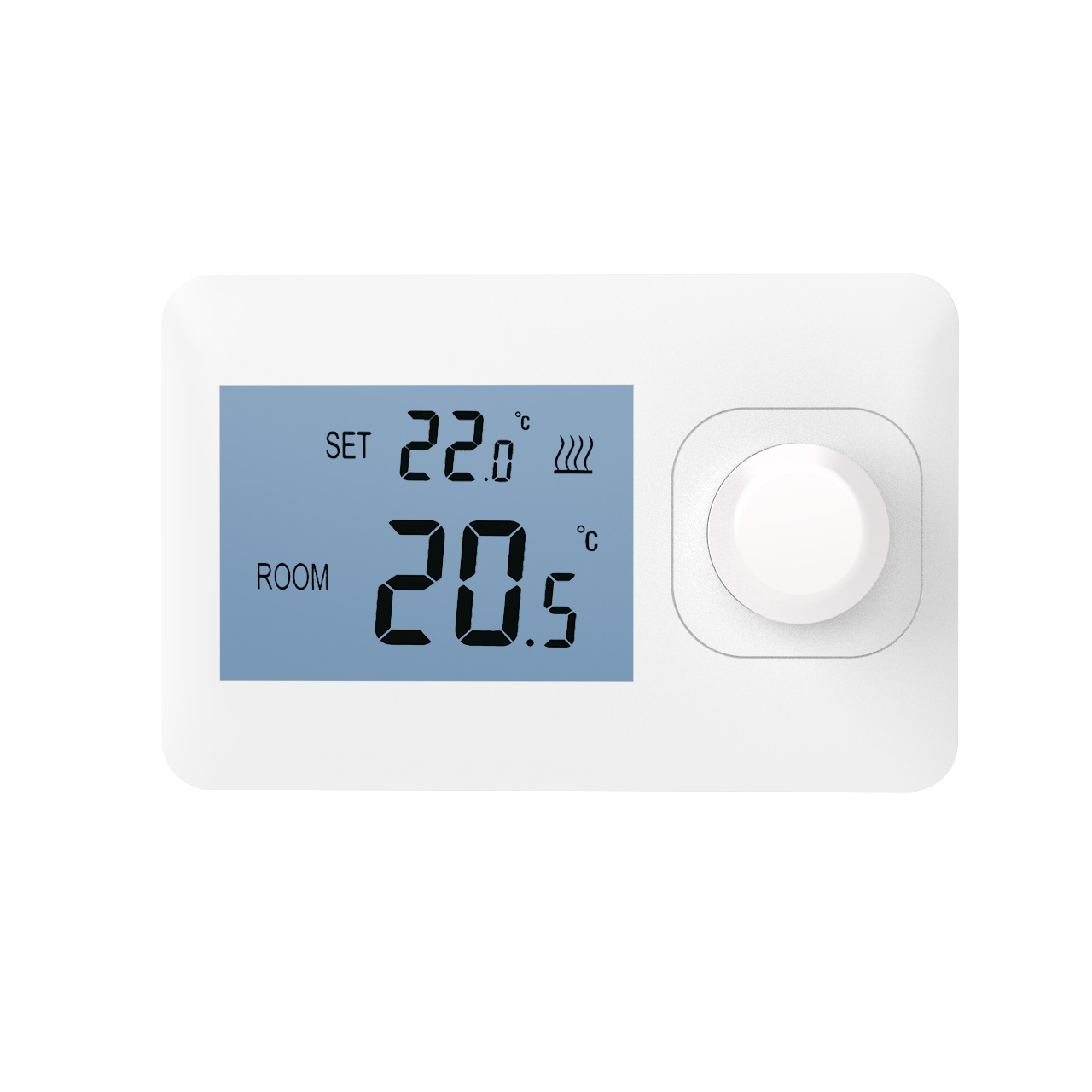
Electronic Thermostats: Cost-effective with basic functions, suitable for standard office or commercial spaces.
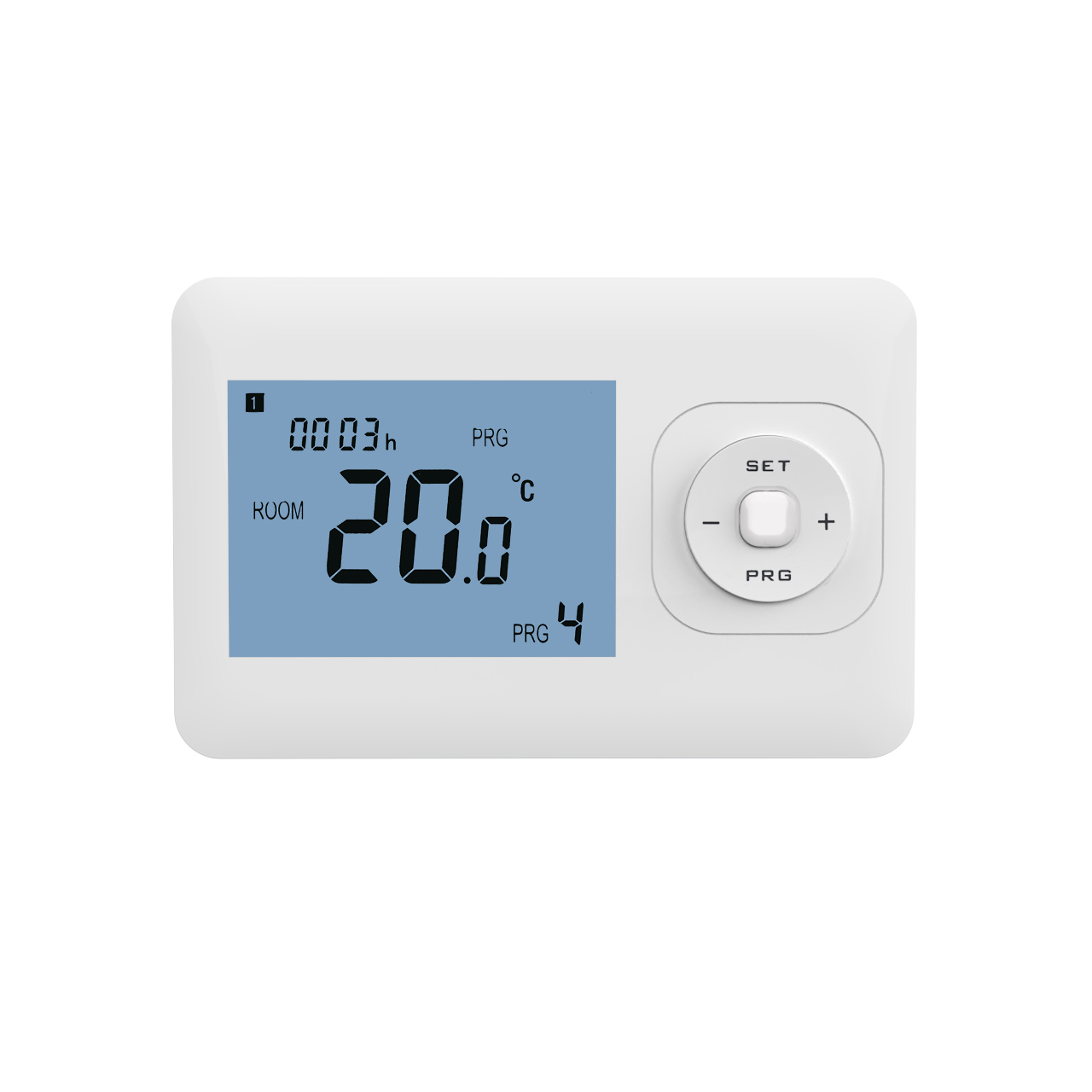
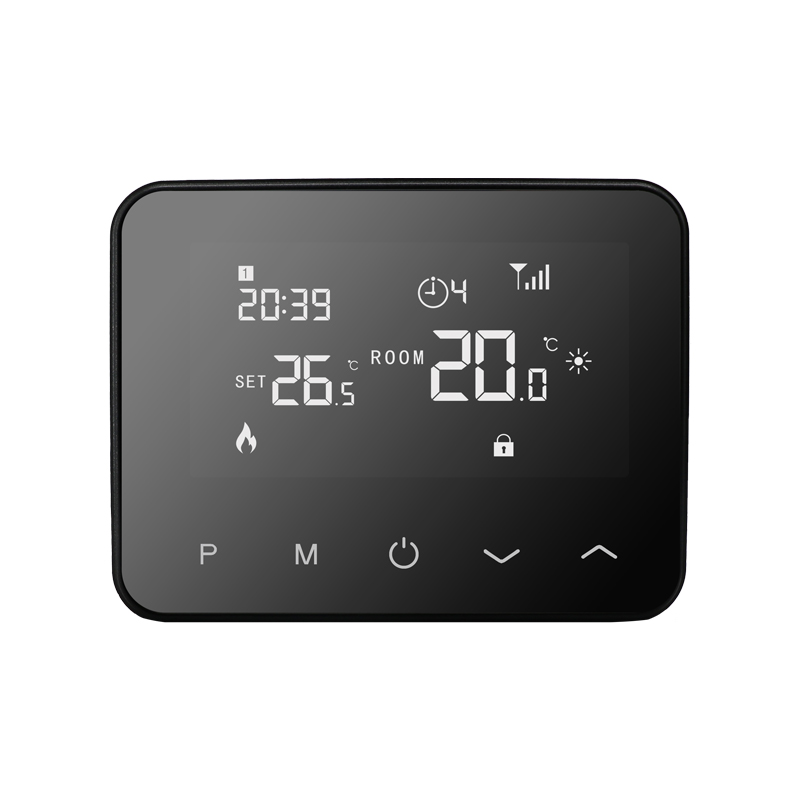
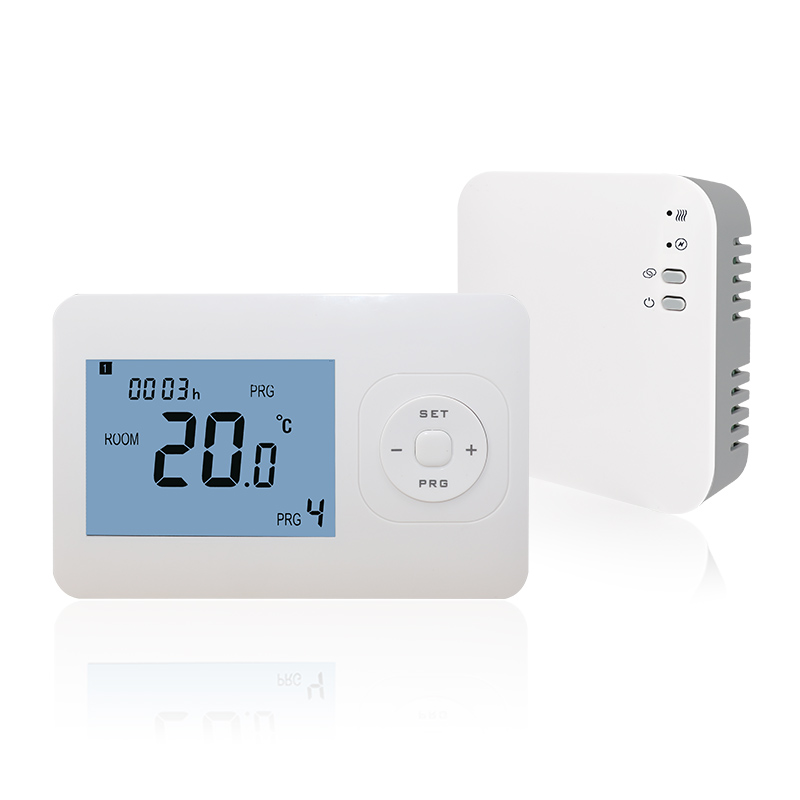
Digital Thermostats: Provide precise temperature control and scheduling, ideal for spaces with higher comfort requirements, such as meeting rooms or laboratories.
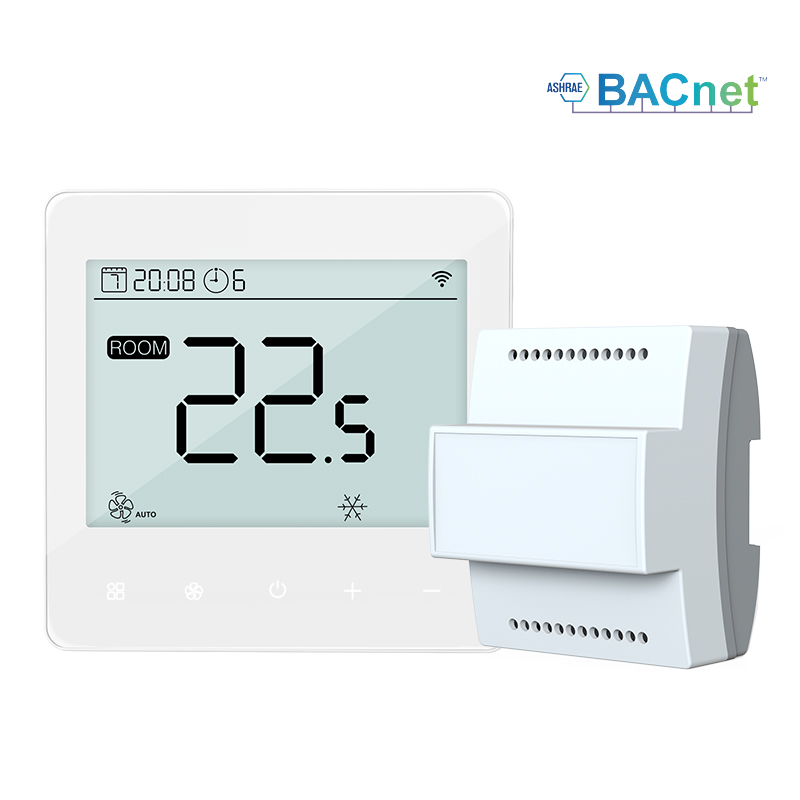
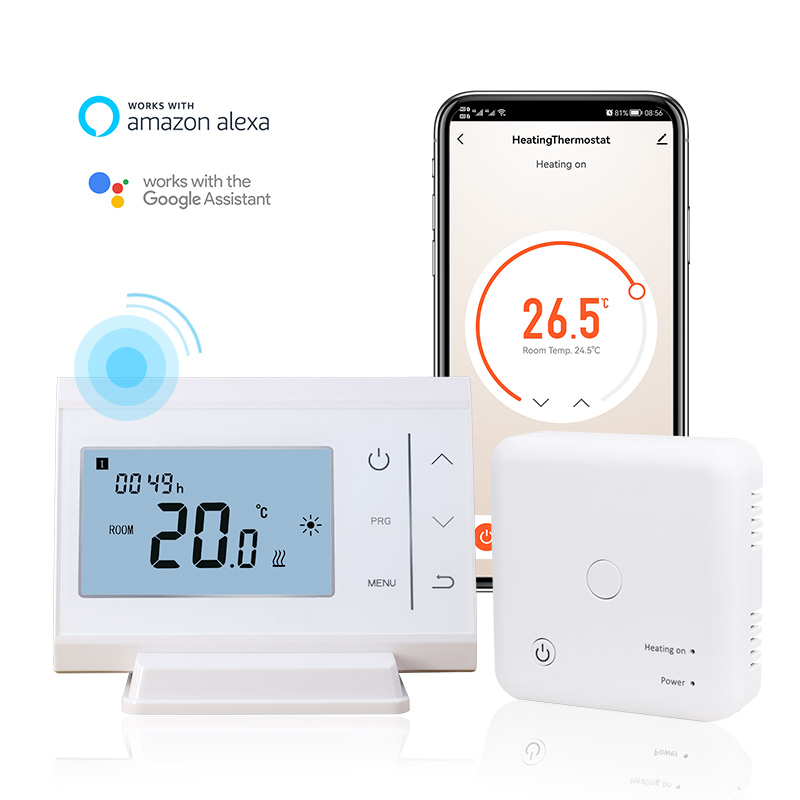
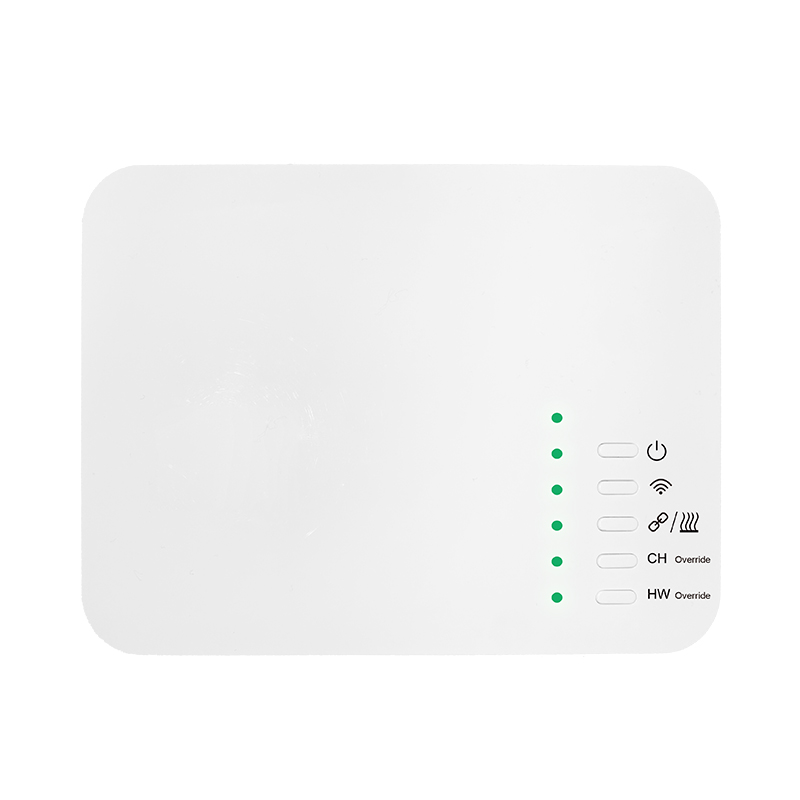
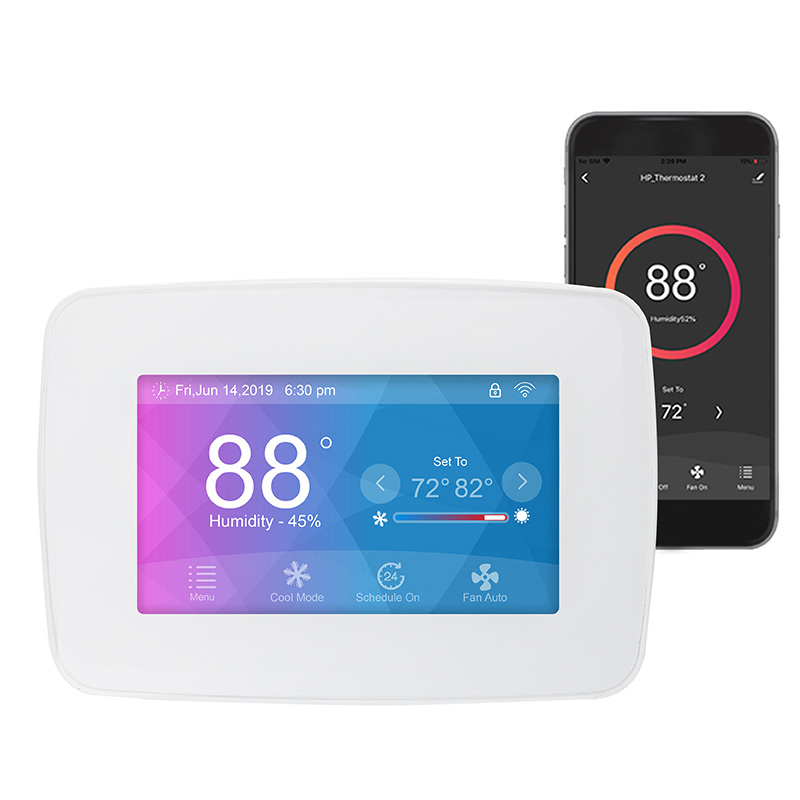
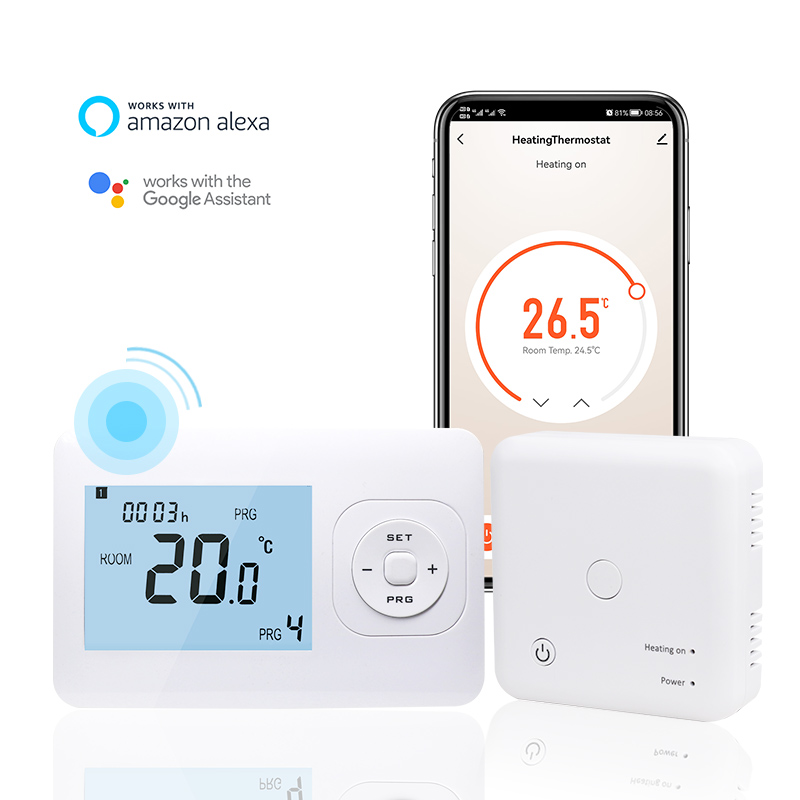
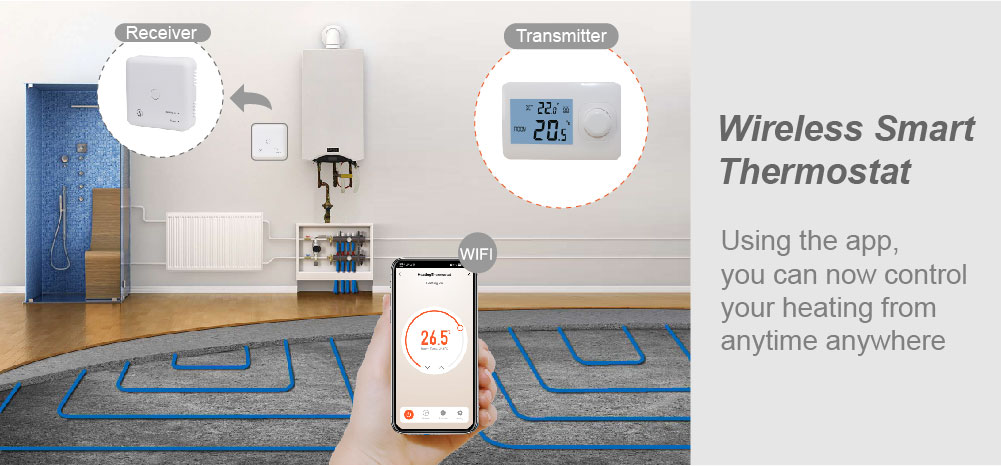
Smart Thermostats: Support remote control, centralized management, and building management system (BMS) integration, recommended for large commercial buildings, hotels, or high-end offices.
For new projects, digital or smart thermostats are recommended to enhance comfort, energy efficiency, and ease of maintenance.
Matching Functionality and Control
Thermostat functions should align with the system’s control requirements. Key considerations include:
Fan Control Modes: Two-speed, three-speed, or variable speed to match airflow with load requirements.
Valve Control Type: Electric valves or proportional control valves, selected according to heating and cooling load characteristics.
Scheduling and Energy-Saving Modes: Night-time energy-saving, holiday modes, and zone-based control reduce operating costs.
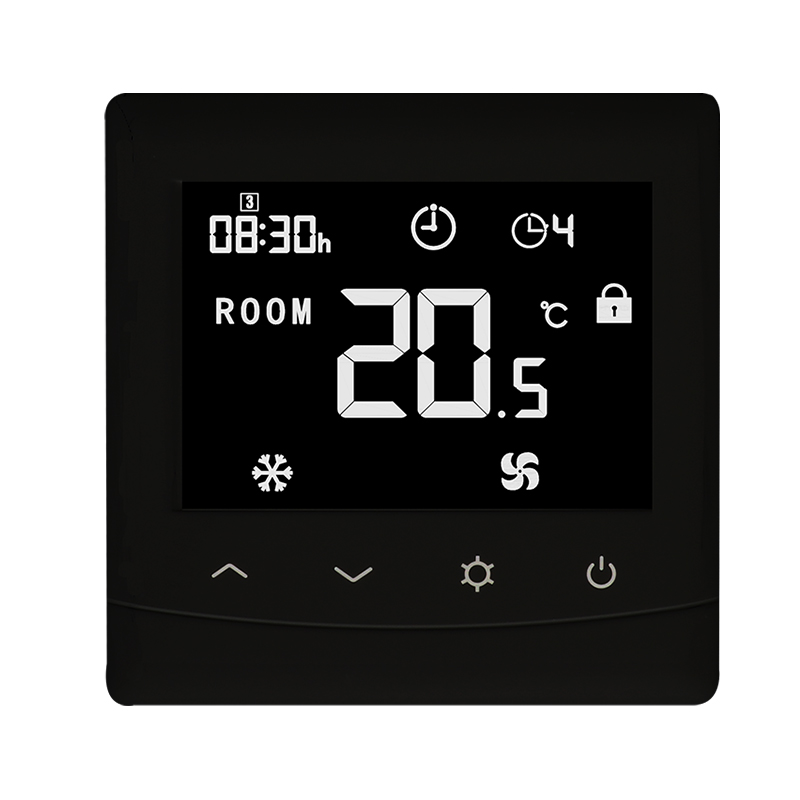
Display and Alarms: Temperature display, operating status indicators, and fault alarms facilitate system maintenance.
Proper functional matching ensures that FCU systems operate efficiently and reliably while providing optimal user comfort.
Installation Location and Environmental Considerations
Thermostat placement directly impacts temperature accuracy and control effectiveness. Recommendations for new projects include:
Avoid direct sunlight, proximity to air supply outlets, or heat sources to prevent inaccurate readings.
Install at a height of 1.2–1.5 meters, approximating the average occupant’s thermal comfort level.
Avoid locations near doors or exterior walls that may be affected by outdoor temperature changes.
For multi-zone control, place thermostats in main activity areas to enable effective zone-based temperature management.
Proper placement reduces temperature control errors, improves comfort, and provides reliable data for energy-saving strategies.
Smart Integration with Building Management Systems
For new construction projects, it is advisable to select smart thermostats that can integrate with a BMS. Benefits include:
Remote Centralized Control: Manage temperature across the building efficiently.
Data Collection and Analysis: Real-time monitoring of temperature, fan, and valve status supports energy optimization.
Automatic Adjustment and Energy-Saving Strategies: Adjust temperature and fan speed based on load changes to reduce energy consumption.
Alarms and Maintenance Alerts: Real-time fault notifications reduce manual inspections and enhance operational efficiency.
Smart configuration not only improves comfort but also significantly reduces energy costs, aligning with modern building energy management goals.
Summary Recommendations
When configuring FCU thermostats in new construction projects, consider the following factors:
Thermostat Type Selection: Prefer digital or smart thermostats based on building function.
Functionality Matching: Ensure fan control, valve type, energy-saving modes, and alarms align with system requirements.
Optimal Installation Placement: Avoid interference factors to ensure accurate temperature measurement.
Smart Integration: Enable BMS connection for centralized control and energy optimization.
By scientifically configuring thermostats, new buildings can achieve comfortable, efficient, and energy-saving FCU operation, while providing a reliable foundation for future maintenance and building management system integration.