
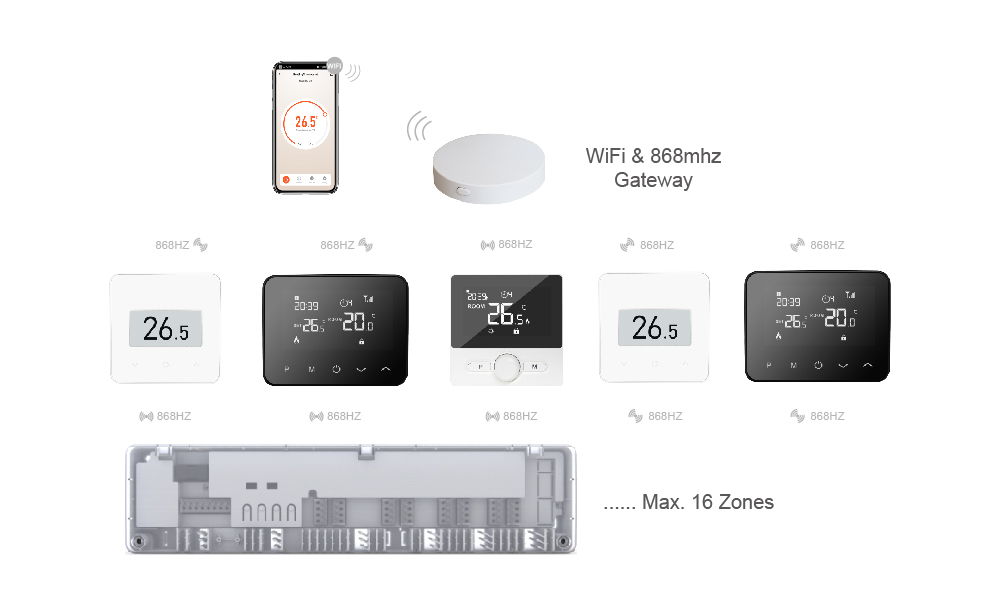
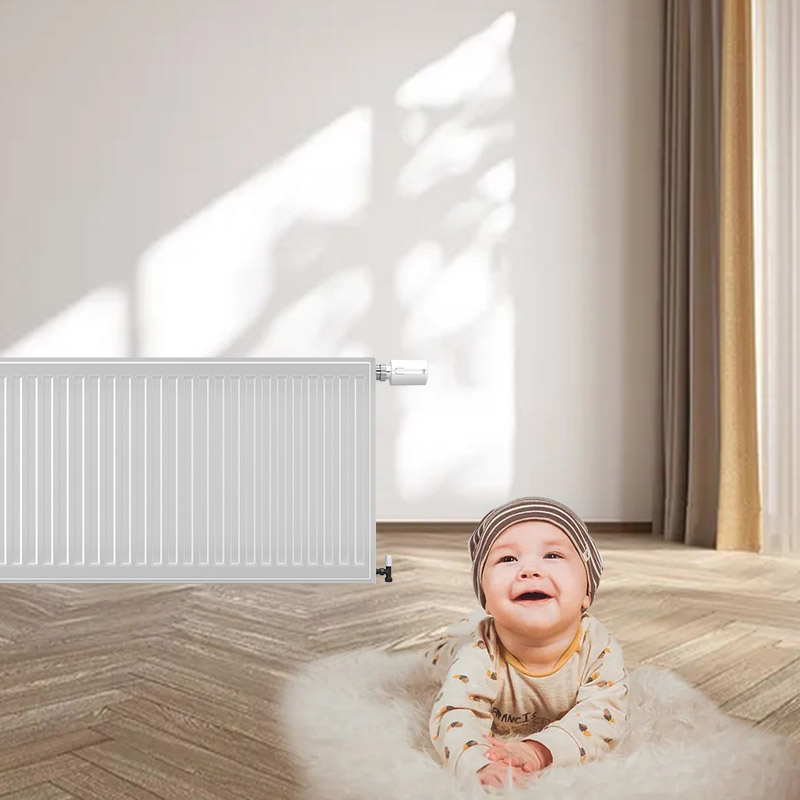
Fan coil unit underfloor heating heat pump systems combine high-efficiency energy utilization with flexible terminal control, providing integrated solutions for cooling, heating, and indoor comfort. This type of system is widely used in residential buildings, apartments, villas, and commercial spaces. Installation quality directly affects system stability, energy consumption, and long-term performance, making precise control of installation procedures and technical details essential.
System Structure and Operating Logic
A fan coil unit underfloor heating heat pump system consists of a heat pump unit, water distribution piping, fan coil terminals, underfloor heating pipelines, and a control system. The heat pump acts as the central heating and cooling source, transferring energy through the water system to indoor terminals. Fan coil units are mainly used for rapid cooling during summer and temperature regulation in transitional seasons, while underfloor heating provides uniform low-temperature heating in winter, ensuring stable comfort and efficient operation.
Pre-Installation Planning and Design Considerations
Before installation begins, system planning must be carried out based on building conditions to avoid later modifications that increase costs.
Key planning considerations include:
Heating and cooling load calculation: selecting appropriate heat pump capacity based on building area, orientation, and insulation level
- Terminal configuration: balancing fan coil units and underfloor heating zones
- Pipeline routing design: minimizing unnecessary bends to reduce hydraulic resistance
- Maintenance space reservation: ensuring adequate access for future inspection and servicing
Comprehensive pre-installation planning helps improve installation efficiency and long-term system reliability.
Heat Pump Unit Installation Requirements
The installation location of the heat pump unit should consider ventilation, noise control, and maintenance accessibility. Common locations include balconies, equipment platforms, or dedicated mechanical rooms. A stable foundation and vibration isolation measures are required to reduce structural noise transmission. All inlet and outlet water pipes should be fully insulated to prevent condensation, which could affect surrounding areas and equipment safety.
Underfloor Heating Installation Standards
Underfloor heating installation is a concealed process with high technical requirements. The base floor must be level and dry, insulation boards should be fully laid, reflective films installed evenly, and heating pipes arranged according to the designed spacing and securely fixed. Circuit lengths must remain within reasonable limits to ensure even heat distribution. After installation, pressure testing is required to confirm there are no leaks before backfilling and finishing works proceed.
Fan Coil Unit Installation Details
Fan coil units are typically installed within ceilings or concealed wall spaces, balancing airflow performance with noise control and maintenance accessibility. Access panels should be reserved for servicing, condensate drainage pipes must be installed with proper slope to prevent backflow, and supply and return water connections must be correctly oriented to ensure effective heating and cooling. After installation, individual unit commissioning is required to verify airflow, noise levels, and temperature response.
Water System Configuration and Installation Requirements
The water system serves as the connection between the heat pump unit and terminal devices. Pipe layouts should be clear and efficient, minimizing bends and pressure losses. Systems are commonly equipped with circulation pumps, buffer tanks, automatic air vents, and filtration devices to maintain stable water flow and operational safety. All pipelines must be insulated to reduce thermal loss and improve overall system efficiency.
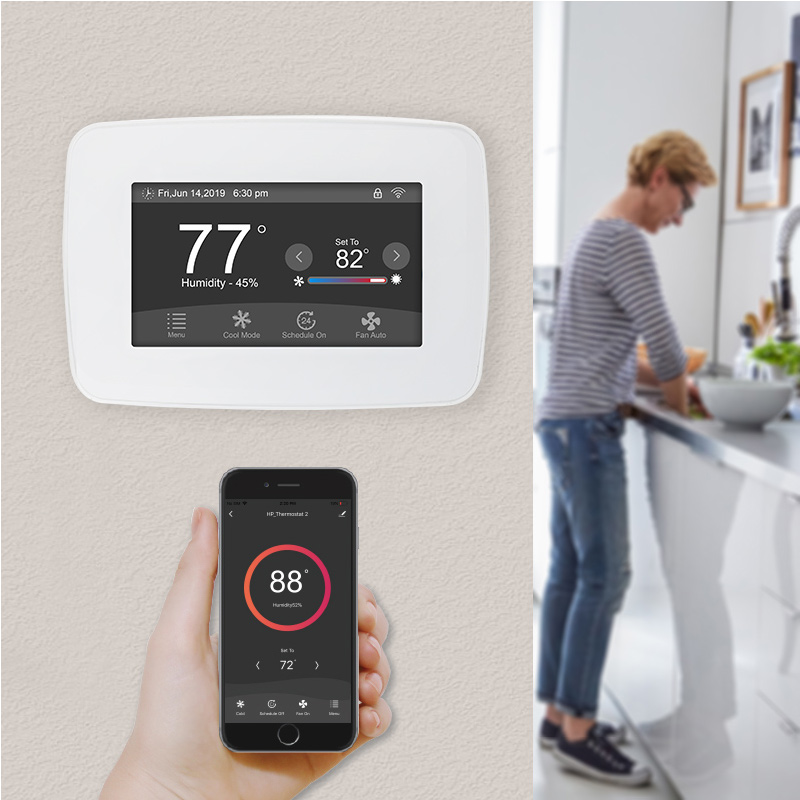
Control System and Zoning Regulation
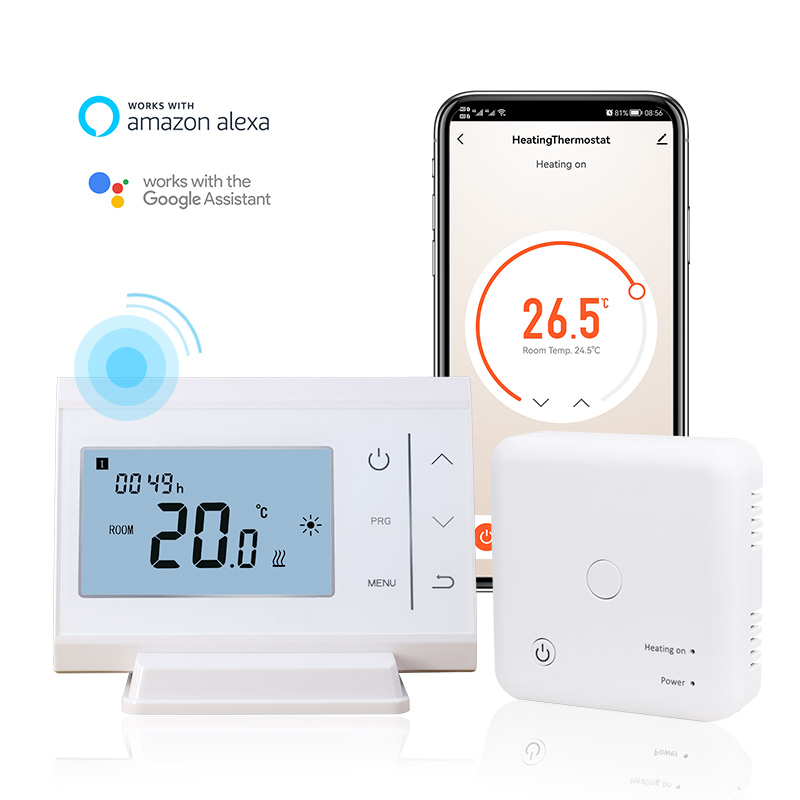
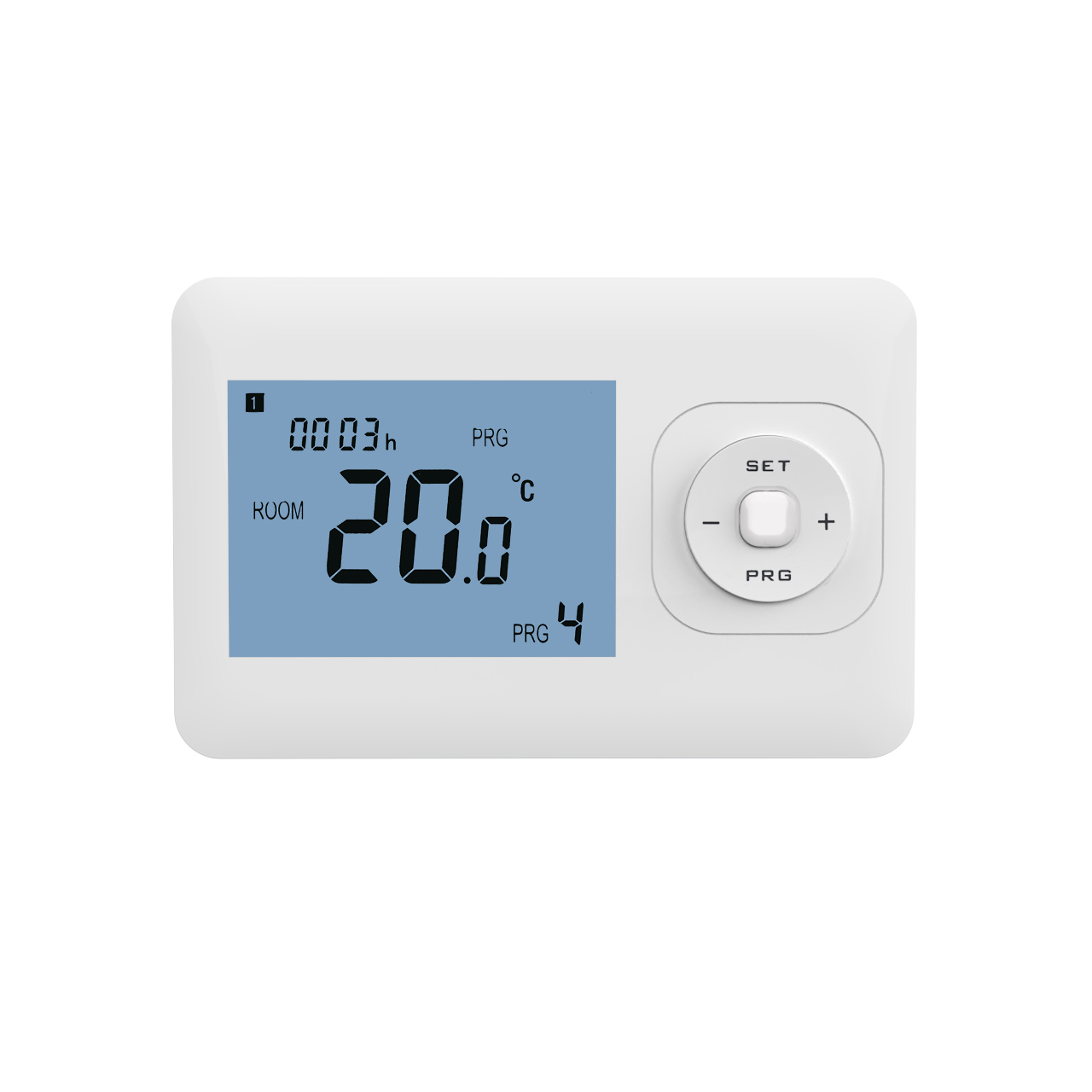
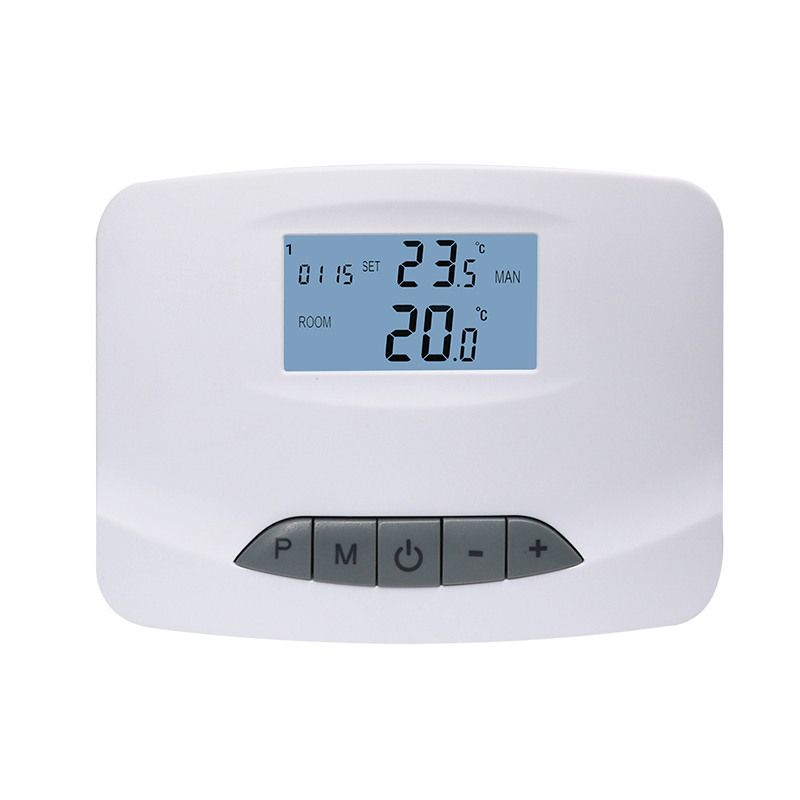
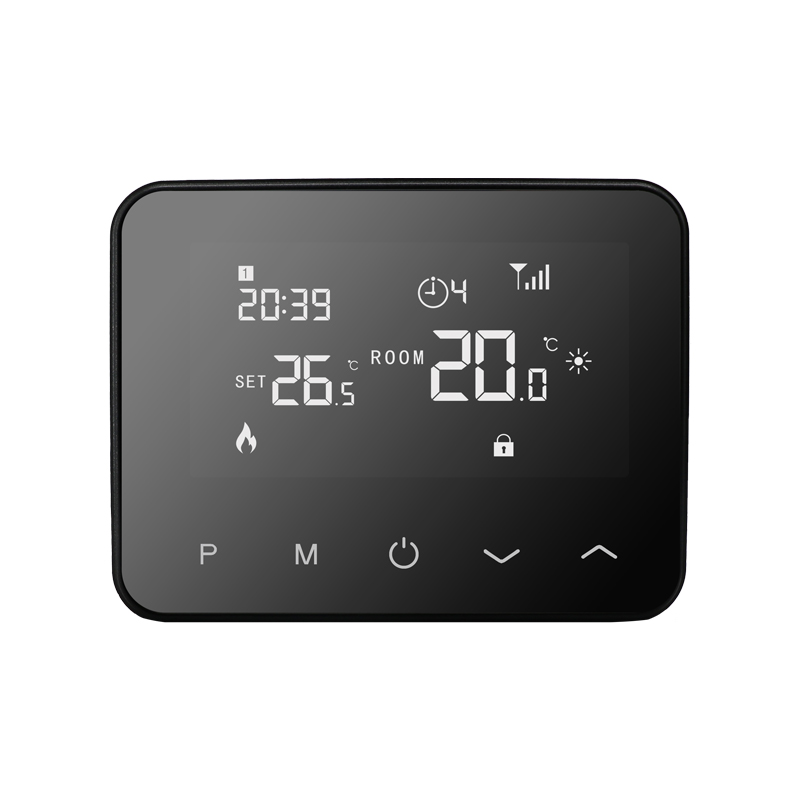
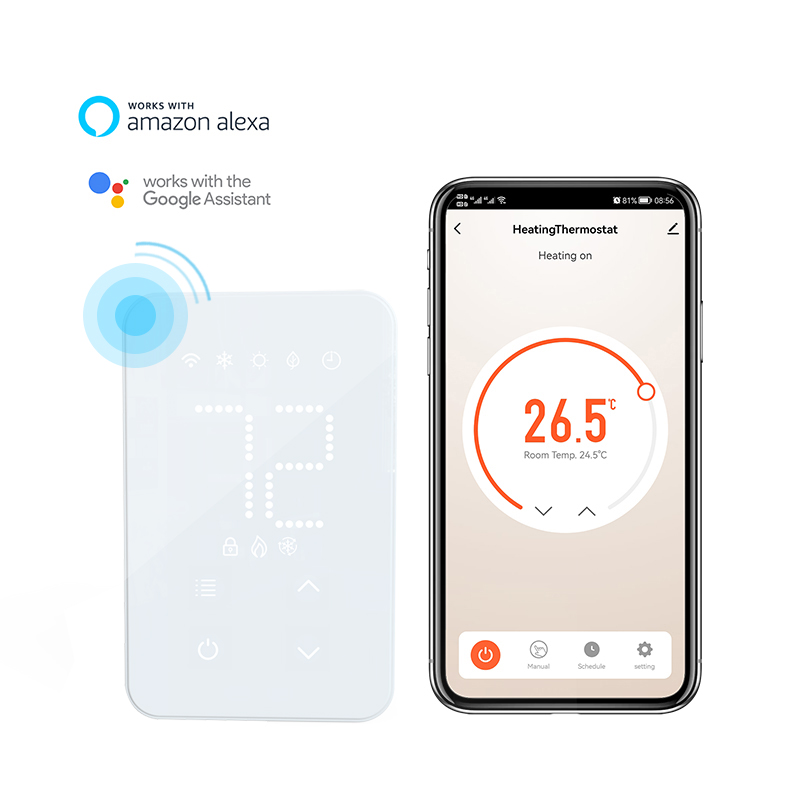
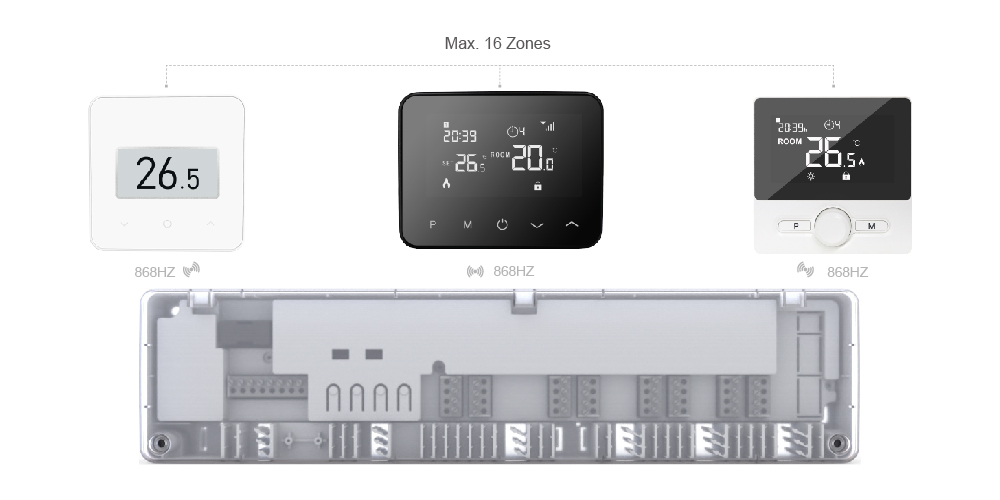
The control system determines operational convenience and energy efficiency. Zoned temperature control allows independent regulation of different areas, reducing unnecessary energy consumption. Proper water temperature and operating mode settings contribute to stable long-term operation while enhancing indoor comfort.
Commissioning and Operational Recommendations
After installation, the entire system must undergo commissioning, including water temperature adjustment, flow balancing, and terminal response testing. Temperature changes should be gradual during commissioning to prevent stress on pipes and equipment. In daily operation, maintaining reasonable temperature settings and avoiding frequent start-stop cycles helps reduce energy consumption and extend equipment lifespan.
Maintenance Management and Long-Term Operation
Long-term system performance depends on regular maintenance, including cleaning fan coil filters, checking water pressure, releasing trapped air, and reviewing control parameters. Proper maintenance reduces failure risks and ensures continuous efficient operation.
Installation of a fan coil unit underfloor heating heat pump system involves system planning, equipment placement, pipeline installation, commissioning, and maintenance management. Attention to detail at each stage supports stable performance, energy efficiency, and year-round indoor comfort across different climate conditions.